What Does a Mason Actually Do? The Role of Masons in Construction


What Does a Mason Actually Do? The Role of Masons in Construction
When you see a new home rising from the ground or an old brick building being restored, chances are a mason has played a key role in the process. But what exactly does a mason do—and why is their work so essential to construction? A mason is both a craftsman and a problem-solver, combining skill, precision, and experience to create the structures that shape our built environment.
From Foundation to Facade
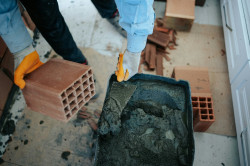
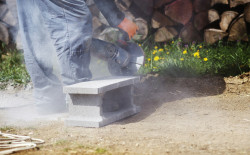
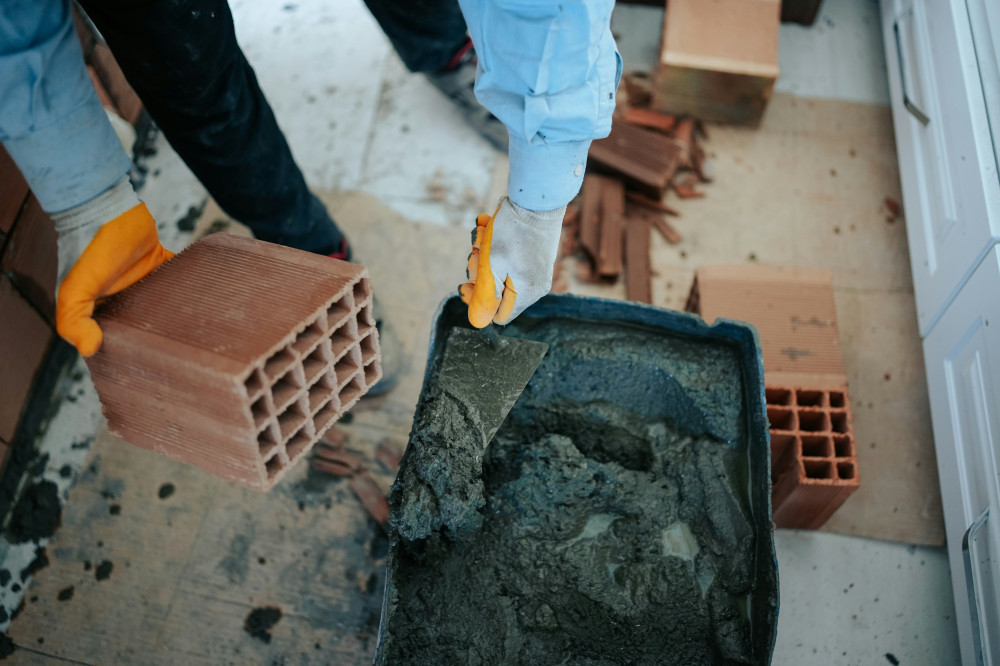
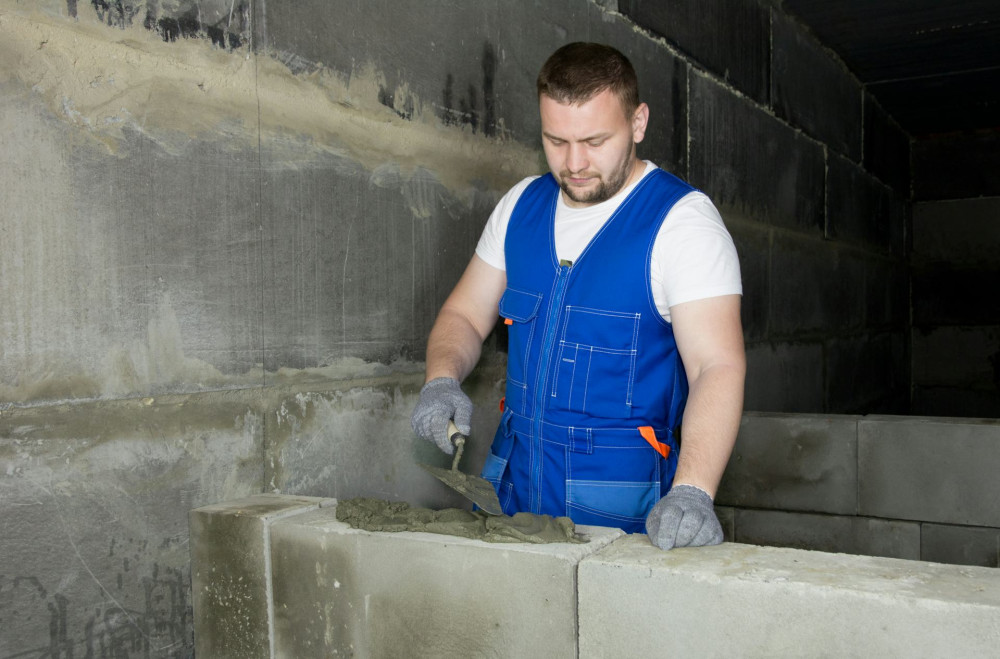
Masons work with materials like brick, stone, concrete block, and tile to build and repair walls, chimneys, walkways, and facades. The classic image of a mason laying bricks with a trowel still holds true, but the trade today covers a wide range of tasks and materials.
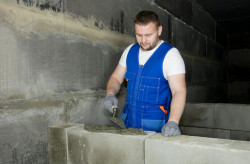
In new construction, masons are responsible for building load-bearing walls, installing stone veneers, and ensuring that every line and joint is perfectly aligned. In restoration or renovation projects, their work often focuses on preserving and repairing—replacing damaged bricks, repointing mortar joints, or matching new materials to historic ones. Whether it’s a suburban home, a downtown office building, or a historic landmark, masons help ensure that structures are both strong and visually appealing.
A Craft of Precision and Tradition
Masonry is one of the oldest building trades, with techniques that date back thousands of years. Yet modern masons must also master new materials and technologies. Today’s projects may involve traditional clay brick, concrete masonry units, natural stone, or engineered stone products designed for energy efficiency and durability.
Precision is everything. A wall that’s even slightly out of plumb or mortar joints that aren’t uniform can compromise both appearance and structural integrity. Masons are trained to work with millimeter accuracy, often outdoors in changing weather conditions and alongside other trades. Their craftsmanship is what gives buildings their character and longevity.
Læs også:
The Mason as a Problem-Solver
No two construction projects are exactly alike, and masons frequently face unique challenges. They might need to adapt to irregular foundations, match the color and texture of existing brickwork, or find the right mortar mix for a particular climate. Collaboration is key—masons work closely with architects, engineers, and general contractors to ensure that the finished structure meets both technical standards and design goals.
This combination of technical knowledge, hands-on skill, and creative thinking makes masonry a profession that’s as much about problem-solving as it is about building.
Energy Efficiency and Sustainability
In today’s construction industry, masons also play an important role in sustainability. Masonry materials like brick and stone are durable, low-maintenance, and energy-efficient, helping buildings stay comfortable and reducing long-term environmental impact. Many masons are involved in retrofitting older buildings with better insulation or using recycled and locally sourced materials to minimize waste.
Some projects even incorporate permeable pavers or reclaimed brick, showing how traditional craftsmanship can support modern green building practices. In this way, masonry continues to evolve as part of the broader movement toward sustainable construction.
Training and Career Path
Becoming a mason in the United States typically involves an apprenticeship program that combines classroom instruction with on-the-job training. Apprentices learn about materials, blueprint reading, safety, and the techniques of laying brick, block, and stone. The training usually lasts three to four years, after which a mason can work independently or specialize in areas such as restoration, stone masonry, or tile setting.
The trade demands physical strength, attention to detail, and a strong sense of craftsmanship. It’s a career where you can see the results of your work every day—and where skill and quality truly stand the test of time.
The Mason: A Cornerstone of Construction
Whether building new structures, restoring historic ones, or improving energy performance, masons remain essential to the construction industry. They are the hands behind the walls that support our homes, schools, and cities. More than just builders, masons are keepers of a long tradition—ensuring that our buildings stand strong, beautiful, and enduring for generations to come.
Læs også: