Light and Life: How Lighting Affects Our Mood and Perception of Space

Light and Life: How Lighting Affects Our Mood and Perception of Space
Light is far more than a practical necessity. It shapes how we experience our surroundings, influences our emotions, and even affects our sleep and overall well-being. In a world where many of us spend most of our time indoors, it’s worth considering how the lighting in our homes and workplaces impacts us—both physically and mentally.
Light as a Mood Setter
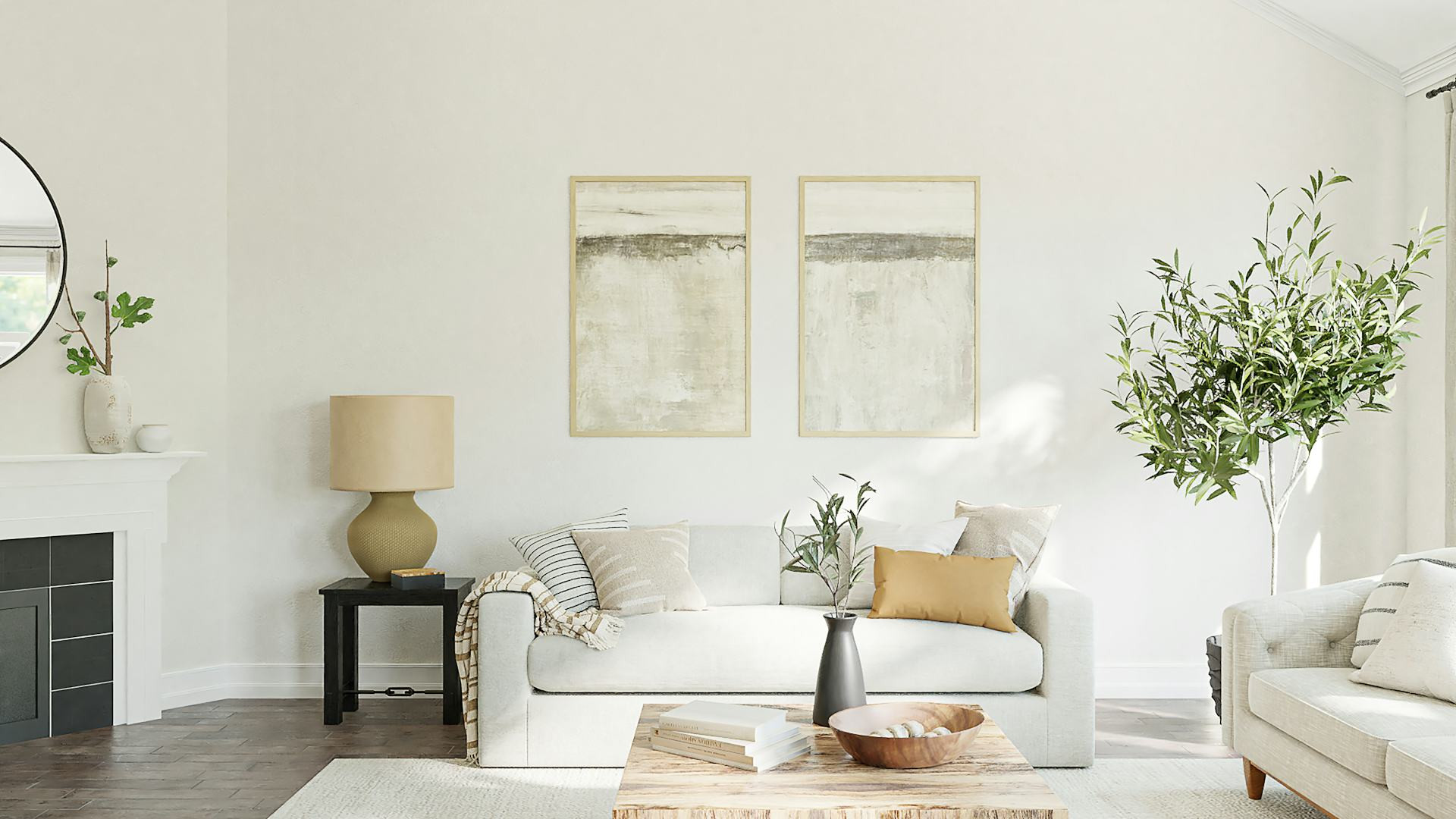
Lighting is one of the most powerful tools for creating atmosphere. Warm, dim light can make a living room feel cozy and relaxing, while bright, cool light brings energy and focus to a kitchen or home office.
Research shows that light affects the production of melatonin, the hormone that regulates our circadian rhythm. Bright, white light signals daytime and activity, while softer, warmer light helps the body wind down. The right lighting can therefore help us find balance between productivity and relaxation throughout the day.
Natural Light – The Gold Standard
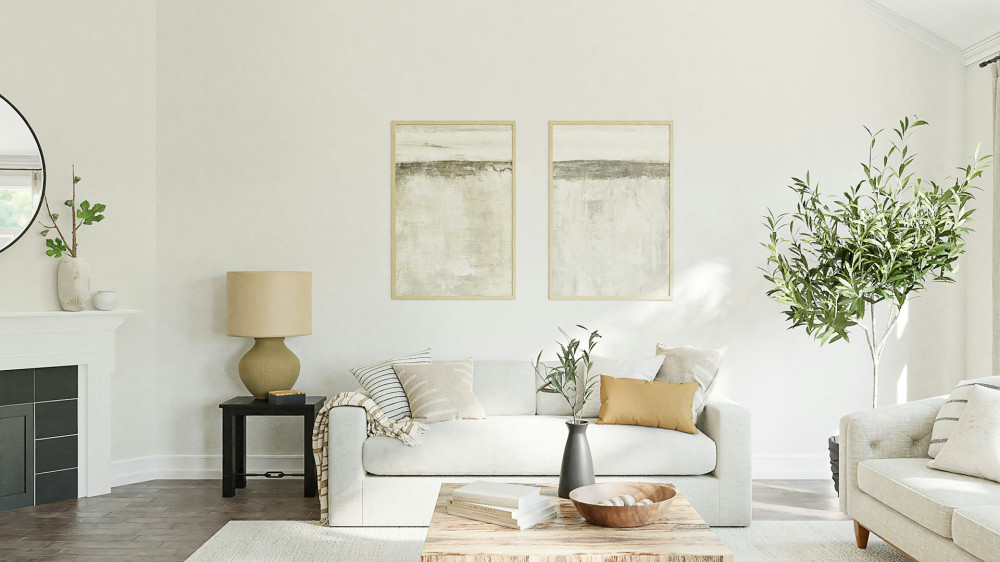
No artificial light can truly replace daylight. Sunlight has a unique spectrum that stimulates our senses and supports our body’s natural rhythm. Rooms with large windows and plenty of daylight tend to feel more open, welcoming, and energizing.
If you live in a region with limited sunlight—especially during winter—consider using lamps with a high color rendering index (CRI above 90) and a color temperature that mimics natural daylight. This can make a noticeable difference in mood and energy levels during darker months.
Layering Light for Balance
A well-lit space rarely depends on a single light source. The most comfortable and visually appealing interiors combine multiple layers of light:
- Ambient lighting – provides general illumination, such as ceiling fixtures or recessed lights.
- Task lighting – focused light for specific activities like reading, cooking, or working.
- Accent lighting – softer light that adds depth and highlights artwork or architectural features.
- Decorative lighting – fixtures that serve as design statements and add personality to a room.
By combining these layers, you can adjust the lighting to suit the time of day, activity, and mood—creating spaces that are both functional and inviting.
Color Temperature and Mood
Color temperature, measured in kelvins (K), plays a major role in how we perceive a space.
- Warm light (2,700–3,000 K) creates a calm, intimate atmosphere—perfect for living rooms and bedrooms.
- Neutral light (3,500–4,000 K) works well in kitchens and bathrooms, offering clarity without feeling harsh.
- Cool light (4,000–6,000 K) enhances concentration and is ideal for offices or workshops.
Choosing the right color temperature helps reinforce the purpose of a room while subtly influencing how you feel in it.
Læs også:
Lighting and Well-Being
Lighting can also be used intentionally to support well-being. A gentle light in the morning can make waking up easier, while dimmed lighting in the evening helps signal to your body that it’s time to rest.
Smart lighting systems—controlled by apps or voice commands—make it simple to adjust brightness and color tone throughout the day. This flexibility not only enhances comfort but can also promote healthier sleep patterns and daily rhythms.
Light as a Design Element
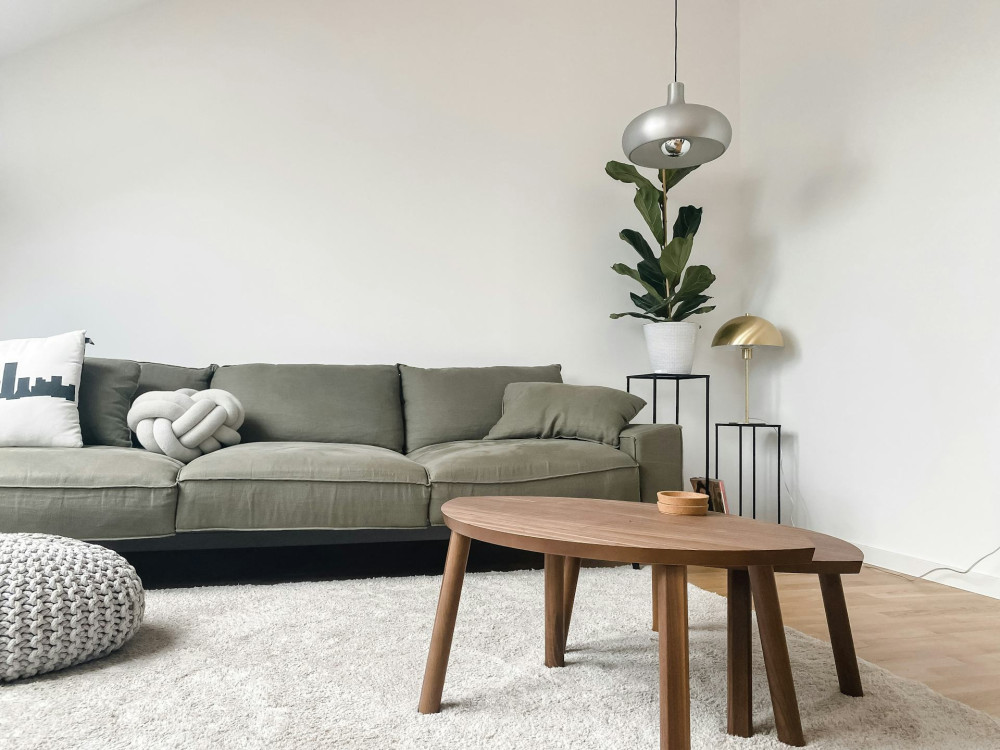
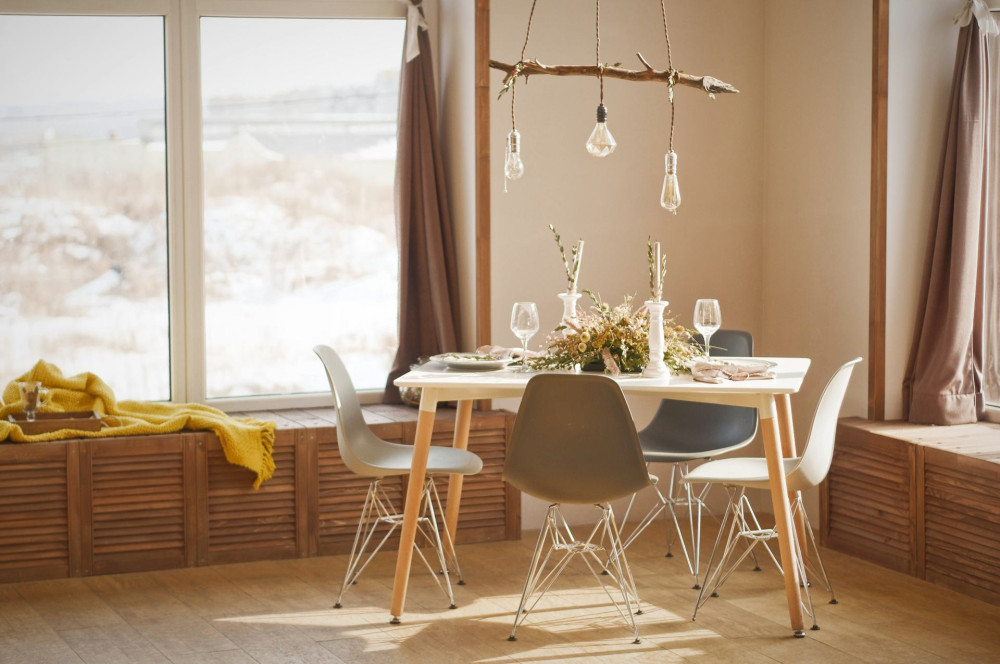
Light fixtures are not just functional; they’re an essential part of interior design. A striking pendant over the dining table can serve as a visual centerpiece, while smaller lamps in corners add warmth and depth.
Pay attention to how light interacts with walls, furniture, and textures. Soft shadows and reflections can highlight architectural details and bring a sense of life to a space. Good lighting design isn’t only about seeing clearly—it’s about feeling at ease in your environment.
A Brighter Life
Lighting is one of the most overlooked yet powerful elements in our daily lives. It influences how we work, relax, and connect with our surroundings. By being mindful of light’s quality, direction, and color, you can create spaces that not only look beautiful but also feel right to live in.
Læs også: