Maintenance of Masonry Openings – An Important Part of Facade Care

Maintenance of Masonry Openings – An Important Part of Facade Care
Masonry openings—such as windows, doors, and vents—are among the most vulnerable parts of a building’s exterior. They interrupt the continuity of the wall and are exposed to wind, rain, and temperature fluctuations. Without proper maintenance, these areas can develop cracks, leaks, and moisture damage that may eventually compromise the surrounding masonry. In this article, we’ll look at why maintaining masonry openings is so important and how you can keep your facade in good condition for years to come.
Why Masonry Openings Need Special Attention
A masonry opening is a weak point in the wall because it breaks the structural continuity. Above each opening sits a lintel that supports the weight of the masonry above. If the mortar joints, lintels, or seals around the opening deteriorate, water can penetrate and cause rust, spalling, or staining.
Different materials expand and contract at different rates as temperatures change. Wood frames, steel lintels, and brickwork all move differently, which can lead to small cracks in the mortar joints over time. These cracks may seem minor, but they often mark the beginning of more serious problems if not repaired promptly.
Signs That Maintenance Is Needed
It’s a good idea to inspect your masonry openings at least once a year—spring is ideal, as it allows you to assess any damage from winter weather. Here are some common signs that maintenance may be required:
- Cracks in mortar joints around windows and doors.
- Flaking or discolored brickwork, especially below window sills.
- Gaps or deteriorated sealant between the frame and the wall.
- Rust stains from steel lintels or anchors.
- Damp spots or peeling paint on interior walls near openings.
Catching these issues early makes repairs easier and less expensive.
Læs også:
How to Maintain Masonry Openings
Maintenance involves both prevention and repair. Here are the key steps to follow:
1. Clean and Inspect
Begin by cleaning the area around the opening to remove dirt, algae, and loose mortar. Use a soft brush and mild detergent. Avoid pressure washing, as it can damage the mortar joints and force water into the wall.
2. Repair Mortar Joints
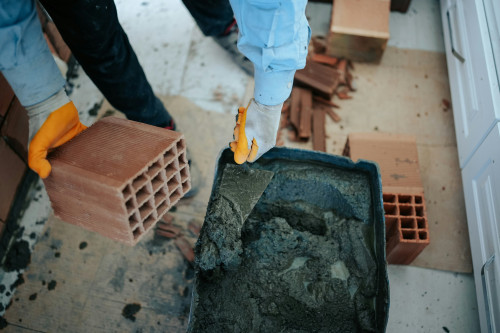
If the mortar is cracked or crumbling, rake out the damaged joints and repoint them with a mortar that matches the existing one in composition and color. For older brickwork, avoid using hard cement-based mortars, as they can trap moisture and cause further cracking.
3. Check Lintels and Sills
Lintels should be free of rust and cracks. Steel lintels may need cleaning and a protective coating to prevent corrosion. Window sills should slope away from the wall to direct water outward. If they are cracked or improperly sloped, repair or replace them.
4. Inspect the Seal Between Frame and Wall
The joint between the window or door frame and the masonry must be watertight yet flexible. Use a high-quality exterior-grade sealant that accommodates movement. Make sure the joint allows for proper ventilation and does not trap moisture.
5. Prevent Problems with Regular Care
In some cases, applying a breathable masonry water repellent can help protect against moisture penetration. However, this should only be done if the masonry is in good condition—otherwise, it may trap moisture inside the wall.
Professional Help or DIY?
Homeowners with some masonry experience can handle small repairs like repointing or resealing. However, if you notice large cracks, rusting lintels, or persistent moisture problems, it’s best to call a professional mason or building envelope specialist. They can assess whether there are structural issues and ensure that repairs are durable and effective.
A Small Effort with Big Benefits
Maintaining masonry openings may not be the most glamorous part of home care, but it’s one of the most important. A well-maintained facade not only protects your home from water and weather damage but also preserves its appearance and value. With regular inspections and timely repairs, you can prevent costly damage and keep your masonry looking strong and beautiful for decades.
Læs også: