Handling Heavy Bricks – Prevent Injuries with Proper Lifting Technique

Handling Heavy Bricks – Prevent Injuries with Proper Lifting Technique
Working with bricks takes both strength and skill. A single brick may not seem heavy, but moving hundreds of them in a day can put serious strain on your back, shoulders, and knees. Many construction workers and DIY enthusiasts experience pain or injury because they underestimate how important proper lifting technique really is. With the right approach and a few simple tools, you can prevent overexertion and make the job safer and more efficient.
Understand the Strain – and Why Technique Matters
When you lift a heavy object incorrectly, your spine absorbs excessive pressure. Over time, this can lead to muscle strain, herniated discs, or chronic wear and tear. Proper lifting technique isn’t just about avoiding sudden injuries—it’s about protecting your body for the long haul.
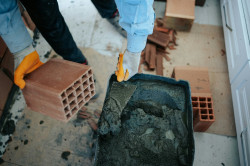
A standard clay brick weighs between 4 and 6 pounds. That may not sound like much, but if you move 500 bricks in a day, you’re handling well over a ton of material. That’s why it’s essential to use your body correctly—every single time.
Prepare the Work Area
Before you start, make sure your workspace is clear and stable. Uneven ground or clutter can throw off your balance and increase the risk of awkward movements.
- Plan your route. Decide where the bricks will be picked up and placed. Avoid unnecessary lifting or twisting.
- Use pallets or sawhorses. Elevate materials so you don’t have to bend all the way to the ground.
- Keep things tidy. Remove loose bricks, tools, and debris so you can move freely and safely.
A well-organized work area helps you focus on proper technique instead of dodging obstacles.
How to Lift Correctly
When lifting bricks—or any heavy object—follow these basic principles:
- Stand close to the load. The closer you are, the less strain on your back.
- Bend at your knees and hips, not your waist. Keep your back straight and use your leg muscles to lift.
- Hold the load close to your body. This gives you better control and reduces pressure on your spine.
- Avoid twisting. Turn your whole body with your feet instead of rotating your torso.
- Lift smoothly and steadily. Avoid jerky or sudden movements.
If you’re moving a large number of bricks, vary your movements and take short breaks. Repetitive lifting is one of the main causes of overuse injuries.
Use Tools to Save Your Body
Even the best technique can’t eliminate all strain. That’s why it’s smart to use lifting aids whenever possible.
- Brick tongs or lifting clamps make it easier to grab multiple bricks without bending down.
- Wheelbarrows, dollies, or pallet jacks reduce the number of manual lifts.
- Adjustable work tables or scaffolding bring materials to a comfortable height for ergonomic handling.
Think of these tools as an investment in your health. They save time and prevent injuries, especially on larger projects.
Dress for Safety and Support
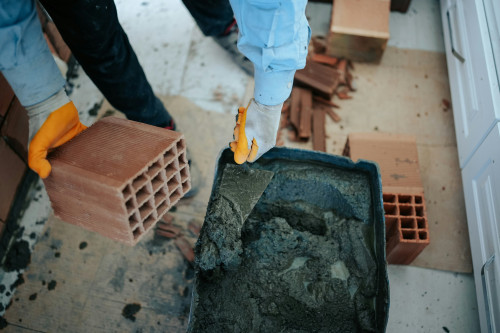
The right gear can make a big difference. Wear sturdy, supportive footwear with slip-resistant soles to maintain balance. Gloves protect your hands from scrapes and improve your grip, reducing the chance of dropping bricks.
If you’re working outdoors, consider the weather. Cold and damp conditions can stiffen muscles, while heat can cause fatigue. Listen to your body and take breaks when you feel tension or strain.
Læs også:
Build Strength for the Job
A strong body is better equipped for physical work. Exercises that strengthen your legs, core, and back can make a noticeable difference. You don’t need a gym—simple moves like squats, planks, and back extensions can be done at home.
Regular stretching and movement keep your muscles flexible and help prevent minor aches from turning into serious injuries.
Safety and Teamwork
If you’re working with others, communicate clearly about how each lift will be handled. For heavy or awkward loads, always lift with a partner. Coordination and communication are key to avoiding accidents.
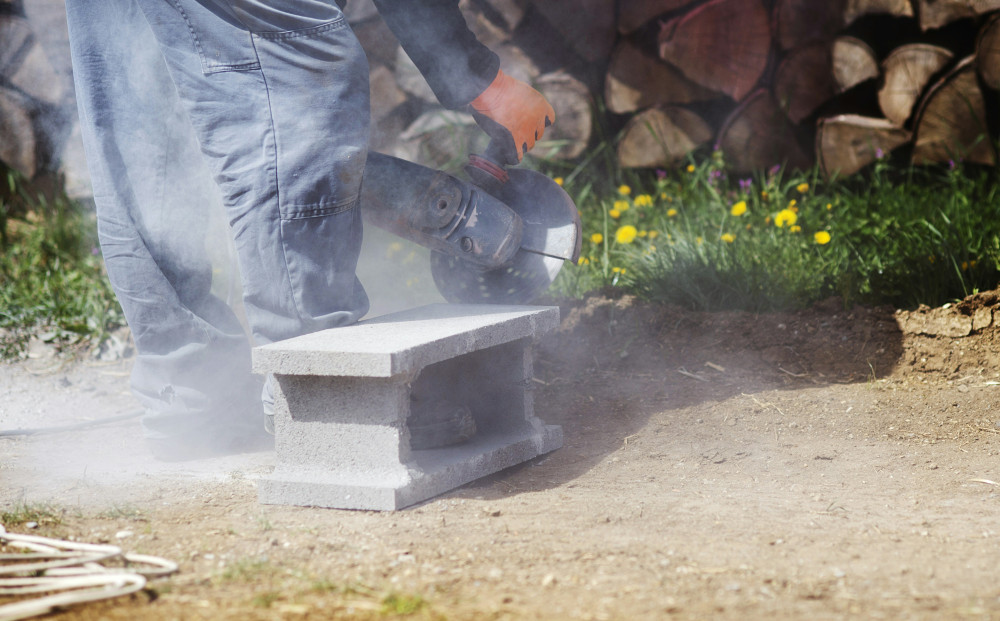
Remember, safety goes beyond lifting. Wear eye protection when cutting or shaping bricks, and make sure your work area is well lit and free of hazards.
A Healthy Back Is Your Best Investment
Handling heavy bricks is part of many construction and home improvement projects, but it doesn’t have to take a toll on your body. With good planning, proper technique, and the right tools, you can work efficiently and safely day after day.
A strong back and healthy muscles aren’t just assets on the job—they’re essential for everyday life. Take care of yourself while you take care of your work.
Læs også: