Balance Between Function and Aesthetics – The Key to a Harmonious Home

Balance Between Function and Aesthetics – The Key to a Harmonious Home
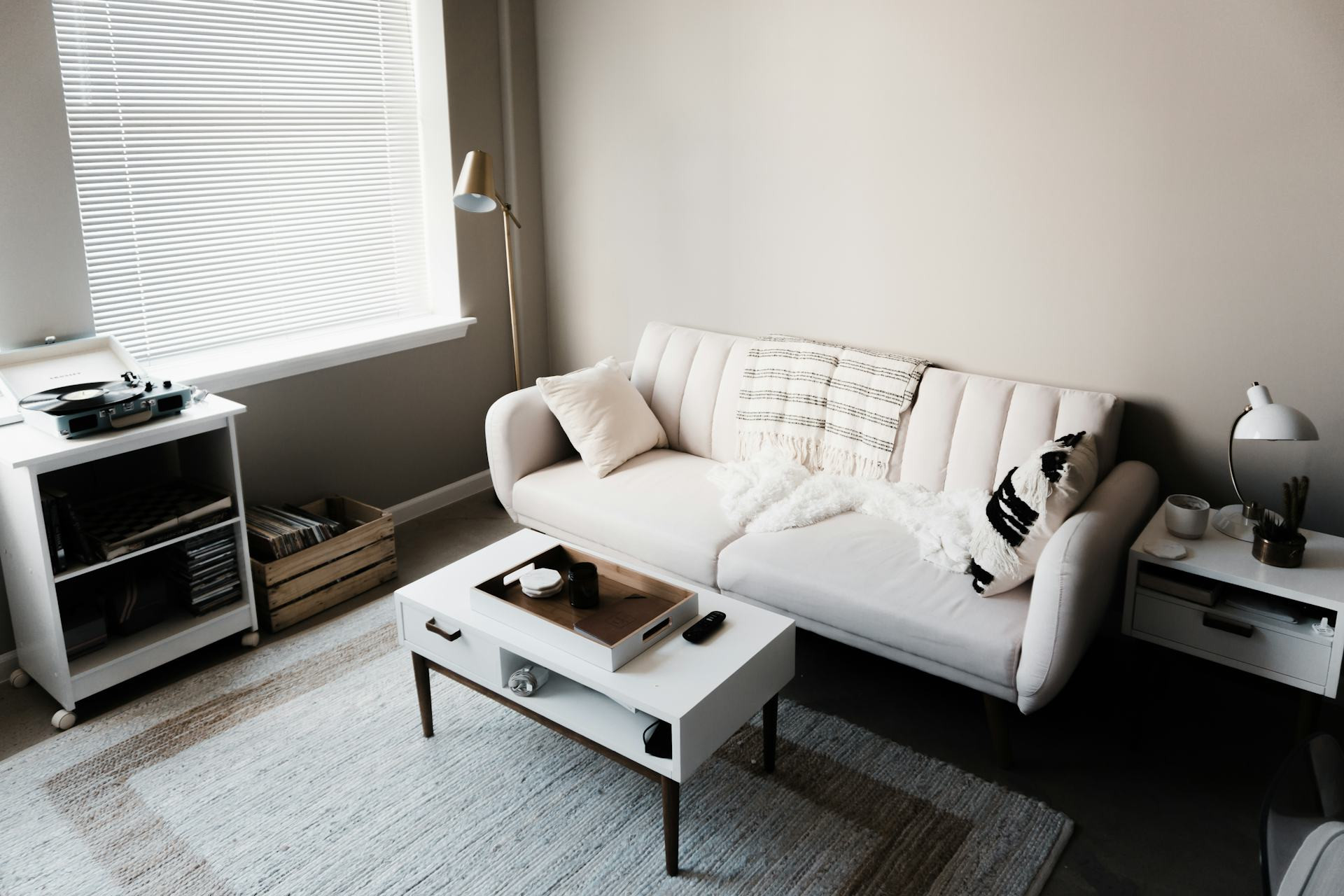
A home should be both practical and inviting. That’s where the balance between function and aesthetics becomes essential. A beautiful space that doesn’t work for everyday life quickly becomes frustrating, while a purely functional home can feel cold and impersonal. The most harmonious homes are those where design supports daily routines and reflects the personality of the people who live there.
Function as the Foundation
Functionality is the backbone of any well-designed home. It’s about creating spaces that make daily life easier and more enjoyable. The kitchen should be efficient to cook in, the living room should encourage relaxation, and the bedroom should promote rest.
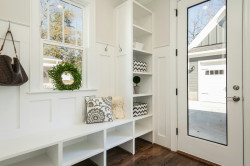
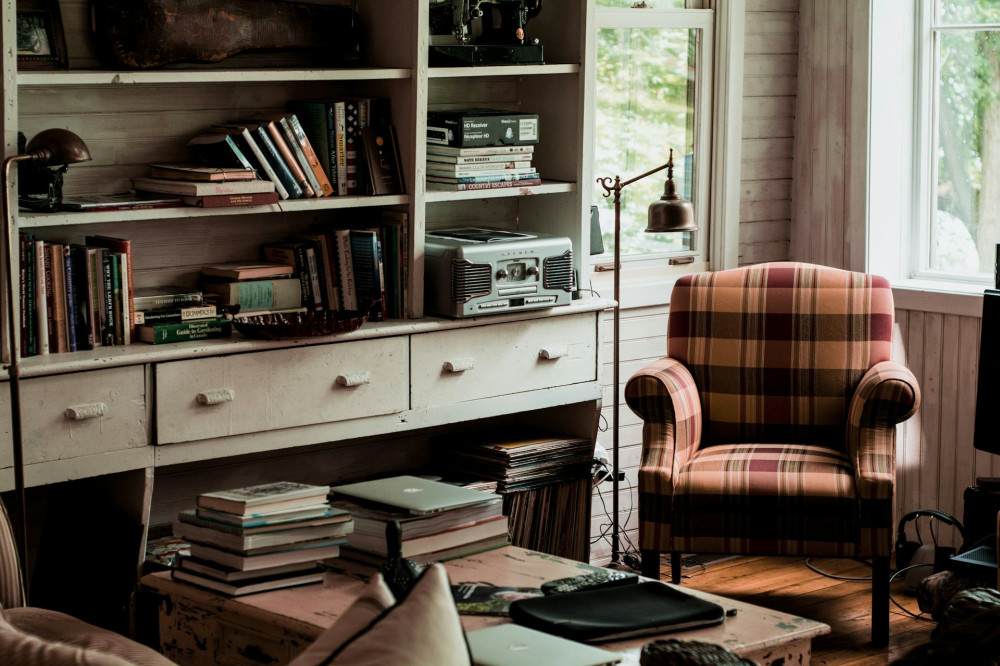
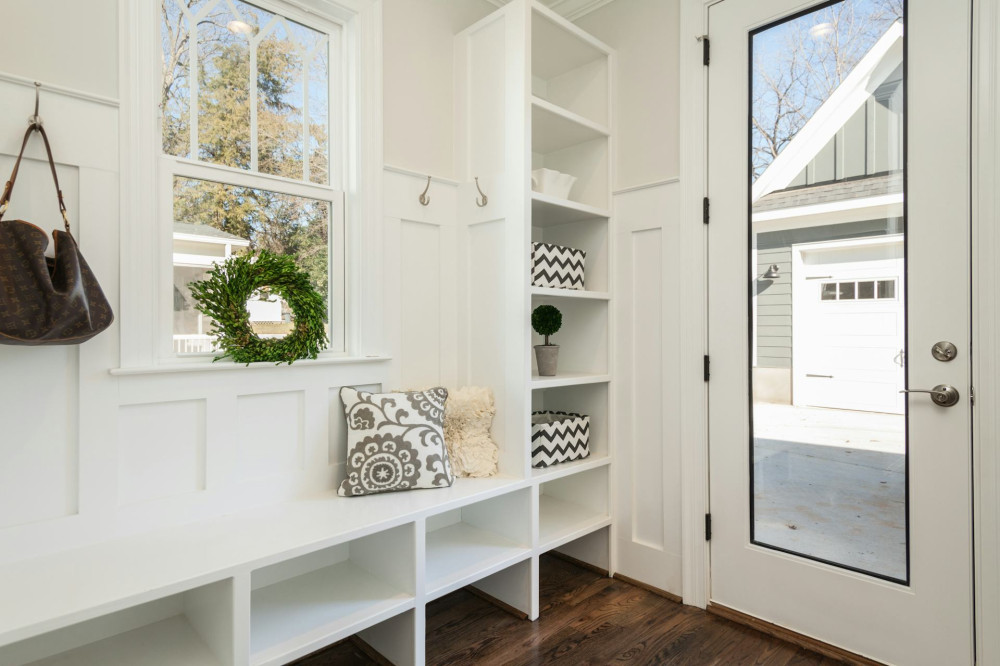
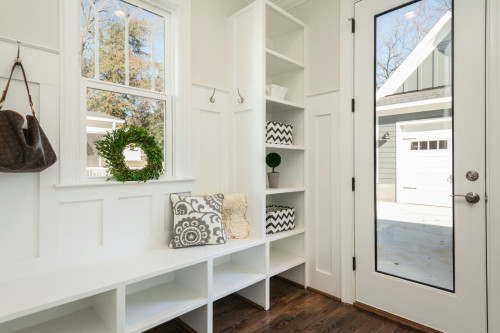
Start by observing how you actually use your home. Where does clutter tend to build up? Which areas feel awkward or underused? Small adjustments can make a big difference—like adding built-in storage in the entryway, choosing furniture that serves multiple purposes, or organizing items so that essentials are always within reach. Once the functional aspects are in place, it becomes much easier to layer in style that lasts.
Aesthetics as the Mood Setter
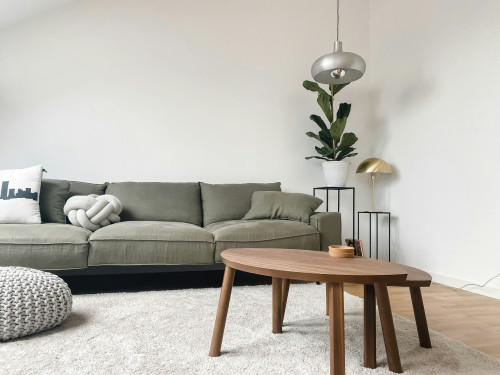
Aesthetics go beyond color and décor—they shape how a space feels. A harmonious home reflects your personality and creates visual calm. This can be achieved through thoughtful choices in color palettes, materials, lighting, and details that tie rooms together.
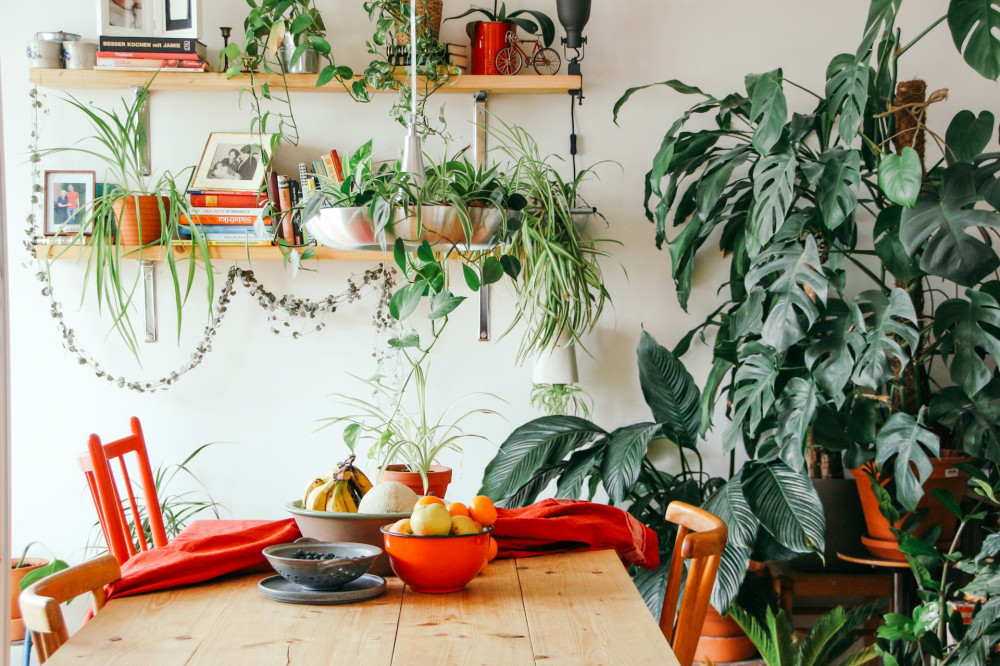
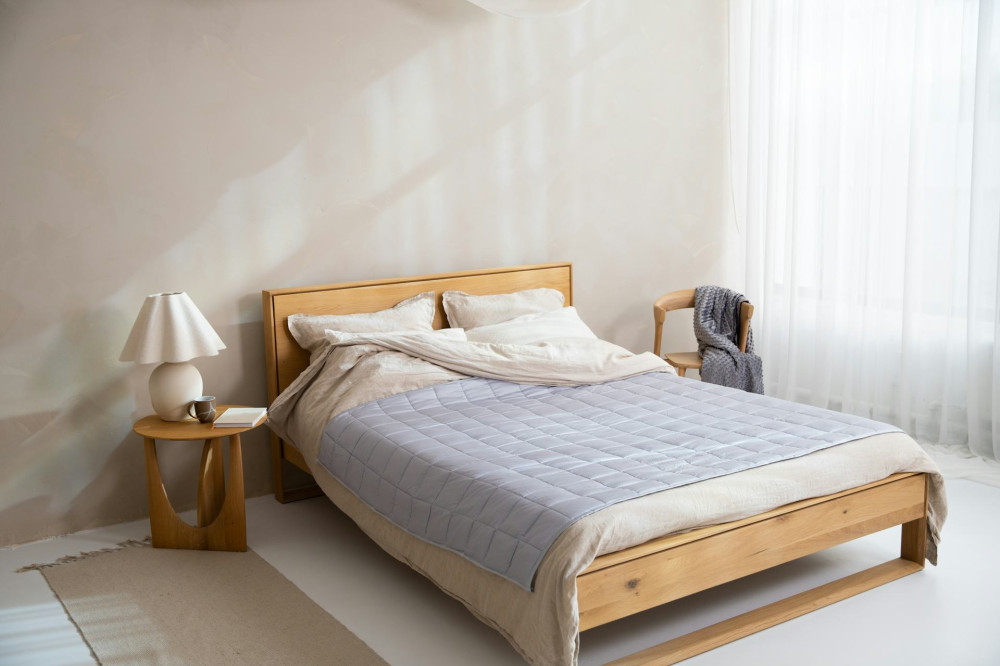
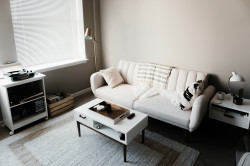
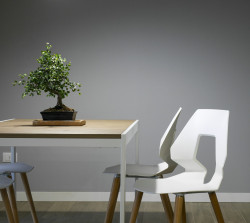
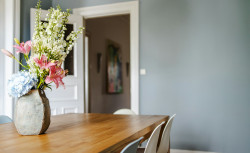
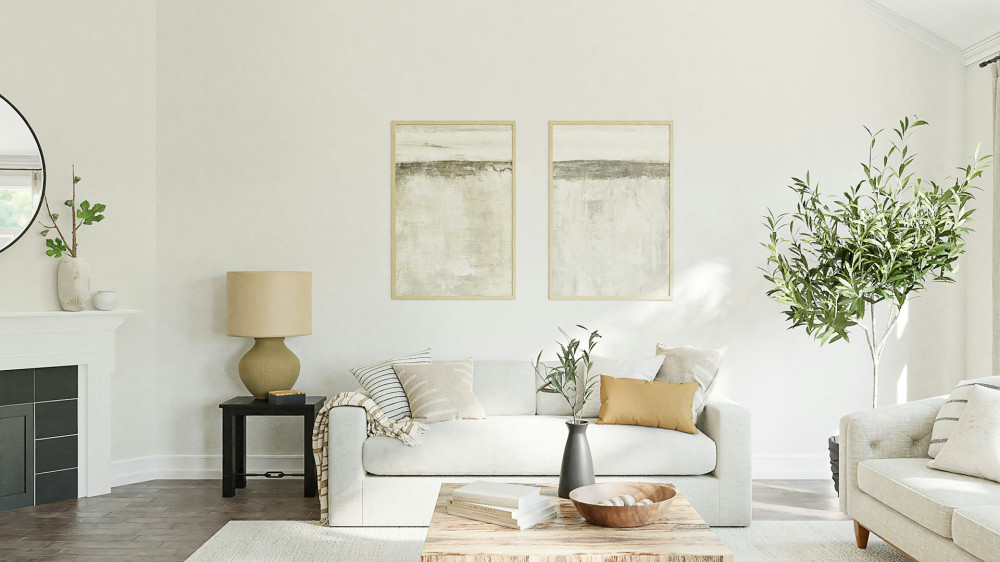
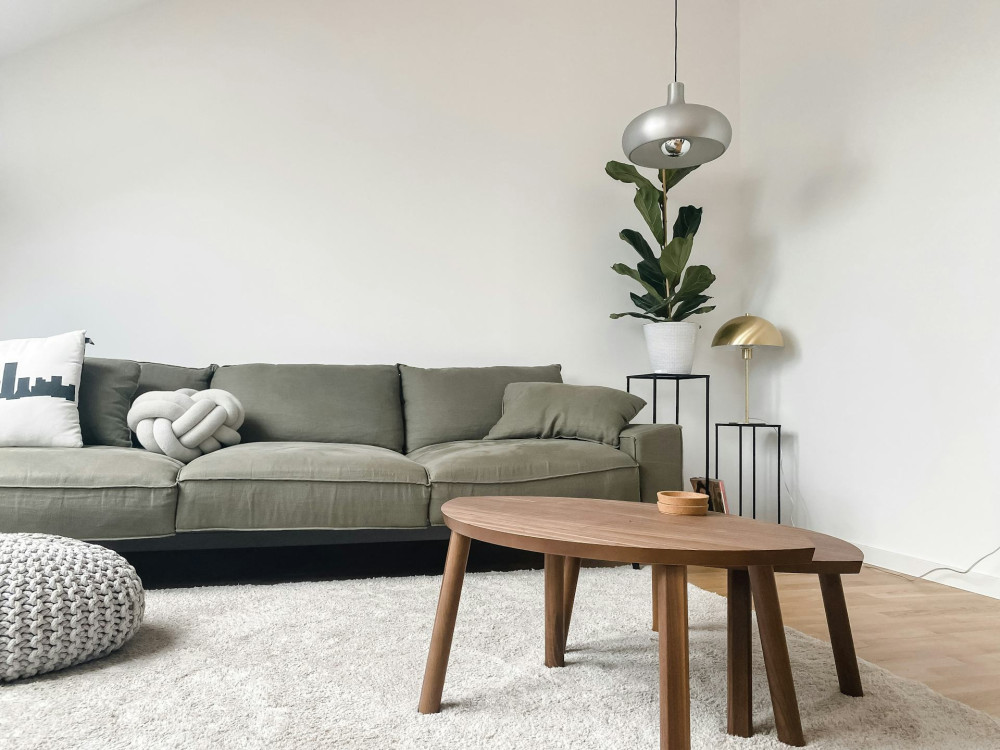
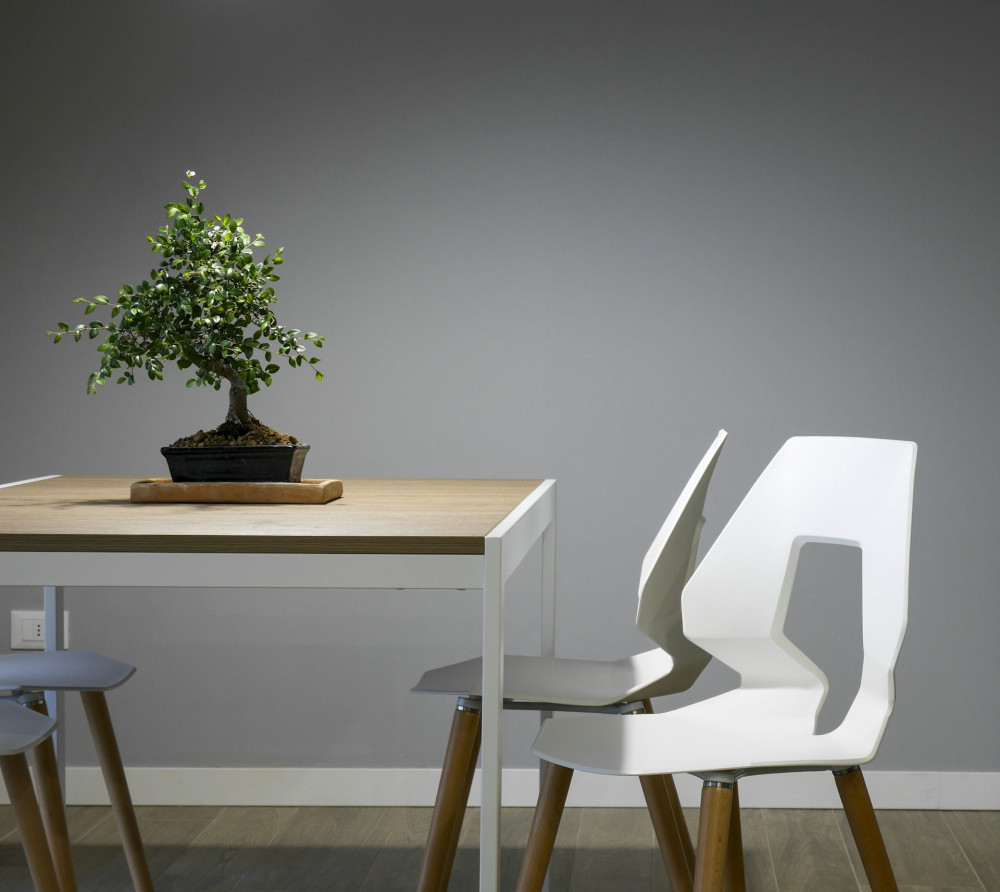
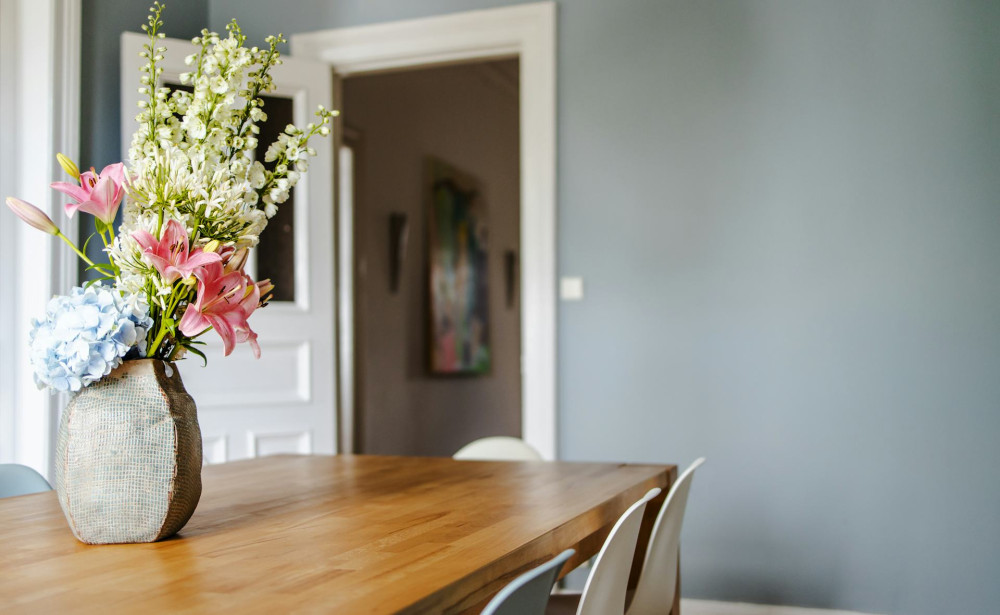
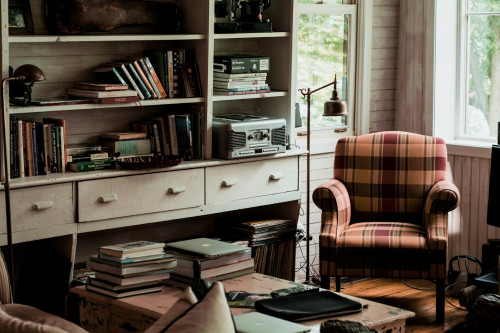
A good starting point is to choose a cohesive style or color scheme that flows throughout your home. Natural materials like wood, cotton, and linen bring warmth and texture, while neutral tones provide a calm backdrop for personal touches—artwork, plants, or family heirlooms. The goal isn’t to follow every design trend, but to create an environment that feels authentic to you.
Where Practicality Meets Beauty
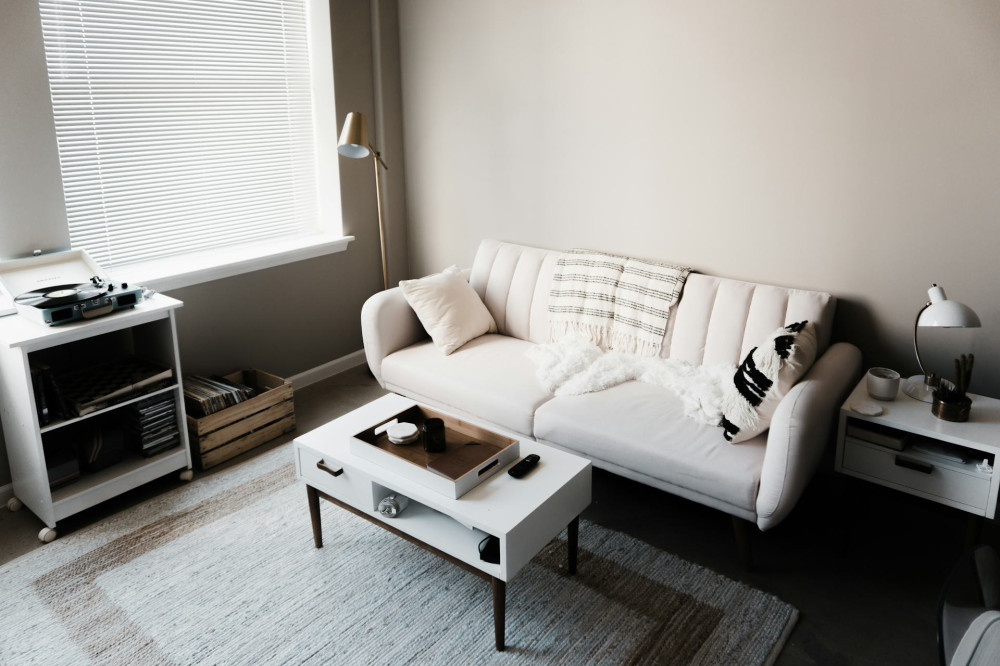
The real magic happens when function and aesthetics work together. Think of storage solutions that are both useful and attractive—open shelving with woven baskets, built-in cabinets with elegant finishes, or modular furniture that adapts to different needs.
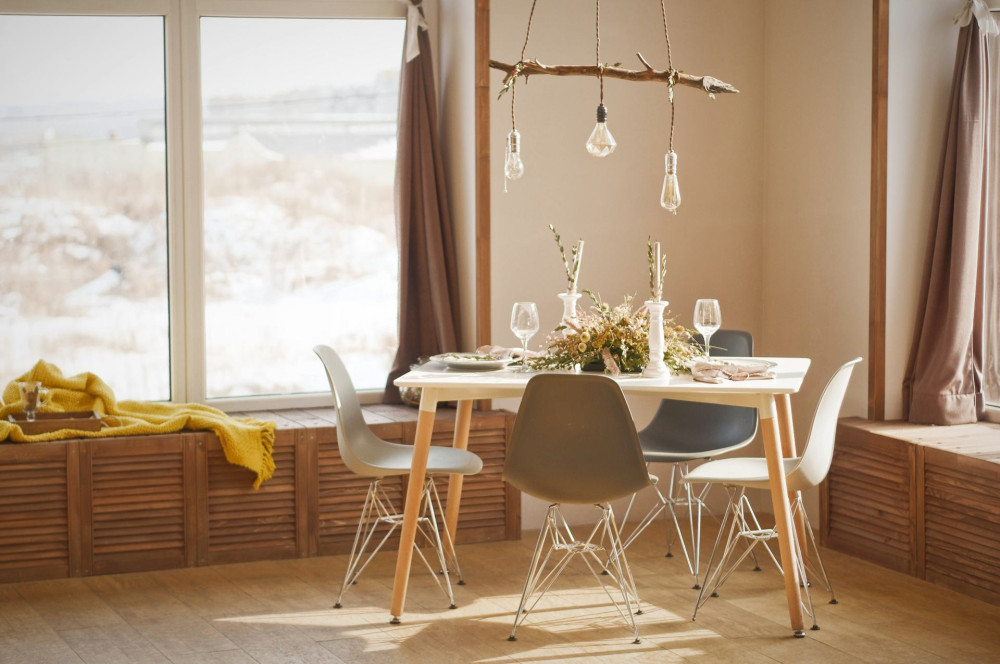
Lighting is another area where the two meet seamlessly. A well-lit home combines task lighting, ambient lighting, and decorative fixtures to create both functionality and atmosphere. Consider how natural light changes throughout the day, and use lamps or dimmers to adjust the mood as needed.
Læs også:
Finding Balance Through Intentional Choices
A harmonious home doesn’t happen by accident—it’s the result of mindful decisions. It’s about finding the right amount of color, texture, and décor—not too much, not too little. Minimalism can bring calm, but for some, it may feel too sparse. On the other hand, a vibrant, eclectic home can feel lively but also overwhelming. The balance lies where you feel most comfortable.
Take your time when decorating. Experiment, rearrange, and notice how each space functions in daily life. A home isn’t a finished project—it’s a living environment that evolves with you.
A Home That Feels Like You
When function and aesthetics come together, your home becomes more than just a place to live—it becomes a place to thrive. It’s where you can relax, recharge, and truly be yourself. A harmonious home doesn’t have to be perfect; it simply needs to feel right because it supports your needs and expresses who you are.
Finding the balance between function and aesthetics isn’t about following strict design rules—it’s about creating a home that feels good to live in, every single day.
Læs også: