Use the Garden as a Learning Space for Environmental Awareness

Use the Garden as a Learning Space for Environmental Awareness
A garden is more than a place for flowers, lawns, and relaxation. It can also be a living classroom where both children and adults learn about ecosystems, sustainability, and environmental responsibility. By using the garden as a learning space, we can connect our everyday actions to the balance of nature—and get our hands dirty in the best possible way.
Nature as the Best Teacher
When we observe how plants grow, bees pollinate, and earthworms enrich the soil, environmental awareness becomes tangible. In the garden, we can see how everything is connected: water, soil, sunlight, and life. It’s an experience that no textbook or screen can replace.
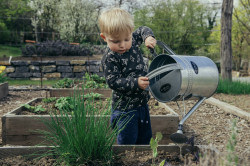
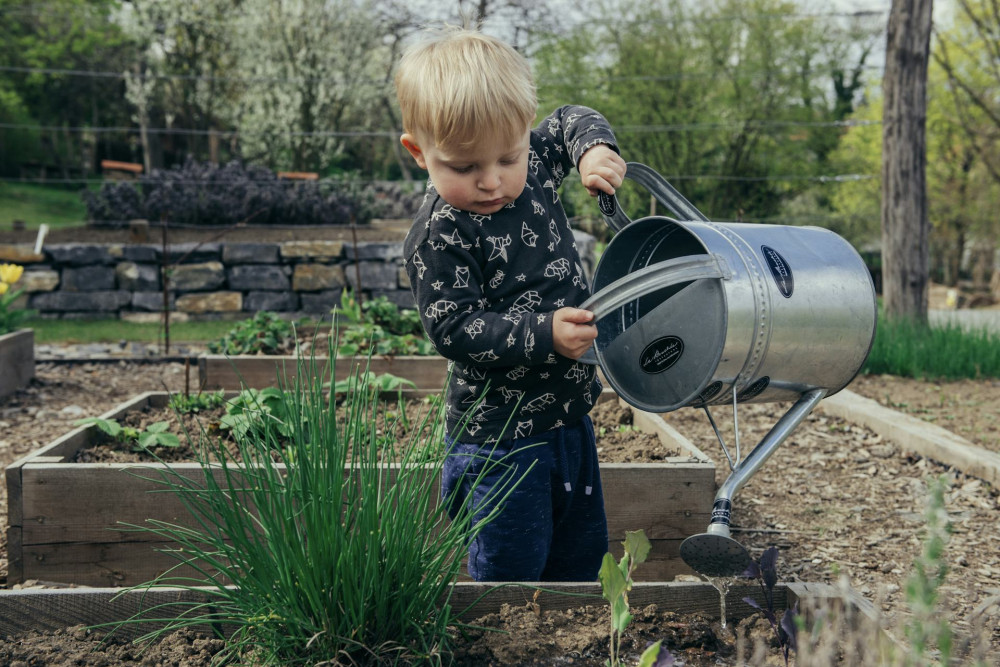
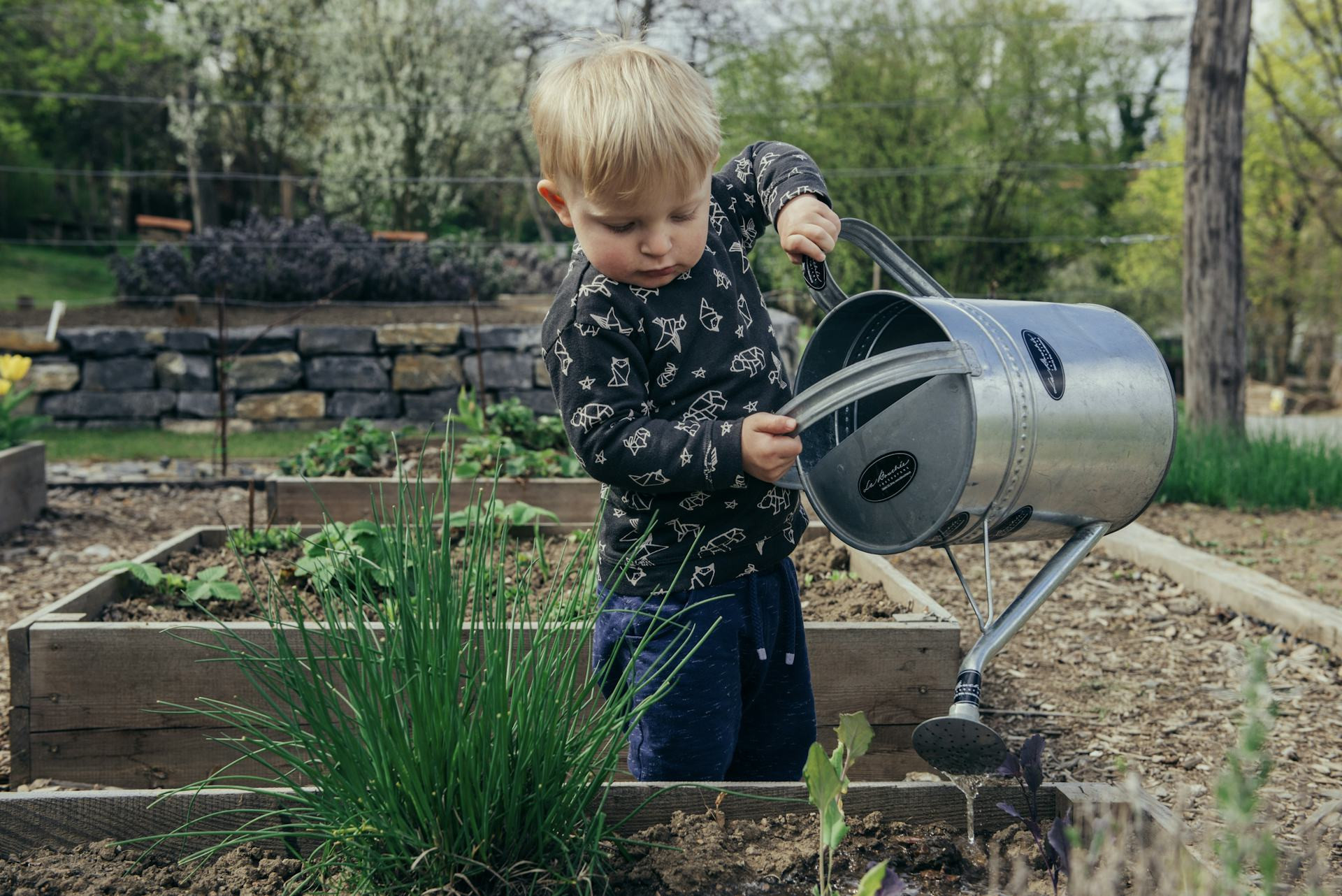
For children, the garden is an ideal place to discover how nature works. They can follow a sunflower’s journey from seed to bloom, see how compost turns into nourishment, and understand why insects are essential. These experiences build respect for nature and a deeper understanding of why protecting the environment matters.
Læs også:
Small Projects with Big Lessons
You don’t need a large backyard to create a learning space. Even a balcony planter or a small raised bed can be used to explore nature’s processes. Here are a few ideas:
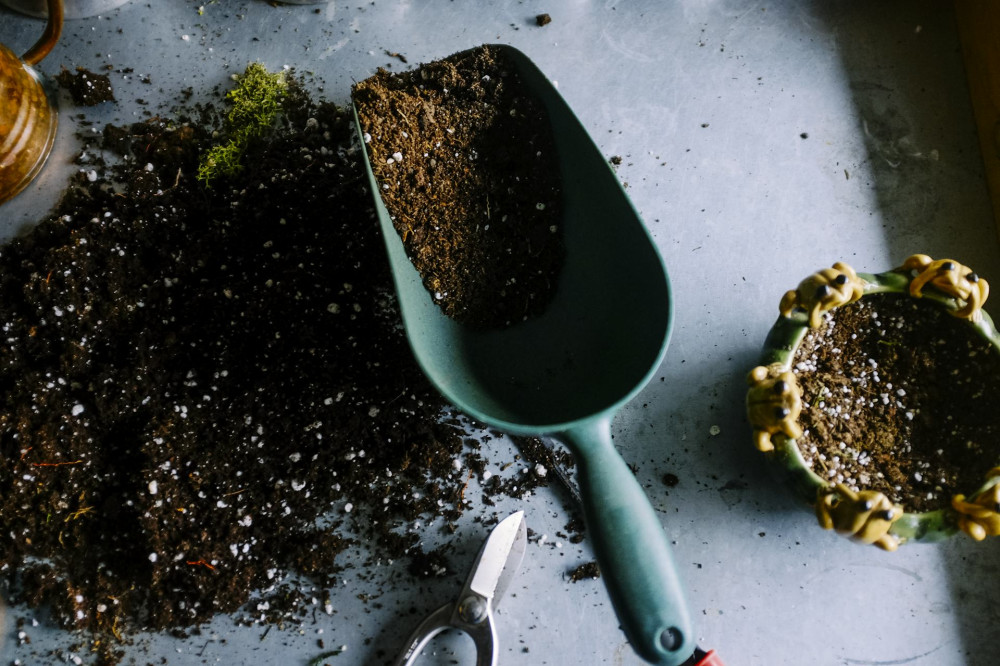
- Compost kitchen scraps – learn how food waste becomes nutrient-rich soil and discuss how composting reduces landfill waste.
- Build a pollinator hotel – create a small shelter from wood and natural materials where bees and ladybugs can thrive.
- Grow edible plants – let kids plant lettuce, peas, or herbs and follow the process from seed to plate.
- Collect rainwater – show how to conserve resources by using rainwater for irrigation.
- Leave a wild corner – allow part of the garden to grow naturally so butterflies and small animals have a place to live.
These activities provide not only practical knowledge but also a sense of responsibility and connection to the environment.
From Gardening Joy to Environmental Understanding
Working in the garden quickly makes us aware of how climate and weather affect plants. A dry summer, a late frost, or an insect outbreak becomes something we experience firsthand. This makes environmental issues more immediate and easier to understand.
Talking about why bees need flowers or why mulching helps retain soil moisture turns environmental awareness into part of daily life. The garden becomes a place where theory meets practice—and where we learn that small actions can make a big difference.
Community and Shared Learning
Gardens can also bring people together. When children, parents, and grandparents work side by side, conversations naturally arise about how gardening used to be done and how it can be made more sustainable today. This creates both learning and a sense of belonging.
Across the U.S., school and community gardens are already being used as educational tools. Students learn about biology, nutrition, and climate in ways that engage all the senses. But the same principle can be applied at home—in the backyard, on a balcony, or in a shared neighborhood garden.
A Green Investment in the Future
Using the garden as a learning space isn’t just about growing plants—it’s about growing awareness. When we learn to understand nature’s rhythms, it becomes easier to make sustainable choices in everyday life, from recycling to food habits and energy use.
The garden reminds us that we are part of nature, not separate from it. And when we learn to care for it on a small scale, we take an important step toward caring for it on a larger one.
Læs også: