Harmony in the Garden: Combine Different Plant Types for a Beautiful Overall Look

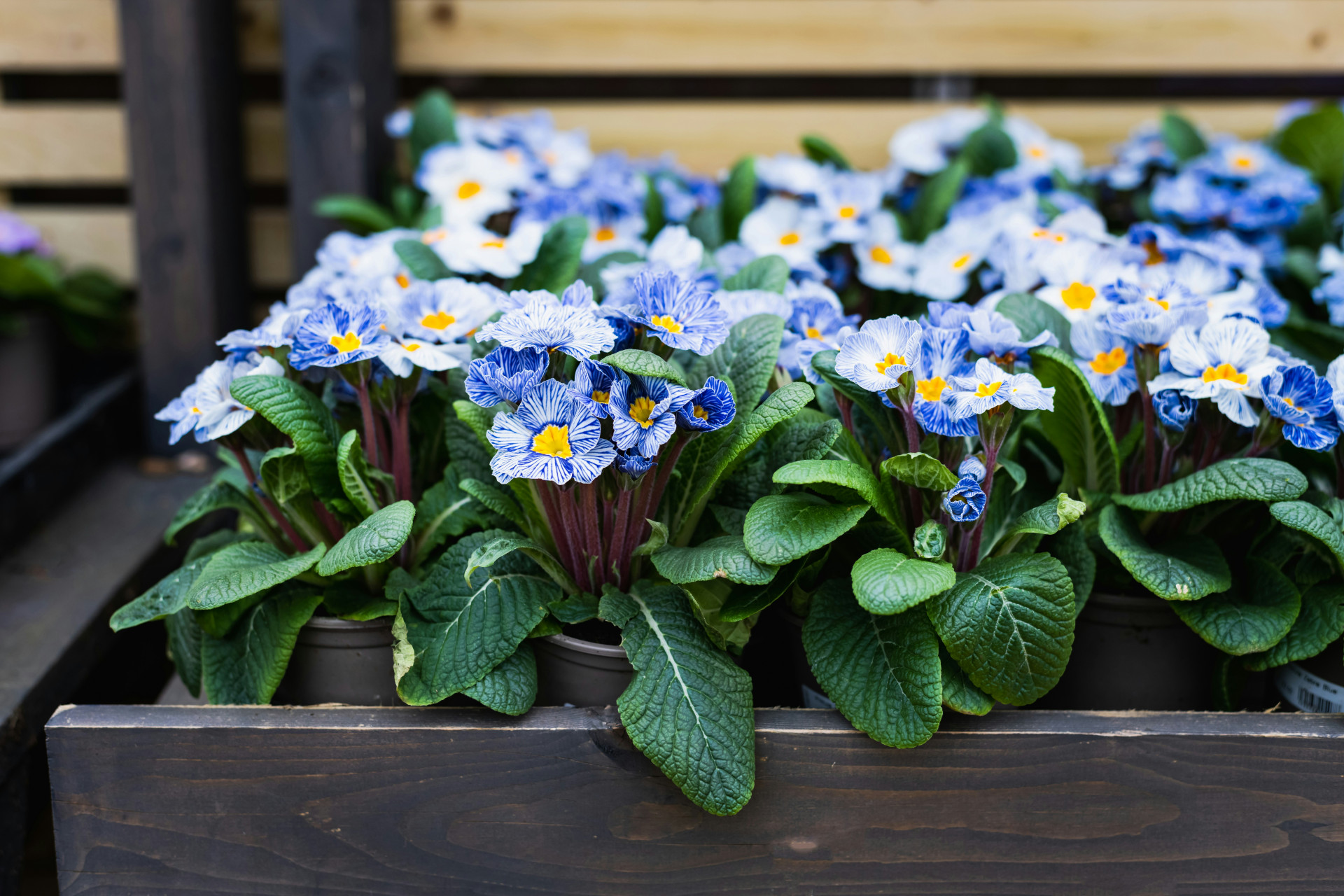
Harmony in the Garden: Combine Different Plant Types for a Beautiful Overall Look
A harmonious garden isn’t just about color or shape—it’s about how different plant types work together to create balance and beauty. When you combine trees, shrubs, perennials, and groundcovers thoughtfully, you build a living landscape that changes gracefully through the seasons. Here’s how to design a garden that feels cohesive, vibrant, and easy to maintain.
Think in Layers and Structure
A well-balanced garden starts with structure. Think in layers—from tall trees that provide shade and a sense of enclosure, to mid-height shrubs and perennials that fill the space, down to groundcovers that tie everything together and keep weeds at bay.
- Trees add height and character. Consider ornamental varieties like dogwood, redbud, or small fruit trees such as apple or cherry, depending on your region and yard size.
- Shrubs bring volume and texture. Hydrangeas, lilacs, and native berry bushes like serviceberry or elderberry offer both beauty and wildlife value.
- Perennials provide color and texture. Try coneflowers, black-eyed Susans, and lavender for a natural, layered look.
- Groundcovers such as creeping thyme, hosta, or pachysandra create a unified base and help retain soil moisture.
By layering plants, you create depth and rhythm—avoiding a flat or disorganized appearance.
Play with Contrast—But Keep It Cohesive
Contrast adds life to a garden, but too much can feel chaotic. Combine plants with different leaf shapes, colors, and heights, but stick to a consistent color palette.
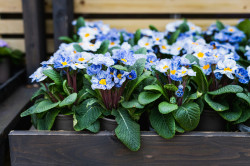
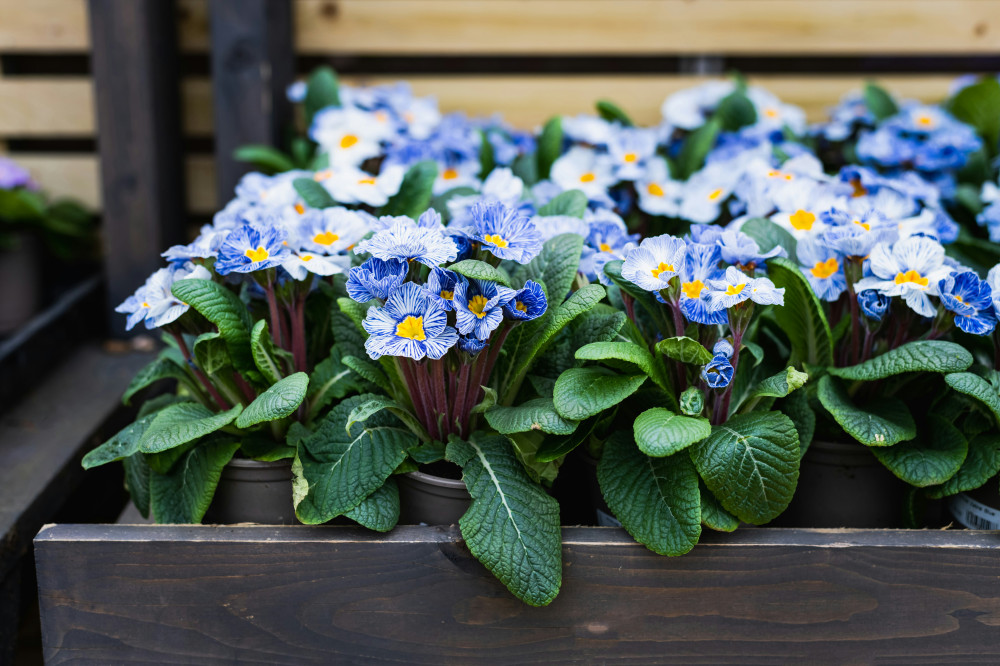
A good rule of thumb is to choose one dominant color and two or three complementary shades. Green foliage provides a calming backdrop, while flowers in blues, purples, or whites lend elegance. If you want more energy, add warm tones like orange or red—but use them sparingly for balance.
Celebrate the Seasons
A garden that only shines in one season can feel dull the rest of the year. By choosing plants with staggered bloom times and seasonal interest, you can enjoy beauty from early spring through winter.
- Spring: Bulbs like tulips, daffodils, and crocus bring early color, while flowering trees such as magnolia or redbud burst into bloom.
- Summer: Perennials like daylilies, bee balm, and salvia thrive in the heat and attract pollinators.
- Fall: Ornamental grasses, sedum, and asters add texture and warm hues as the weather cools.
- Winter: Evergreens and trees with striking bark—like birch or red-twig dogwood—keep the garden visually interesting.
By planning for all four seasons, your garden remains dynamic and inviting year-round.
Welcome Nature In
A harmonious garden doesn’t have to be perfectly manicured. A touch of wildness brings life and balance. Leave a few corners more natural, where birds, bees, and butterflies can thrive.
Plant nectar-rich flowers such as milkweed, echinacea, and goldenrod to support pollinators. Add a birdbath or small water feature to attract wildlife and create a peaceful focal point. The result is a garden that feels alive and connected to nature.
Læs også:
Focus on the Whole Picture
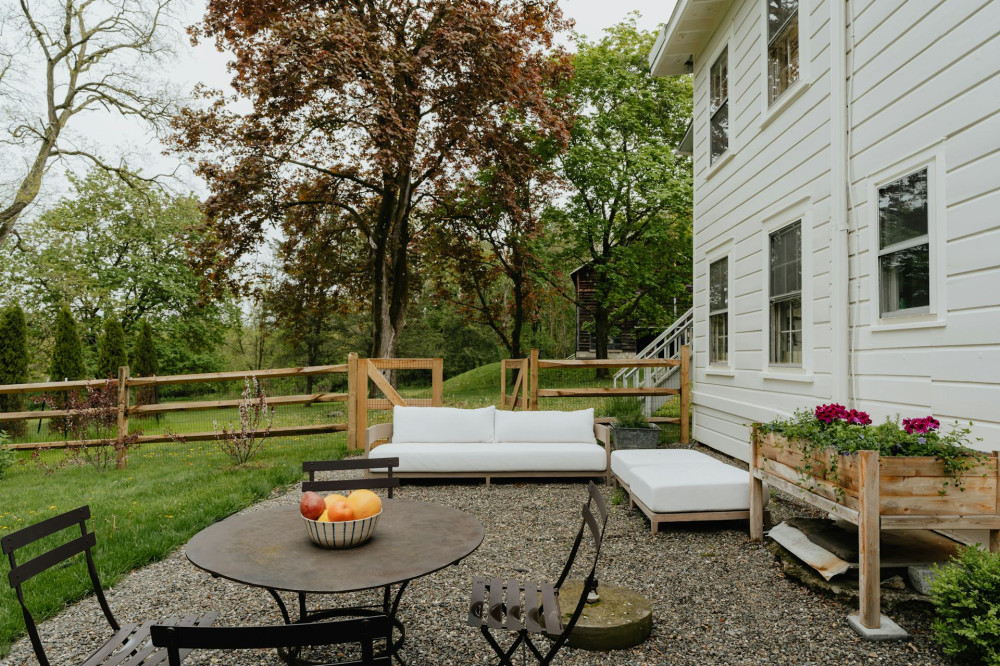
When designing your garden, it’s easy to get caught up in individual beds or plants. Instead, step back and view your yard as a whole. How do colors, shapes, and materials flow together? How do you move through the space?
Use paths, lawns, and seating areas to create rhythm and cohesion. Repeat certain plants or colors throughout the garden to establish continuity. And most importantly, choose plants suited to your soil, light, and climate—so your garden thrives with minimal effort.
A Living, Evolving Space
A garden is never truly finished—and that’s part of its charm. Plants grow, shift, and mature over time, creating new patterns and surprises. By combining different plant types thoughtfully, you build a garden that evolves naturally and becomes more beautiful each year.
Harmony in the garden isn’t about perfection—it’s about balance: between color and texture, structure and softness, design and nature. When you find that balance, your garden becomes not just a space to look at, but a place to live in—peaceful, vibrant, and full of life.
Læs også: