Improve the Soil in Your Urban Garden – Step by Step

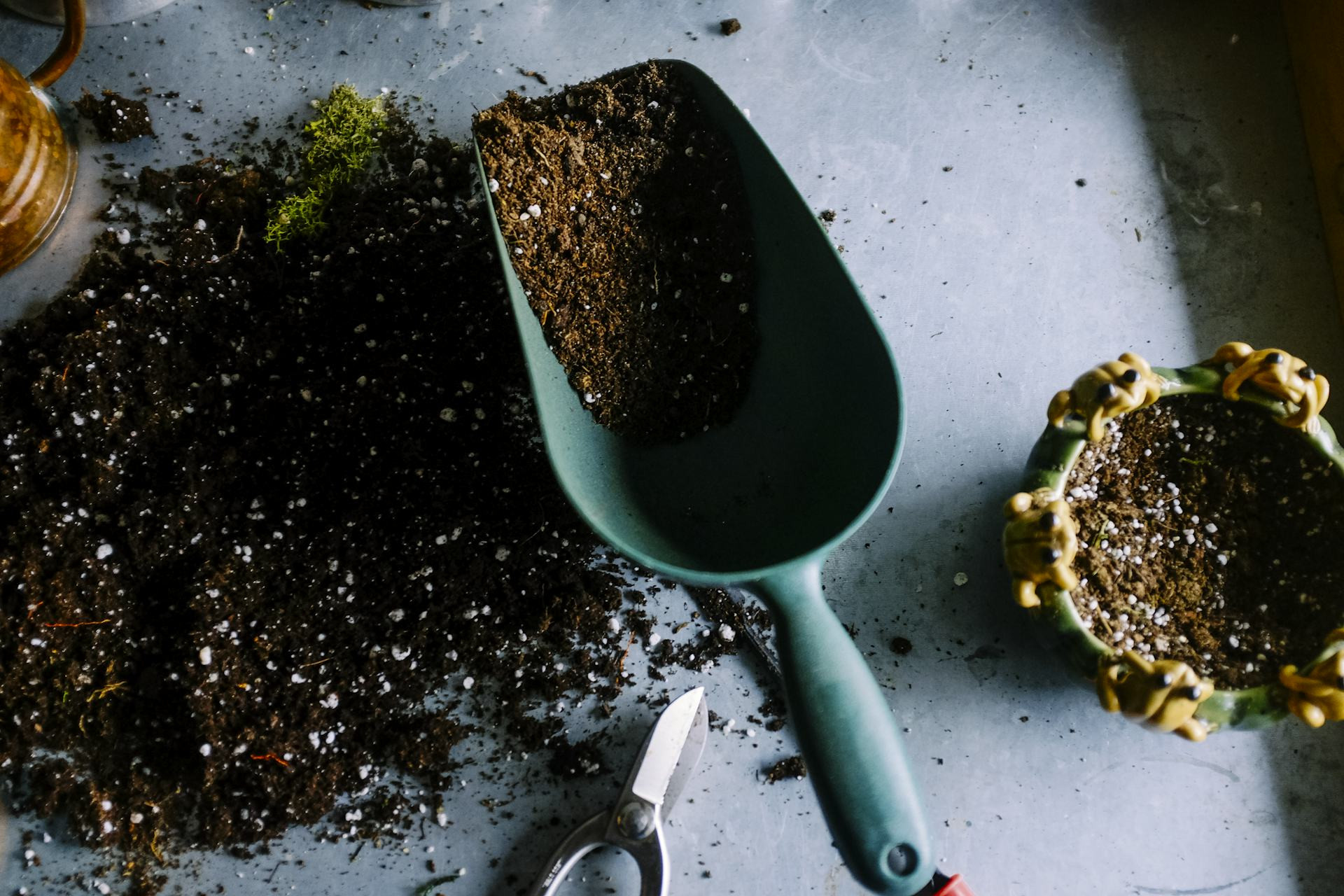
Turn tired city soil into a thriving foundation for your plants
Outside
Outside
4 min
Learn how to transform poor urban soil into a rich, living base for your garden. This step-by-step guide shows you how to test, loosen, and enrich your soil so your plants can flourish—even in the heart of the city.
Braxton Robinson
Braxton
Robinson

Improve the Soil in Your Urban Garden – Step by Step

Turn tired city soil into a thriving foundation for your plants
Outside
Outside
4 min
Learn how to transform poor urban soil into a rich, living base for your garden. This step-by-step guide shows you how to test, loosen, and enrich your soil so your plants can flourish—even in the heart of the city.
Braxton Robinson
Braxton
Robinson

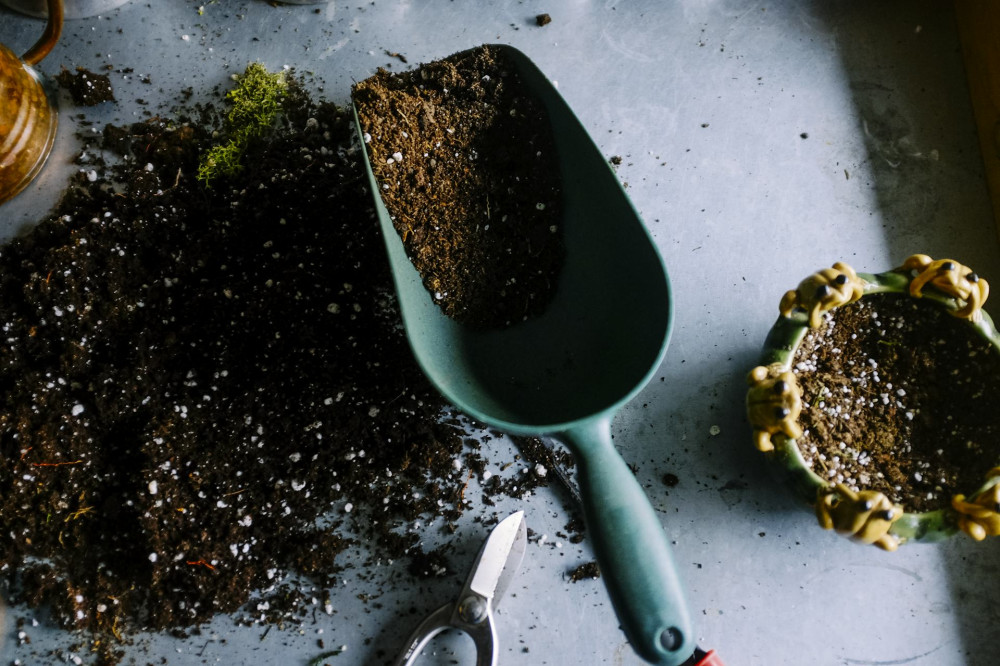
A thriving urban garden starts beneath the surface. Whether you’re growing vegetables in raised beds, flowers in containers, or fruit trees in a small backyard, healthy soil is the foundation for success. In cities, however, soil is often compacted, depleted, or even contaminated. The good news is that you can restore it with a few simple steps. Here’s a step-by-step guide to improving your urban garden soil.

1. Get to Know Your Soil

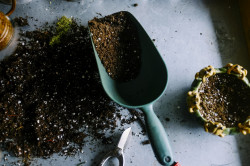
Before you start adding anything, take time to understand what kind of soil you have. Dig a small hole and look at the texture: is it sandy, clay-heavy, or dense and sticky? Rub a bit between your fingers—does it crumble easily or form a tight ball?

You can also do a quick home test:

  • Fill a glass jar halfway with soil, add water, shake it, and let it sit overnight. The layers that form show the proportions of sand, silt, and clay.
  • Test the pH with a kit from a garden center or your local extension office. Most plants prefer slightly acidic to neutral soil (pH 6–7).

If you’re gardening directly in the ground—especially in older urban areas—it’s wise to have your soil tested for heavy metals or other contaminants. Many county extension services or local universities offer affordable testing. If contamination is a concern, consider raised beds filled with clean soil and compost.

2. Loosen and Aerate the Soil

Urban soil is often compacted from foot traffic or construction. Compaction limits root growth and reduces air and water movement. Use a garden fork or broadfork to gently loosen the soil without turning it over completely—this helps preserve beneficial soil organisms.

If your soil is very dense:

  • Mix in coarse sand or fine gravel to improve drainage.
  • Spread compost on top and let earthworms and microbes work it in naturally.
  • Avoid walking on wet soil, which squeezes out air and makes it even denser.

3. Add Organic Matter

Organic matter is the key to healthy soil. It improves structure, increases water retention, and feeds beneficial organisms. You can use:

  • Compost – homemade or store-bought, rich in nutrients and life.
  • Aged manure – from cows, horses, or chickens, but use sparingly to avoid excess nitrogen.
  • Leaves, grass clippings, and coffee grounds – free materials that break down slowly and enrich the soil.

Spread a 2–4 inch layer of organic matter over your garden each spring or fall. Over time, it will blend into the soil and transform its texture and fertility.

4. Cover the Soil with Green or Mulch

Bare soil dries out quickly and loses nutrients. Keep it covered with living plants or organic mulch:

  • Cover crops like clover, buckwheat, or ryegrass protect the soil, add nitrogen, and attract pollinators.
  • Mulch – such as straw, shredded leaves, or wood chips – helps retain moisture, suppress weeds, and regulate temperature.

In decorative areas, you can use bark mulch or cocoa shells for a neat, attractive look that also benefits the soil.

5. Encourage Soil Life

Healthy soil teems with life—from earthworms to microscopic fungi. You can nurture this living ecosystem by:

  • Avoiding chemical fertilizers and pesticides that harm beneficial organisms.
  • Watering with collected rainwater when possible, as it’s softer and free of chlorine.
  • Adding compost tea or worm castings to boost microbial activity.

The more life in your soil, the better it will support your plants and resist disease and drought.

6. Be Patient and Consistent

Improving soil is a gradual process, not a one-time fix. Each season that you add organic matter and protect the soil structure, it becomes richer and more resilient. After a year or two, you’ll notice darker, looser soil and stronger, healthier plants.

Think of your soil as a living community—feed it, protect it, and it will reward you with abundance.

7. Consider Raised Beds and Containers

If your native soil is too poor or contaminated, raised beds and large containers are excellent alternatives. Fill them with a mix of compost, topsoil, and coarse sand or perlite for good drainage. They’re easy to maintain, warm up quickly in spring, and are perfect for patios, rooftops, and small backyards.

A Living Soil Creates a Living Garden

Improving your soil isn’t just about getting bigger harvests—it’s about creating balance. When the soil is healthy, plants grow stronger, resist pests, and thrive through dry spells. With patience and care, even the toughest city soil can become a fertile foundation for a vibrant, green oasis.

Harmony in the Garden: Combine Different Plant Types for a Beautiful Overall Look
Discover how to blend trees, shrubs, and flowers into a balanced and beautiful garden design
Outside
Outside
Garden Design
Plant Combinations
Landscaping
Outdoor Living
Gardening Tips
5 min
Learn how to create a harmonious garden by combining different plant types that complement each other in color, texture, and form. With thoughtful layering and seasonal variety, you can design an outdoor space that feels natural, cohesive, and full of life all year round.
Ruby Reyes
Ruby
Reyes
Improve the Soil in Your Urban Garden – Step by Step
Turn tired city soil into a thriving foundation for your plants
Outside
Outside
Urban Gardening
Soil Improvement
Sustainable Gardening
Organic Matter
City Garden
4 min
Learn how to transform poor urban soil into a rich, living base for your garden. This step-by-step guide shows you how to test, loosen, and enrich your soil so your plants can flourish—even in the heart of the city.
Braxton Robinson
Braxton
Robinson
Use the Garden as a Learning Space for Environmental Awareness
Turn your garden into a hands-on classroom for sustainability and nature learning
Outside
Outside
Environmental Education
Sustainability
Gardening
Nature Learning
Community Engagement
5 min
Discover how your garden can become a space for exploring ecosystems, sustainability, and environmental awareness. Engage children and adults alike in meaningful outdoor learning that connects everyday life with the rhythms of nature.
Nolan Evans
Nolan
Evans
Light and Life: How Lighting Affects Our Mood and Perception of Space
Discover how the right lighting can transform your mood, health, and sense of space
Trend
Trend
Lighting
Interior Design
Well-Being
Mood
Home Decor
7 min
Light influences more than what we see—it shapes how we feel and interact with our surroundings. Learn how different types of lighting, from natural daylight to layered indoor solutions, can enhance well-being, boost energy, and create harmony in your home or workspace.
Christian Richardson
Christian
Richardson
Make Your Home Personal with Books, Photos, and Memories
Turn your living space into a reflection of your life and personality
Trend
Trend
Home Decor
Personal Style
Interior Design
Memories
Inspiration
7 min
Discover how books, photos, and cherished memories can transform your house into a truly personal home. Learn to balance style and sentiment to create a space that tells your story and feels uniquely yours.
Kinsley Lee
Kinsley
Lee
Home design that makes everyday life easier and more comfortable
Thoughtful design ideas for a home that supports your daily life
Trend
Trend
Home Design
Interior Inspiration
Smart Living
Comfort
Everyday Life
5 min
Discover how smart design choices can make your home more functional, relaxing, and enjoyable. From lighting and storage to natural materials and technology, learn how to create a space that truly works for you.
Ruby Reyes
Ruby
Reyes
Home Style as a Reflection of Your Personality
Discover how your home’s design choices reveal your unique character and lifestyle
Trend
Trend
Interior Design
Home Decor
Personal Style
Lifestyle
Psychology of Color
4 min
Your home is more than just a place to live—it’s a reflection of who you are. From color palettes to furniture arrangements, every detail tells a story about your personality, values, and way of life. Learn how to express yourself through your home style and create a space that truly feels like you.
Braxton Robinson
Braxton
Robinson
Balance Between Function and Aesthetics – The Key to a Harmonious Home
Discover how to create a home that is both beautiful and practical
Trend
Trend
Interior Design
Home Decor
Functionality
Aesthetics
Lifestyle
3 min
Learn how to strike the perfect balance between function and aesthetics in your home. Explore how thoughtful design choices can make your space not only visually appealing but also comfortable, efficient, and uniquely yours.
Nolan Evans
Nolan
Evans