Place the Lights Correctly – and Highlight the Garden’s Structure

Place the Lights Correctly – and Highlight the Garden’s Structure
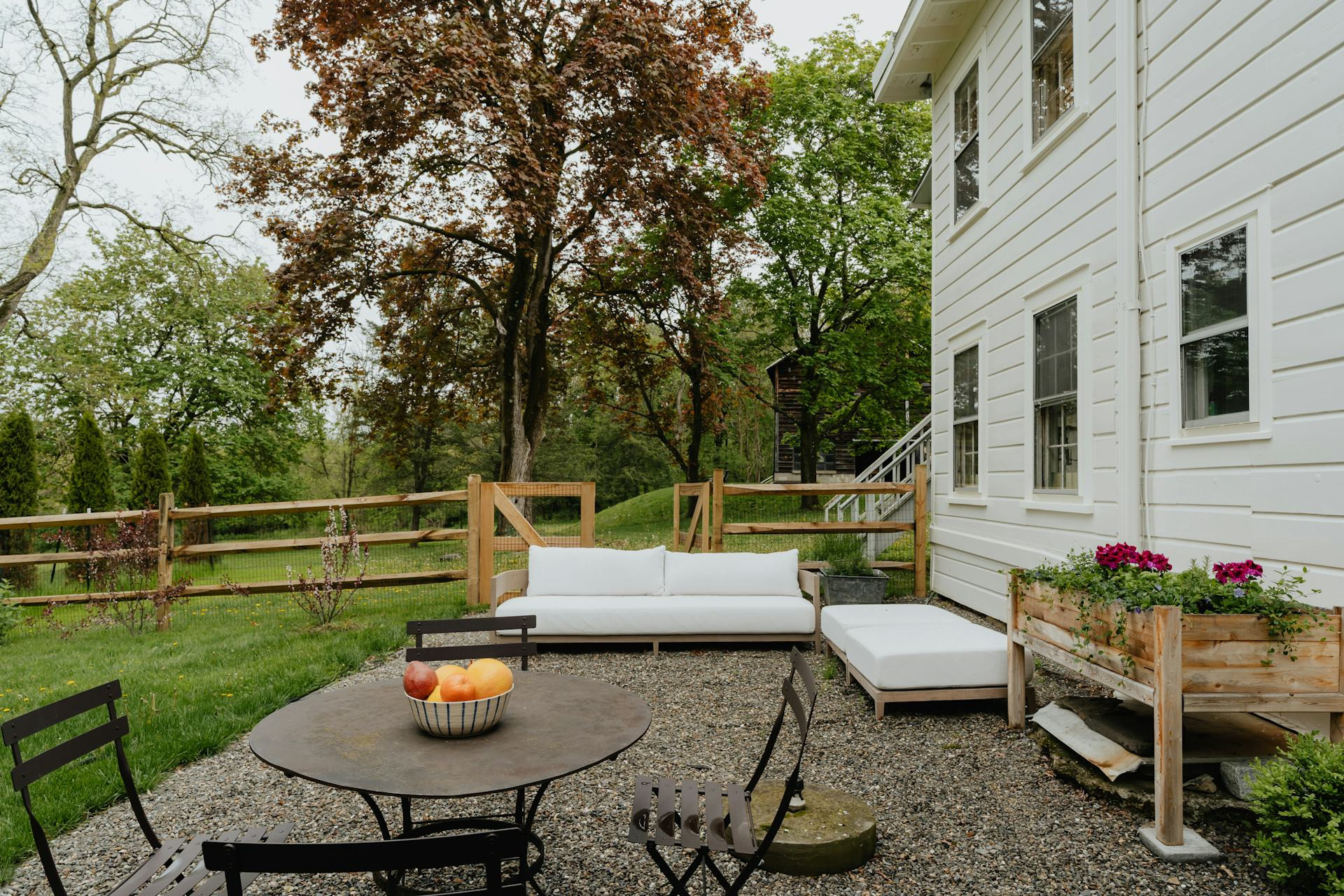
When night falls, your garden transforms. The shapes, colors, and textures you know from daylight take on a new character when illuminated the right way. With thoughtful placement of outdoor lights, you can not only create atmosphere but also emphasize the garden’s structure—its paths, beds, trees, and architectural features. Here’s how to plan your lighting so your outdoor space feels both beautiful and functional all year long.
Think in Layers – Just Like in Daylight
Successful garden lighting is about creating depth. In daylight, we experience the garden in layers—foreground, middle ground, and background—and the same principle applies when planning your lighting.
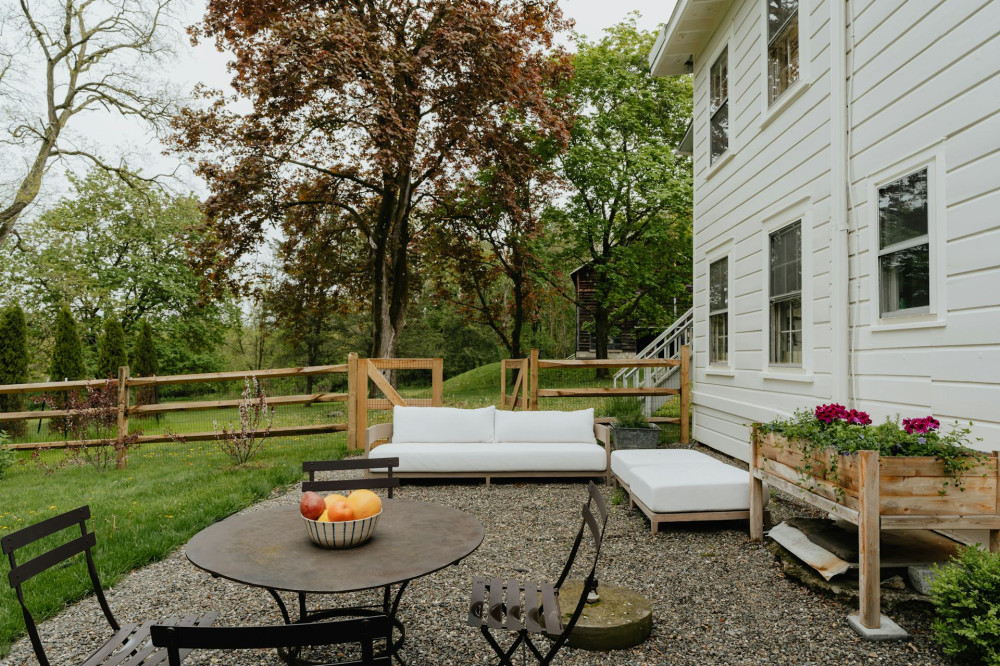
- The foreground might be your patio, deck, or entryway, where you need clear, functional light.
- The middle ground could include flower beds, shrubs, or small trees that benefit from a soft, diffused glow to create mood.
- The background might be a fence, wall, or large tree that gets a subtle spotlight to form a visual boundary.
By distributing light in layers, you avoid a flat, washed-out look. Instead, your garden gains a sense of depth and cohesion—even after sunset.
Highlight the Garden’s Structure
Lighting can be a design tool that underlines the lines and form of your garden. A row of low path lights can guide the eye and make it safe to walk at night. A spotlight aimed at a tree trunk emphasizes height and texture. A discreet light under a bench or step can add a floating, elegant effect.
Decide what you want to draw attention to—and what can stay in the shadows. A single illuminated tree can be far more striking than a scattering of small lights. Use light with intention, like brushstrokes on a canvas, not floodlights on a stage.
Choose the Right Type of Light
Outdoor lighting comes in many forms, each with its own purpose:
- Path lights and bollards provide orientation and safety.
- Spotlights highlight features such as trees, sculptures, or facades.
- Wall lights work well near doors, patios, and garages.
- Recessed lights in steps or paving create a modern, understated look.
- Lanterns and solar lights add flexible, movable accents for atmosphere.
Opt for warm white light (around 2700–3000 Kelvin) to create a natural, inviting glow. Cooler light can feel harsh and diminish the cozy ambiance you’re aiming for.
Avoid Light Pollution
One of the most common mistakes in garden lighting is using too much light. Excessive brightness can cause glare, disrupt night vision, and spoil the beauty of darkness. Aim lights downward or toward the object you want to illuminate—never straight out into the yard or toward your neighbor’s property.
Consider using motion sensors or timers so lights are only on when needed. This saves energy and makes your garden more sustainable. Solar-powered fixtures are also great for smaller areas—they require no wiring and turn on automatically at dusk.
Create Atmosphere Year-Round
While many people associate outdoor lighting with summer evenings, it can be just as valuable in winter. A softly lit tree covered in frost, a lantern by the front steps, or a warm glow in a greenhouse can make the darker months more inviting.
Place lights where they can also be enjoyed from inside your home. A beautifully lit bed or tree outside a window adds depth and visual interest, even when you’re curled up on the couch with a cup of coffee.
Læs også:

Plan Before You Dig
Before you start installing, sketch a plan of your yard and mark where you want light. Think about both function and aesthetics—where do you need visibility, and where do you want to create atmosphere?
If you’re running electrical cables, always follow local codes for outdoor installations and consider hiring a licensed electrician. It ensures safety and durability for years to come.
Light as Part of the Whole
When placed thoughtfully, lights become a natural part of your garden’s design. They emphasize structure, highlight materials, and create harmony between house and landscape. The goal isn’t to illuminate everything—but to choose the right places where light and shadow meet beautifully.
Læs også: