The Hobby Room as a Launchpad for Children’s Passions

The Hobby Room as a Launchpad for Children’s Passions
A hobby room can be much more than a place where kids paint, glue, or tinker with craft supplies. It can become a space where curiosity, creativity, and confidence take root. In a time when screens and structured activities dominate children’s schedules, a dedicated space for hands-on exploration can be the key to discovering new interests—and maybe even lifelong passions.
A Space for Free Exploration
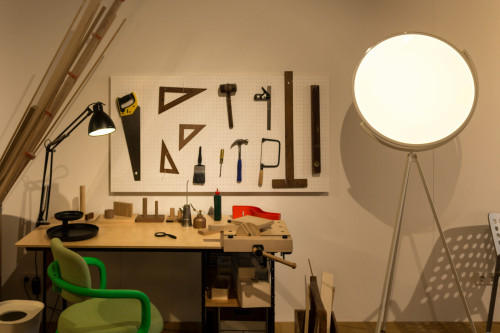
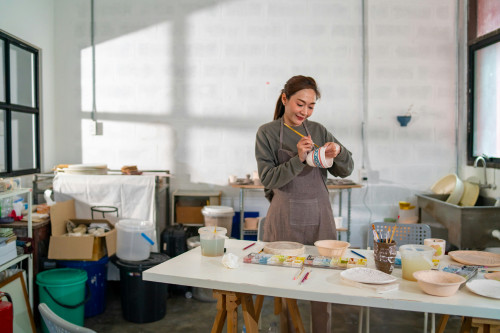
When children have a place where they can experiment without strict rules, something special happens. A hobby room gives them the freedom to try, fail, and learn—without fear of judgment. It doesn’t have to be a full room; it could be a corner of the basement, a section of the garage, or simply a table stocked with materials that are always available.
The most important thing is that the space signals freedom. Here, kids can color outside the lines, build lopsided structures, and ask questions that don’t have a single right answer. These experiences nurture independent thinking and help children find joy in the process rather than the outcome.
Creating an Inspiring Environment
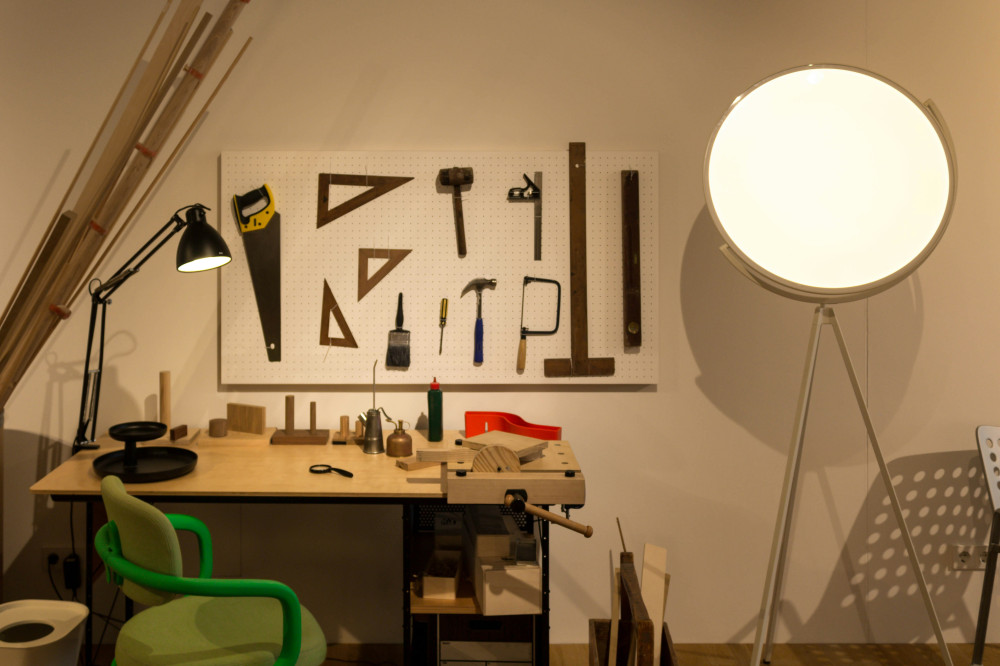
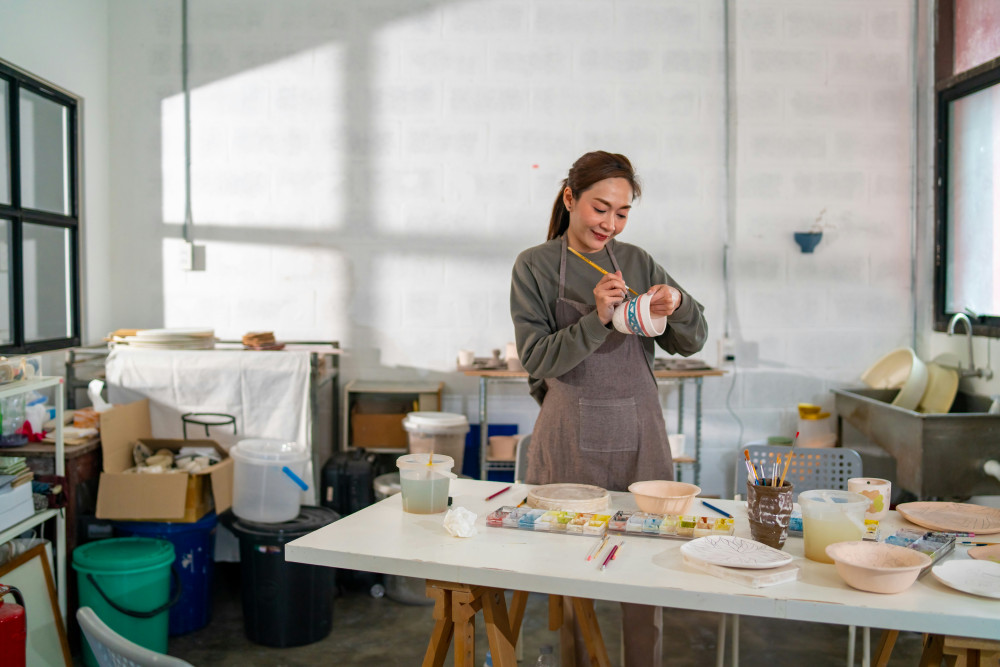
A great hobby room doesn’t have to be expensive or elaborate. It’s about creating an environment that invites play and creativity. Consider these elements:
- Accessible materials – paints, paper, glue, recycled items, and simple tools that kids can reach and use on their own.
- Durable surfaces – a table that can handle spills and messes, and walls where artwork and ideas can be displayed.
- Organized storage – bins, jars, and shelves that make it easy for kids to find what they need and clean up afterward.
- Quiet corners – a spot where a child can focus and lose track of time in their own world.
When children feel ownership of their space, their sense of responsibility and motivation to create naturally grow.
Læs også:

From Play to Passion
Many passions begin as simple play. A child who builds cardboard models might one day be drawn to architecture or design. Another who experiments with circuits could discover a love for engineering. The goal isn’t to plan a career path but to nurture curiosity and the joy of discovery.
Parents can support this by asking open-ended questions instead of giving directions: “What made you think of that?” or “What do you think will happen if you try it another way?” These kinds of questions encourage reflection and help children recognize what truly excites them.
Balancing Togetherness and Independence
A hobby room can also be a place where families connect across generations. When adults join in—without taking over—it creates shared experiences that strengthen relationships. At the same time, children learn that their ideas are valued.
Some days might be filled with collaborative projects, while others are quiet moments of solo focus. Both are important. One builds connection; the other fosters concentration and self-reliance.
A Room That Grows with the Child
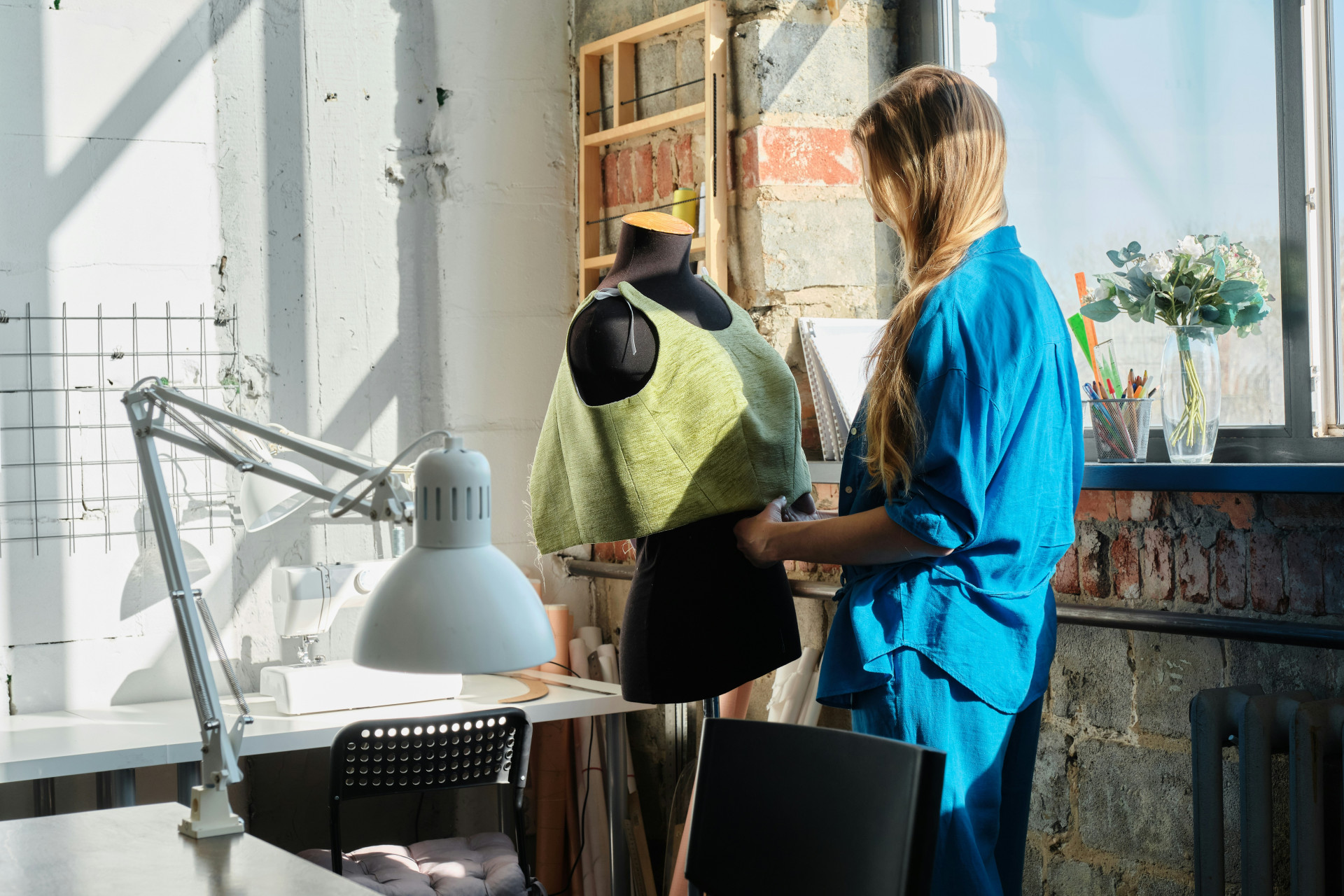
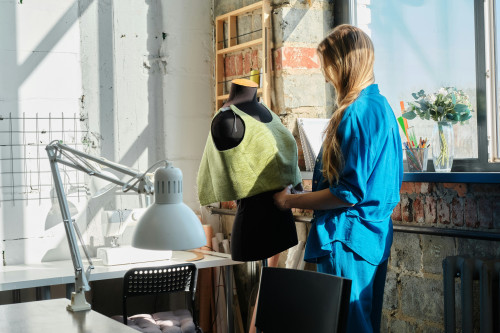
A hobby room doesn’t have to stay the same throughout childhood. In fact, it should evolve as interests change. What begins with finger paints and clay might later become a small workshop with tools, a sewing machine, or a computer for digital projects.
By allowing the space to grow with your child, you show that their interests matter. This sense of ownership can help shape a strong sense of identity and confidence.
Creativity as a Life Skill
When children are free to explore and create, they learn more than just practical skills. They develop patience, problem-solving abilities, and the capacity to think in new ways—skills that extend far beyond the hobby room. In a world that’s constantly changing, creativity is one of the most valuable traits a child can carry into adulthood.
A hobby room, then, is not just a place for fun and mess. It’s a launchpad for discovering who they are and what they love to do.
Læs også: