Keep Track of Electricity Use and Bulb Changes in Your Hobby Room

Keep Track of Electricity Use and Bulb Changes in Your Hobby Room
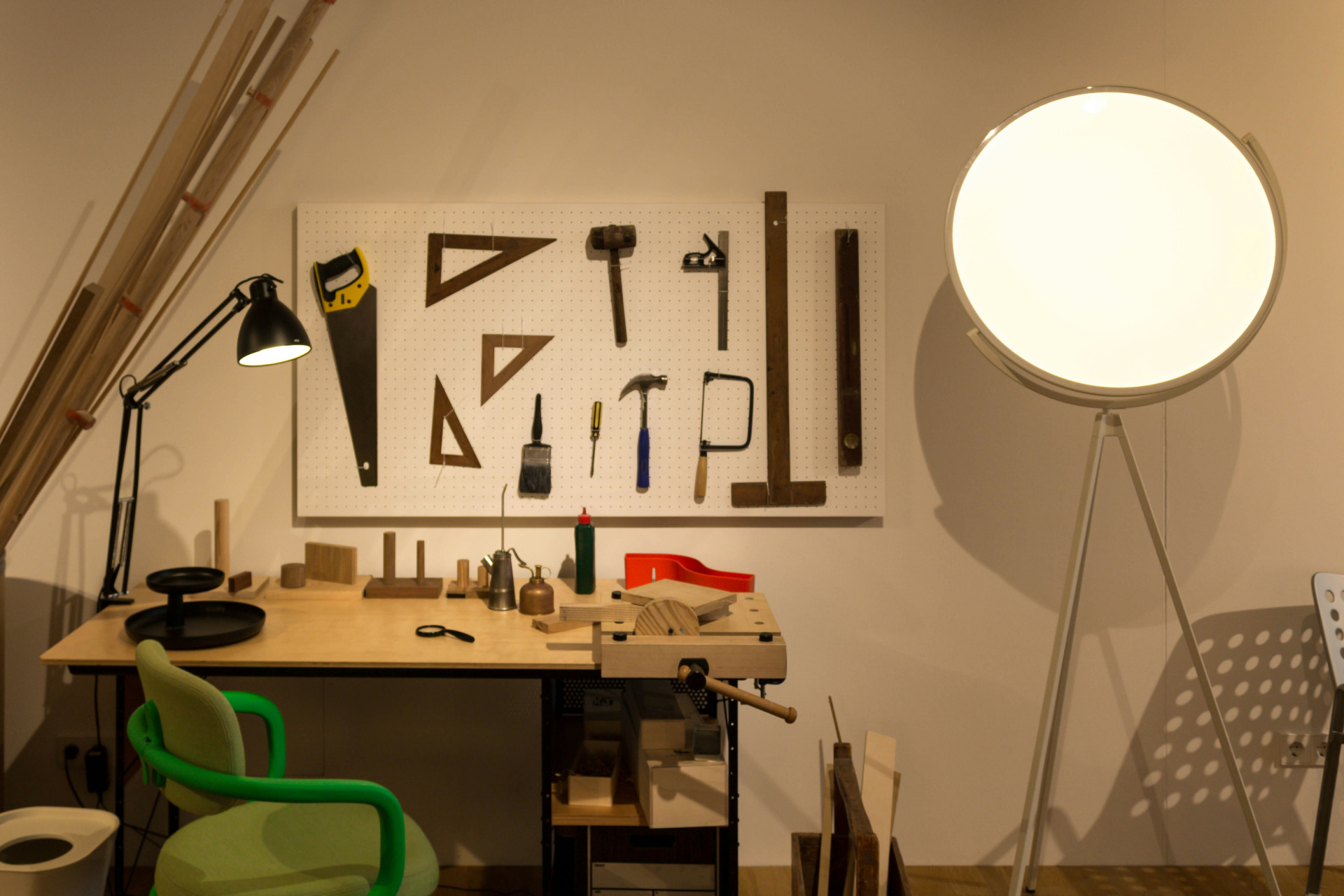
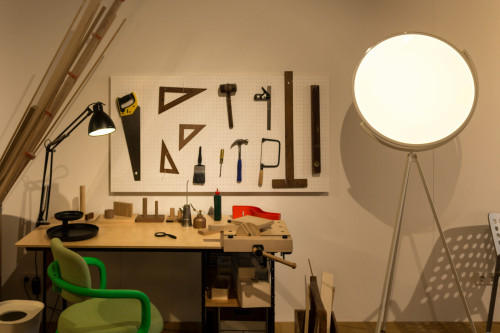
A hobby room is a personal retreat—a place for creativity, focus, and hands-on projects. But it’s also a space where electricity use can add up quickly, and where lighting plays a key role in both comfort and precision. Whether you use your hobby room for woodworking, sewing, painting, or electronics, it pays to keep an eye on both your energy use and your light bulbs. Here’s a practical guide to help you manage both.
Know Your Energy Use
The first step toward a more energy-efficient hobby room is understanding how much power you actually use. Many hobby rooms are filled with lamps, tools, chargers, and sometimes even space heaters—all of which draw electricity.
- Use an energy monitor – Plug-in power meters can show exactly how much electricity each device consumes. You might be surprised by older tools or lights.
- Make an equipment list – Note which items you use most often and which ones stay on unnecessarily. You may be able to group activities so fewer devices run at once.
- Switch to LED and energy-efficient tools – Modern LED lights and efficient motors use far less power than older models.
Once you have a clear picture of your energy use, it’s easier to spot where you can save—without sacrificing performance.
Lighting That Fits Your Work
Good lighting is essential in any hobby room. It’s not just about brightness—it’s about seeing accurately. Poor lighting can cause eye strain and make detailed work harder.
- Choose the right color temperature – For precision work like painting, electronics, or sewing, cool white light (around 4000–5000 kelvin) is best. For relaxation or general use, warmer light feels more comfortable.
- Combine overhead and task lighting – A bright ceiling light provides general visibility, while an adjustable desk lamp ensures accuracy for close-up work.
- Avoid shadows and glare – Position lights so they shine from the side or above, and use matte shades to reduce reflections.
A dimmable light setup is a great idea—it lets you adjust brightness depending on the time of day and the task at hand.
Læs også:



Keep Track of Bulb Changes and Maintenance
Even LED bulbs don’t last forever. Over time, they lose brightness and can shift in color. That’s why it’s smart to track when you last replaced each bulb—especially if your hobby room has several fixtures.
- Label your lamps with the date of the last bulb change.
- Store spare bulbs together so you always have the right type on hand.
- Clean your fixtures regularly – Dust and dirt can reduce light output by up to 20%.
By keeping track of bulb changes, you’ll avoid sudden dark spots in the middle of a project and ensure your lighting stays consistent.
Smart Tools for Monitoring and Control
Technology makes it easier than ever to monitor and manage your lighting and energy use. Smart plugs and bulbs can measure consumption and be controlled through an app.
- Set timers – Schedule lights and tools to turn off automatically when you’re not in the room.
- Use motion sensors – Handy if you often walk in and out with your hands full.
- Track energy use – Some smart systems show real-time data, so you can see how much power your hobby room uses each week or month.
These tools can help you save energy and simplify your routine—especially if multiple people use the space.
Create a Space That Inspires—and Saves Energy
Your hobby room should be a place you enjoy spending time in. Managing energy isn’t just about saving money—it’s also about comfort and functionality. With the right lighting, a clear view of your electricity use, and a plan for maintenance, you can create a space that’s both efficient and inspiring.
Once you’ve set up a system, keeping track of your power and bulbs becomes second nature—leaving you free to focus on what really matters: your hobby.
Læs også: