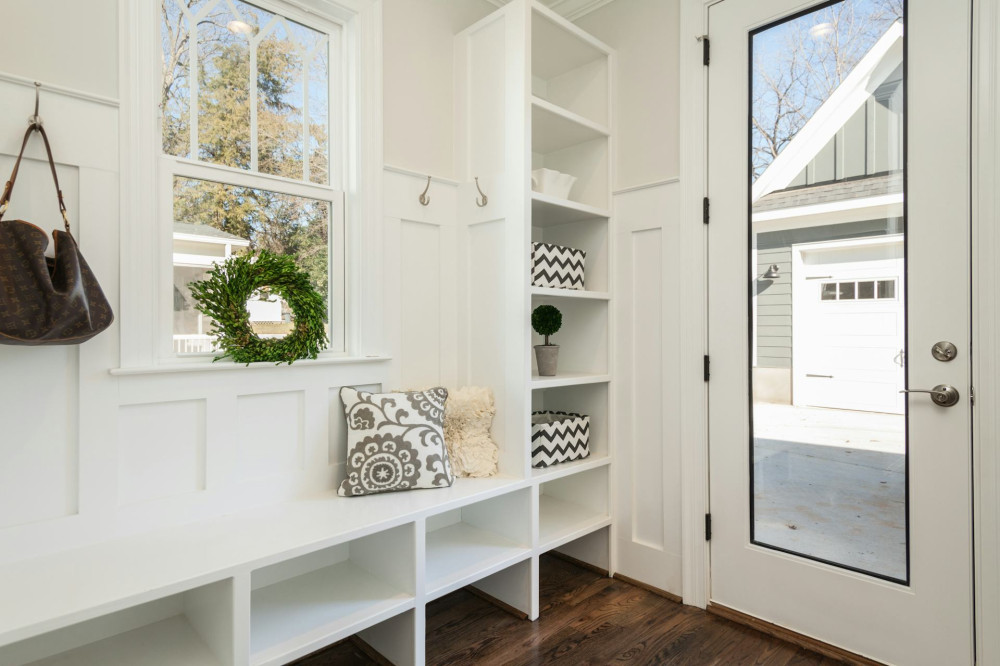
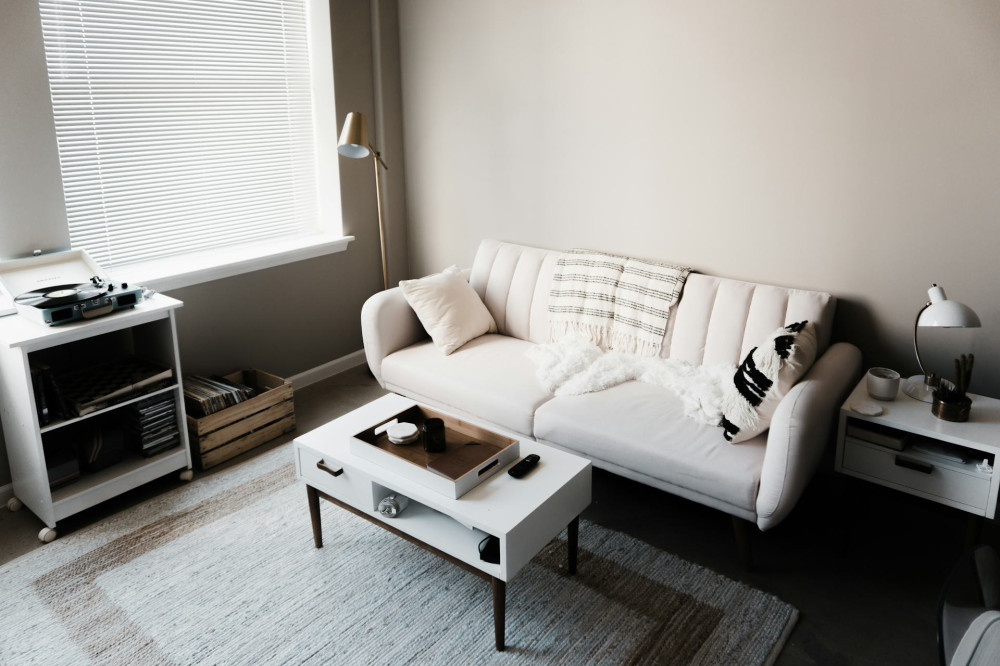
Furniture That Fosters Creativity


Furniture That Fosters Creativity
An inspiring space begins with the furniture that fills it. Whether you’re working from home, painting on weekends, or diving into a new side project, your surroundings play a major role in how ideas flow. The right furniture can spark imagination, encourage focus, and make room for both deep concentration and spontaneous bursts of inspiration. Here’s how to design a space with furniture that truly fosters creativity.
Create Flexible Spaces
Creativity rarely thrives in rigid environments. A flexible setup—where furniture can be moved, rearranged, or repurposed—gives you the freedom to think differently. Consider pieces on casters, folding tables, or lightweight shelving that can easily shift as your needs change. That way, your space can transform from a workstation to a studio or from a writing nook to a brainstorming zone in minutes.
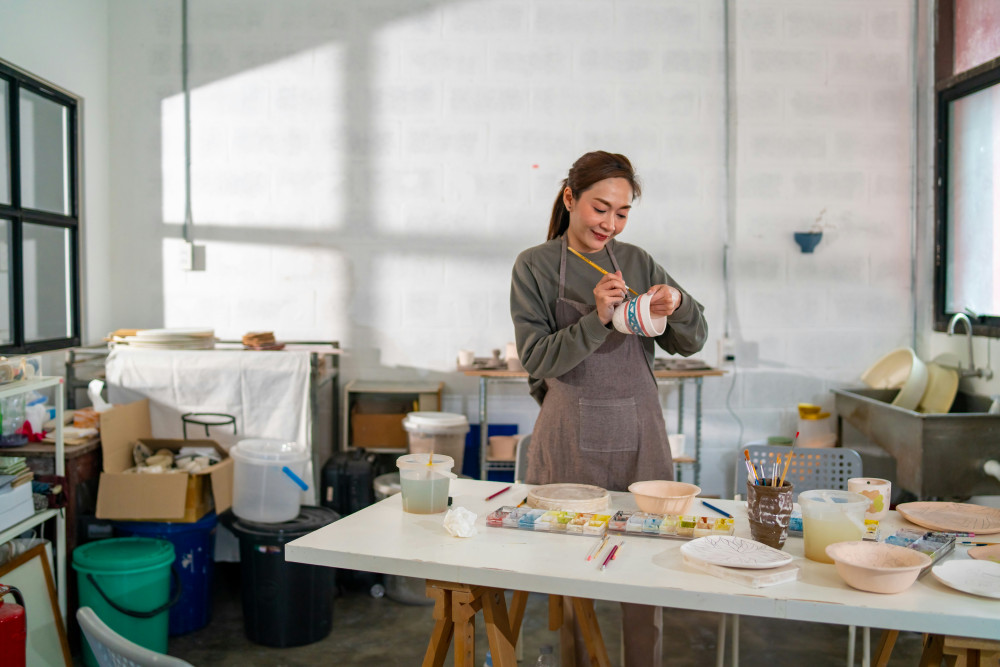
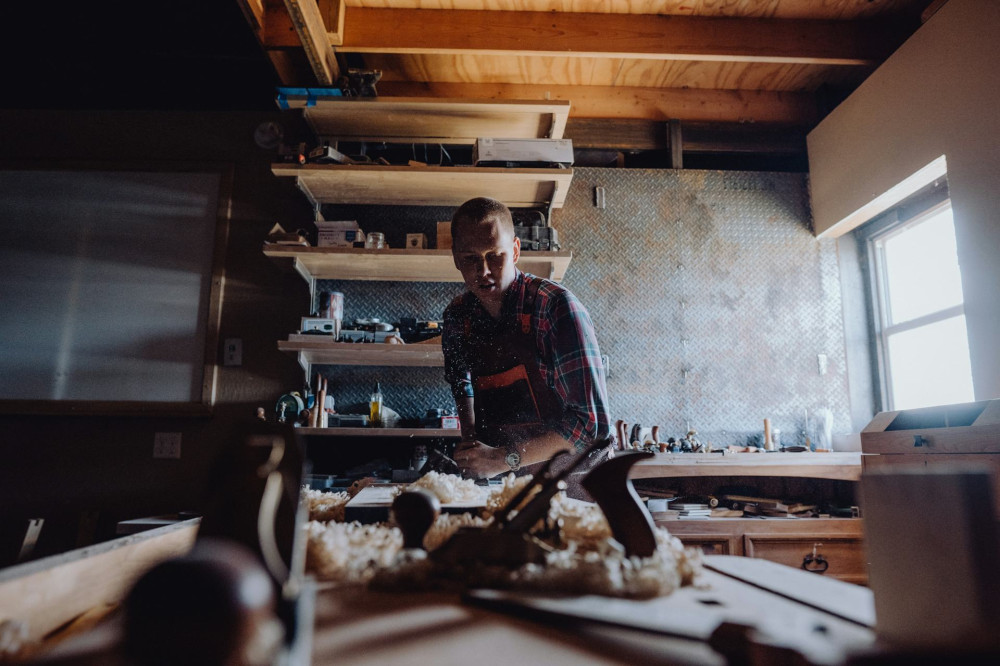
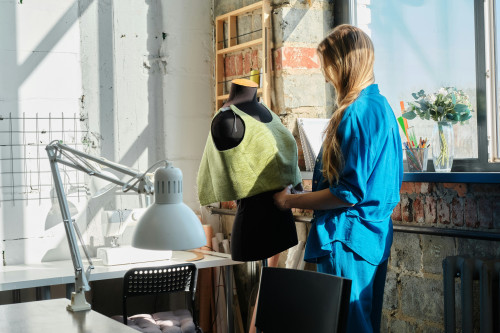
A large, sturdy table often becomes the heart of creative activity. Choose one that can handle real use—paint splatters, fabric scraps, coffee rings, and all. The goal is to have a surface that invites experimentation, not one you’re afraid to mess up.
Light and Color Shape the Mind
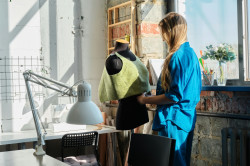
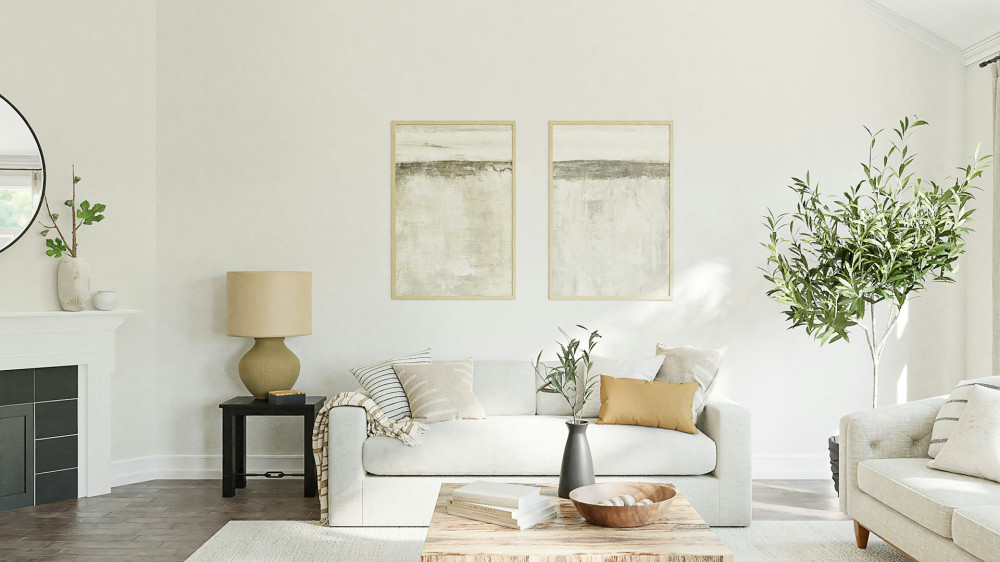
Lighting is one of the most powerful yet overlooked tools for creativity. Natural light boosts energy and focus, while softer, warmer lighting can help you unwind and reflect. Layer your lighting: combine a bright task lamp with ambient light and maybe even a color-changing bulb to shift the mood when inspiration strikes.
Color also influences how we think and feel. Blues and greens tend to calm the mind and support focus, while yellows and oranges can energize and uplift. Choose tones that match the kind of creativity you practice—and don’t be afraid to play with bold accents or unexpected combinations.
Balance Comfort and Movement
Creative work calls for both stillness and motion. A comfortable chair is essential, but that doesn’t have to mean a traditional office chair. Many creative professionals prefer to alternate between sitting, standing, and moving around. A height-adjustable desk or standing station can help keep your body active and your mind alert.
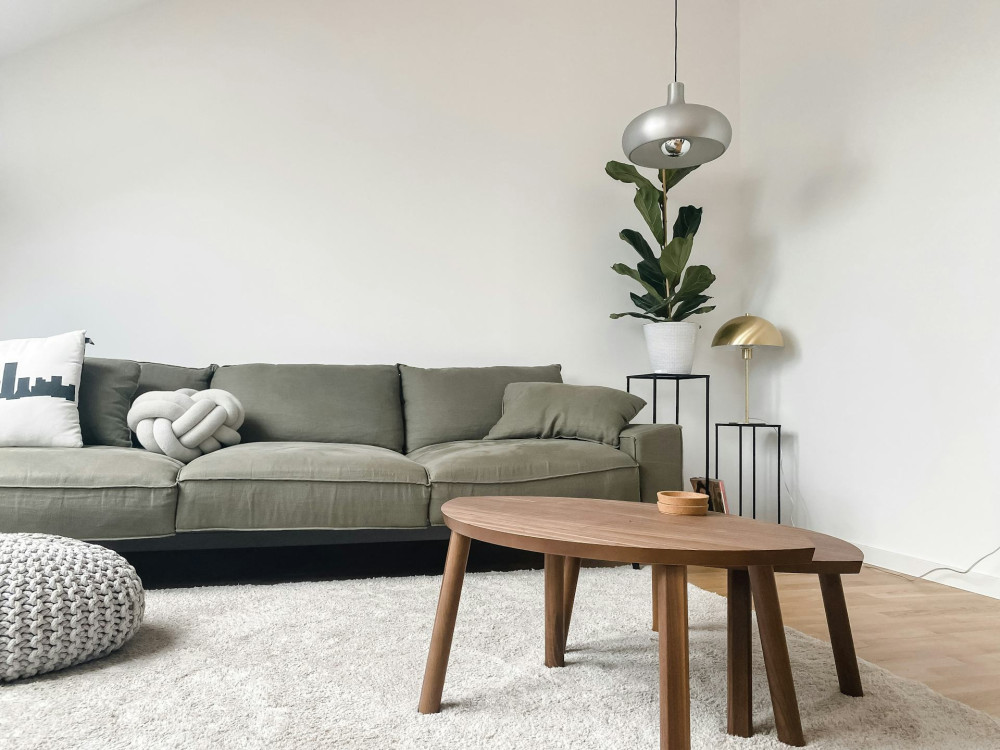
You might also experiment with alternative seating—a pouf, a rocking chair, or even an exercise ball—to encourage gentle movement while you think. The key is to find a balance between comfort and dynamism so your body and mind stay engaged.
Storage That Keeps You Inspired
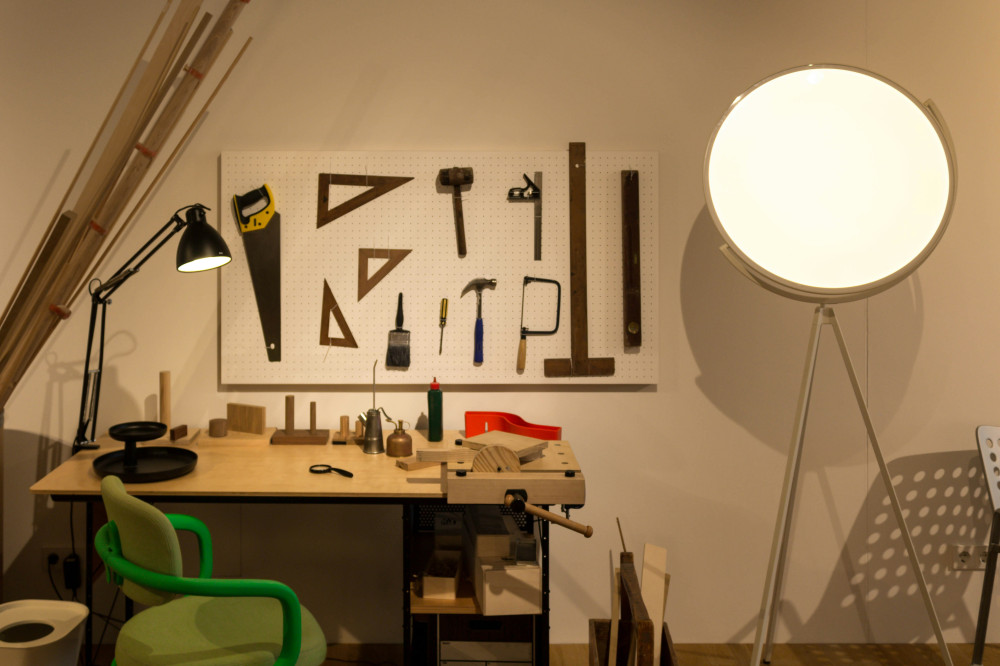
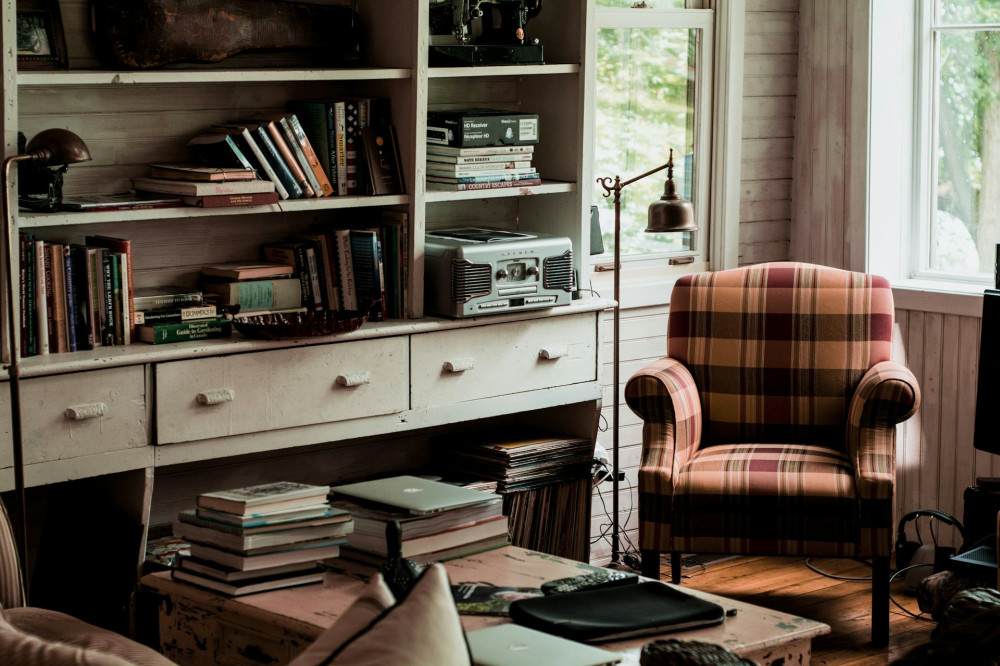
Clutter can stifle creativity, but too much tidiness can make a space feel sterile. The best approach is storage that keeps materials visible and accessible without overwhelming the room. Open shelving, clear bins, and pegboards make it easy to see your tools and ideas, while drawers and cabinets can hide what you don’t need every day.
Try organizing your storage by project rather than by category. That way, you can grab everything you need for a specific idea in one go—and keep track of your progress more easily.
Læs også:

Furniture That Inspires on Its Own
Some pieces of furniture can be sources of inspiration themselves. A vintage drafting table, a chair made from reclaimed wood, or a bookshelf with an unusual shape can spark curiosity and give your space character. It’s not about filling the room with designer pieces—it’s about choosing furniture that tells a story and invites creativity.
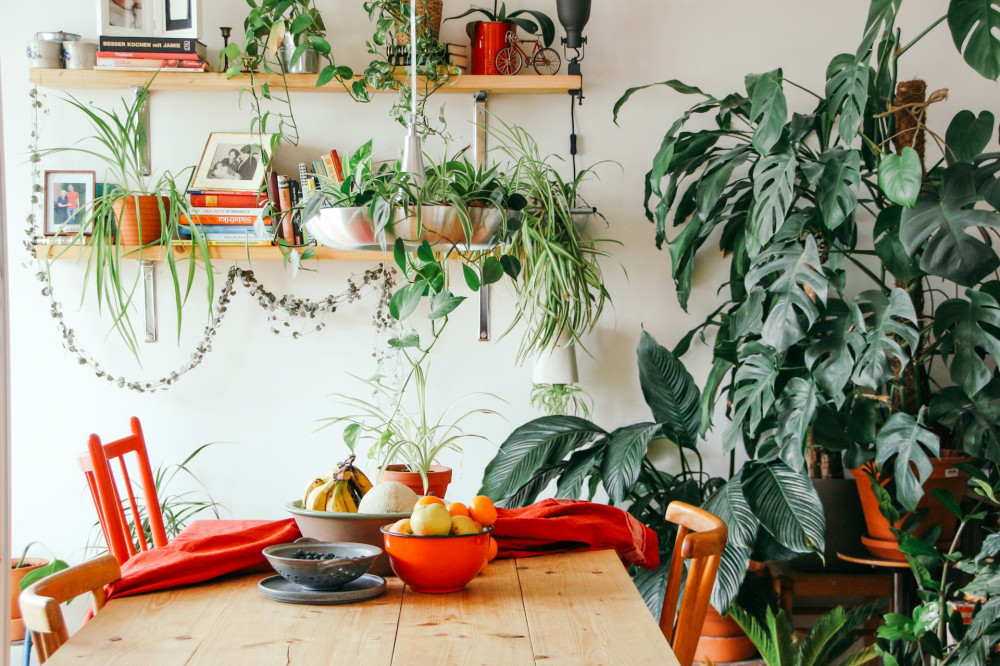
Plants, textiles, and small details like pinboards, sketchbooks, or tool racks can also help create an atmosphere where ideas grow naturally.
Make It Personal
The most creative spaces are the ones that feel personal. Whether you’re composing music, crafting, or writing, your furniture should reflect who you are. Display artwork that moves you, use colors that make you happy, and let your projects be visible. A personal touch brings warmth and authenticity—and it’s in that kind of living, breathing space that creativity truly thrives.
Læs også: