Modular systems that can be moved and reused

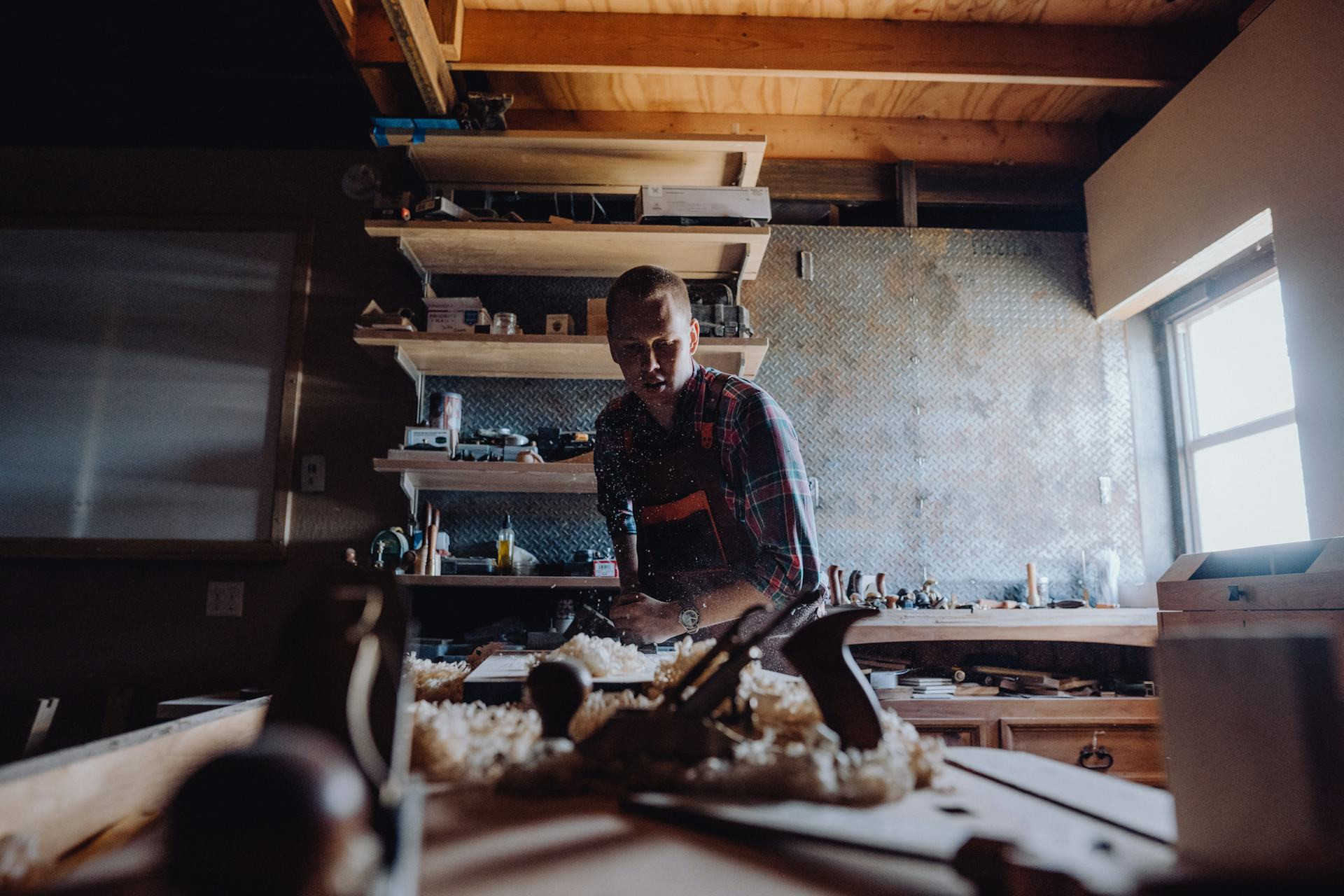
Build smarter with flexible structures that adapt to changing needs
Handicrafts
Handicrafts
3 min
Discover how modular systems make construction more sustainable and versatile. From homes and offices to exhibitions and workshops, modular design offers movable, reusable solutions that reduce waste and redefine how we think about space and ownership.
Nolan Evans
Nolan
Evans

Modular systems that can be moved and reused

Build smarter with flexible structures that adapt to changing needs
Handicrafts
Handicrafts
3 min
Discover how modular systems make construction more sustainable and versatile. From homes and offices to exhibitions and workshops, modular design offers movable, reusable solutions that reduce waste and redefine how we think about space and ownership.
Nolan Evans
Nolan
Evans

In a time when sustainability, flexibility, and resource awareness are more important than ever, modular systems are emerging as a practical and eco-friendly solution. Whether used for homes, offices, workshops, or exhibition spaces, modular construction allows us to rethink how we build and furnish — with elements that can be moved, adapted, and reused again and again.

What does it mean for a system to be modular?

A modular system is made up of standardized units — modules — that can be combined in different ways. These modules might be walls, floors, ceilings, furniture, or entire rooms designed to fit together like building blocks. The advantage is that you can expand, reduce, or reconfigure the system without starting from scratch.

In practice, this means an office can move to a new building without losing its layout, or a workshop can grow as needs change. The modular principle makes it possible to think of construction as something dynamic rather than static.

Flexibility for everyday life

One of the greatest benefits of modular systems is flexibility. Instead of being tied to a single solution, you can adapt to changing needs — both at home and at work.

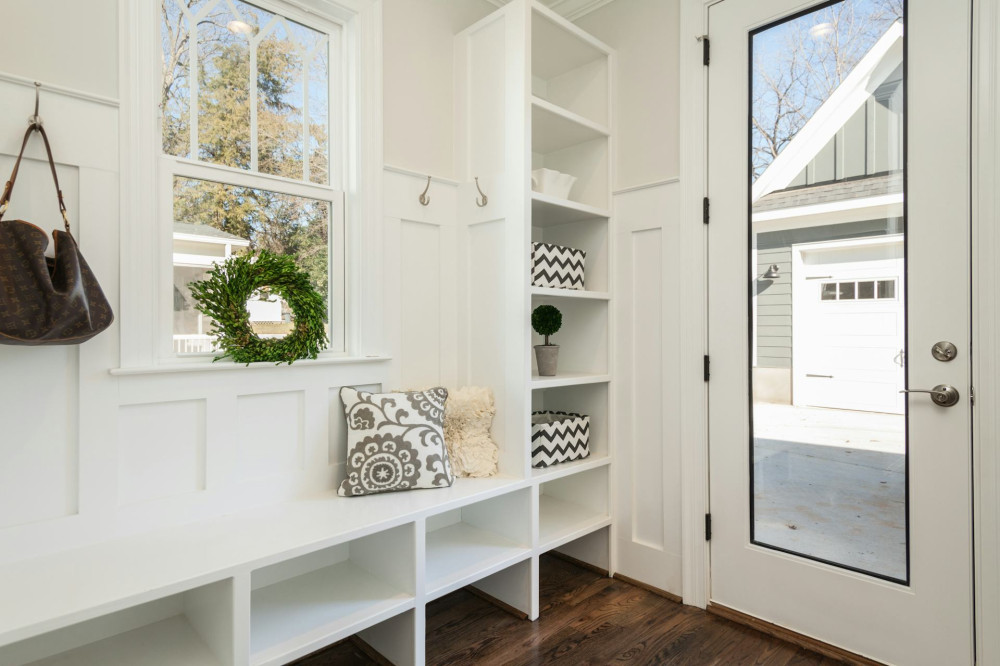
  • At home, modular shelving, partitions, and storage systems can be rearranged as families grow or as rooms take on new purposes.
  • In business, offices, labs, and showrooms can be quickly restructured when organizations evolve.
  • For temporary projects — such as festivals, construction sites, or pop-up stores — modules can be easily transported, assembled, and disassembled.

This flexibility makes modular systems a long-term investment that outlasts traditional solutions.

Reuse and sustainability

Modular systems fit perfectly into the circular economy. When components can be taken apart and reused, both waste and resource consumption are reduced. Instead of demolishing and rebuilding, existing modules can be repurposed in new contexts.

Many manufacturers now use materials that are easy to recycle — such as aluminum, steel, and sustainably sourced wood. At the same time, designs are becoming more refined, allowing assembly and disassembly without damaging the parts.

This means a modular system is not only practical but also an active choice for the environment.

Real-world examples

Across the United States, modular principles are being adopted in a variety of industries:

  • Construction: Movable housing units and portable offices are increasingly used for students, disaster relief, or temporary workspaces.
  • Events and exhibitions: Modular booths can be reused year after year, simply updated with new colors or graphics.
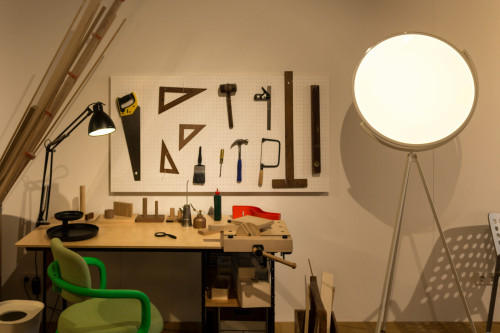
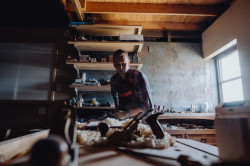
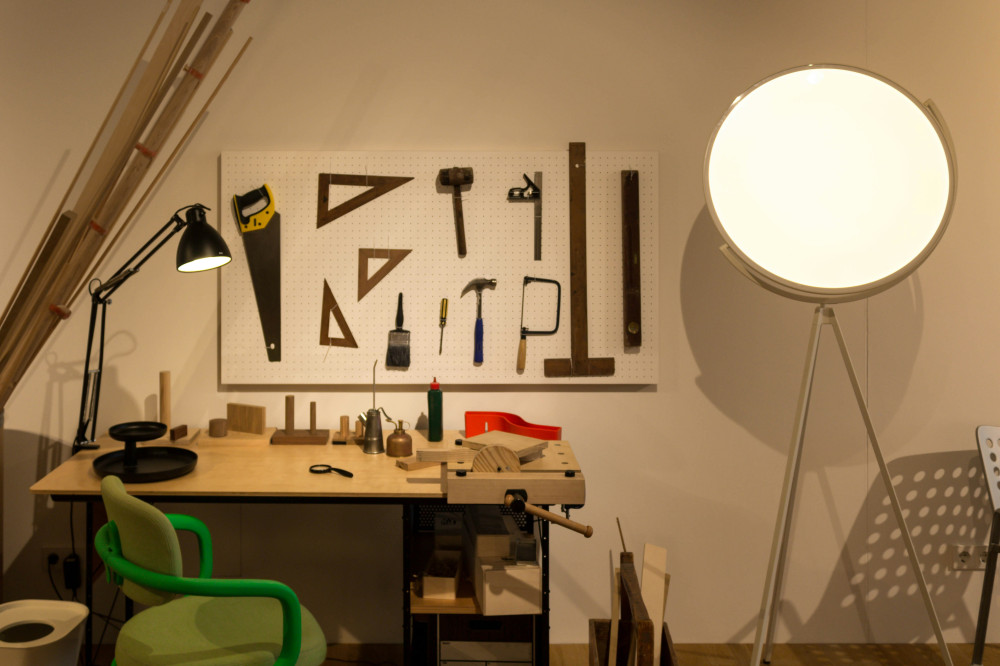
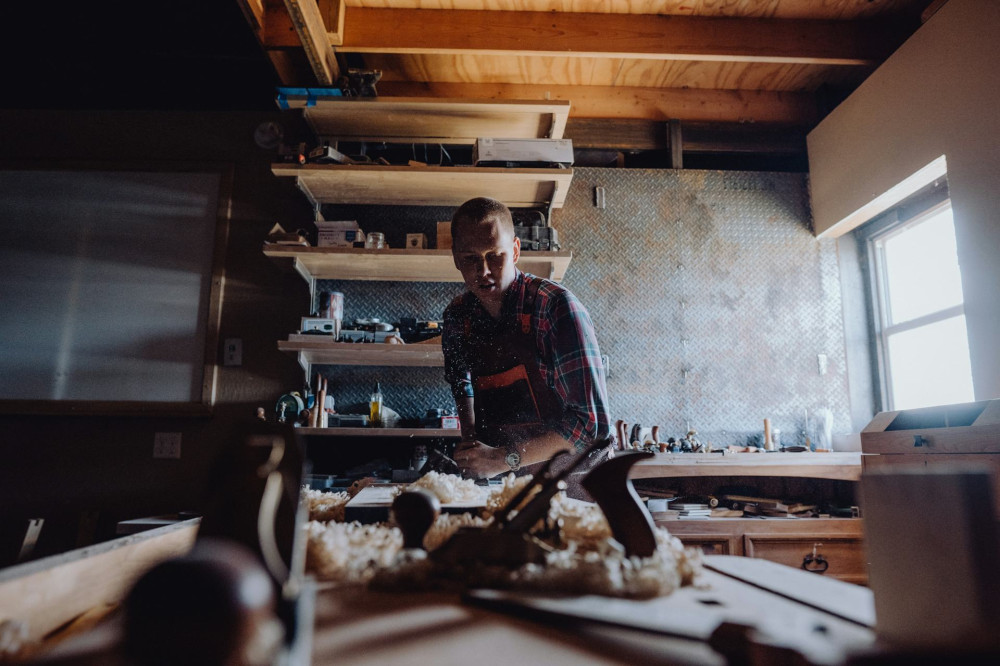
  • Workshops and maker spaces: Standardized shelving and workbench systems make it easy to expand or reconfigure as new projects arise.

What all these examples share is a desire to create solutions that last longer and are used more intelligently.

Designing for the future

Designing modular systems is not only about functionality but also about aesthetics and user experience. A well-designed modular system should be intuitive to assemble, durable in use, and visually appealing — even when moved or reconfigured.

That’s why architects and designers increasingly collaborate to create systems that are both technically flexible and visually cohesive. This approach encourages users to take ownership and use the systems creatively.

A new way to think about ownership

Modular systems also challenge how we think about ownership. Instead of buying something that only fits one space, you invest in something that can move and evolve with you. It can be relocated, adapted, and given new life in new settings.

This mindset aligns with a growing desire to live more consciously — with fewer, better things that can be used again and again.

The future of building is modular

Whether for homes, offices, or creative spaces, the trend is clear: more flexibility, less waste, and a stronger focus on reuse. Modular systems are not just a passing trend but a step toward a more sustainable and adaptable future.

When we build with change in mind, we also build with responsibility — for both people and the planet.

The Hobby Room as a Launchpad for Children’s Passions
Turn a simple hobby room into a space where creativity and confidence can flourish
Handicrafts
Handicrafts
Children
Creativity
Parenting
Home Design
Learning
7 min
Discover how a dedicated hobby room can spark children’s curiosity and help them explore their interests freely. Learn how to design an inspiring environment that nurtures imagination, independence, and lifelong passions.
Ruby Reyes
Ruby
Reyes
Furniture That Fosters Creativity
Design a workspace that fuels imagination and productivity
Handicrafts
Handicrafts
Creative Spaces
Interior Design
Home Office
Furniture
Inspiration
6 min
Discover how the right furniture choices can transform any room into a hub of creativity. From flexible layouts to inspiring colors and smart storage, learn how to shape an environment that supports focus, comfort, and innovative thinking.
Braxton Robinson
Braxton
Robinson
Modular systems that can be moved and reused
Build smarter with flexible structures that adapt to changing needs
Handicrafts
Handicrafts
Modular Design
Sustainable Building
Architecture
Flexibility
Reuse
3 min
Discover how modular systems make construction more sustainable and versatile. From homes and offices to exhibitions and workshops, modular design offers movable, reusable solutions that reduce waste and redefine how we think about space and ownership.
Nolan Evans
Nolan
Evans
Light and Life: How Lighting Affects Our Mood and Perception of Space
Discover how the right lighting can transform your mood, health, and sense of space
Trend
Trend
Lighting
Interior Design
Well-Being
Mood
Home Decor
7 min
Light influences more than what we see—it shapes how we feel and interact with our surroundings. Learn how different types of lighting, from natural daylight to layered indoor solutions, can enhance well-being, boost energy, and create harmony in your home or workspace.
Christian Richardson
Christian
Richardson
Make Your Home Personal with Books, Photos, and Memories
Turn your living space into a reflection of your life and personality
Trend
Trend
Home Decor
Personal Style
Interior Design
Memories
Inspiration
7 min
Discover how books, photos, and cherished memories can transform your house into a truly personal home. Learn to balance style and sentiment to create a space that tells your story and feels uniquely yours.
Kinsley Lee
Kinsley
Lee
Home design that makes everyday life easier and more comfortable
Thoughtful design ideas for a home that supports your daily life
Trend
Trend
Home Design
Interior Inspiration
Smart Living
Comfort
Everyday Life
5 min
Discover how smart design choices can make your home more functional, relaxing, and enjoyable. From lighting and storage to natural materials and technology, learn how to create a space that truly works for you.
Ruby Reyes
Ruby
Reyes
Home Style as a Reflection of Your Personality
Discover how your home’s design choices reveal your unique character and lifestyle
Trend
Trend
Interior Design
Home Decor
Personal Style
Lifestyle
Psychology of Color
4 min
Your home is more than just a place to live—it’s a reflection of who you are. From color palettes to furniture arrangements, every detail tells a story about your personality, values, and way of life. Learn how to express yourself through your home style and create a space that truly feels like you.
Braxton Robinson
Braxton
Robinson
Balance Between Function and Aesthetics – The Key to a Harmonious Home
Discover how to create a home that is both beautiful and practical
Trend
Trend
Interior Design
Home Decor
Functionality
Aesthetics
Lifestyle
3 min
Learn how to strike the perfect balance between function and aesthetics in your home. Explore how thoughtful design choices can make your space not only visually appealing but also comfortable, efficient, and uniquely yours.
Nolan Evans
Nolan
Evans