The Family Kitchen: Planning with a Focus on Kids

The Family Kitchen: Planning with a Focus on Kids
A family kitchen is more than a place to cook—it’s the heart of the home, where conversations flow, memories are made, and kids learn about food, responsibility, and togetherness. When designing a kitchen with children in mind, it’s not just about style and function. It’s about creating a space where everyone can take part. Here’s how to plan and organize a kitchen that works for busy American families and encourages kids to join in.
Make Room for Participation
Kids love to help in the kitchen, but they need to be able to reach and see what’s going on. Think about how you can make the space more accessible for them.
- Create a kid-friendly workstation – a small table or sturdy step stool where children can mix, chop soft foods, or decorate.
- Use open shelves or low drawers for their utensils, bowls, and aprons so they can easily find what they need.
- Prioritize safety – keep sharp knives and hot surfaces out of reach, and choose durable, easy-to-clean materials that can handle spills and messes.
When kids are invited to participate, they develop coordination, curiosity, and an understanding of how meals come together. It makes everyday cooking more fun—and mealtime more meaningful.
Plan Around Daily Routines
A family kitchen has to handle both hectic mornings and relaxed evenings. Flexibility is key.
- Create zones: Divide the kitchen into areas for cooking, lunch prep, and storage so multiple people can work without bumping into each other.
- Keep essentials within reach: Store breakfast items, fruit, and water bottles in one spot so kids can grab what they need on their own.
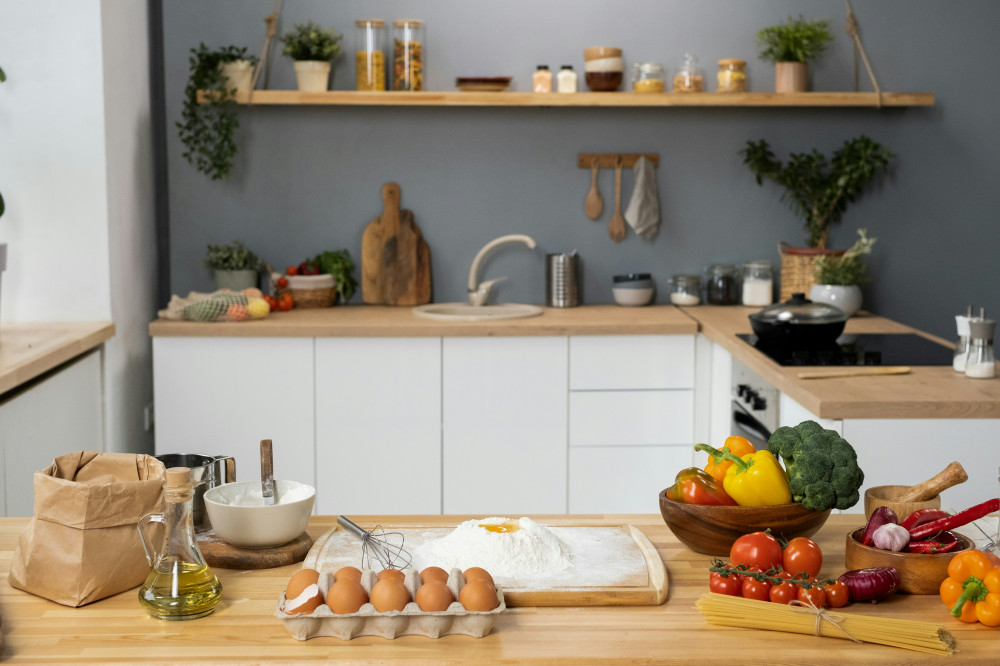
- Prep ahead: Use weekends to chop veggies, bake muffins, or prepare freezer meals. It saves time during the week and gives kids a chance to help.
When your kitchen is organized around your family’s rhythm, it’s easier to stay calm—even when the schedule is packed.
Turn Cooking into a Shared Experience
Cooking together can be both fun and educational. Kids can help at many levels—from rinsing produce to stirring a pot or setting the table.
Create small traditions that make time in the kitchen special:
- Weekly “chef night”: Let each child pick a recipe to make together.
- Taste and learn: Talk about where ingredients come from and encourage kids to try new flavors.
- Creative plating: Allow kids to decorate or arrange the food—it builds pride and makes them more eager to eat.
When children feel ownership over a meal, they’re more likely to eat a variety of foods and develop a healthy relationship with what’s on their plate.
Design for Calm and Clarity
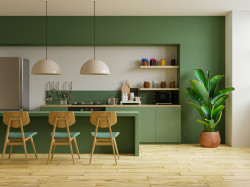
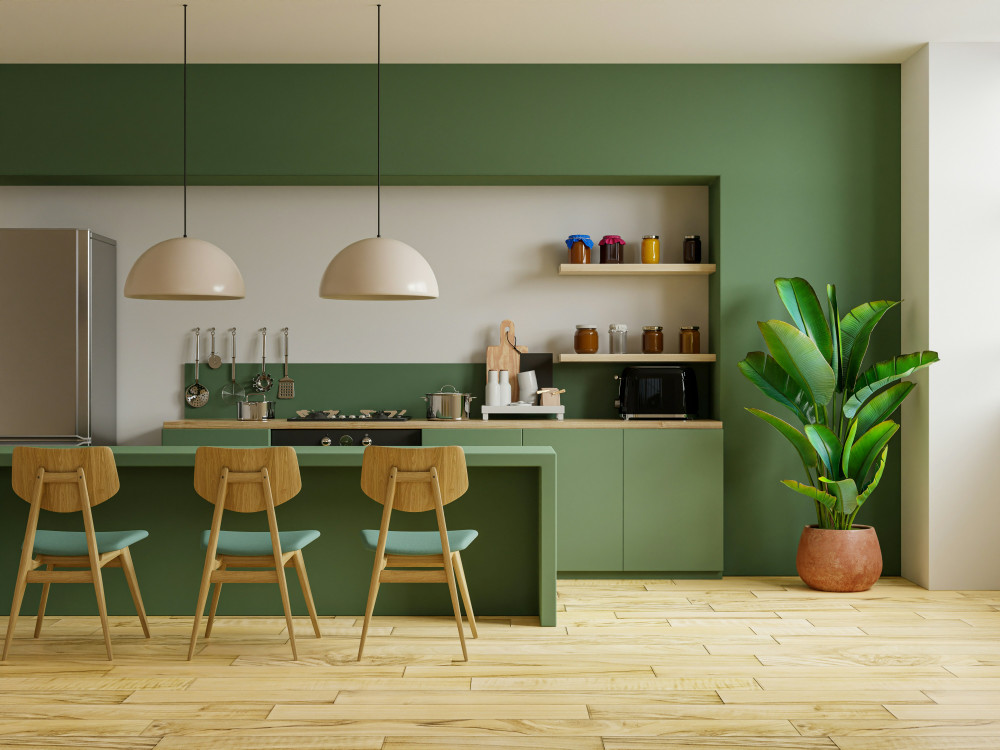
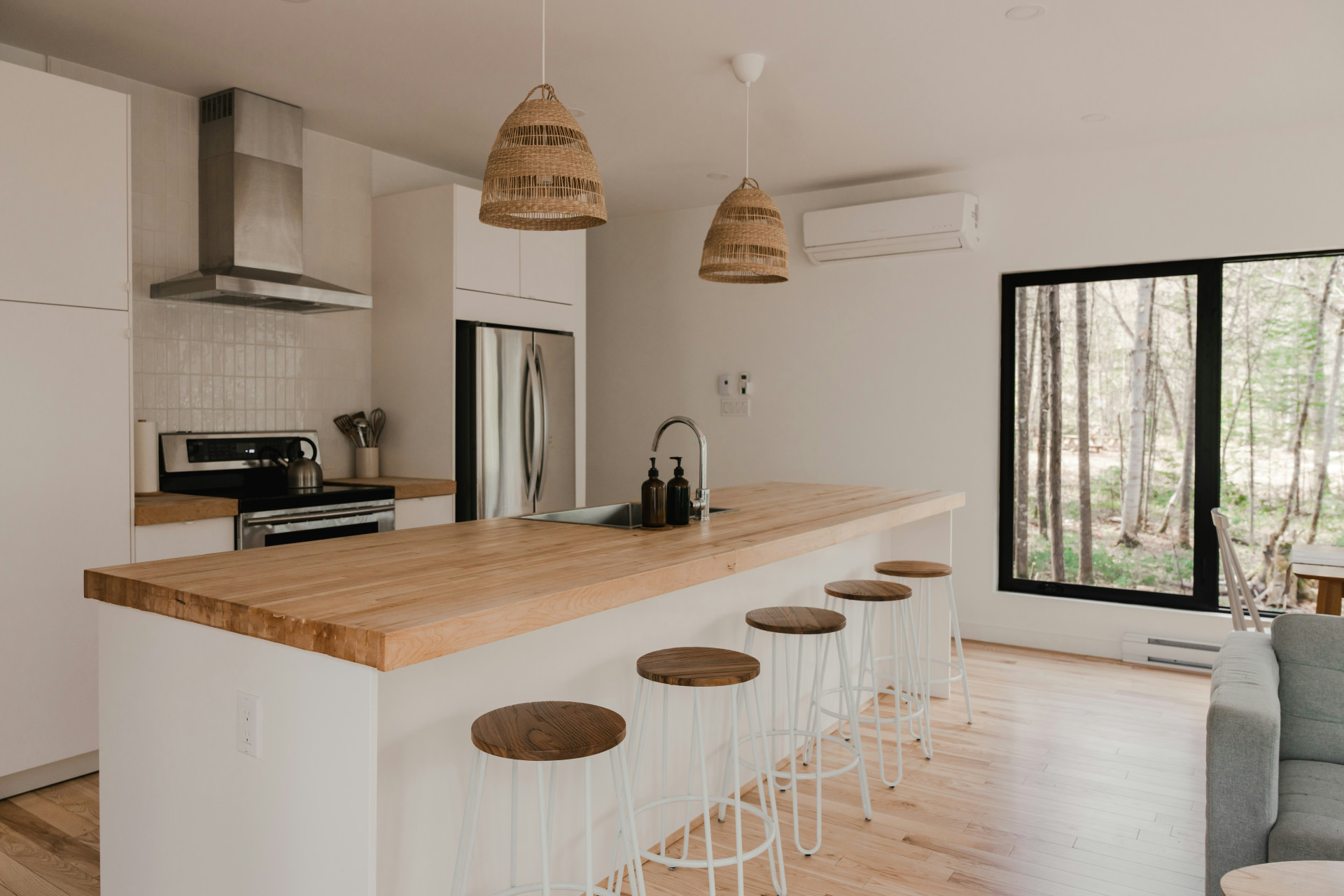
A tidy, welcoming kitchen helps kids feel comfortable and focused. Avoid cluttered countertops and choose colors and materials that create a soothing atmosphere.
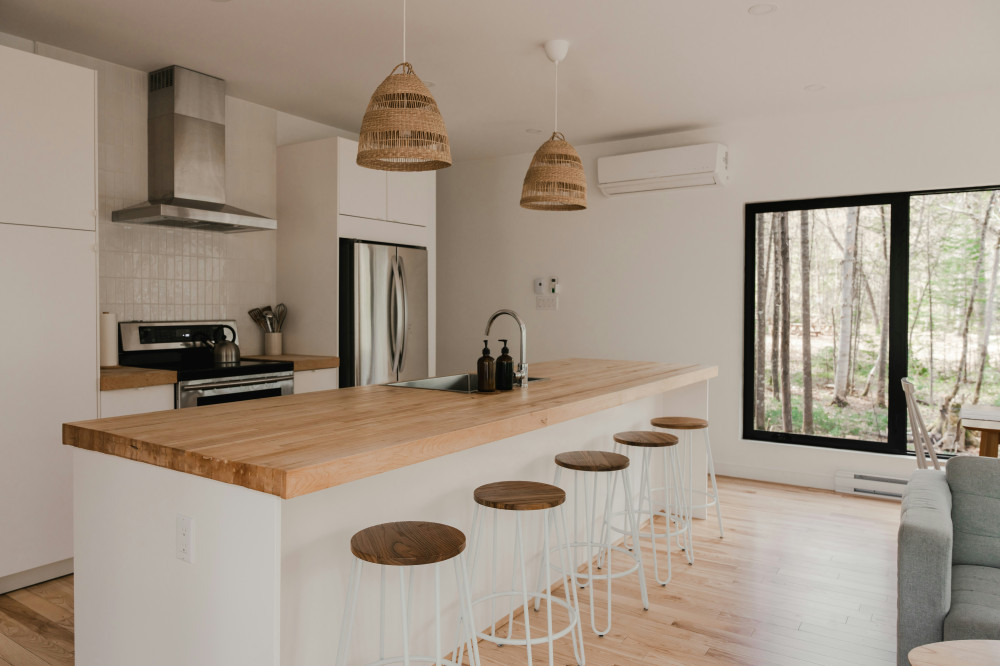
- Natural materials like wood and stone add warmth and durability.
- Soft colors and good lighting make the space inviting.
- Practical features such as full-extension drawers and soft-close cabinets make it easier for kids to find what they need.
A kitchen that feels calm and organized becomes a place where kids enjoy spending time—even when they’re not helping cook.
Teach Good Habits Early
The kitchen is the perfect place to teach kids about responsibility and sustainability. Simple tasks like clearing the table, sorting recycling, or helping plan meals give them a sense of contribution.
Talk about food waste and brainstorm ways to use leftovers—turn last night’s veggies into omelets or freeze fruit for smoothies. When kids see that their efforts matter, they become more mindful and engaged.
Læs også:
A Kitchen That Grows with the Family
As children grow, their needs change. A well-planned family kitchen can adapt over time—with movable furniture, adjustable shelving, and flexible storage solutions.
Most importantly, the kitchen should always remain a gathering place—a space that can hold the bustle of weekday mornings, the laughter of weekend baking, and the quiet moments in between. When kids feel like a natural part of the kitchen, they feel like a natural part of the family.
Læs også: