Sensory Kitchen: Use Scents and Materials Intentionally

Sensory Kitchen: Use Scents and Materials Intentionally
A kitchen is more than a place to cook. It’s a space where your senses come alive — where aromas, textures, and sounds come together to create comfort and connection. When you design or use your kitchen, think about how you can engage your senses intentionally. Doing so doesn’t just make the space more beautiful; it changes how you experience cooking and being together.
The Power of Scent
The smell of freshly brewed coffee, warm cookies, or herbs on the counter can transform a kitchen in seconds. Scents evoke memories and emotions, making the space feel more alive. Consider how you can bring natural aromas into your daily routine.
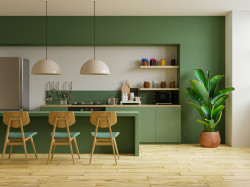
- Grow fresh herbs like basil, rosemary, or mint on a sunny windowsill — they smell wonderful, look beautiful, and are ready to use in your meals.
- Create scent zones with bowls of citrus fruit, a vase of eucalyptus, or a bundle of dried lavender.
- Skip artificial fragrances — natural aromas from food and plants create a calmer, more authentic atmosphere.
When scent becomes part of your kitchen’s identity, cooking turns into a sensory experience rather than a chore.
Materials That Speak to the Senses
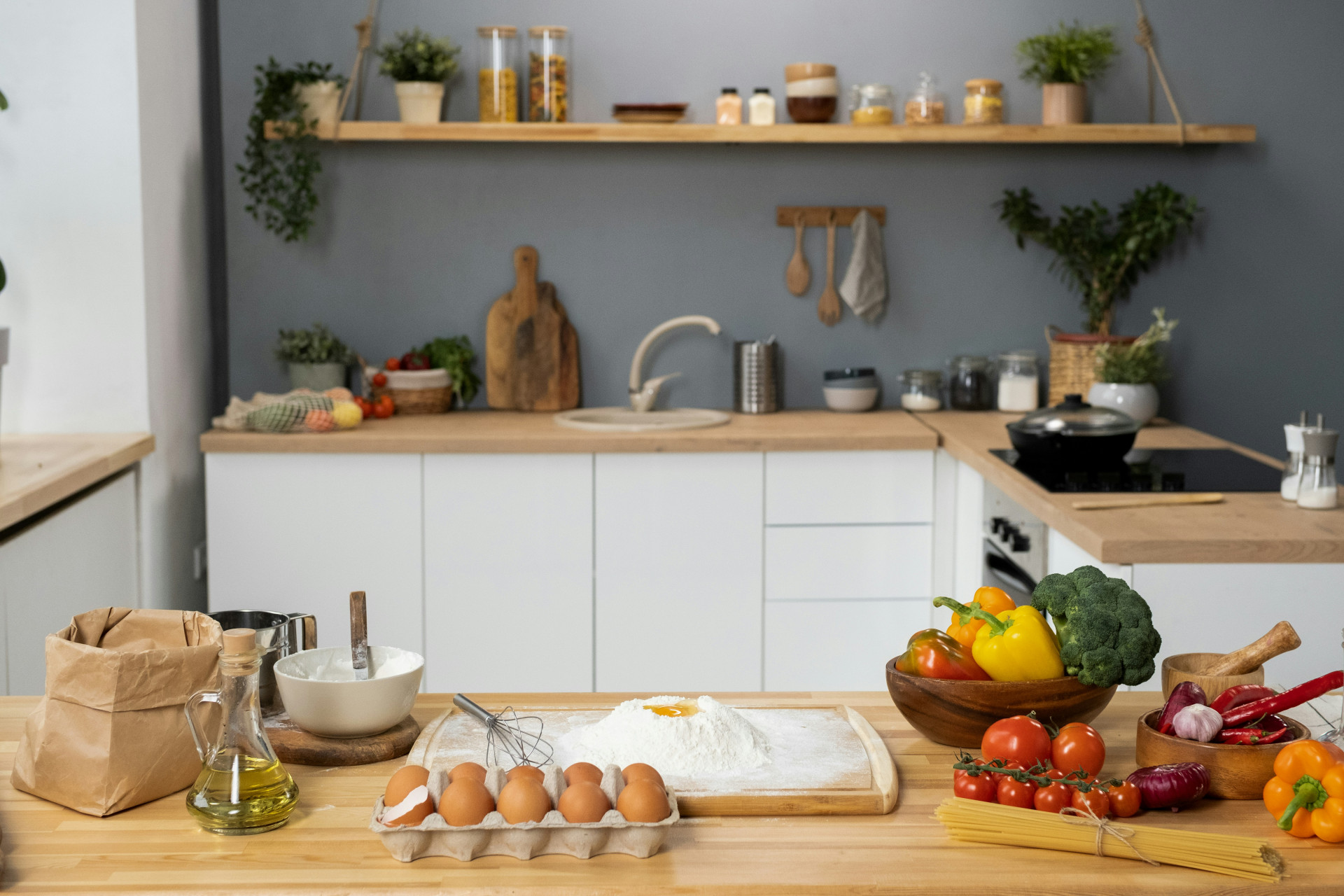
The materials in your kitchen affect not only how it looks but also how it feels to be there. Wood, stone, metal, and textiles each have their own temperature and texture. By combining them thoughtfully, you can create balance between warmth and coolness, softness and strength.
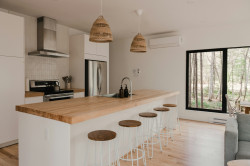
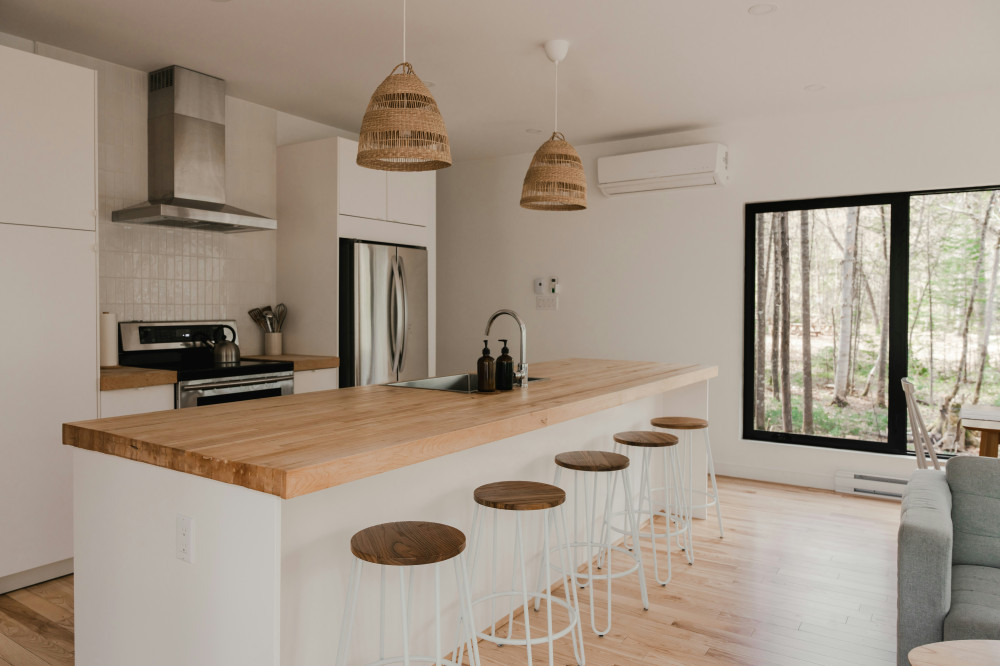
- Wood adds warmth and character. A maple cutting board or oak countertop brings a natural, timeless feel.
- Stone and ceramic add weight and authenticity — perfect for countertops, tiles, or serving bowls.
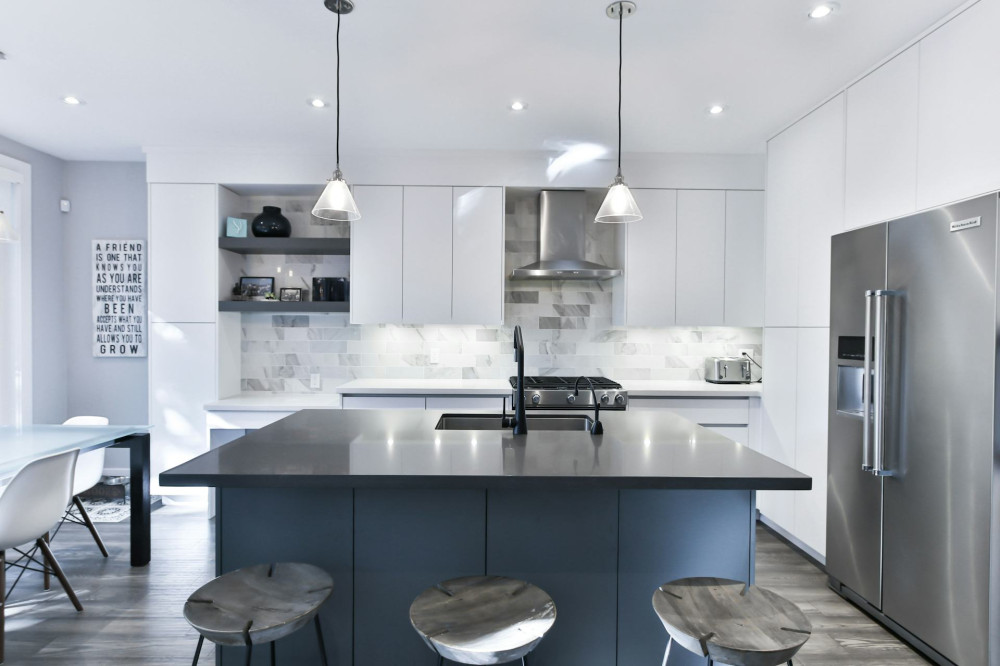
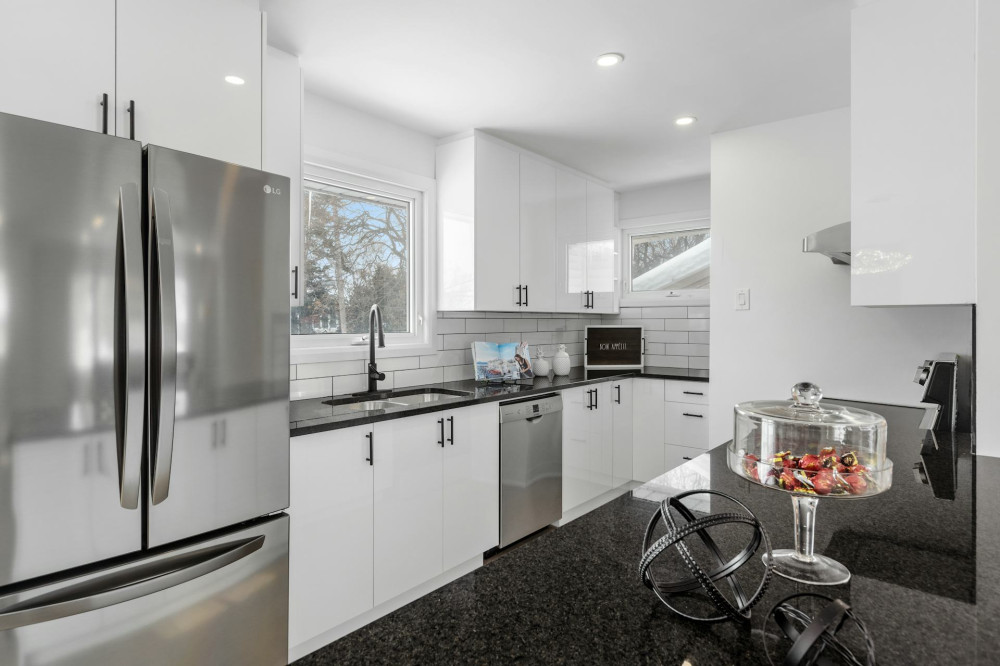
- Metal like brass or stainless steel can add a modern edge, but use it sparingly to avoid a cold atmosphere.
- Textiles — dish towels, curtains, or seat cushions — soften the space and add color and texture.
Pay attention to how materials feel under your hands as you cook. The smoothness of a bowl, the grain of a wooden spoon, or the coolness of marble can make everyday tasks more mindful and enjoyable.
Light and Sound as Mood Makers
A sensory kitchen is also about how you see and hear the space. Light and sound influence your mood and focus, and you can use them to create calm or energy as needed.
- Natural light is best — keep windows clear and use light colors that reflect daylight.
- Layer your lighting — combine overhead lights, under-cabinet lighting, and small lamps so you can shift the mood from cooking to relaxing.
- Mind the acoustics — kitchens with many hard surfaces can echo. Add textiles, plants, or wooden elements to soften the sound.
When you adjust light and sound intentionally, your kitchen becomes a place where you can both recharge and connect.
Læs også:
Cooking as a Sensory Practice
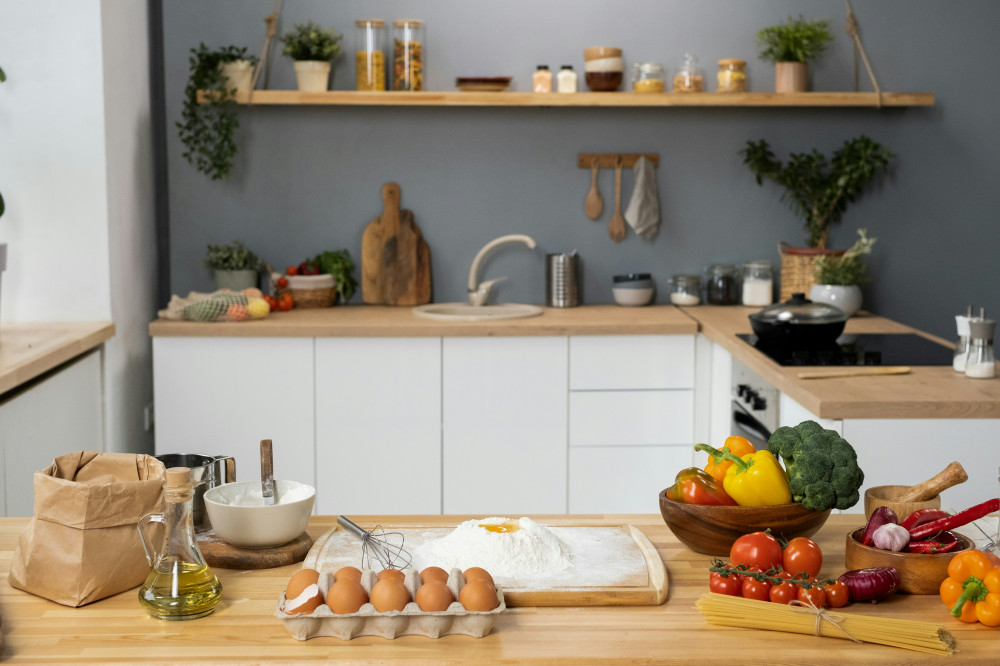
Cooking itself is a sensory act. The sizzle of onions, the rhythm of chopping, the feel of dough between your fingers — these are moments that ground you in the present. Try slowing down and noticing the details.
- Chop vegetables at an easy pace and notice their colors.
- Taste as you go — not just to adjust seasoning, but to enjoy the process.
- Listen to the sounds of cooking — they tell you when something is ready or needs attention.
When you engage your senses, cooking becomes a form of everyday mindfulness — a way to create and experience at the same time.
Create a Kitchen That Feels Alive
A sensory kitchen doesn’t have to be perfect or minimalist. It’s a space that’s used, that smells, that changes. A place where you feel the materials, see the colors, and let the scents tell stories. By using your senses intentionally, you can create a kitchen that not only works — but feels like the heart of your home.
Læs også: