Kitchen Design with Patina: Materials That Age Beautifully

Kitchen Design with Patina: Materials That Age Beautifully
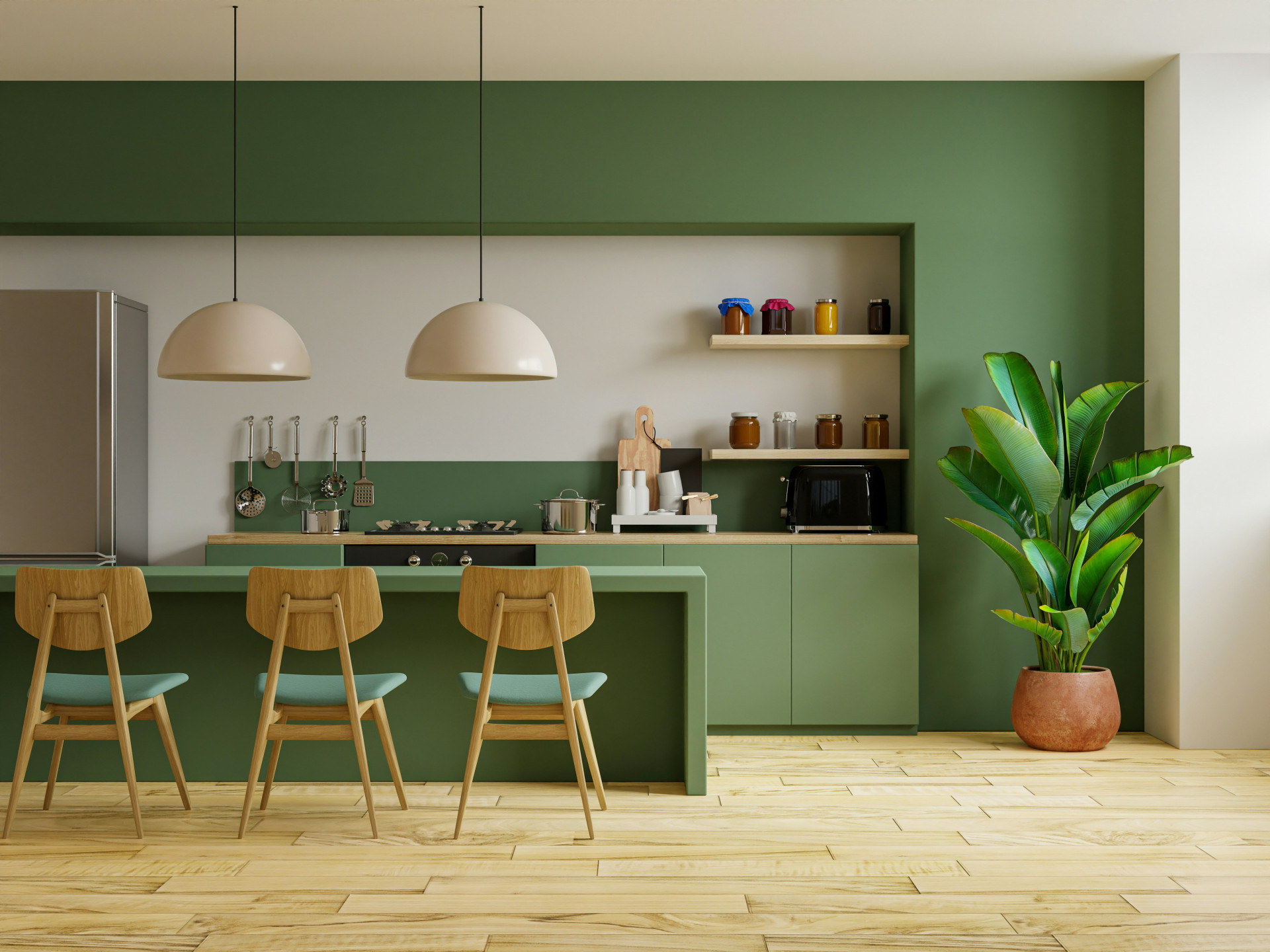
A kitchen is more than a place to cook—it’s the heart of the home. It’s where mornings begin, where family and friends gather, and where life happens. That’s why more homeowners are embracing kitchen designs that don’t just look pristine on day one but grow richer and more characterful over time. Patina has become a key concept in modern kitchen design—an expression of authenticity, warmth, and lived-in beauty. But which materials age gracefully, and how can you design a kitchen that only gets better with the years?
What Does Patina Mean in Kitchen Design?
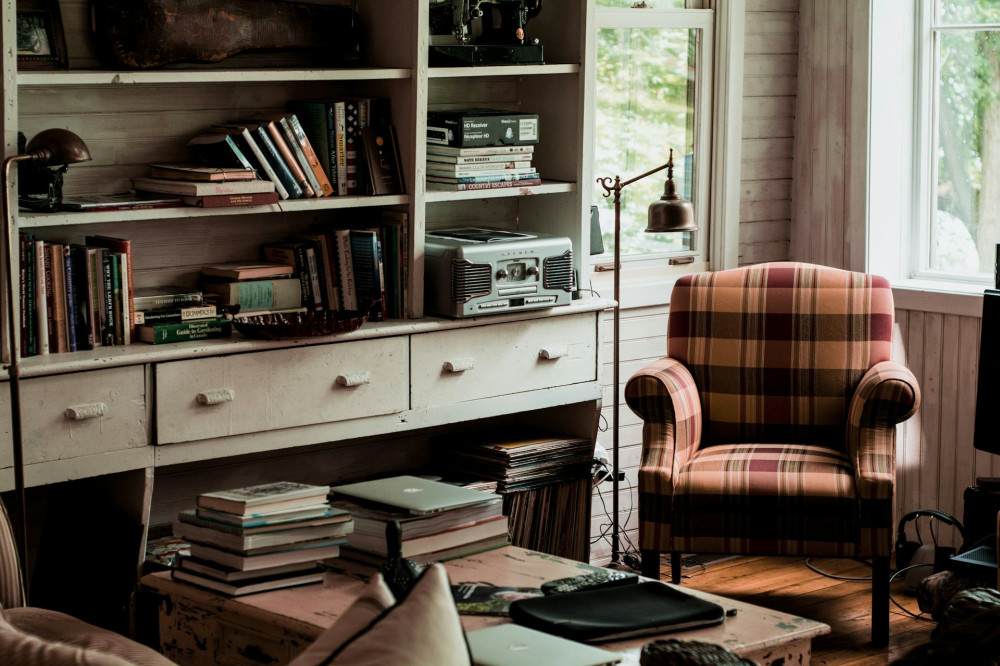
Patina is the natural transformation that materials undergo as they age. Wood deepens in tone, metal softens to a warm glow, and stone develops subtle marks of use. Instead of seeing wear as damage, patina celebrates it—it’s the story of everyday life written into the surfaces of your home.
A kitchen with patina feels alive. It has soul and personality, and it becomes more beautiful the more it’s used. The key is choosing materials that not only stand the test of time but also evolve in ways you’ll love.
Wood – Warm, Natural, and Ever-Changing
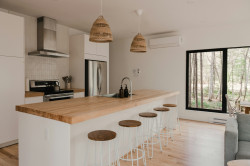
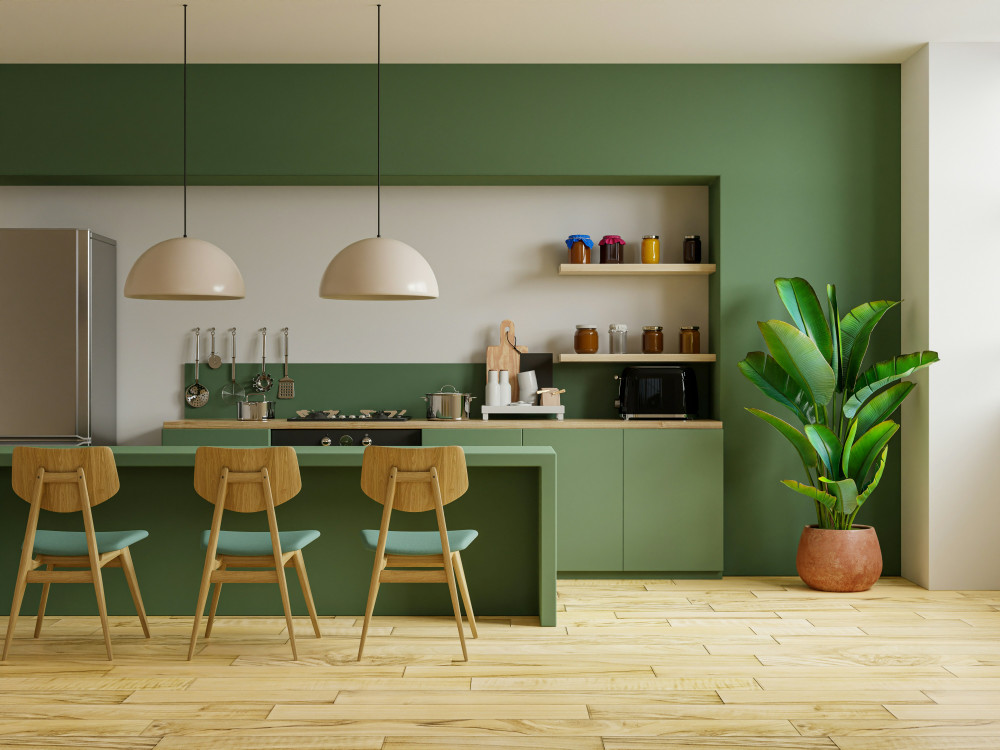
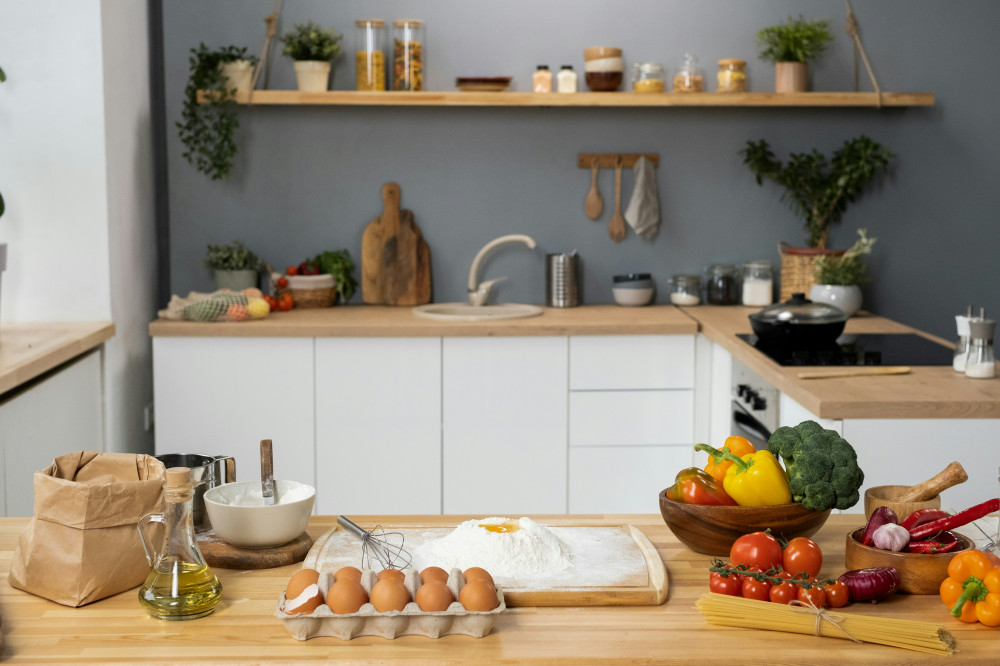
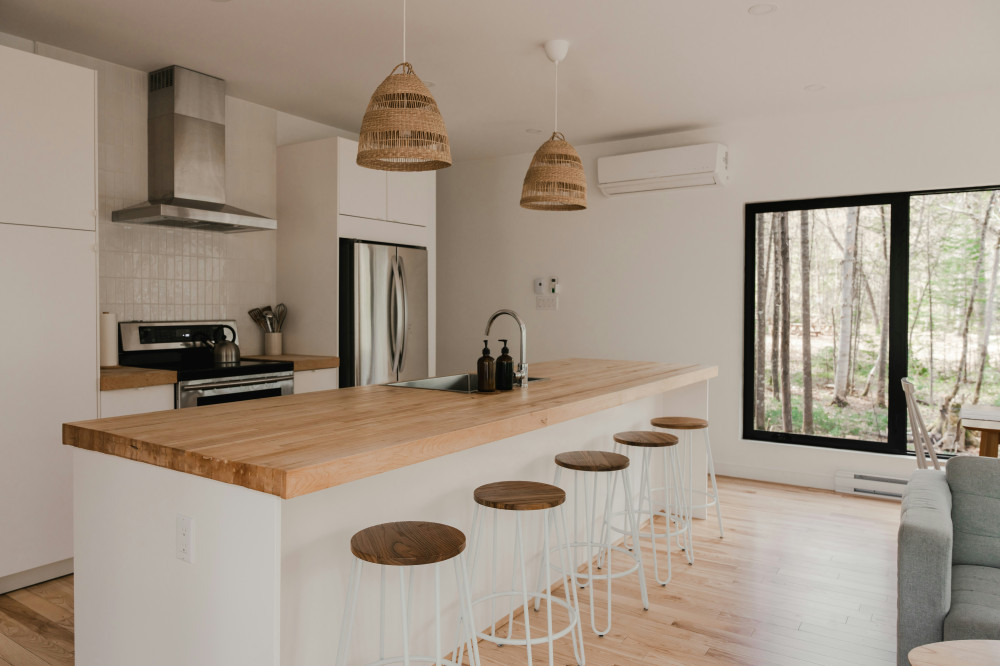
Wood is one of the most beloved materials for kitchens with patina. It’s organic, tactile, and full of life. Solid oak, maple, or walnut can be used for countertops, cabinetry, or accents.
- Oak darkens and gains a rich, honeyed tone over time. It can be sanded and re-oiled repeatedly, making it ideal for a kitchen meant to last decades.
- Maple has a lighter, more uniform grain that develops a soft amber hue as it ages.
- Walnut deepens into a luxurious chocolate brown, adding warmth and sophistication.
Wood requires some maintenance, but in return, it rewards you with a surface that grows more beautiful with every meal prepared and every cup of coffee poured.
Brass and Copper – Metals with Character
Brass and copper have made a strong comeback in American kitchen design. They’re used for faucets, hardware, and trim details—and they develop a distinctive patina when exposed to air and moisture.
- Brass takes on a mellow, golden tone that becomes more matte and nuanced over time.
- Copper darkens to a rich reddish brown and, if left unpolished, may even develop a soft greenish hue.
Some homeowners prefer to keep these metals polished and bright, while others embrace their natural aging. Either approach can be stunning—it’s all about the atmosphere you want to create.
Natural Stone – Durable and Full of Character
Granite, marble, and soapstone are timeless choices for countertops and backsplashes. They’re durable, but they also tell their own story through subtle changes in texture and tone.
- Marble is prized for its elegance but is also porous. Lemon juice or wine can leave marks—but many see these as part of its charm.
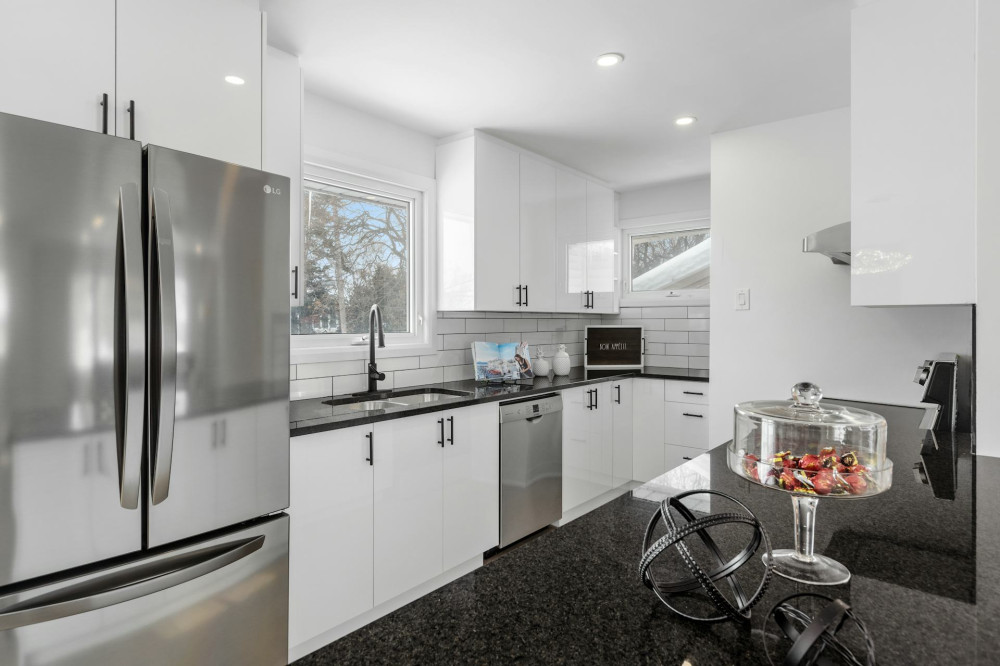
- Granite is more resistant to staining and scratching, yet it still develops a softer sheen with use.
- Soapstone has a velvety, matte surface that darkens beautifully over time, especially when treated with mineral oil.
Choosing natural stone means accepting that perfection isn’t the goal—character is.
Læs også:
Leather and Linoleum – Soft, Tactile Contrasts
In a kitchen filled with hard surfaces, materials like leather and linoleum can add warmth and balance. Both develop a lovely patina and bring a sense of craftsmanship to the space.
- Leather is often used for drawer pulls or barstool seats. It becomes darker, smoother, and more supple with age.
- Linoleum, made from natural materials like linseed oil and wood flour, is eco-friendly and available in many colors. Its matte surface becomes silkier and more inviting over time.
These materials soften the look of a kitchen and make it feel more personal and lived-in.
How to Create a Kitchen with Patina
Designing a kitchen with patina isn’t just about materials—it’s about mindset. It means letting go of the idea of perfection and embracing the beauty of change. Here are a few tips:
- Choose natural materials over synthetic ones.
- Avoid high-gloss finishes if you want a more organic look.
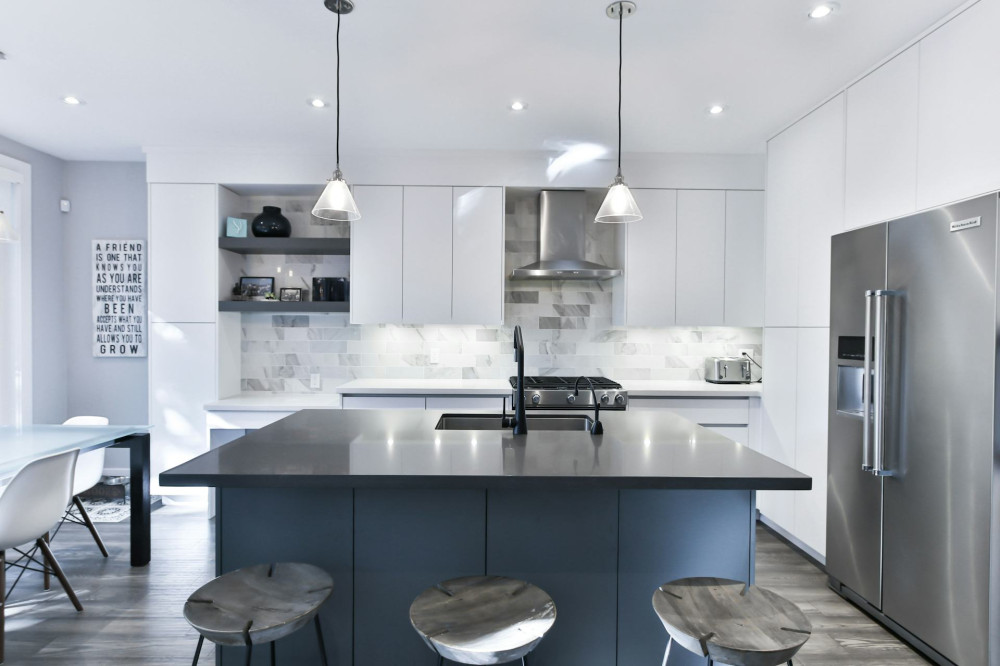
- Mix old and new elements—for example, pair modern cabinetry with a reclaimed wood island.
- Remember that wear is beautiful—it’s a sign of life, not a flaw.
When you select materials that age gracefully, your kitchen won’t lose its charm—it will gain it.
A Kitchen That Tells Your Story
A kitchen with patina isn’t just a design choice—it’s a philosophy. It’s about creating a space that evolves with you. Every scratch, stain, and color shift becomes part of your home’s story—the meals shared, the laughter, the everyday moments.
In a world that often celebrates the flawless and the new, patina reminds us that true beauty lies in the imperfect. A kitchen that ages beautifully is a kitchen that lives.
Læs også: