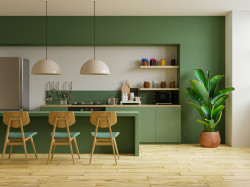
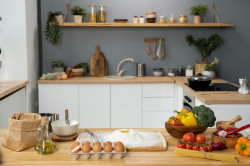
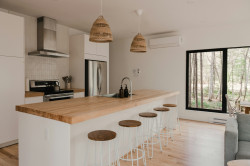
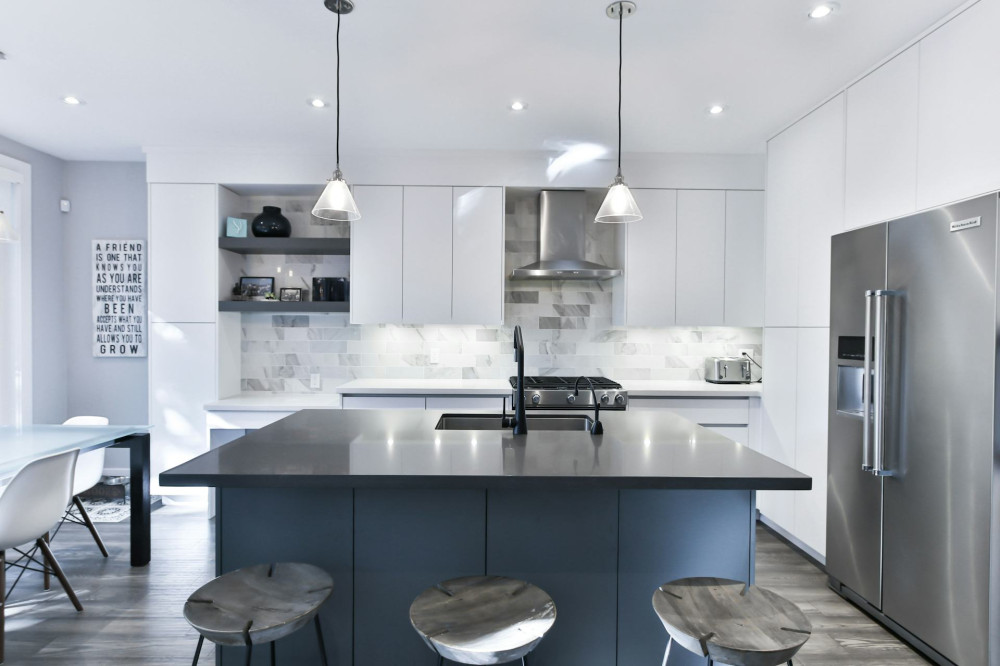
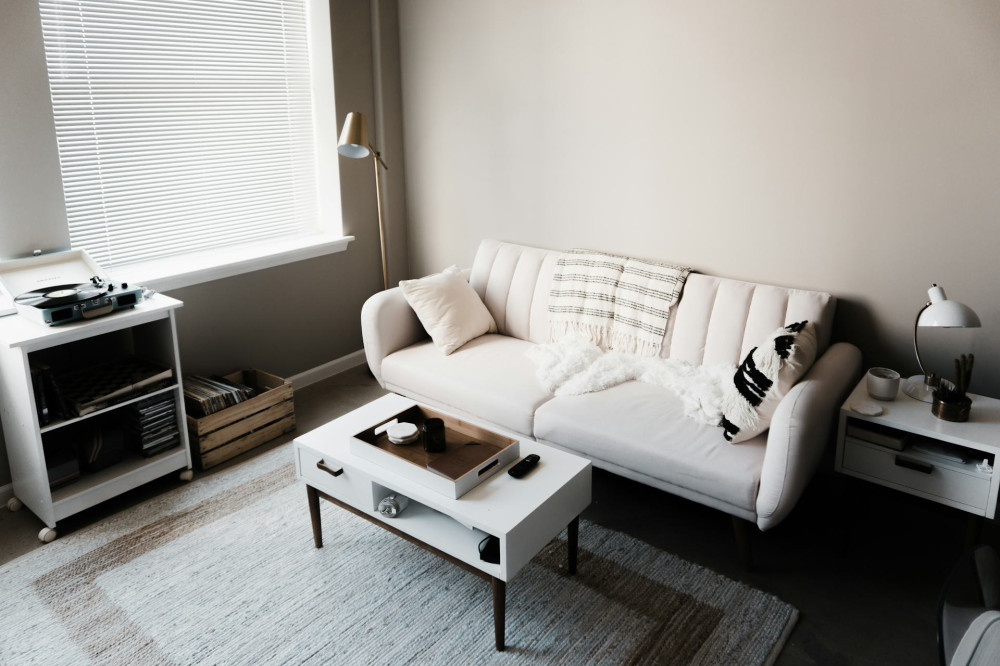
A flexible kitchen that adapts to the family’s needs

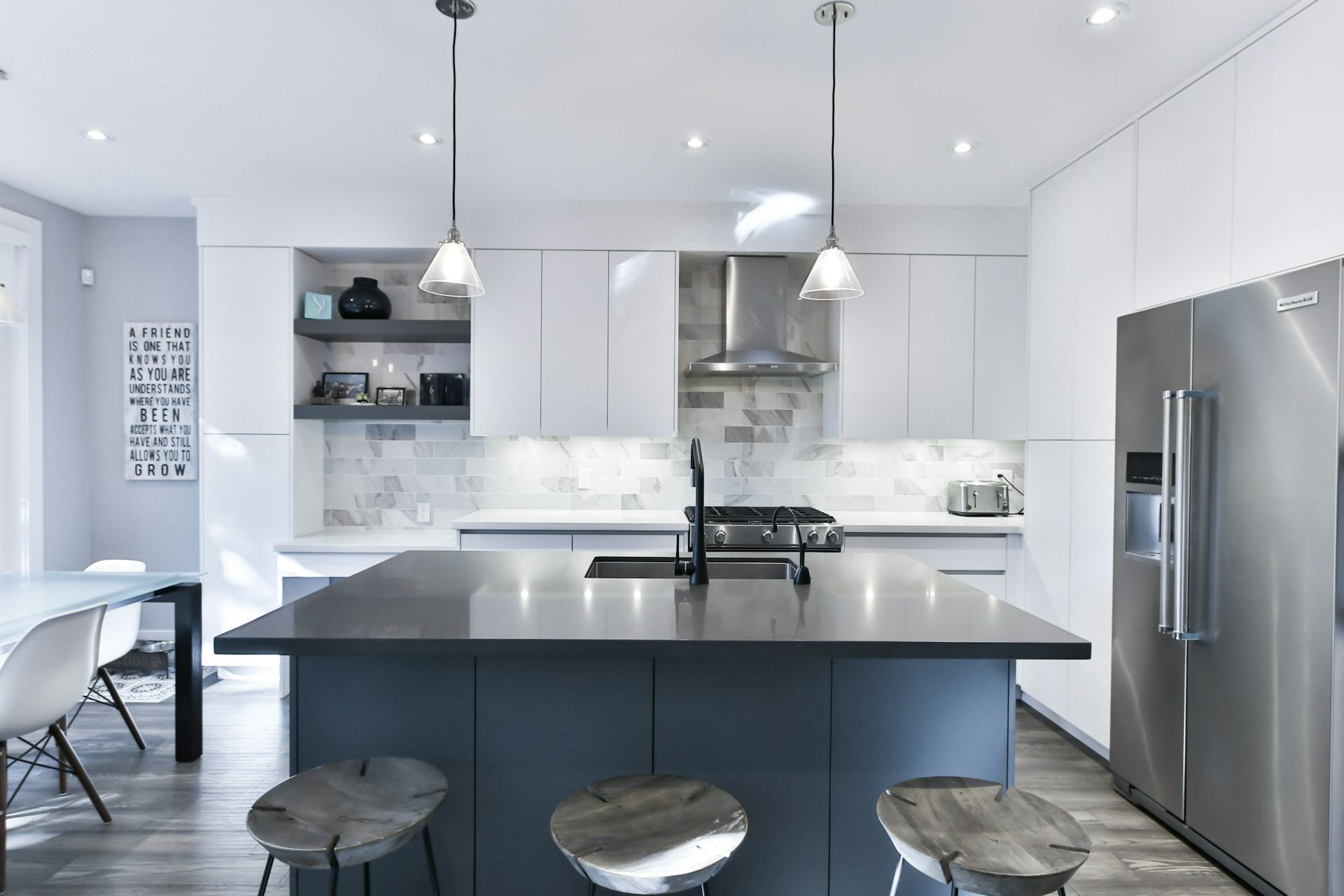
A flexible kitchen that adapts to the family’s needs
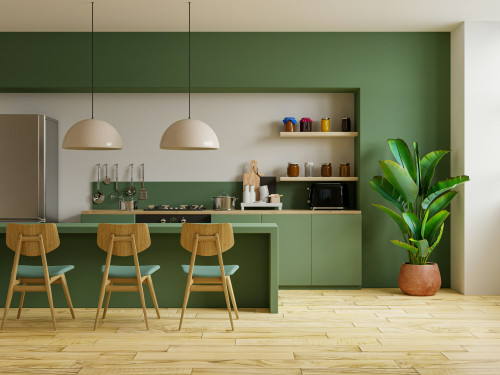
A kitchen is more than a place to cook—it’s the heart of the home. It’s where mornings begin with coffee and conversation, where kids do homework while dinner simmers, and where friends gather during celebrations. That’s why a modern kitchen should do more than just house appliances and cabinets. It should adapt to the family’s lifestyle, rhythm, and needs—today and in the years to come.
A kitchen that grows with the family
When children are young, the kitchen often revolves around safety and practicality. There needs to be space for high chairs, easy access to snacks, and surfaces that can handle spills and sticky fingers. As kids grow, the family’s needs change. Maybe you need more counter space for cooking together, or a spot where teens can sit with their laptops while dinner is being prepared.
A flexible kitchen anticipates these changes. Moveable islands, adjustable shelving, and multifunctional furniture make it easy to reconfigure the space as life evolves—without a full remodel. The goal is a kitchen that grows with the family, not one that needs to be replaced every few years.
Zones that bring order and flow
A well-designed kitchen is organized into zones, so every activity has its place. This makes daily routines smoother and reduces stress during busy hours. Consider dividing your kitchen into three main areas:
- Cooking zone – with the stove, oven, and utensils within easy reach.
- Prep and serving zone – with generous counter space and access to the sink and cutting boards.
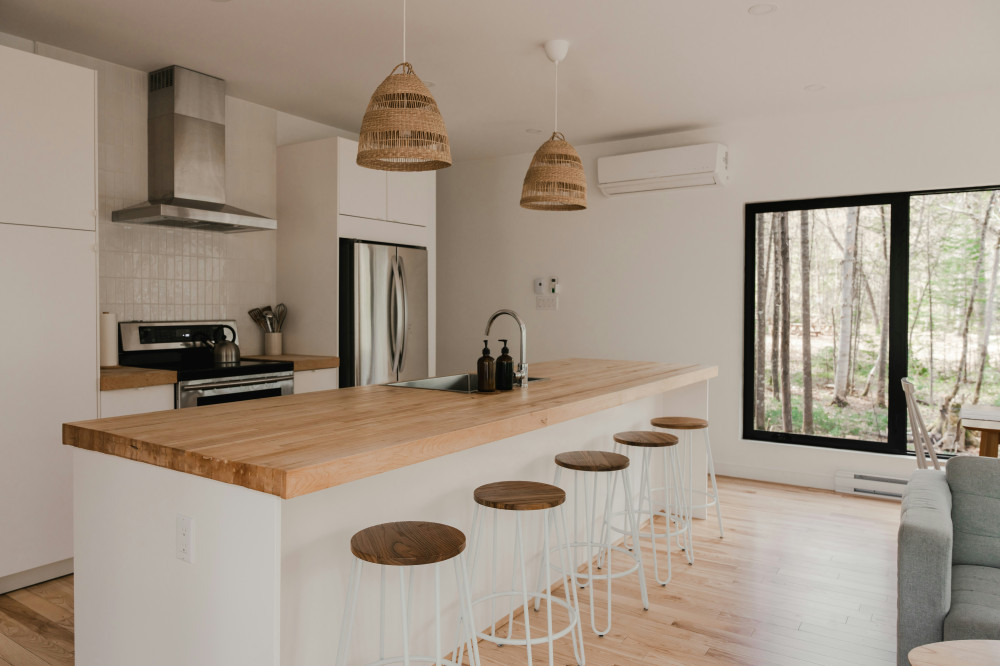
- Social zone – a comfortable area where family or guests can sit, chat, or lend a hand without getting in the way.
Clear zones make it easier for multiple people to use the kitchen at once—whether it’s kids helping with dinner or guests joining the conversation. It turns cooking into a shared experience rather than a solo task.
Materials that stand up to everyday life
A flexible kitchen should be durable as well as beautiful. Choosing the right materials makes all the difference. Easy-to-clean surfaces and sturdy cabinetry can handle the wear and tear of daily use. Many American homeowners opt for quartz, laminate, or solid wood because they combine resilience with warmth and style.
Neutral tones and timeless finishes also add flexibility. They allow you to refresh the look with small updates—like new hardware, lighting, or textiles—without replacing major elements. It’s a smart way to keep your kitchen feeling current without overspending.
Læs også:
Smart solutions for every space
Whether you live in a city apartment or a suburban home, flexibility can be built into any kitchen. In smaller spaces, it’s all about maximizing efficiency: pull-out tables, hidden storage, and wall-mounted racks can free up valuable counter space.
In larger kitchens, flexibility might mean mobility—like a rolling island that can move where it’s needed, or an expandable dining area for family gatherings. The key is creating a space that can shift from weekday routine to weekend entertaining with ease.
Technology that simplifies daily life
Technology has become an integral part of the modern kitchen. Smart appliances, energy-efficient systems, and app-controlled lighting make it easier to tailor the space to your family’s schedule.
Flexibility doesn’t mean having every gadget on the market—it’s about choosing tools that make sense for your lifestyle. Maybe it’s an oven with preset cooking modes, a dishwasher with a quick cycle, or a refrigerator that helps track groceries. Small innovations can make a big difference in how smoothly your kitchen runs.
A space that brings people together
Ultimately, the most important thing is that the kitchen feels like the heart of the home—a place where everyone wants to be. A flexible kitchen creates room for both activity and calm, for togetherness and quiet moments. It’s a space that supports the rhythm of family life, from hectic mornings to slow Sunday breakfasts.
When planning or updating your kitchen, think beyond how it looks today. Consider how it will function tomorrow. A kitchen that adapts is a kitchen that lasts—and one that will continue to bring your family together for years to come.
Læs også: