Temperature Control in Water Systems – Balancing Comfort and Hygiene

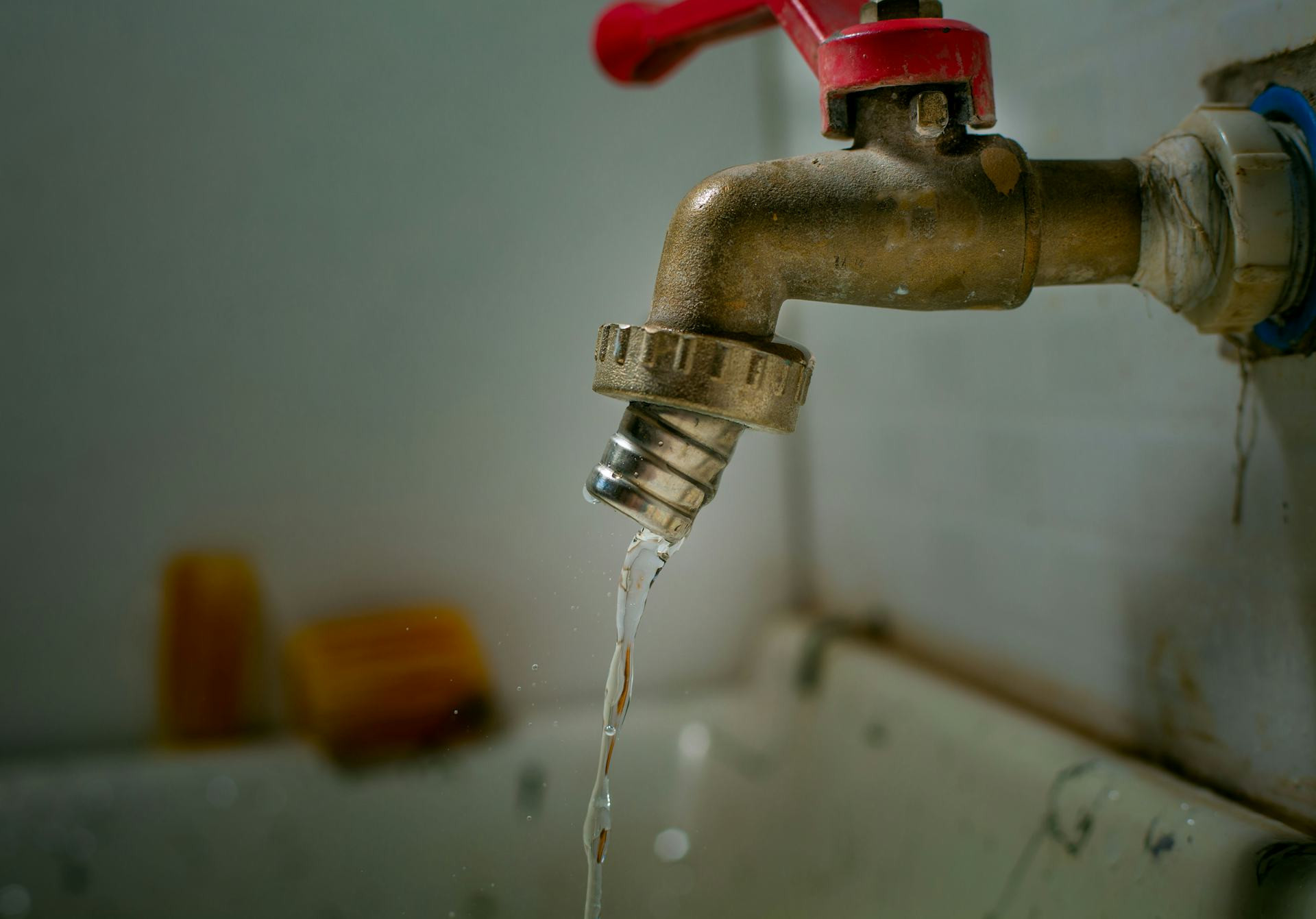
Achieve the perfect balance between comfort, safety, and energy efficiency in your water system
Plumbing
Plumbing
3 min
Proper temperature control in water systems is essential for both comfort and hygiene. Learn how to prevent bacterial growth, avoid scalding risks, and maintain energy efficiency through the right temperature settings and regular maintenance.
Ruby Reyes
Ruby
Reyes

Temperature Control in Water Systems – Balancing Comfort and Hygiene

Achieve the perfect balance between comfort, safety, and energy efficiency in your water system
Plumbing
Plumbing
3 min
Proper temperature control in water systems is essential for both comfort and hygiene. Learn how to prevent bacterial growth, avoid scalding risks, and maintain energy efficiency through the right temperature settings and regular maintenance.
Ruby Reyes
Ruby
Reyes

Water temperature in a building’s plumbing system is about more than comfort—it’s also a key factor in maintaining hygiene and safety. If the temperature is too low, bacteria such as Legionella can multiply. If it’s too high, there’s a risk of scalding and wasted energy. Finding the right balance requires both technical understanding and attention to daily use.

Why Temperature Matters

Water is part of everyday life, but it can also be a breeding ground for microorganisms when conditions are right. Legionella pneumophila, the bacterium that causes Legionnaires’ disease, thrives in stagnant water between 77°F and 113°F (25°C–45°C). To prevent growth, hot water systems must be properly set up and maintained so that water circulates and temperatures remain stable.

At the same time, user safety must be considered. Water that’s too hot can cause serious burns, especially for children and older adults. Temperature control, therefore, is about balancing health, safety, and comfort.

Recommended Temperatures in Homes

In residential buildings, the U.S. Centers for Disease Control and Prevention (CDC) and the Occupational Safety and Health Administration (OSHA) recommend that water heaters store water at around 140°F (60°C) to prevent bacterial growth. However, to reduce the risk of scalding, the temperature at faucets and showers should not exceed 120°F (49°C). This balance can be achieved with thermostatic mixing valves that blend hot and cold water before it reaches the tap.

Cold water should ideally stay below 68°F (20°C). If pipes run too close to heat sources, the temperature can rise, creating conditions for bacterial growth. Proper pipe insulation and separation of hot and cold lines are therefore essential parts of system design.

Circulation and Maintenance

In larger buildings or homes with long pipe runs, hot water circulation is necessary to prevent stagnant zones where bacteria can develop. A recirculation system keeps water moving and maintains a consistent temperature throughout the plumbing network.

Even the best-designed system requires regular maintenance. Filters, valves, and mixing devices should be cleaned and inspected periodically. If you notice irregularities—such as lukewarm water or sudden temperature spikes—it may indicate a problem that should be checked by a licensed plumber or HVAC professional.

Energy Efficiency and Sustainability

Temperature control also affects energy use. The higher the water heater temperature, the more energy is consumed. Lowering the temperature can save energy, but if it drops too far, it can compromise hygiene. The goal is to maintain a temperature high enough to prevent bacterial growth while minimizing waste.

Modern solutions include well-insulated tanks, smart thermostats, and time-based heating controls. Some systems even use digital monitoring to track water temperatures and alert homeowners or facility managers if readings fall outside safe ranges. These technologies help maintain both safety and efficiency.

Protecting Household Safety

To prevent scalding, thermostatic mixing valves or anti-scald devices can be installed at faucets and showers. These devices automatically regulate the temperature, ensuring that water never becomes dangerously hot, even if the heater is set to a higher temperature for hygiene purposes.

It’s also wise to test water temperature periodically—especially in bathrooms and kitchens. A simple thermometer reading can confirm whether your system is operating within safe limits.

A Balance That Requires Attention

The ideal water temperature represents a compromise between comfort, hygiene, and energy efficiency. Too low, and you risk bacterial growth; too high, and you risk burns and higher utility bills.

By combining proper system design, regular maintenance, and modern control technology, homeowners can ensure that their water is both safe and comfortable. It’s an investment in health, safety, and peace of mind—every day, all year long.

Temperature Control in Water Systems – Balancing Comfort and Hygiene
Achieve the perfect balance between comfort, safety, and energy efficiency in your water system
Plumbing
Plumbing
Water Systems
Temperature Control
Home Safety
Energy Efficiency
Hygiene
3 min
Proper temperature control in water systems is essential for both comfort and hygiene. Learn how to prevent bacterial growth, avoid scalding risks, and maintain energy efficiency through the right temperature settings and regular maintenance.
Ruby Reyes
Ruby
Reyes
Understanding Quotes and Work Descriptions from Your Licensed Plumber
Learn how to read and compare plumbing quotes with confidence
Plumbing
Plumbing
Plumbing
Home Improvement
Licensed Plumber
Renovation
Home Maintenance
6 min
Get a clear understanding of what’s included in your plumber’s quote and work description before any project begins. This guide explains how to interpret estimates, identify hidden costs, and communicate effectively with your licensed plumber to ensure a smooth and transparent process.
Braxton Robinson
Braxton
Robinson
Choose the Right Kitchen Sink for Function, Size, and Style
Find the perfect balance between practicality and design for your kitchen
Plumbing
Plumbing
Kitchen Sink
Home Improvement
Interior Design
Kitchen Renovation
Home Decor
4 min
Discover how to choose a kitchen sink that matches your cooking habits, space, and style. From materials and installation types to maintenance tips, this guide helps you make a smart and stylish choice for your home.
Nolan Evans
Nolan
Evans
Light and Life: How Lighting Affects Our Mood and Perception of Space
Discover how the right lighting can transform your mood, health, and sense of space
Trend
Trend
Lighting
Interior Design
Well-Being
Mood
Home Decor
7 min
Light influences more than what we see—it shapes how we feel and interact with our surroundings. Learn how different types of lighting, from natural daylight to layered indoor solutions, can enhance well-being, boost energy, and create harmony in your home or workspace.
Christian Richardson
Christian
Richardson
Make Your Home Personal with Books, Photos, and Memories
Turn your living space into a reflection of your life and personality
Trend
Trend
Home Decor
Personal Style
Interior Design
Memories
Inspiration
7 min
Discover how books, photos, and cherished memories can transform your house into a truly personal home. Learn to balance style and sentiment to create a space that tells your story and feels uniquely yours.
Kinsley Lee
Kinsley
Lee
Home design that makes everyday life easier and more comfortable
Thoughtful design ideas for a home that supports your daily life
Trend
Trend
Home Design
Interior Inspiration
Smart Living
Comfort
Everyday Life
5 min
Discover how smart design choices can make your home more functional, relaxing, and enjoyable. From lighting and storage to natural materials and technology, learn how to create a space that truly works for you.
Ruby Reyes
Ruby
Reyes
Home Style as a Reflection of Your Personality
Discover how your home’s design choices reveal your unique character and lifestyle
Trend
Trend
Interior Design
Home Decor
Personal Style
Lifestyle
Psychology of Color
4 min
Your home is more than just a place to live—it’s a reflection of who you are. From color palettes to furniture arrangements, every detail tells a story about your personality, values, and way of life. Learn how to express yourself through your home style and create a space that truly feels like you.
Braxton Robinson
Braxton
Robinson
Balance Between Function and Aesthetics – The Key to a Harmonious Home
Discover how to create a home that is both beautiful and practical
Trend
Trend
Interior Design
Home Decor
Functionality
Aesthetics
Lifestyle
3 min
Learn how to strike the perfect balance between function and aesthetics in your home. Explore how thoughtful design choices can make your space not only visually appealing but also comfortable, efficient, and uniquely yours.
Nolan Evans
Nolan
Evans