Discover the Biggest Causes of Water Waste at Home

Discover the Biggest Causes of Water Waste at Home
Water is one of our most precious resources, yet in many American homes, far more goes down the drain than we realize. Leaky fixtures, outdated appliances, and everyday habits can add up to thousands of gallons of wasted water each year. That’s bad news for both the environment and your utility bill. Here’s a look at the biggest culprits—and how you can cut back on waste in your daily life.
Leaky Faucets and Running Toilets
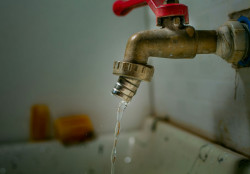
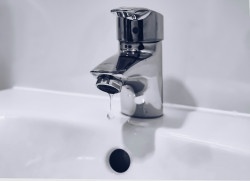
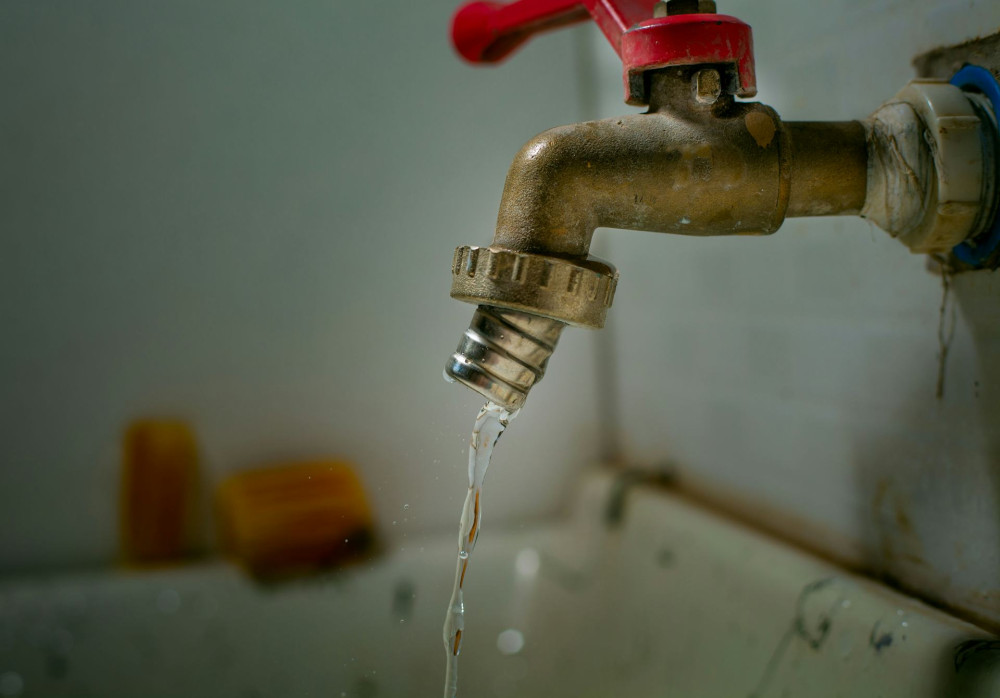
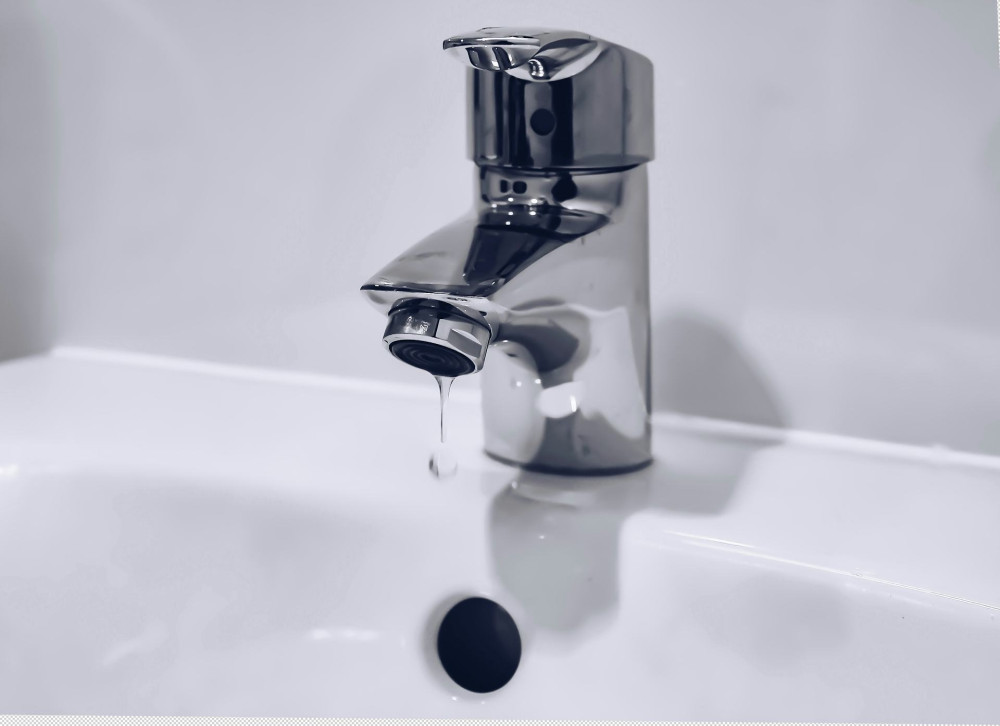
A dripping faucet might seem harmless, but it can waste up to 20 gallons of water a day. A running toilet can waste hundreds. Most of the time, the problem comes down to worn-out washers or valves—simple and inexpensive parts to replace.
Check your faucets and toilets regularly. If you hear a faint hiss from the tank or notice water continuing to run after flushing, it’s time for a repair. Many leaks can be fixed with a quick DIY job, but a plumber can also help identify hidden issues before they become costly.
Long Showers and Excessive Bathroom Use
The bathroom is one of the biggest sources of water use in the home. A 10-minute shower can use 25 gallons or more, depending on your showerhead. Many people stay in longer than necessary, and those extra minutes add up fast.
Consider installing a low-flow showerhead, which reduces water use without sacrificing comfort. Try turning off the water while you lather up or shave, and only turn it back on to rinse. Small changes in your routine can make a big difference over time.
Dishwashers and Washing Machines Used Inefficiently
Modern dishwashers and washing machines are designed to be water-efficient—but only when used properly. Running them half-full or using the wrong settings can waste gallons of water with every cycle.
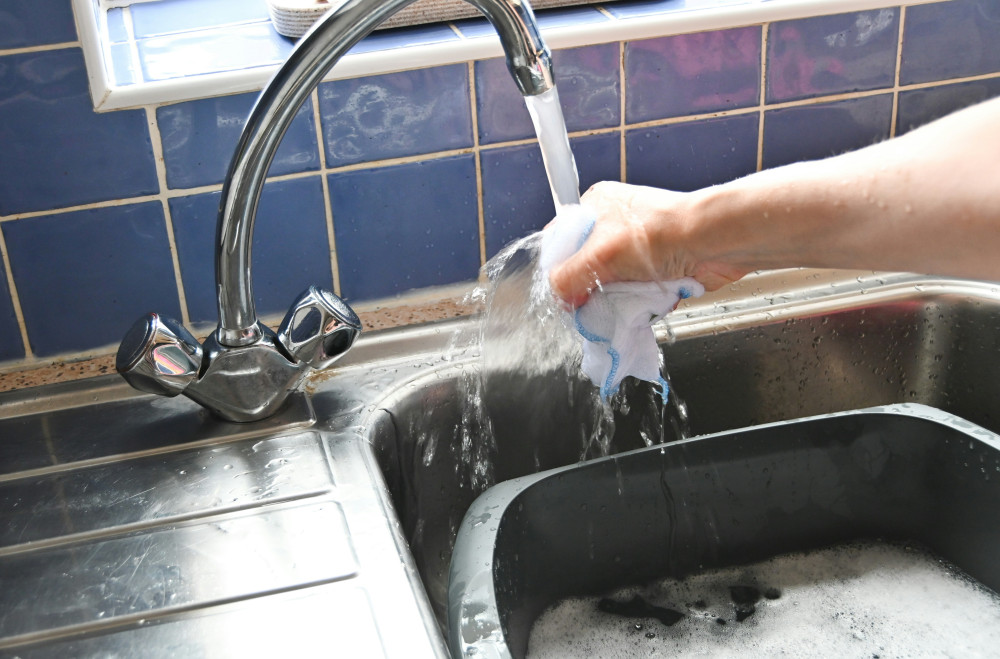
Always run full loads, and choose eco or water-saving cycles when available. Most newer models automatically adjust water levels based on the load size, but they work best when not overloaded or underfilled. And skip pre-rinsing dishes under running water—today’s dishwashers are built to handle a little mess.
Læs også:



Old Fixtures and Hidden Leaks
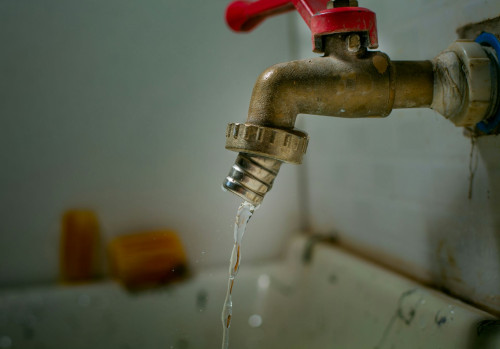
Outdated plumbing fixtures and aging pipes can be silent water wasters. Small leaks behind walls or under sinks can go unnoticed for months, wasting hundreds of gallons before you even realize there’s a problem.
Watch for damp spots, discoloration, or unexpected spikes in your water bill—these can all signal a hidden leak. To test for one, turn off all water use in your home and check your water meter. If it’s still moving, you likely have a leak somewhere in the system.
Outdoor Watering and Lawn Care
In many parts of the U.S., outdoor water use accounts for a large portion of household consumption—especially during summer. Sprinklers left running for hours or watering during the heat of the day can waste huge amounts of water through evaporation.
Water your lawn early in the morning or late in the evening when temperatures are cooler. Use a soaker hose or drip irrigation system to deliver water directly to plant roots. Collecting rainwater in a barrel is another great way to keep your garden green without tapping into your main water supply.
Everyday Habits That Add Up
Technology helps, but habits matter most. Turn off the tap while brushing your teeth. Fill your kettle or coffee maker with only the amount you need. Use cold water for laundry when possible—it saves both water and energy.
By paying attention to the small details, you can significantly reduce your water use without sacrificing comfort. It’s not about giving up water—it’s about using it wisely.
A More Sustainable Home Starts with Awareness
Water waste at home rarely comes from one big problem—it’s usually the result of many small ones. Once you become aware of where your water is going, it’s easy to make changes. With a few simple adjustments, you can protect the environment, lower your bills, and make your home more sustainable—one drop at a time.
Læs også: