Optimize Your Drains for Better Home Comfort

Optimize Your Drains for Better Home Comfort
A well-functioning drainage system is one of those things you rarely think about—until it stops working. Slow-draining sinks, unpleasant odors, or gurgling sounds from the pipes are all signs that your drains need attention. By optimizing your drains, you can prevent costly repairs, improve your home’s comfort, and extend the life of your plumbing system. Here’s a practical guide to keeping your drains in top shape—today and for years to come.
Recognize the Warning Signs
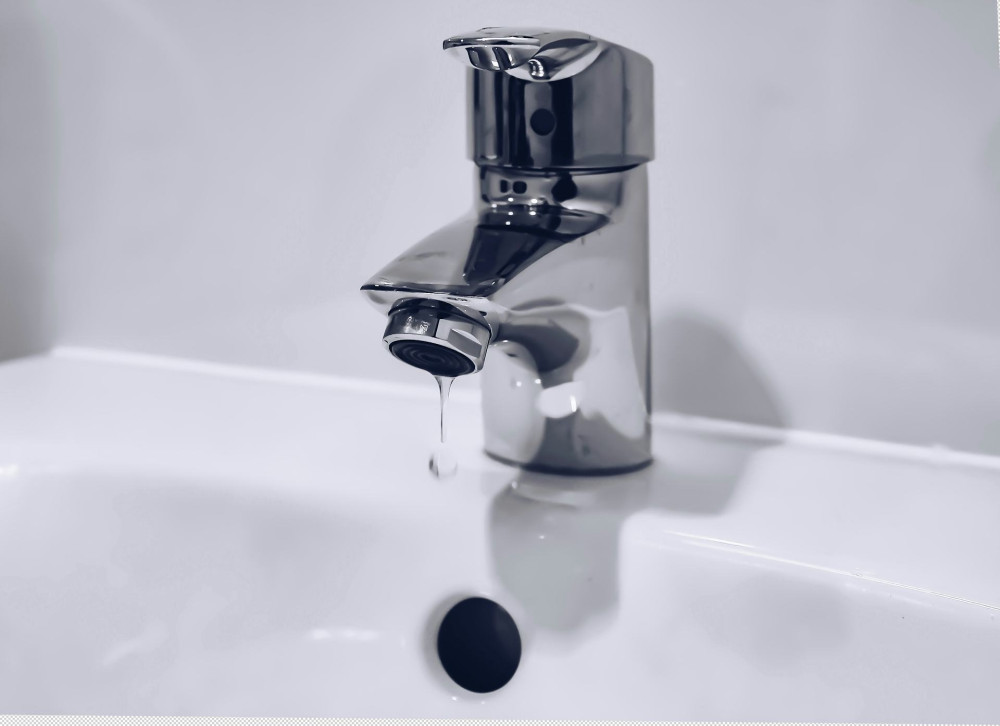
Most drain problems start small. A sink that drains slowly or a faint odor from the shower drain might not seem serious, but these are often early signs of buildup from grease, hair, or soap residue. Acting early can save you from bigger issues later.
Watch for:
- Water draining slowly from sinks or tubs
- Gurgling or bubbling noises from pipes
- Unpleasant smells coming from drains
- Water pooling around floor drains
The sooner you address these signs, the easier—and cheaper—it is to fix the problem.
Clean Your Drains Regularly
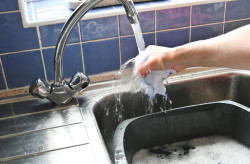
Prevention is the key to healthy drains. A simple cleaning routine can make a big difference. Once a week, pour boiling water down your drains to help dissolve grease and soap scum. Once a month, do a deeper clean.
Try these simple methods:
- Baking soda and vinegar: Pour half a cup of baking soda into the drain, followed by half a cup of vinegar. Let it fizz for 10–15 minutes, then flush with boiling water.
- Drain cleaners: Use chemical drain cleaners sparingly—they can be harsh on pipes and the environment. Choose eco-friendly options when possible.
- Drain snake: A manual drain snake or auger can remove hair and debris lodged deeper in the pipe.
Regular cleaning helps prevent small clogs from turning into major blockages.
Læs også:


Avoid Common Mistakes
Many drain issues come from everyday habits. It’s tempting to rinse food scraps, grease, or coffee grounds down the sink, but these materials quickly build up and cause clogs.
Here are some habits that can save you trouble:
- Never pour grease or oil down the sink—it solidifies and blocks pipes.
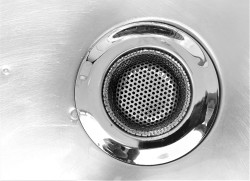
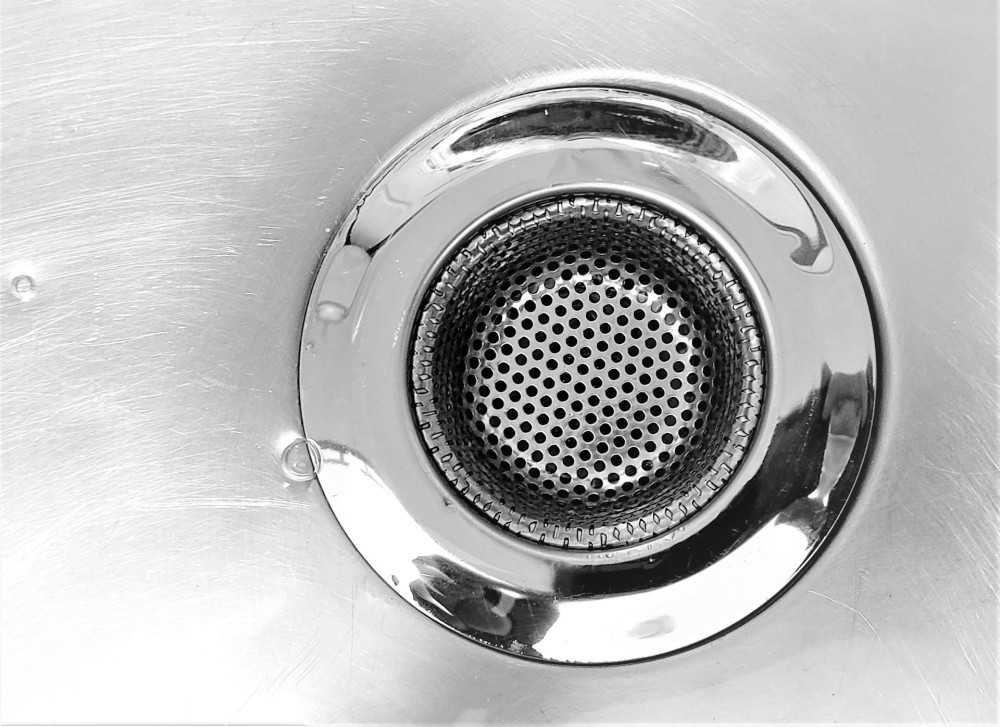
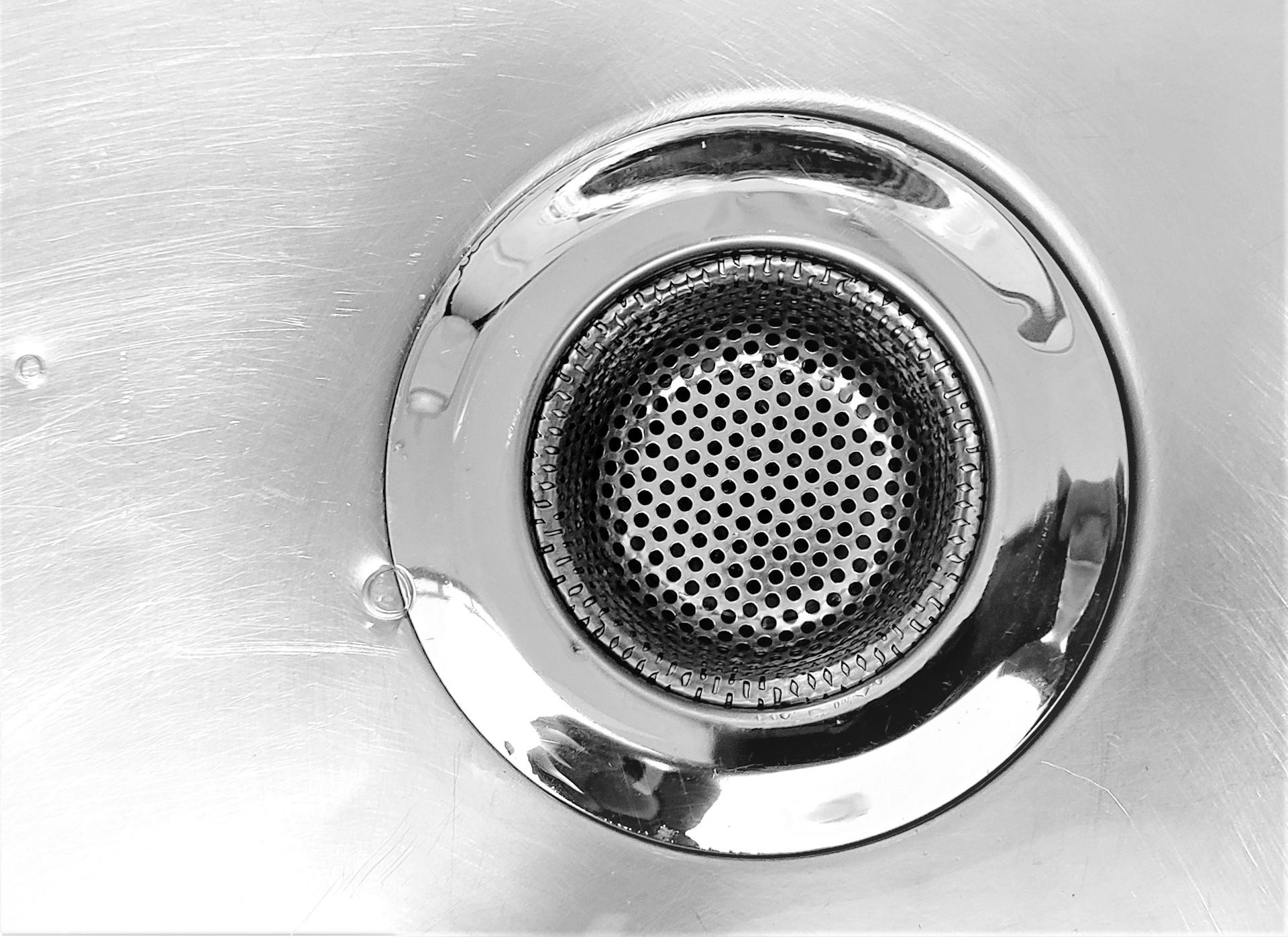
- Use sink and shower strainers to catch hair and food particles.
- Don’t flush cotton swabs, wipes, or feminine hygiene products—they belong in the trash, not the toilet.
- Make sure P-traps (the curved section under sinks) always contain water to block sewer gases from entering your home.
Small changes in your daily routine can make a big difference in comfort and maintenance.
Consider a Professional Inspection
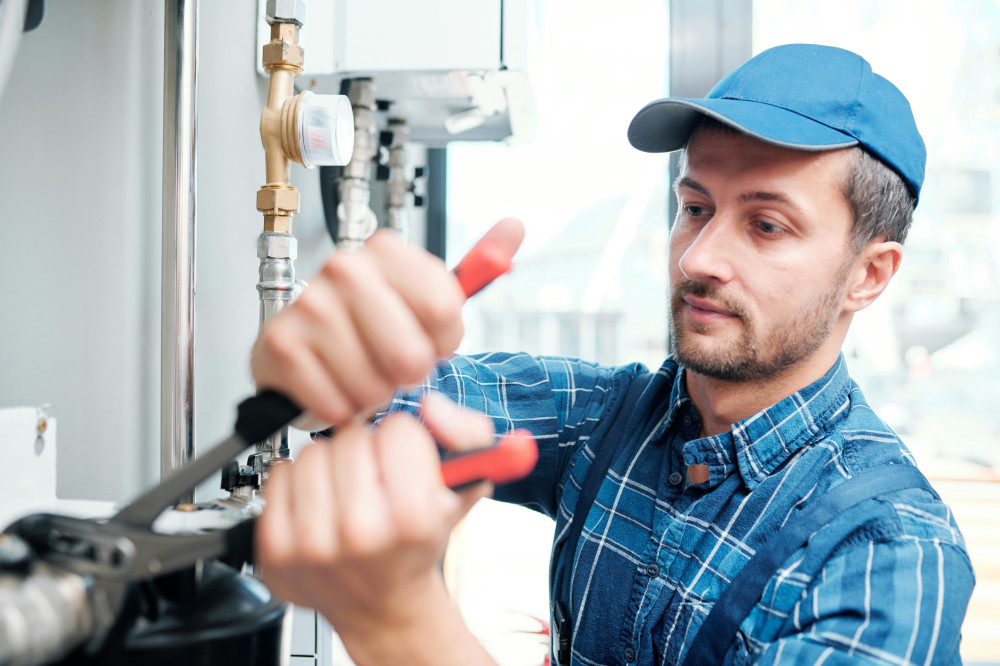
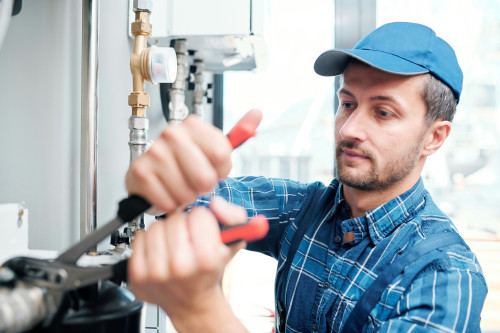
While you can handle most maintenance yourself, it’s wise to have a licensed plumber inspect your drainage system periodically—especially in older homes. A professional can check for proper slope, leaks, and hidden blockages that aren’t visible from the surface.
A professional inspection can reveal:
- Worn or corroded pipes that need replacement
- Improper pipe angles causing poor drainage
- Early signs of main line clogs
- Leaky joints that could lead to water damage
It may seem like an extra expense, but it’s an investment in your home’s health and long-term comfort.
Make Drain Care Part of Your Home Maintenance Routine
Just like cleaning gutters or servicing your HVAC system, your drains deserve regular attention. A few minutes each month can save you time, money, and frustration later.
Create a simple checklist:
- Flush drains with boiling water weekly
- Clean strainers and P-traps regularly
- Use baking soda and vinegar monthly
- Schedule a professional inspection every 2–3 years
A well-maintained drainage system means fewer problems and a cleaner, more comfortable home.
Comfort Starts Below the Surface
When your drains work properly, you don’t notice them—and that’s exactly how it should be. An optimized drainage system ensures water flows freely, keeps your home smelling fresh, and prevents unpleasant surprises. With a little prevention and care, you can create a home that feels better, functions better, and stays that way for years to come.
Læs også: