Choose the Right Kitchen Sink for Function, Size, and Style

Choose the Right Kitchen Sink for Function, Size, and Style
The kitchen sink is one of the most used features in any home — a true workhorse that handles everything from rinsing vegetables to cleaning pots and pans. Choosing the right sink means finding the perfect balance between function, size, and style. Here’s a guide to help you select a sink that fits your kitchen and your lifestyle.
Function First – How Do You Use Your Sink?
Before falling in love with a particular design, think about how you actually use your kitchen sink. Do you cook from scratch every day, or do you mostly rinse a few dishes and coffee mugs?
- For the avid home chef: A large, deep sink makes it easier to wash big pots, baking sheets, and cutting boards. Consider a double-bowl sink so you can prep food in one side and clean up in the other.
- For small kitchens: A single-bowl sink with an integrated drainboard can save space while still providing a practical work area.
- For households with a dishwasher: If you rarely wash dishes by hand, a smaller sink may be all you need, leaving more room for countertop workspace.
You might also want to look for built-in accessories like colanders, cutting boards, or drain racks — small details that can make everyday tasks more efficient.
Læs også:




Size and Placement – Make It Fit Your Kitchen
Your sink should be proportionate to your countertop and kitchen layout. A sink that’s too large can eat up valuable workspace, while one that’s too small can make cooking and cleaning frustrating.
- Small kitchens: A compact sink around 15–20 inches wide is often sufficient. Look for models with accessories that fit over the basin to maximize functionality.
- Medium kitchens: A sink between 24–33 inches offers flexibility for both food prep and cleanup.
- Large kitchens and islands: Consider a double-bowl sink or even two separate sinks — one for prep work and one for washing dishes.
Placement matters, too. Ideally, your sink should be close to the dishwasher and trash area to minimize unnecessary movement. In a new kitchen layout, think about the classic “work triangle” between the sink, stove, and refrigerator for optimal efficiency.
Materials – From Stainless Steel to Granite and Fireclay
The material you choose affects not only the look of your sink but also its durability and maintenance needs. Here are some of the most popular options:
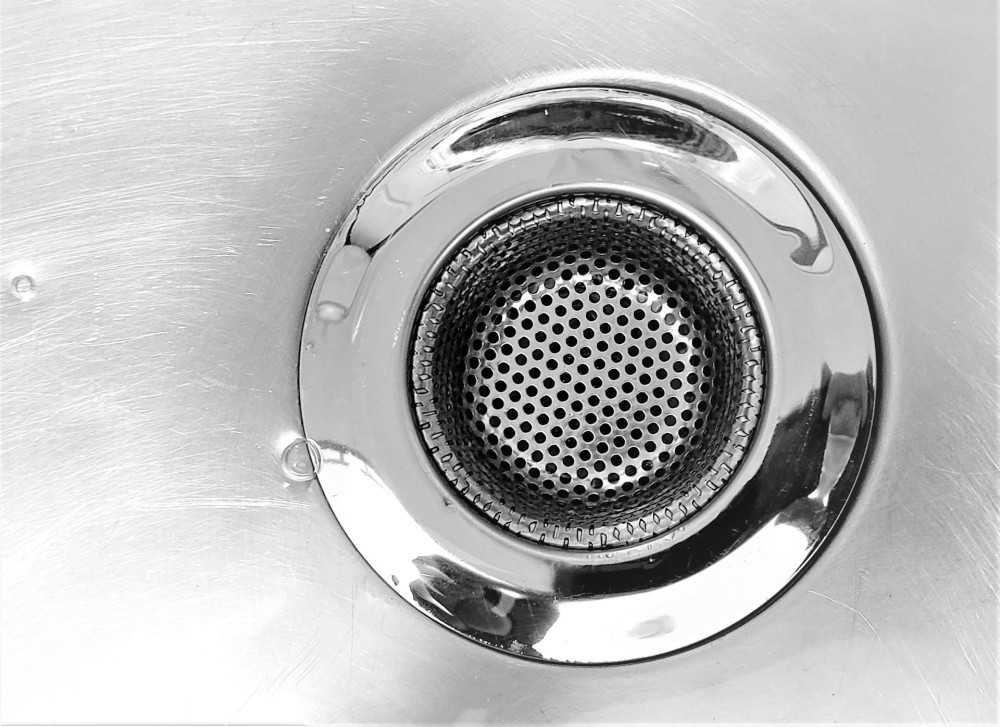
- Stainless steel – A timeless favorite that suits most kitchens. It’s durable, hygienic, and easy to clean, though it can show scratches and water spots over time.
- Granite composite – A modern, sturdy choice available in many colors. It resists heat and scratches but may require a bit more care to maintain its finish.
- Fireclay or ceramic – Offers a classic, elegant look and is easy to keep clean. However, it’s heavy and needs a strong countertop for support.
- Quartz and other composites – Combine the strength of stone with the lightness of synthetic materials. They’re resistant to stains and scratches and come in a wide range of shades.
When choosing a material, consider how it complements your countertop. Stainless steel pairs well with laminate or wood, while granite and fireclay often look best with stone or quartz surfaces.
Design and Installation – The Aesthetic Touch
Today’s kitchen sinks are as much about design as they are about function. The installation style you choose can dramatically change the look of your kitchen:
- Top-mount (drop-in) sink – The classic option, easy to install and suitable for most countertop materials.
- Flush-mount sink – Creates a sleek, modern look where the sink and countertop are level. Requires precise installation.
- Undermount sink – Popular in contemporary kitchens, especially with stone or quartz countertops. It provides a seamless surface that’s easy to wipe clean.
- Integrated sink – Made from the same material as the countertop, forming a single, continuous surface. It’s elegant and easy to maintain but usually more expensive.
Color also plays a role in design. While stainless steel remains a staple, many homeowners now choose black, white, or matte finishes to create contrast or harmony with their kitchen décor.
Maintenance – Keep Your Sink Looking Great
No matter the material, a little care goes a long way. Wipe your sink dry after use to prevent water spots and mineral buildup. Use mild cleaners and avoid abrasive pads or harsh chemicals that can damage the surface.
Occasionally, give your sink a deep clean with vinegar or a cleaner designed for its specific material. Regular maintenance will keep it looking fresh and extend its lifespan.
A Smart Investment in Everyday Comfort
Choosing the right kitchen sink is about more than just looks — it’s an investment in functionality and daily comfort. The right sink makes cooking easier, cleaning faster, and your kitchen more enjoyable to use.
Take the time to assess your needs, measure your space carefully, and select a material and design that match both your style and your routine. With the right choice, your kitchen sink will serve you beautifully for years to come.
Læs også: