Surfaces in Your Home – How to Handle Different Levels of Wear and Tear

Surfaces in Your Home – How to Handle Different Levels of Wear and Tear
Every surface in your home faces its own kind of wear. Kitchen walls collect grease, bathrooms battle moisture, and hallways take the brunt of daily traffic. By choosing the right materials and maintaining them properly, you can extend their lifespan and keep your home looking great for years. Here’s a guide to handling different levels of wear and tear on your home’s surfaces—from walls and ceilings to floors and countertops.
Walls – from quiet living rooms to busy kitchens
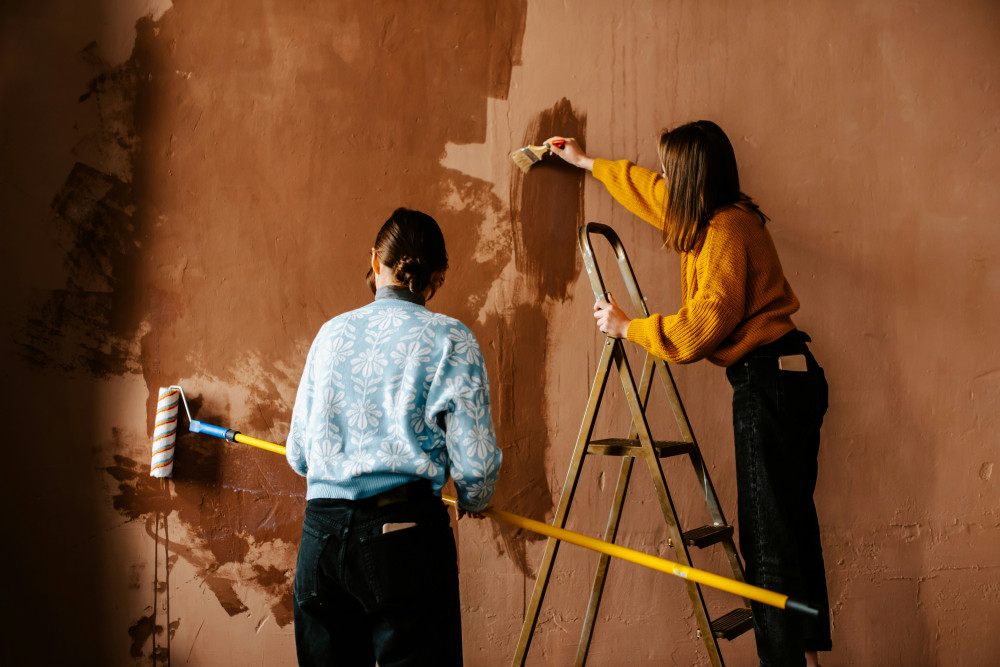
Walls are among the most visible surfaces in your home, and the level of wear varies greatly depending on the room.
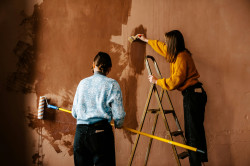
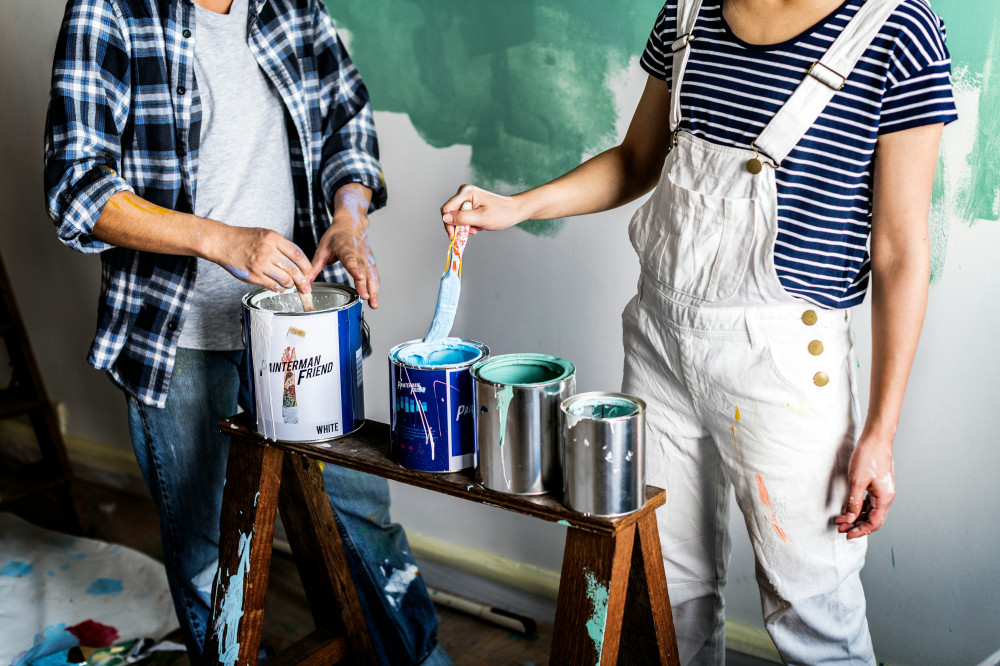
- Living rooms and bedrooms: These spaces experience light wear. A standard interior paint with an eggshell or matte finish is usually sufficient. It hides minor imperfections and can be wiped clean with a damp cloth.
- Kitchens and laundry rooms: These areas need more durable finishes. Choose a washable paint with a satin or semi-gloss sheen that can handle grease, steam, and frequent cleaning. Behind the stove, consider adding a glass or stainless-steel backsplash for extra protection.
- Kids’ rooms and hallways: These walls often face fingerprints, scuffs, and bumps. A scrubbable paint with a higher sheen makes cleaning easier and keeps the space looking fresh.
A good tip is to use the same color in different finishes throughout your home. That way, you maintain a cohesive look while adapting to each room’s needs.
Ceilings – low wear, high impact
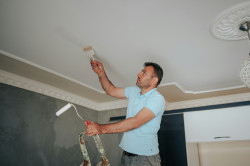
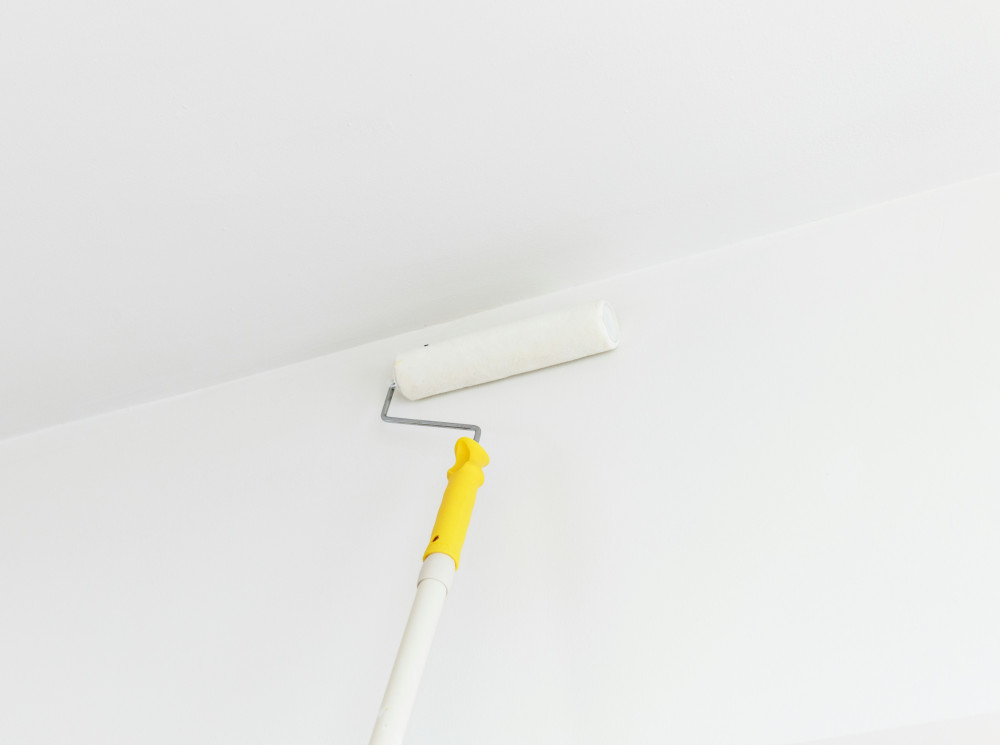
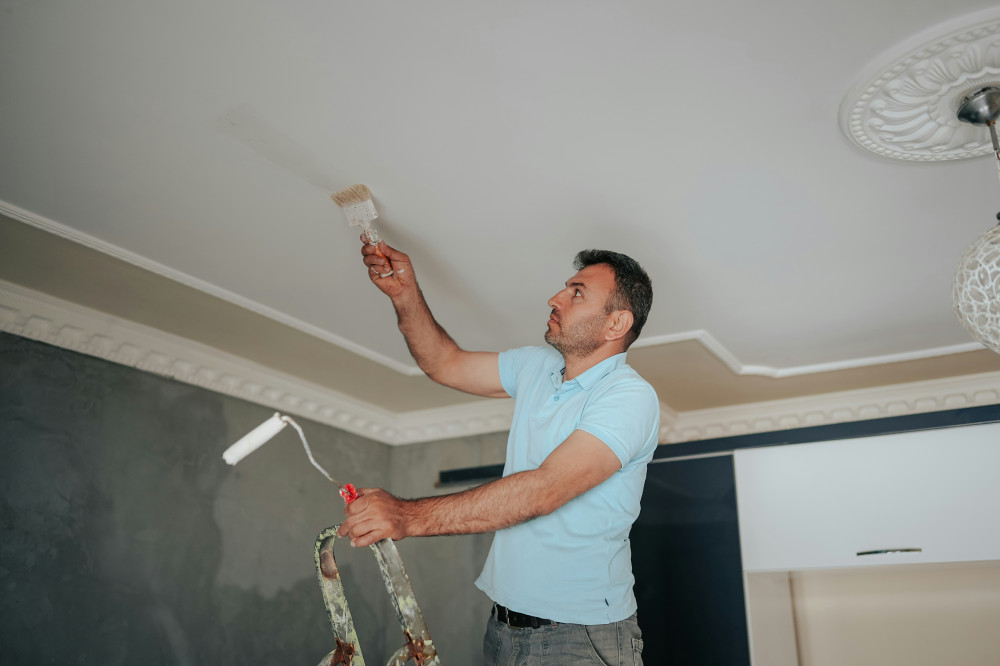
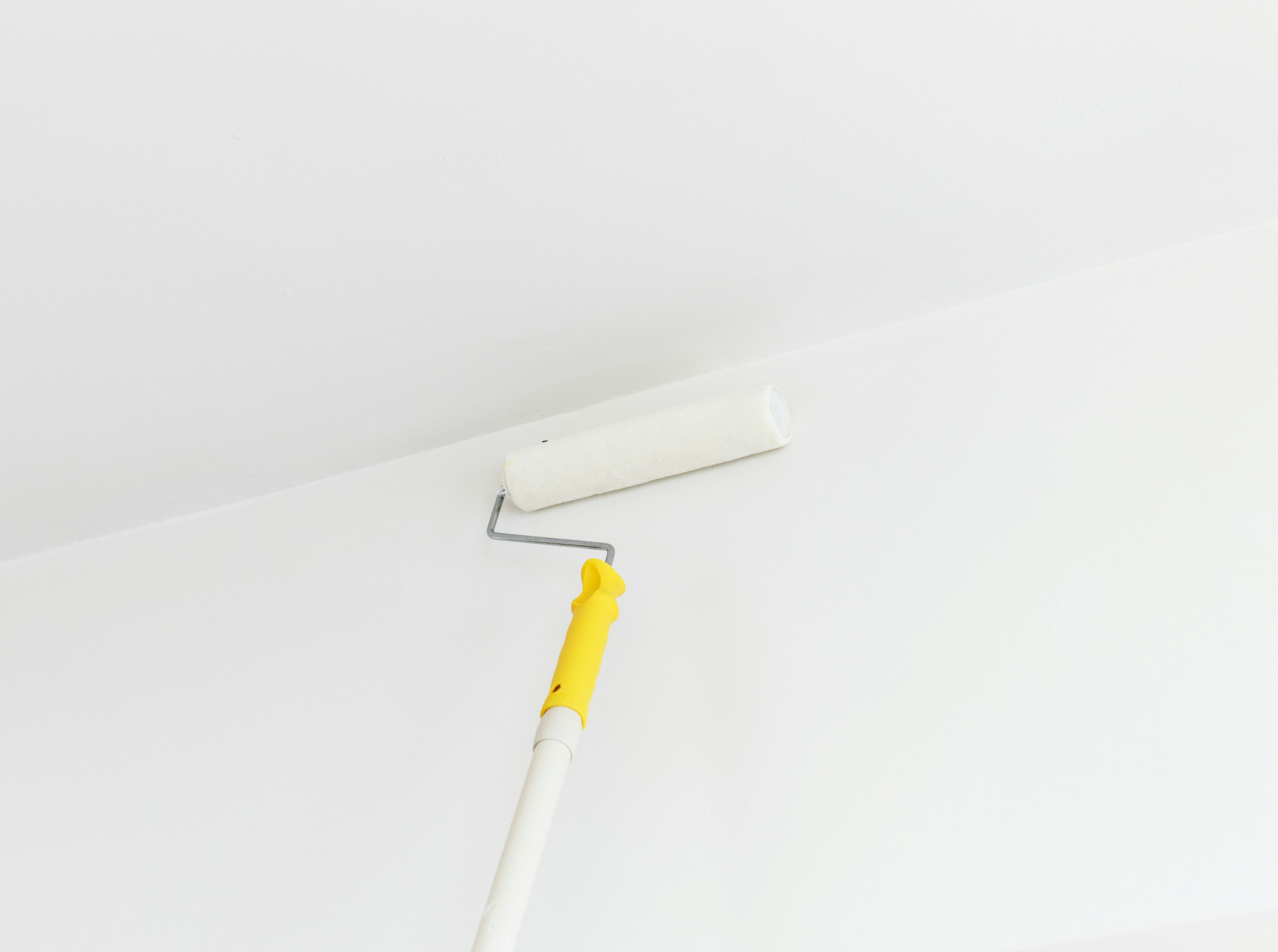
Ceilings don’t get much physical contact, but they do collect dust, moisture, and sometimes smoke or cooking residue. In most rooms, a flat or matte ceiling paint works best—it hides imperfections and creates a calm, even appearance.
In kitchens and bathrooms, however, choose a moisture-resistant paint with a bit more sheen, such as satin. Always clean the ceiling lightly before painting, especially in the kitchen, where grease can affect adhesion.
Floors – where wear really matters
Floors take the most abuse in any home. The right treatment depends on both the material and how the space is used.
- Hardwood floors: Need a finish that protects against wear and moisture. Polyurethane provides a tough, easy-to-clean surface, while oil finishes highlight the wood’s natural grain and can be spot-repaired. In high-traffic areas like entryways and kitchens, polyurethane is often the most durable choice.
- Vinyl and linoleum: Require regular cleaning and occasional care with products designed to maintain their shine. Avoid excessive water, which can seep into seams and cause damage.
- Tile: Extremely durable and easy to clean, but grout lines can discolor over time. Apply a grout sealer to protect against moisture and stains.
A practical tip: place doormats at every entrance. They trap dirt and grit that would otherwise scratch and wear down your floors.
Countertops and work surfaces
Kitchen countertops face constant exposure to water, heat, and sharp objects, so they need special attention.
- Wood countertops: Should be oiled regularly to resist moisture and stains. Use a food-safe oil and wipe up spills immediately.
- Laminate: Low-maintenance and affordable, but not heat-resistant. Always use cutting boards and trivets to prevent damage.
- Natural stone: Materials like granite and marble are beautiful but porous. Seal them periodically to prevent staining from acidic foods and liquids.
Choosing materials that fit your lifestyle helps you avoid unnecessary wear and keeps your kitchen looking its best.
Bathrooms – the challenge of moisture
Bathrooms are the most humid rooms in the house, and that calls for special surface treatments. Always use paints and sealants designed for wet areas. Walls that come into direct contact with water should be tiled or covered with waterproof panels, while other walls can be painted with moisture-resistant paint.
Ventilation is key—both to protect surfaces and to prevent mold. Make sure your exhaust fan works properly, and let it run for a few minutes after every shower.
Læs også:
Maintenance – small habits, big results
Even the best materials last longer with regular care. Dust and clean surfaces with mild products, and fix small issues before they grow. A scratch in the floor finish or a stain on the wall is easier to handle right away than later.
Consider keeping a simple maintenance log noting when you last painted, oiled, or sealed a surface. It helps you stay on top of upkeep and plan ahead for the next round.
A home that lasts – and looks good doing it
Choosing and maintaining the right surfaces isn’t just about looks—it’s about function and longevity. When you match materials and finishes to each room’s level of wear, you create a home that’s both beautiful and practical, one that stays in great shape for years to come.
Læs også: