Paint with Two Colors on the Same Wall – Without a Visible Transition

Master the art of blending two paint colors for a flawless, designer-inspired wall finish
Meter
Meter
5 min
Discover how to paint a wall in two colors without leaving a visible line between them. With the right preparation, tools, and blending technique, you can create a smooth transition that adds depth and style to any room.
Ruby Reyes
Ruby
Reyes

Paint with Two Colors on the Same Wall – Without a Visible Transition

Master the art of blending two paint colors for a flawless, designer-inspired wall finish
Meter
Meter
5 min
Discover how to paint a wall in two colors without leaving a visible line between them. With the right preparation, tools, and blending technique, you can create a smooth transition that adds depth and style to any room.
Ruby Reyes
Ruby
Reyes

Painting a wall in two colors can add depth, character, and personality to any room. The challenge, however, lies in creating a smooth, seamless transition between the two shades—without a harsh line that breaks the flow. Fortunately, with the right technique and a bit of patience, you can achieve a beautiful, blended effect that looks both natural and professional. Here’s a step-by-step guide to painting with two colors on the same wall without a visible transition.

Plan Your Colors and Layout

Before you start, choose colors that complement each other. Two shades of the same color—like a light and a darker gray—create a calm, sophisticated look. If you prefer more contrast, pick two different colors, but make sure they share a similar tone or temperature (both warm or both cool).

Decide where you want the transition to appear. Should it be horizontal across the middle of the wall, vertical in a corner, or diagonal for a more creative effect? Lightly mark the area with a pencil so you have a guide for where the colors will meet.

Prepare the Wall Properly

A smooth, clean surface is key to a flawless finish. Start by washing the wall to remove dust and grease. Fill any holes or cracks with spackle, then sand the surface once it’s dry. If you’re painting over a dark color or a porous surface, apply a primer to ensure even coverage.

Protect your floors, trim, and outlets with painter’s tape and drop cloths. Good preparation makes the painting process easier and cleaner.

Paint the First Color

Begin with the lighter color. Paint the entire wall or the section where that color will go, and let it dry completely. It’s important that the first coat is fully dry before you start blending—otherwise, the colors may mix too much and turn muddy.

Once dry, lightly mark the area where the transition will occur. Avoid taping directly over this section, as you’ll need to work freely with brushes and sponges to blend the colors.

Create a Soft Transition

Now comes the fun—and slightly tricky—part: blending the two colors so the transition looks natural. There are two main methods you can use:

1. The Sponge Method

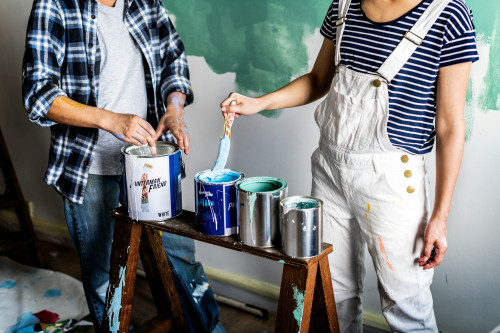
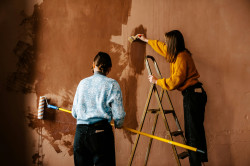
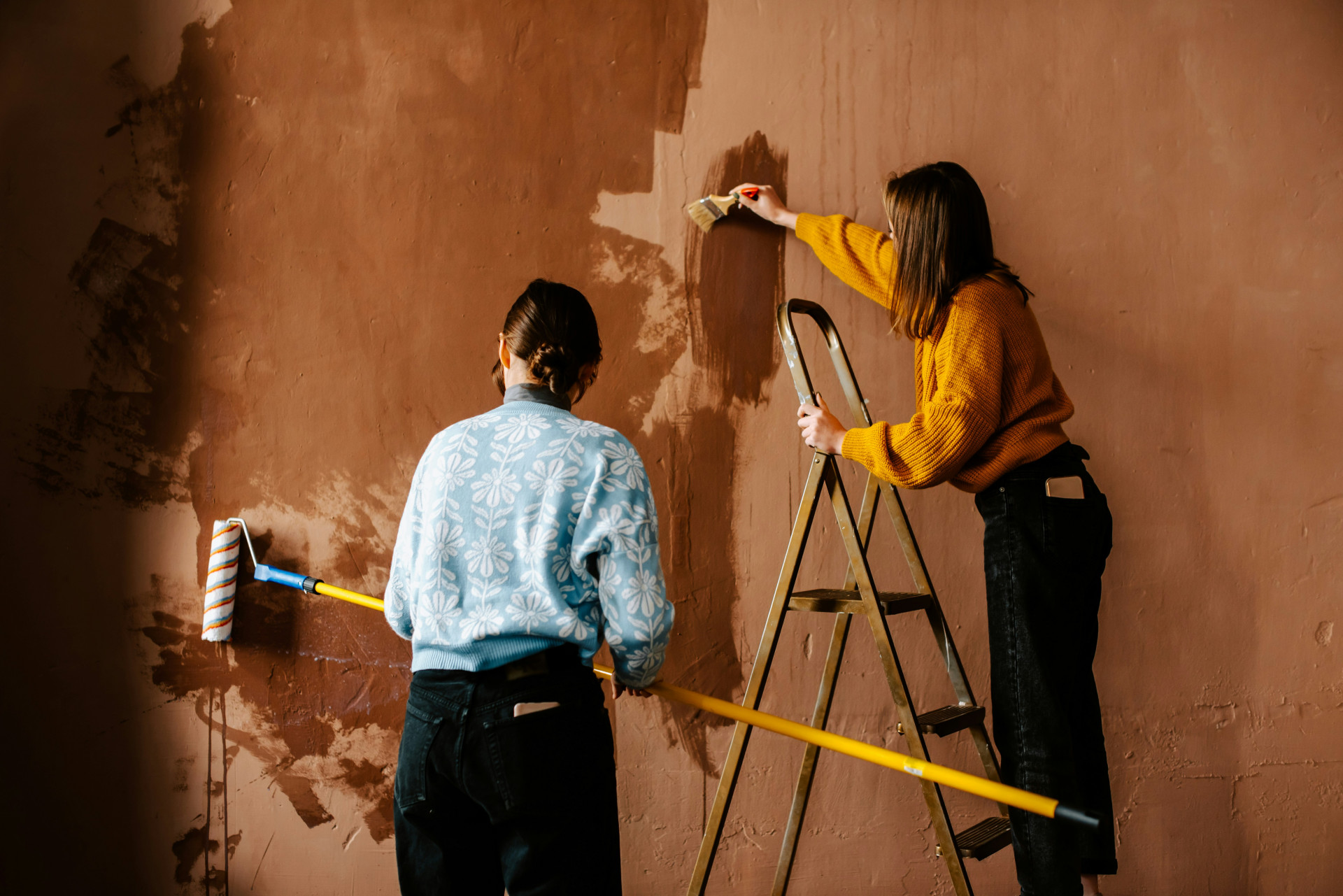
Use a damp sponge to dab the darker color gently over the edge of the lighter one. Work in small sections, using light, tapping motions to gradually merge the colors. You can also use a dry brush to soften the transition even more. This technique creates a soft, cloudy effect that feels organic and subtle.

2. The Brush and Roller Method

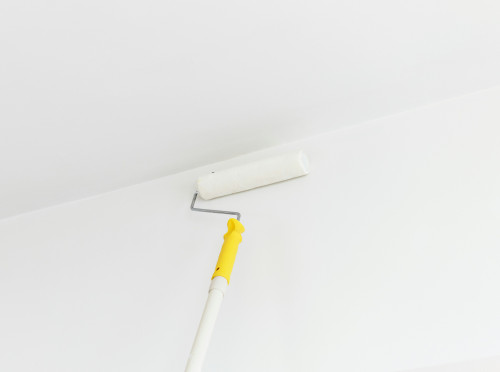
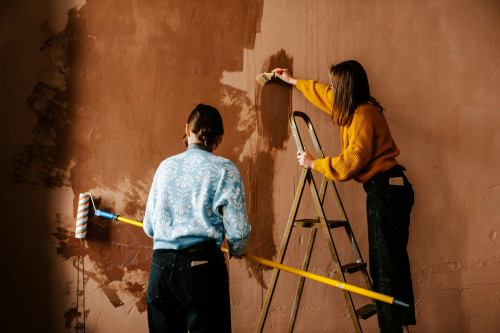
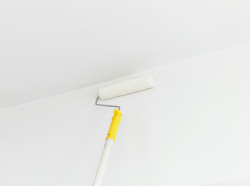
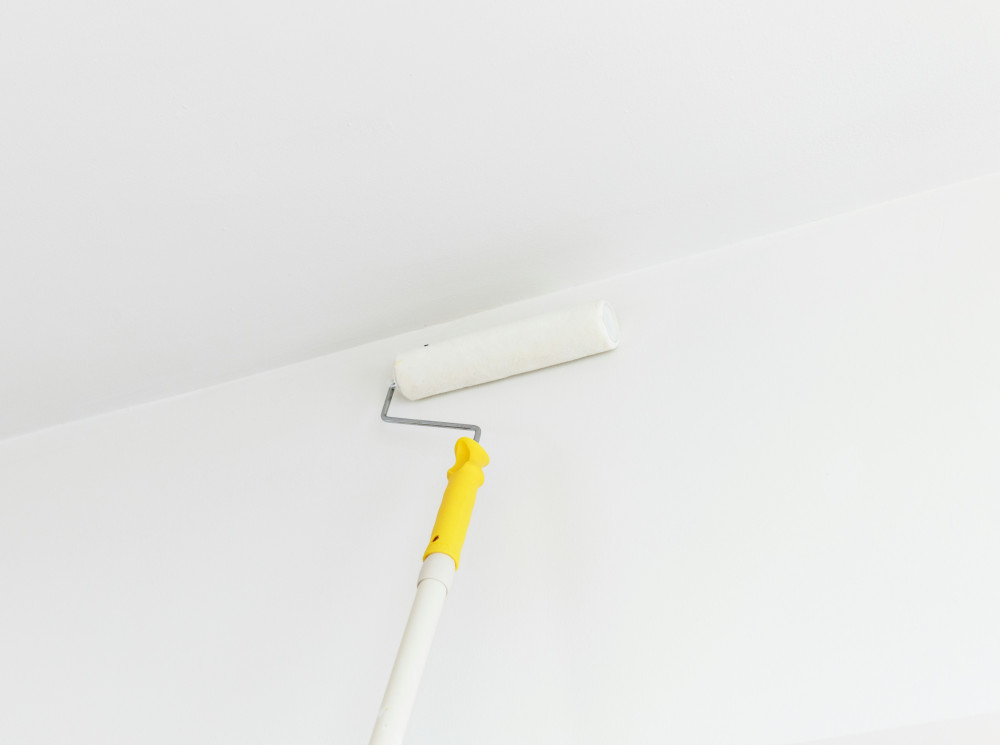
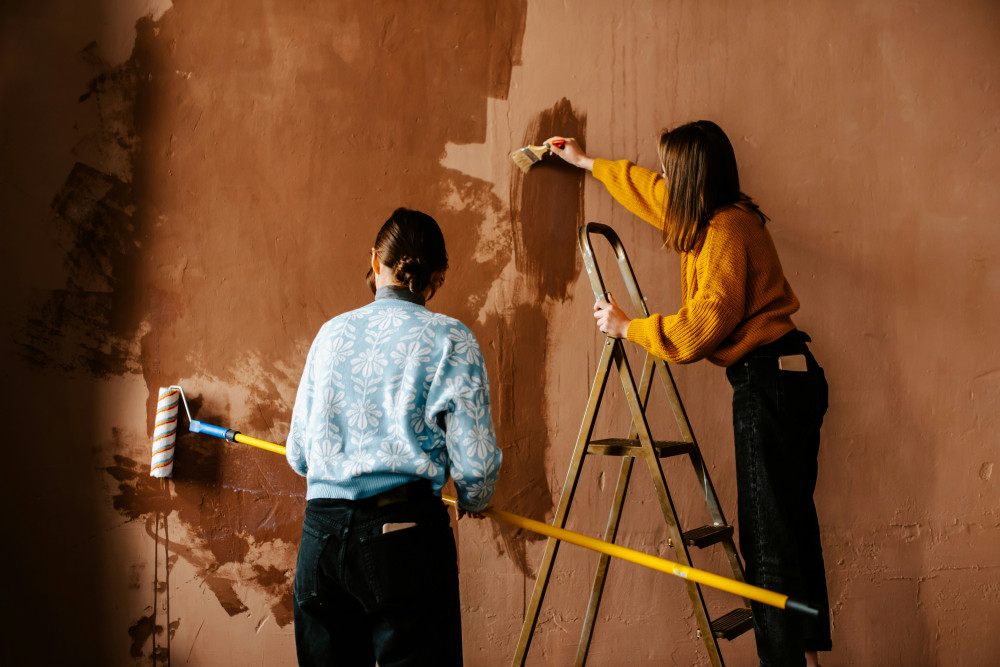
Roll the darker color up to the transition area. While the paint is still wet, use a clean, dry brush to lightly drag the darker color into the lighter one with quick, short strokes. Repeat as needed until the blend looks even. This method takes a bit of practice but produces a refined, professional result.

Whichever method you choose, work quickly while the paint is still wet. If you notice uneven spots, you can always let the paint dry and apply another thin layer to adjust the blend.

Touch Up and Evaluate

Once the paint is dry, step back and look at the wall in natural daylight. Sometimes the transition may appear sharper while the paint is still drying. If you want a softer effect, repeat the blending process with a light hand and minimal paint.

When you’re satisfied, remove the painter’s tape and drop cloths, and admire your work—a wall with depth, warmth, and a seamless finish.

Tips for a Professional Look

  • Use high-quality paint – it blends more easily and gives a smoother finish.
  • Work in natural light so you can see the true colors and transitions.
  • Practice on a piece of cardboard or scrap wall before starting on the real surface.
  • Keep brushes and sponges slightly damp to help the colors merge smoothly.
  • Be patient – achieving a perfect blend takes time and small adjustments.

A Simple Way to Refresh Your Home

Painting with two colors on the same wall is an easy way to transform a room without repainting everything. It can make ceilings appear higher, walls look wider, or simply add a touch of creativity to your space. With a bit of planning and care, you can create a seamless, stylish transition that looks like it was done by a pro—and gives your home a fresh, modern feel.

Paint with Two Colors on the Same Wall – Without a Visible Transition
Master the art of blending two paint colors for a flawless, designer-inspired wall finish
Meter
Meter
Interior Design
Home Improvement
Painting Tips
DIY Projects
Wall Decor
5 min
Discover how to paint a wall in two colors without leaving a visible line between them. With the right preparation, tools, and blending technique, you can create a smooth transition that adds depth and style to any room.
Ruby Reyes
Ruby
Reyes
Sand Walls and Ceilings Without Damaging the Surface – Here’s How
Achieve smooth, flawless walls and ceilings without risking damage
Meter
Meter
Home Improvement
DIY
Interior Painting
Wall Preparation
Renovation
2 min
Learn how to sand walls and ceilings the right way to prepare for painting or repairs. This guide walks you through the tools, techniques, and common mistakes to avoid so you can get professional results without harming the surface.
Braxton Robinson
Braxton
Robinson
Plan Your Exterior Painting Project Step by Step for an Efficient and Beautiful Result
Transform your home’s exterior with smart planning and the right painting techniques
Meter
Meter
Exterior Painting
Home Improvement
DIY
House Maintenance
Curb Appeal
6 min
Give your house a fresh, lasting look with a well-planned exterior painting project. Learn how to prepare surfaces, choose the best paint and tools, and follow each step for a professional finish that enhances both beauty and durability.
Nolan Evans
Nolan
Evans
Light and Life: How Lighting Affects Our Mood and Perception of Space
Discover how the right lighting can transform your mood, health, and sense of space
Trend
Trend
Lighting
Interior Design
Well-Being
Mood
Home Decor
7 min
Light influences more than what we see—it shapes how we feel and interact with our surroundings. Learn how different types of lighting, from natural daylight to layered indoor solutions, can enhance well-being, boost energy, and create harmony in your home or workspace.
Christian Richardson
Christian
Richardson
Make Your Home Personal with Books, Photos, and Memories
Turn your living space into a reflection of your life and personality
Trend
Trend
Home Decor
Personal Style
Interior Design
Memories
Inspiration
7 min
Discover how books, photos, and cherished memories can transform your house into a truly personal home. Learn to balance style and sentiment to create a space that tells your story and feels uniquely yours.
Kinsley Lee
Kinsley
Lee
Home design that makes everyday life easier and more comfortable
Thoughtful design ideas for a home that supports your daily life
Trend
Trend
Home Design
Interior Inspiration
Smart Living
Comfort
Everyday Life
5 min
Discover how smart design choices can make your home more functional, relaxing, and enjoyable. From lighting and storage to natural materials and technology, learn how to create a space that truly works for you.
Ruby Reyes
Ruby
Reyes
Home Style as a Reflection of Your Personality
Discover how your home’s design choices reveal your unique character and lifestyle
Trend
Trend
Interior Design
Home Decor
Personal Style
Lifestyle
Psychology of Color
4 min
Your home is more than just a place to live—it’s a reflection of who you are. From color palettes to furniture arrangements, every detail tells a story about your personality, values, and way of life. Learn how to express yourself through your home style and create a space that truly feels like you.
Braxton Robinson
Braxton
Robinson
Balance Between Function and Aesthetics – The Key to a Harmonious Home
Discover how to create a home that is both beautiful and practical
Trend
Trend
Interior Design
Home Decor
Functionality
Aesthetics
Lifestyle
3 min
Learn how to strike the perfect balance between function and aesthetics in your home. Explore how thoughtful design choices can make your space not only visually appealing but also comfortable, efficient, and uniquely yours.
Nolan Evans
Nolan
Evans