Stay Warm: How to Choose the Right Bedding for Winter


Stay Warm: How to Choose the Right Bedding for Winter
When the temperature drops and the nights grow longer, few things feel better than slipping into a cozy bed. But even the warmest comforter can’t do the job alone—your bedding plays a big role in how well you stay warm. The right material, weave, and fit can make the difference between a night of shivering and a night of restful sleep. Here’s a guide to choosing the best bedding for winter.
Choose the Right Material
Material is the most important factor when it comes to warmth. Some fabrics insulate better, while others wick away moisture to keep you comfortable all night.
- Flannel – A winter classic. Flannel is cotton that’s been brushed to create a soft, fuzzy surface. Those tiny fibers trap air, helping to retain heat and giving you that cozy, cabin-like feel.
- Cotton sateen – Smooth and tightly woven, sateen feels warm and silky against the skin. It’s a great choice if you want a touch of luxury without sacrificing warmth.
- Percale cotton – Crisp and breathable, percale is cooler than flannel but still comfortable for those who tend to sleep warm. It’s ideal if your bedroom stays well-heated.
- Linen – Not just for summer. Linen naturally regulates temperature, keeping you warm when it’s cold and cool when it’s warm. It’s perfect if you fluctuate between feeling chilly and overheated.
Try to avoid synthetic fabrics like polyester if you tend to get hot at night—they can trap heat and feel less breathable.
Pay Attention to the Weave
Even within the same material, the weave can make a big difference. A tighter weave holds in more warmth, while a looser weave allows for better airflow.
- Tight weaves (sateen, flannel) – Retain heat and feel soft and smooth.
- Looser weaves (percale, linen) – More breathable but less insulating.
If you live in an older home or your bedroom tends to be drafty, a tighter weave will help you stay warm. In newer, well-insulated homes, a lighter weave might be more comfortable.
Fit and Size Matter
Bedding that fits your comforter or duvet properly helps trap warmth. If the cover is too large, cold air can sneak in through gaps. Make sure your duvet fills the cover completely and that buttons or zippers close securely.
A small tip: choose a flannel or jersey fitted sheet instead of smooth cotton. It feels warmer when you first get into bed and helps retain body heat through the night.
Add Warmth with Color and Texture
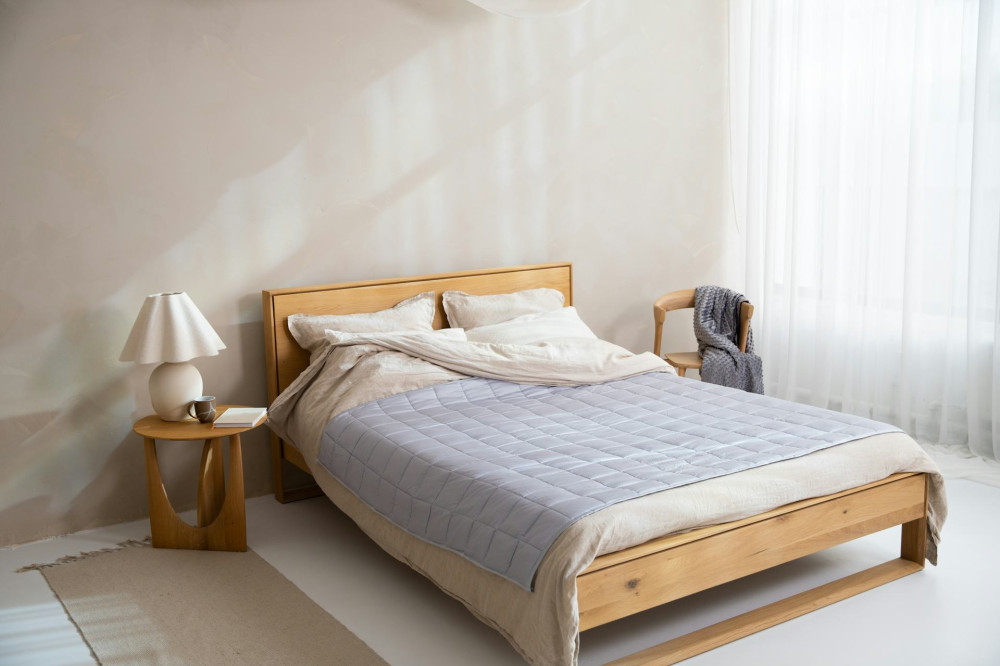
While color doesn’t directly affect temperature, it can influence how cozy your bedroom feels. Deep, rich tones like burgundy, forest green, or navy create a warm, inviting atmosphere. If you prefer lighter shades, go for creamy neutrals or soft blush tones to keep the space feeling calm and comfortable.
Læs også:



Care and Maintenance
To keep your bedding soft and warm, wash and dry it properly. Follow the care instructions on the label—usually warm water is best—and avoid using too much fabric softener, which can reduce breathability. Tumble dry on low heat or line dry to preserve the fabric’s texture and warmth.
It’s a good idea to have at least two sets of winter bedding so you can rotate them without wearing them out too quickly.
Create a Cozy Sleep Environment
Bedding is just one part of staying warm. To make your bedroom a true winter retreat, consider adding:
- A warm comforter or duvet with a high fill power (down or down-alternative for winter use).
- A wool or fleece throw at the foot of the bed for extra insulation.
- A heating pad or hot water bottle if you often have cold feet.
- Thermal curtains or blackout shades to keep out drafts and retain heat.
When you combine the right bedding with a comfortable sleep environment, you’ll not only stay warm but also sleep more soundly and wake up refreshed.
Winter Comfort Is All About Balance
The best winter bedding isn’t just about trapping heat—it’s about finding the right balance between warmth and breathability. Too much heat can make you restless, while too little can keep you awake. Choose materials that suit your body temperature and your home’s climate, and create a bedroom that feels like a warm, welcoming haven when the cold sets in.
Læs også: