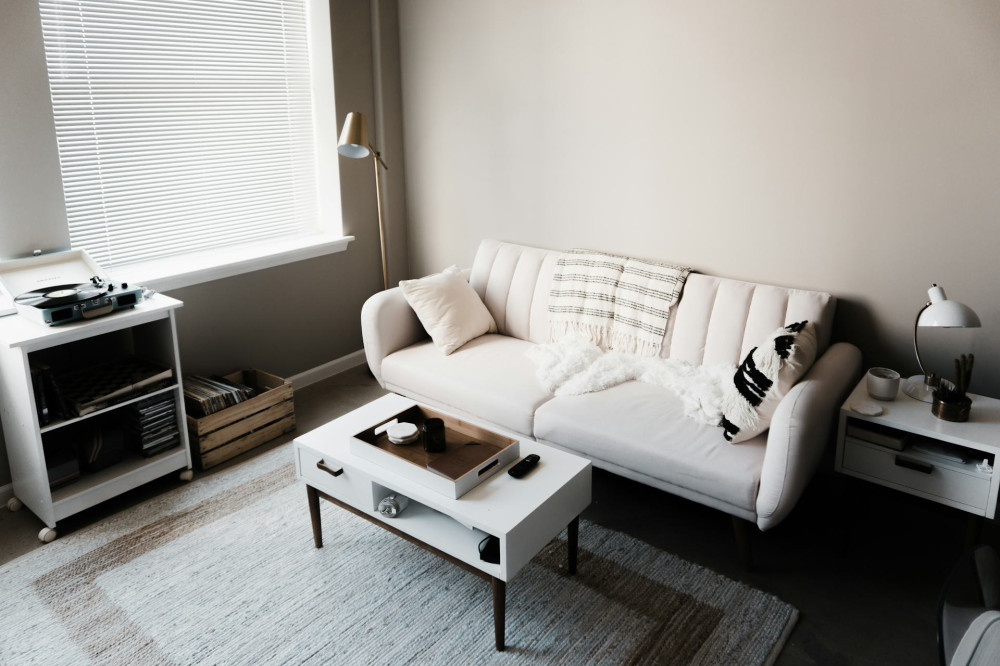
Find the Balance Between Shared and Personal Elements in the Bedroom

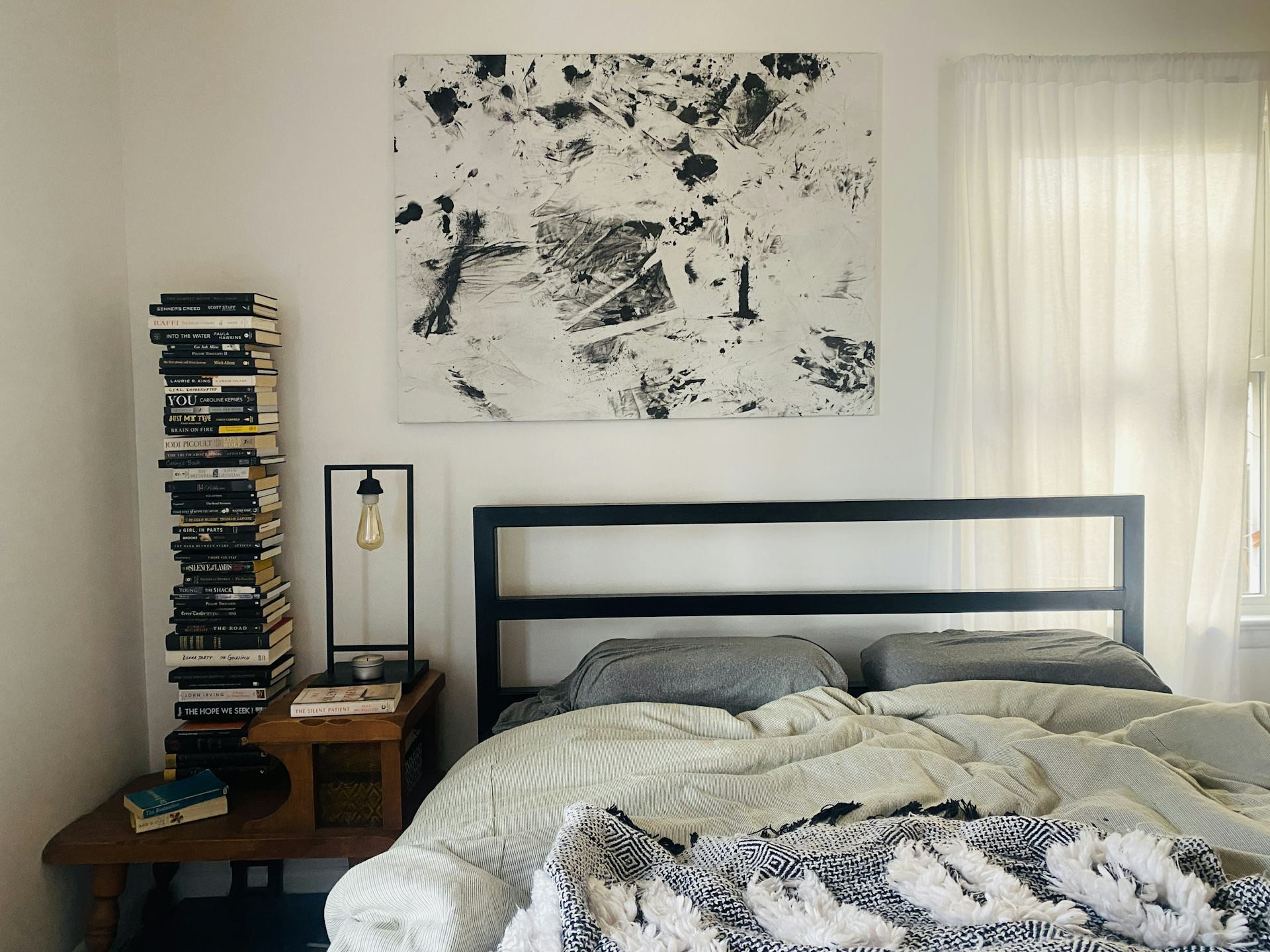
Find the Balance Between Shared and Personal Elements in the Bedroom
The bedroom is one of the most intimate spaces in any home—a place for rest, connection, and self-expression. For couples, however, it can be tricky to create a space that feels like ours without losing the sense of mine. How do you strike the right balance between shared harmony and individual personality? Here’s how to design a bedroom that reflects both.
A Shared Space with Two Personalities
When two people share a bedroom, different habits, tastes, and needs come together. One might prefer a calm, minimalist look, while the other loves color and cozy details. Instead of seeing these differences as a challenge, think of them as an opportunity to create a richer, more layered space.
Start by talking about what the bedroom should do for you both. Is it purely a place to rest, or should it also include a reading nook, workspace, or extra storage? Once you agree on the room’s purpose, it becomes easier to find a style that fits you both.
Create a Calm Foundation with Neutral Elements
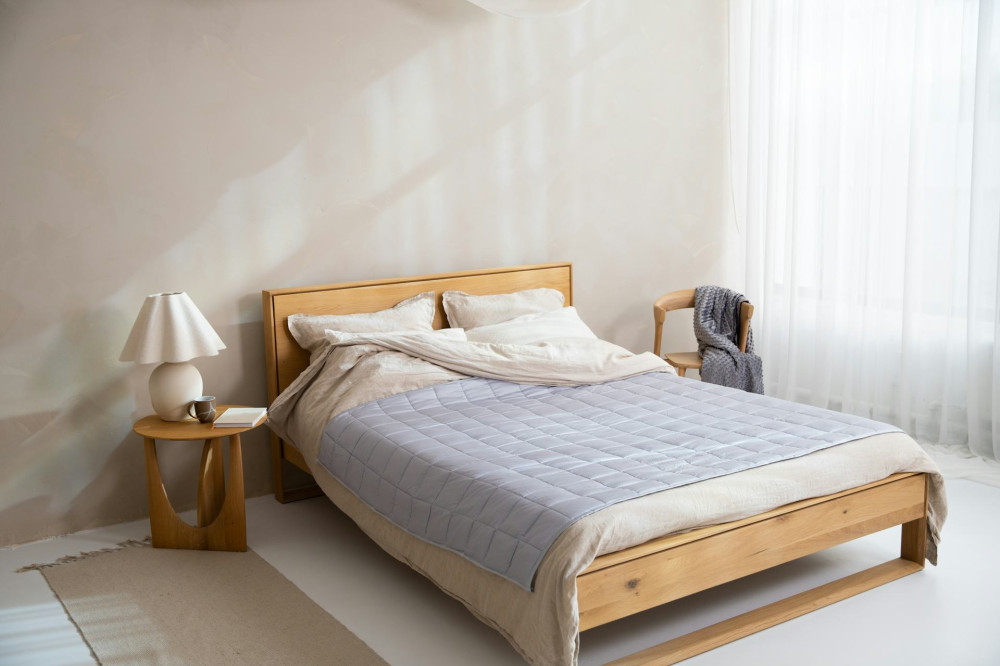
A neutral base is a great starting point—it provides a sense of calm and makes it easier to add personal touches without overwhelming the space. Choose soft, versatile tones like warm white, beige, gray, or muted blues. These colors create a soothing atmosphere that works with many styles.
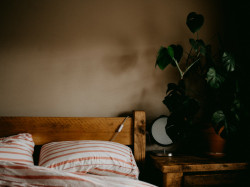
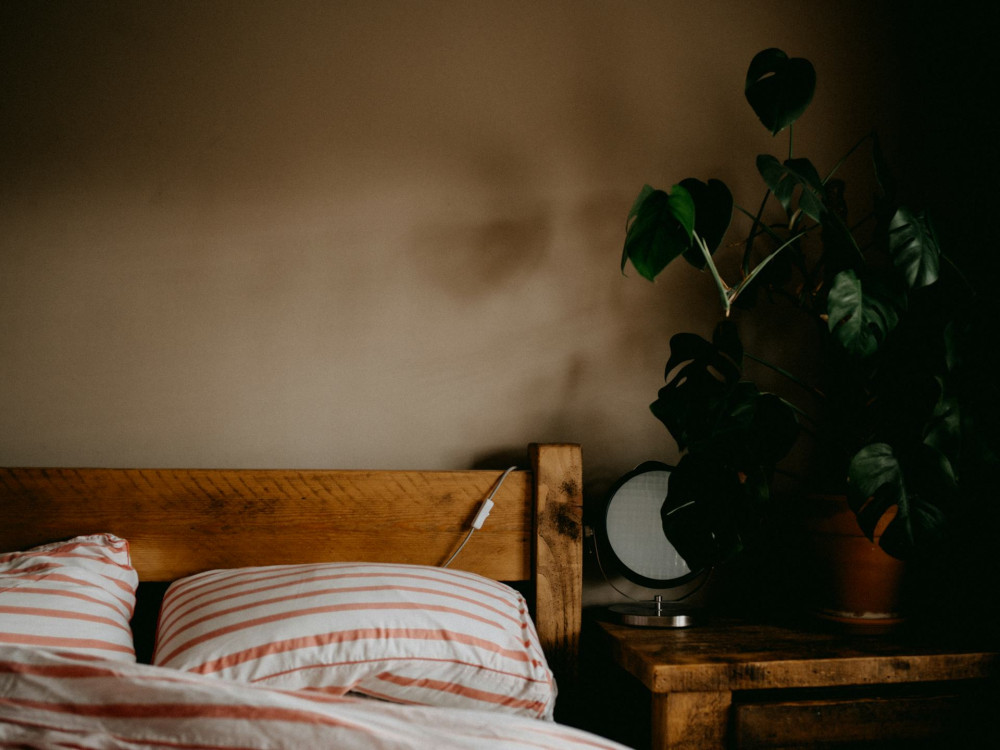
Natural materials such as cotton, linen, wood, and wool add warmth and texture. They also help the room feel grounded and comfortable—qualities that both partners can appreciate.
Make Room for Individual Expression
Even in a shared space, it’s important that each person feels represented. You can do this in subtle, thoughtful ways:
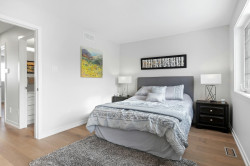
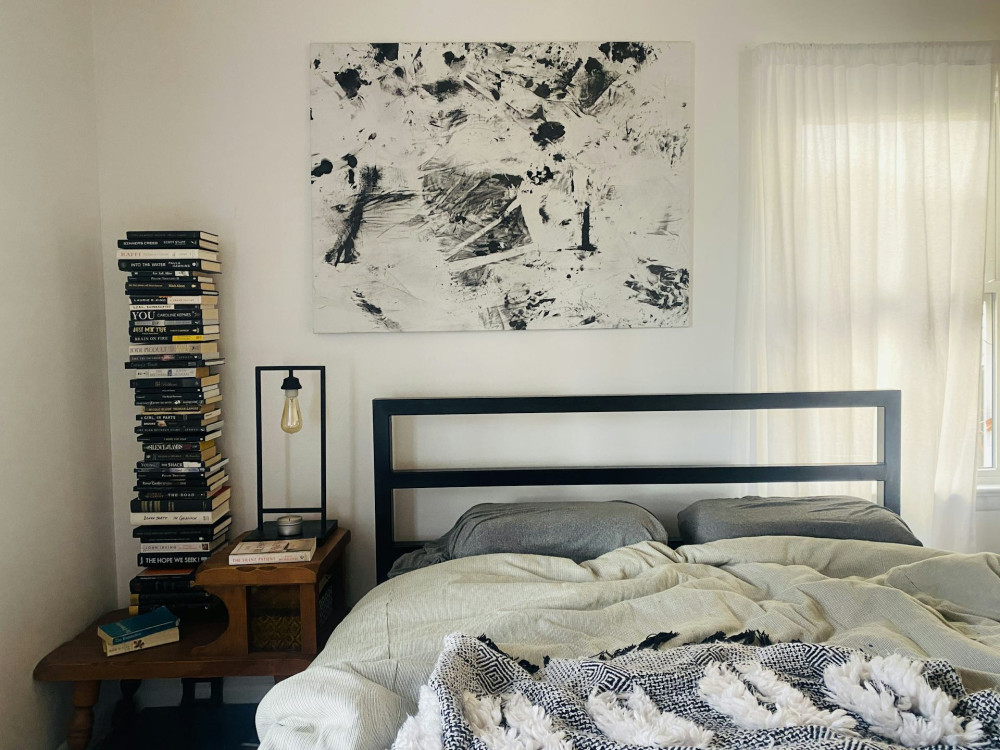
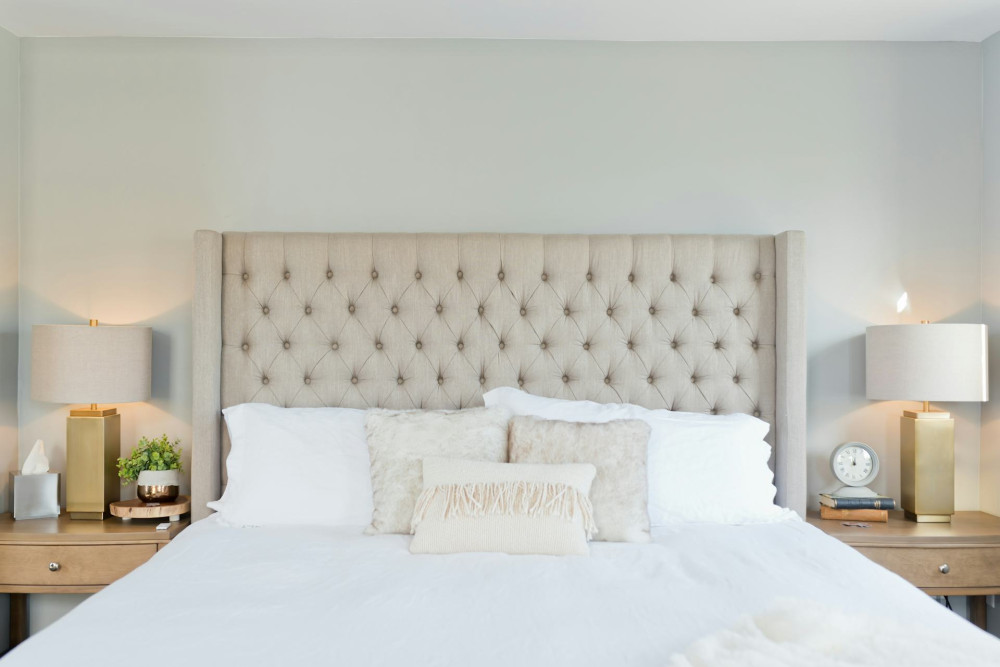
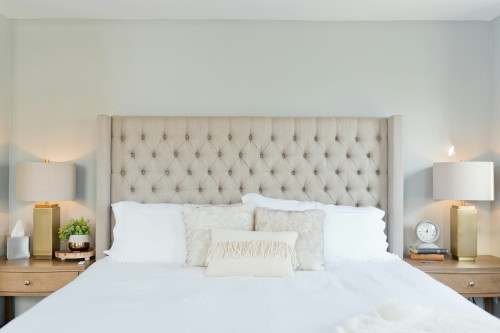
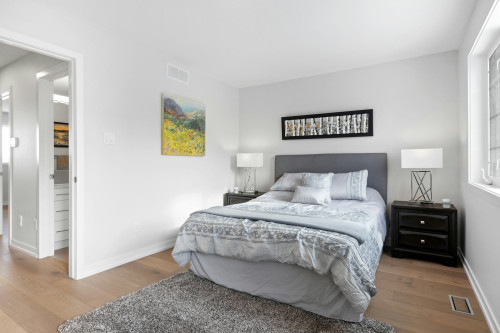
- Personal nightstands: Give each side of the bed its own look with lamps, books, or small objects that reflect individual interests.
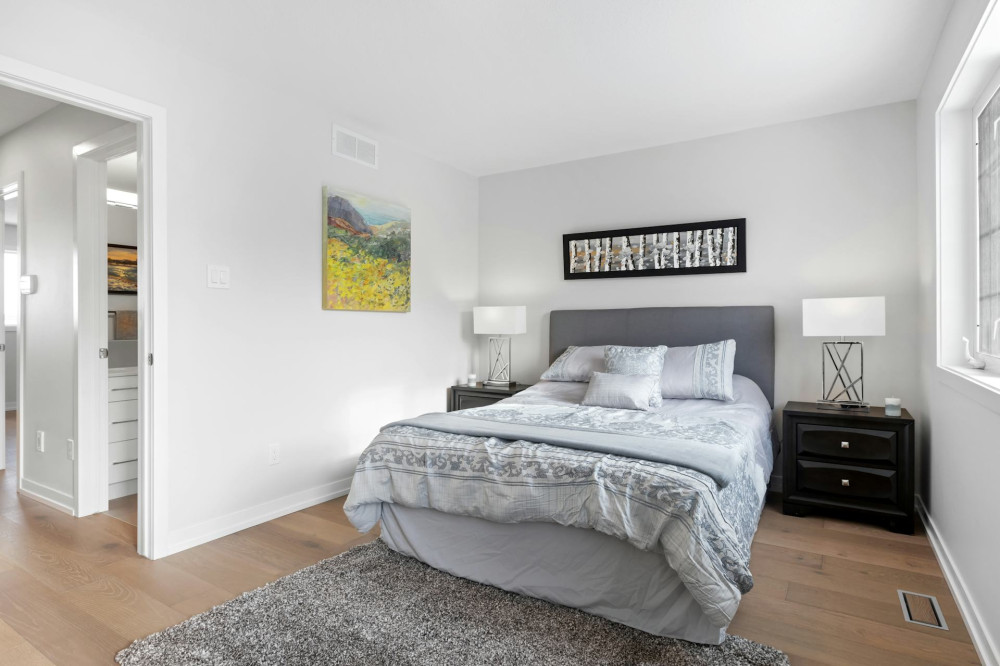
- Art and photos: Mix shared pieces—like a favorite photo together—with personal artwork or prints on each side of the room.
- Textiles and accents: Use throw pillows, blankets, or decorative items to bring in colors and patterns that speak to your personal style.
These small touches help the room feel balanced—shared yet personal, unified yet unique.
Light and Mood—Finding Your Shared Rhythm
Lighting plays a huge role in how a bedroom feels. Some people prefer total darkness, while others like a bit of morning light to wake up gently. Look for flexible solutions: blackout curtains paired with sheer panels, dimmable lamps, or separate reading lights.
Try to create a shared rhythm with lighting, too. Soft, warm light in the evening encourages relaxation, while brighter light in the morning helps you start the day. The goal is to find a setup that supports both of your routines.
Læs også:
Let Shared Values Guide the Design
When decorating together, focus on shared values rather than specific styles. Maybe you both want the room to feel peaceful, natural, or luxurious. Once you define how you want the space to feel, it’s easier to choose colors, materials, and furniture that support that mood.
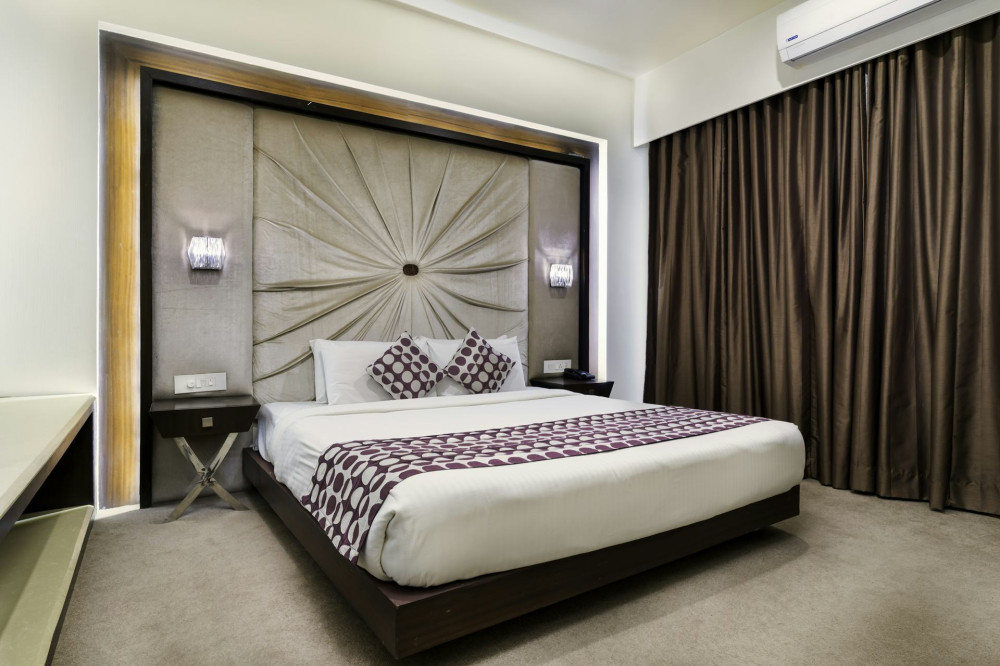
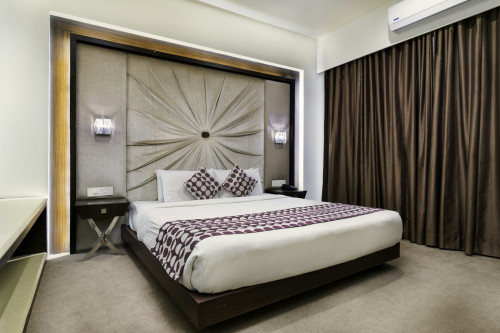
Consider adding a few unifying elements—a large area rug, a statement headboard, or a piece of art you both love. These shared features tie the room together and reinforce the sense of togetherness.
A Room That Evolves with You
A bedroom doesn’t have to be perfect right away. In fact, it’s often better when it evolves over time. Your needs and tastes may change, and the space can grow with you. Treat it as an ongoing project—a reflection of your life together.
Finding the balance between shared and personal elements ultimately comes down to respect and curiosity—for each other and for the space you share. When both people feel at home, the bedroom becomes more than just a place to sleep—it becomes a place to belong.
Læs også: