Bedroom Plants – For a Healthier Sleeping Environment

Bedroom Plants – For a Healthier Sleeping Environment
More and more Americans are discovering the benefits of adding greenery to their bedrooms – and not just for the aesthetic appeal. Indoor plants can help improve air quality, create a calming atmosphere, and even support better sleep. But which plants are best suited for the bedroom, and how do you care for them in a space that’s often cooler and receives less light? Here’s a guide to creating a fresher, more restful sleeping environment with the help of plants.
Why Add Plants to the Bedroom?
Plants have been shown to positively affect both air quality and overall well-being. They absorb carbon dioxide and release oxygen, and some species can even help filter out common indoor pollutants such as formaldehyde and benzene. The presence of greenery also has a soothing psychological effect, helping the body and mind unwind before bedtime.
While it’s sometimes said that plants “steal” oxygen at night, the effect is so minimal that it’s not a concern. In fact, a few well-chosen plants can make your bedroom feel more natural, balanced, and comfortable.
The Best Bedroom Plants
When choosing plants for your bedroom, consider the amount of natural light, the room’s temperature, and how much time you want to spend on maintenance. Here are some of the most popular and easy-to-care-for options:
- Peace Lily (Spathiphyllum) – Known for its ability to remove toxins from the air. It thrives in low to medium light and only needs moderate watering.
- Aloe Vera – A hardy succulent that releases oxygen at night and requires very little care. Perfect for a sunny windowsill.
- Areca Palm – Adds a tropical touch while helping to increase humidity levels in dry indoor air.
- Snake Plant (Sansevieria) – One of the toughest houseplants around, it also produces oxygen at night and tolerates low light.
- Lavender – Famous for its calming scent, which can promote relaxation and better sleep. It prefers bright light and well-drained soil.
These plants are not only beautiful but also functional, contributing to a healthier and more peaceful bedroom environment.
Læs også:




How to Arrange Your Plants
Placement matters – both for the plants’ health and for the overall look of your room. The goal is to create a sense of calm and freshness without overcrowding the space.
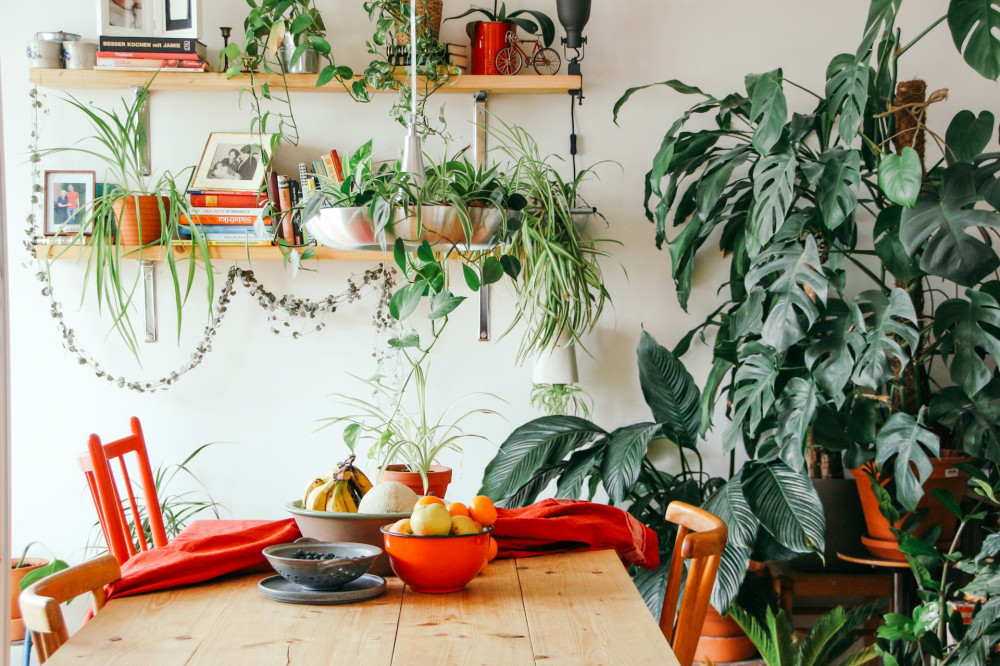
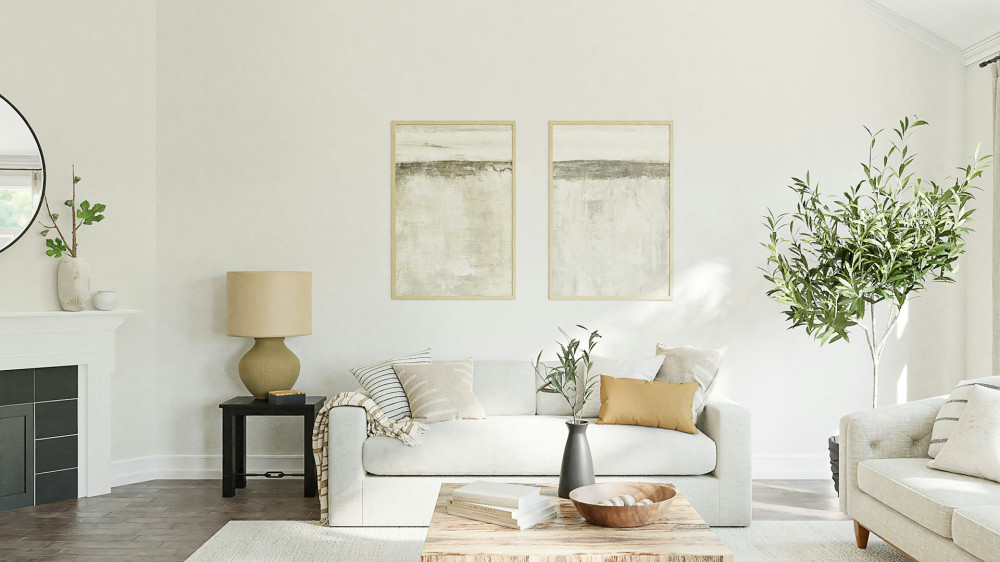
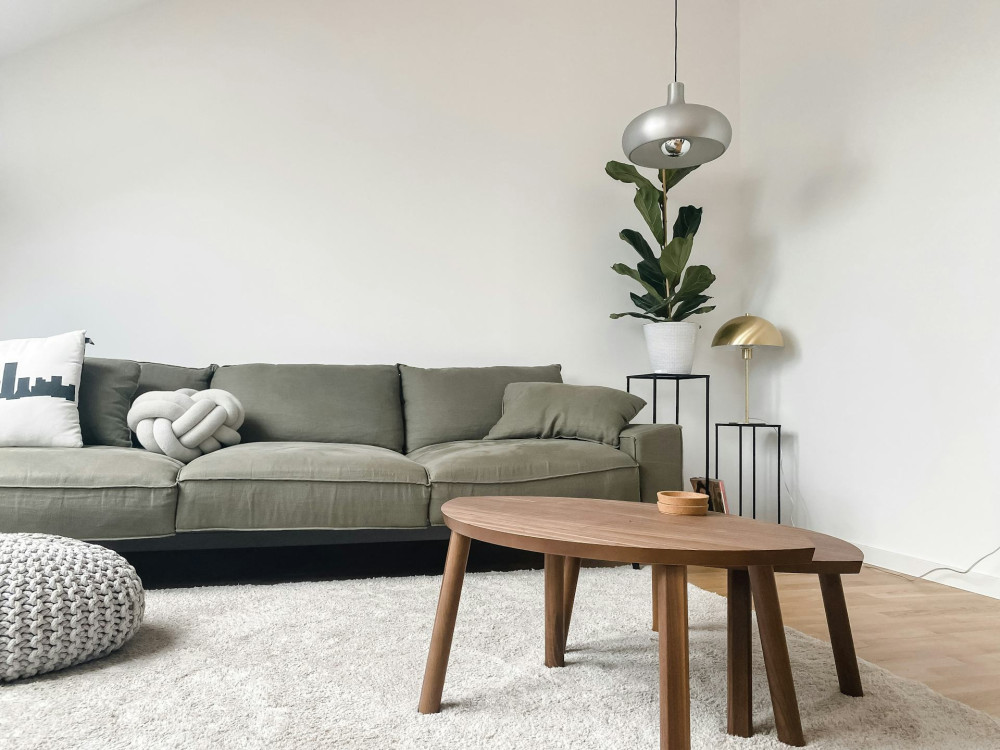
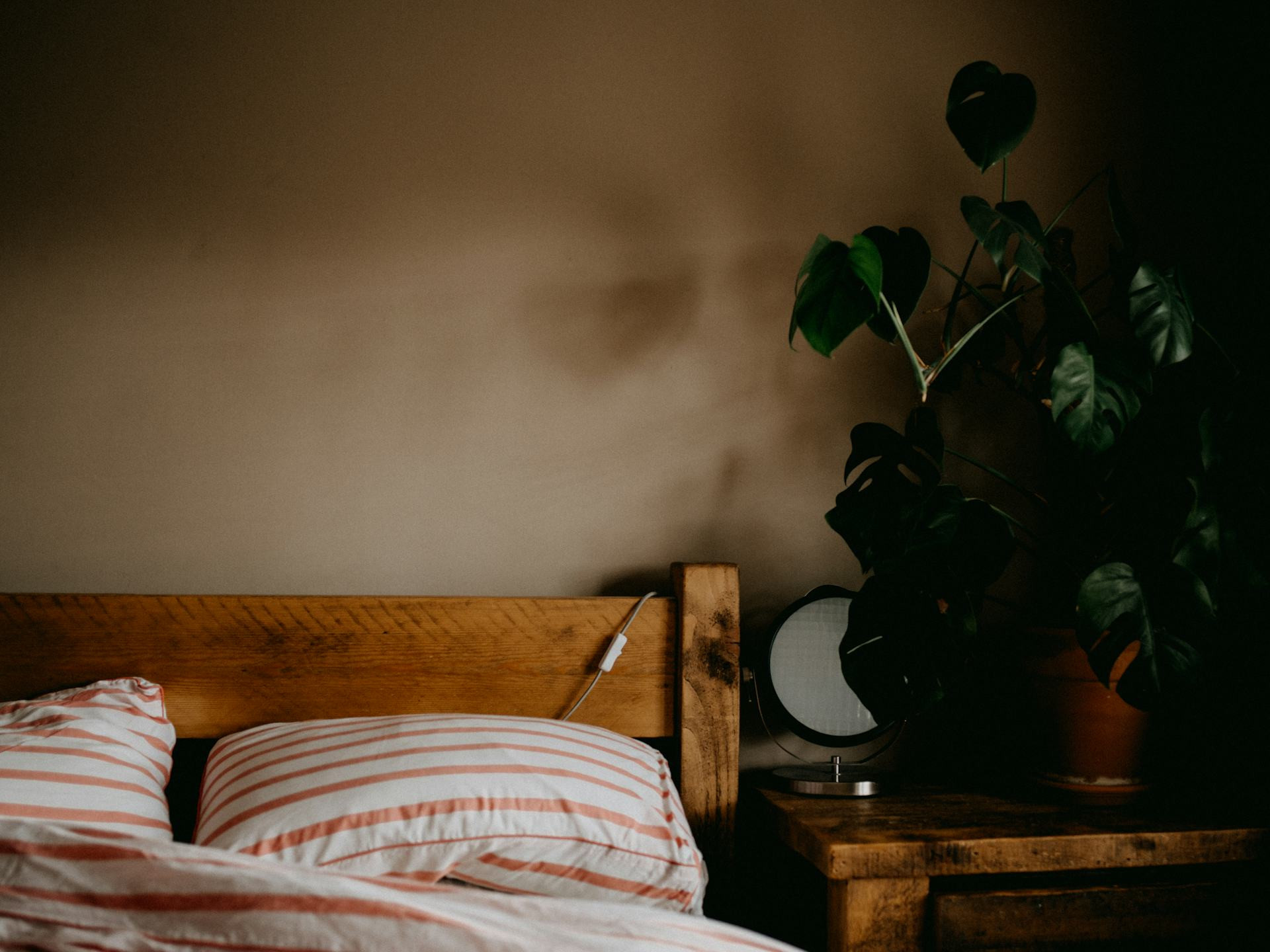
- Place a larger plant in a corner to add depth and softness.
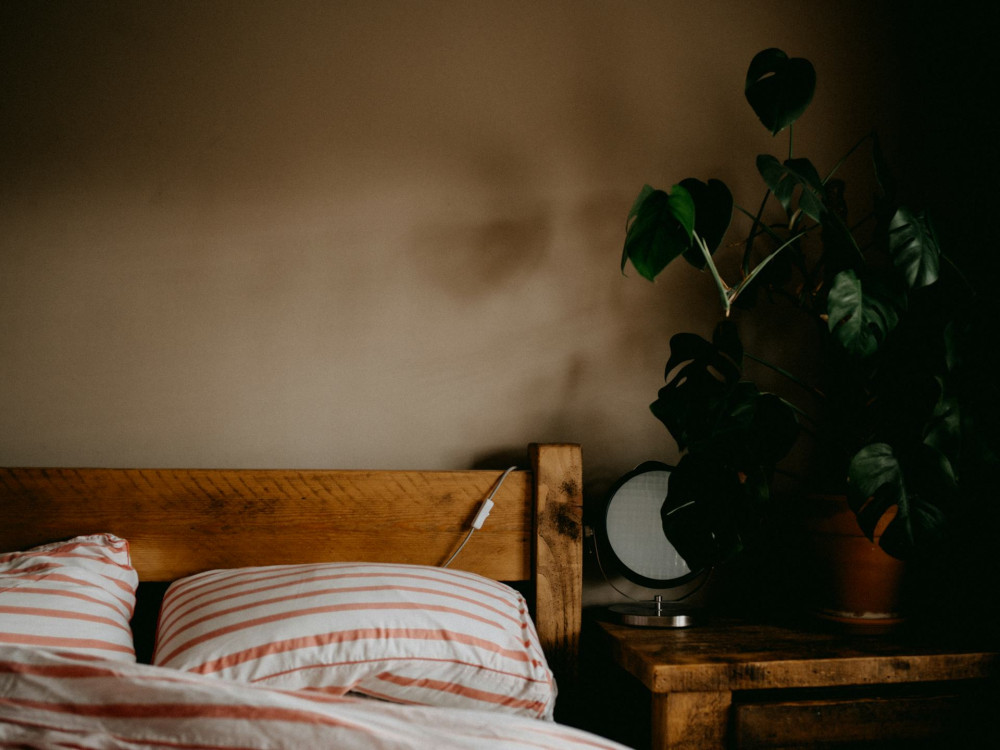
- Use small pots on your nightstand or windowsill for a light, balanced look.
- Avoid hanging plants directly above the bed, where soil or leaves might fall.
- Mix different heights and leaf shapes to create visual interest and harmony.
If your bedroom doesn’t get much sunlight, choose low-light plants like the peace lily or snake plant.
Care and Maintenance
Most bedroom plants are easy to maintain, but they still need some attention. Water them regularly, but avoid overwatering – especially in cooler rooms. Always use pots with drainage holes to prevent root rot.
Wipe the leaves occasionally with a damp cloth to remove dust, and feed your plants with a mild fertilizer during the growing season (spring and summer). In winter, reduce both watering and feeding.
Create a Green Oasis for Rest and Well-Being
Adding plants to your bedroom isn’t just about cleaner air – it’s about creating a sense of calm and connection to nature. A touch of greenery can make the space feel more serene and inviting, helping you unwind after a long day.
You don’t need to turn your bedroom into a jungle. Even one or two thoughtfully placed plants can make a noticeable difference. Start small, see how it feels, and let your green oasis grow naturally.
A greener bedroom is a step toward a healthier home – and perhaps, a better night’s sleep.
Læs også: