Materials That Suit the Room’s Climate

Choose materials that adapt to your home’s unique temperature and humidity
Sleep
Sleep
2 min
The right materials can make every room more comfortable, durable, and healthy. Learn how to match wood, stone, textiles, and other materials to the specific climate of each space for a home that feels balanced and lasts longer.
Braxton Robinson
Braxton
Robinson

Materials That Suit the Room’s Climate

Choose materials that adapt to your home’s unique temperature and humidity
Sleep
Sleep
2 min
The right materials can make every room more comfortable, durable, and healthy. Learn how to match wood, stone, textiles, and other materials to the specific climate of each space for a home that feels balanced and lasts longer.
Braxton Robinson
Braxton
Robinson

When choosing materials for your home, it’s not just about looks or style – the room’s climate plays a major role in comfort, durability, and indoor air quality. A material that performs beautifully in a dry, warm space might warp or deteriorate in a damp or cool one. By considering temperature, humidity, and how the room is used, you can create a home where materials work with – not against – their environment.

Understanding the Room’s Climate

Every room has its own microclimate. Kitchens and bathrooms tend to be humid, while living rooms and bedrooms are usually drier. Basements can be cool and damp, while attics often get hot in summer. That means a material that’s perfect for one space might not be suitable for another.

Start by observing the room over time: Does it get humid after showers or cooking? Are there drafts or dry air from heating or air conditioning? Do temperatures fluctuate widely between seasons? These factors should guide your choices for flooring, wall finishes, and furnishings.

Wood – Natural and Responsive

Wood is a timeless, natural material, but it reacts to its surroundings. In dry air, it can shrink; in humid conditions, it expands. Choosing the right type of wood and finish is key.

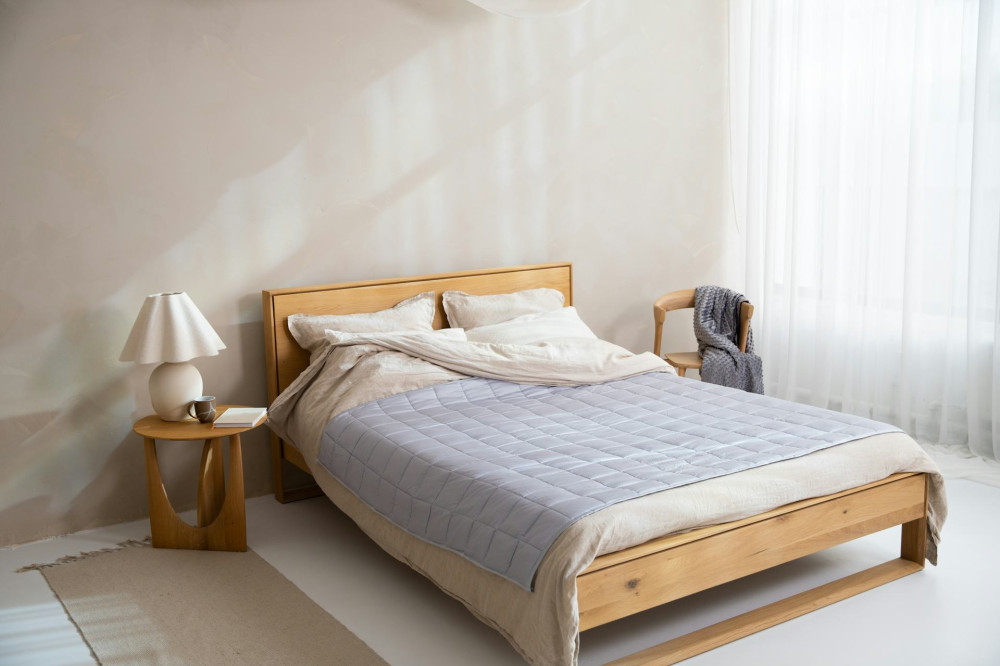
  • Solid wood works best in rooms with stable temperature and humidity, such as living rooms and bedrooms.
  • Engineered wood or plywood is more dimensionally stable and better suited for spaces with changing conditions.
  • Oil or lacquer finishes protect the surface from moisture, but wood still needs to breathe.

Avoid untreated wood in bathrooms or kitchens, where water and steam can cause swelling, staining, or mold.

Stone and Tile – Durable in Damp Spaces

Stone, ceramic, and porcelain tiles are ideal for humid areas. They resist water, are easy to clean, and last for decades. In bathrooms, choose tiles with a slightly textured surface to prevent slipping.

However, stone and tile can feel cold in cooler rooms. Radiant floor heating is a great solution that adds comfort and helps control moisture.

Textiles and Climate – Comfort and Function

Textiles influence a room’s climate more than you might think. They absorb moisture, soften acoustics, and add warmth.

  • Wool and cotton are excellent for bedrooms and living rooms, helping regulate humidity and temperature.
  • Synthetic fabrics dry quickly and are practical in entryways, laundry rooms, or other areas exposed to moisture.
  • Curtains and rugs can insulate against drafts and cold, but should be aired out regularly to prevent dust and mildew.

Metal and Glass – Sleek but Sensitive

Metal and glass bring a modern touch, but they respond quickly to temperature changes. Metal can feel cold and may collect condensation in humid rooms, while glass can fog up. These materials work best in spaces with stable temperatures and good ventilation.

If you love an industrial look in your kitchen or bathroom, opt for stainless steel or powder-coated finishes, which resist corrosion and moisture better than untreated metal.

Smart Combinations

Often, the best results come from mixing materials that balance each other. A wood floor with tile around wet zones, textiles that soften hard surfaces, or metal accents on wood furniture can create both harmony and contrast. By combining materials thoughtfully, you can design a space that’s beautiful, functional, and climate-appropriate.

A Healthy Home Starts with the Right Materials

Materials affect more than appearance – they influence the air you breathe. Natural, breathable materials like wood, clay, and lime-based paints can help regulate humidity and reduce the risk of mold. Avoid products that release strong chemical fumes, especially in bedrooms where you spend many hours each day.

By choosing materials that suit each room’s climate, you’ll build a home that’s not only more durable but also healthier and more comfortable to live in.

Stay Warm: How to Choose the Right Bedding for Winter
Discover how the right bedding can keep you warm and comfortable all winter long
Sleep
Sleep
Bedding
Winter
Home Comfort
Sleep
Interior Design
4 min
Learn how to choose bedding that helps you stay cozy when the temperature drops. From materials and weaves to fit, color, and care, this guide shows you how to create the perfect winter sleep setup for restful nights.
Ruby Reyes
Ruby
Reyes
Materials That Suit the Room’s Climate
Choose materials that adapt to your home’s unique temperature and humidity
Sleep
Sleep
Interior Design
Home Materials
Climate Control
Sustainable Living
Home Improvement
2 min
The right materials can make every room more comfortable, durable, and healthy. Learn how to match wood, stone, textiles, and other materials to the specific climate of each space for a home that feels balanced and lasts longer.
Braxton Robinson
Braxton
Robinson
Bedroom Plants – For a Healthier Sleeping Environment
Bring nature into your bedroom for cleaner air and a more peaceful night’s sleep
Sleep
Sleep
Bedroom Plants
Indoor Gardening
Home Decor
Well-Being
Sleep Quality
7 min
Discover how the right indoor plants can transform your bedroom into a calm, refreshing retreat. Learn which species thrive in low light, how to arrange them beautifully, and how to care for them to create a healthier sleeping environment.
Nolan Evans
Nolan
Evans
Light and Life: How Lighting Affects Our Mood and Perception of Space
Discover how the right lighting can transform your mood, health, and sense of space
Trend
Trend
Lighting
Interior Design
Well-Being
Mood
Home Decor
7 min
Light influences more than what we see—it shapes how we feel and interact with our surroundings. Learn how different types of lighting, from natural daylight to layered indoor solutions, can enhance well-being, boost energy, and create harmony in your home or workspace.
Christian Richardson
Christian
Richardson
Make Your Home Personal with Books, Photos, and Memories
Turn your living space into a reflection of your life and personality
Trend
Trend
Home Decor
Personal Style
Interior Design
Memories
Inspiration
7 min
Discover how books, photos, and cherished memories can transform your house into a truly personal home. Learn to balance style and sentiment to create a space that tells your story and feels uniquely yours.
Kinsley Lee
Kinsley
Lee
Home design that makes everyday life easier and more comfortable
Thoughtful design ideas for a home that supports your daily life
Trend
Trend
Home Design
Interior Inspiration
Smart Living
Comfort
Everyday Life
5 min
Discover how smart design choices can make your home more functional, relaxing, and enjoyable. From lighting and storage to natural materials and technology, learn how to create a space that truly works for you.
Ruby Reyes
Ruby
Reyes
Home Style as a Reflection of Your Personality
Discover how your home’s design choices reveal your unique character and lifestyle
Trend
Trend
Interior Design
Home Decor
Personal Style
Lifestyle
Psychology of Color
4 min
Your home is more than just a place to live—it’s a reflection of who you are. From color palettes to furniture arrangements, every detail tells a story about your personality, values, and way of life. Learn how to express yourself through your home style and create a space that truly feels like you.
Braxton Robinson
Braxton
Robinson
Balance Between Function and Aesthetics – The Key to a Harmonious Home
Discover how to create a home that is both beautiful and practical
Trend
Trend
Interior Design
Home Decor
Functionality
Aesthetics
Lifestyle
3 min
Learn how to strike the perfect balance between function and aesthetics in your home. Explore how thoughtful design choices can make your space not only visually appealing but also comfortable, efficient, and uniquely yours.
Nolan Evans
Nolan
Evans