Solar Roof: A Sustainable Solution with a Reduced Carbon Footprint

Solar Roof: A Sustainable Solution with a Reduced Carbon Footprint
As climate change and rising energy costs continue to shape public discussion and daily life in the United States, more homeowners are looking for ways to make their homes both energy-efficient and environmentally responsible. One of the most promising innovations is the solar roof — a solution that combines design, functionality, and clean energy production. But what exactly is a solar roof, and how can it help reduce your carbon footprint?
What Is a Solar Roof?
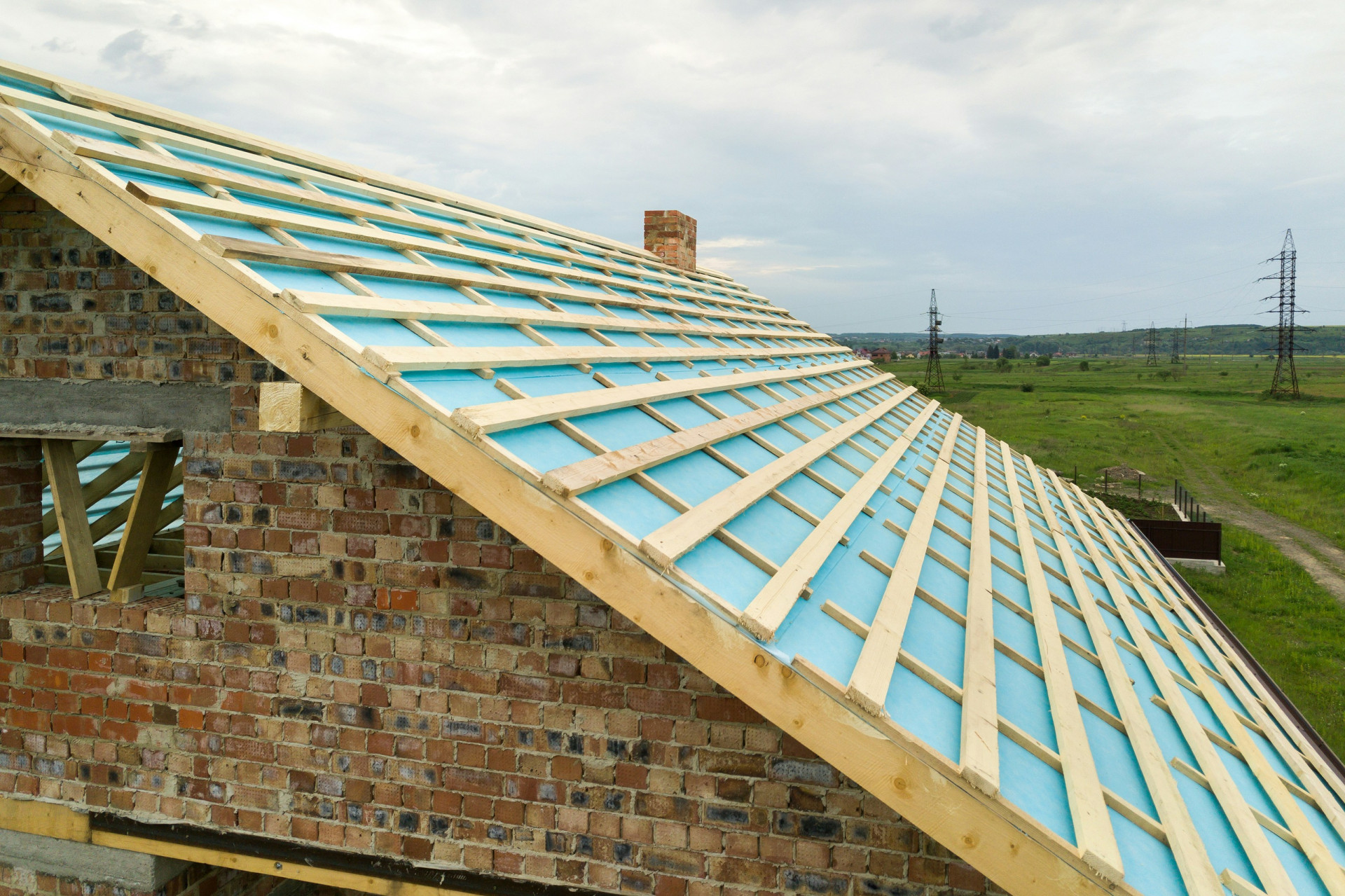
A solar roof differs from traditional solar panel systems in that the solar cells are built directly into the roofing materials rather than mounted on top of an existing roof. This means the roof itself serves as both a protective covering and a power generator. Solar roofs come in various styles and materials, allowing them to complement both modern and traditional architecture.
The integrated solar cells convert sunlight into electricity that can be used to power your home or stored in a battery for later use. Any excess energy can often be sold back to the grid through net metering programs, making the system not only sustainable but also financially appealing over time.
Environmental and Economic Benefits
The most significant advantage of a solar roof is its ability to dramatically reduce carbon emissions. By generating your own electricity, you decrease reliance on fossil fuels such as coal and natural gas. According to the U.S. Department of Energy, a typical residential solar system can offset several tons of carbon dioxide each year — the equivalent of planting dozens of trees annually.
From a financial perspective, a solar roof can also be a smart investment. While the upfront cost is higher than that of a conventional roof, the long-term savings on electricity bills and potential federal or state tax incentives can make it cost-effective over time. Many homeowners find that their investment pays for itself within 10 to 15 years, after which the roof continues to produce free electricity for decades.
Design and Function in Harmony
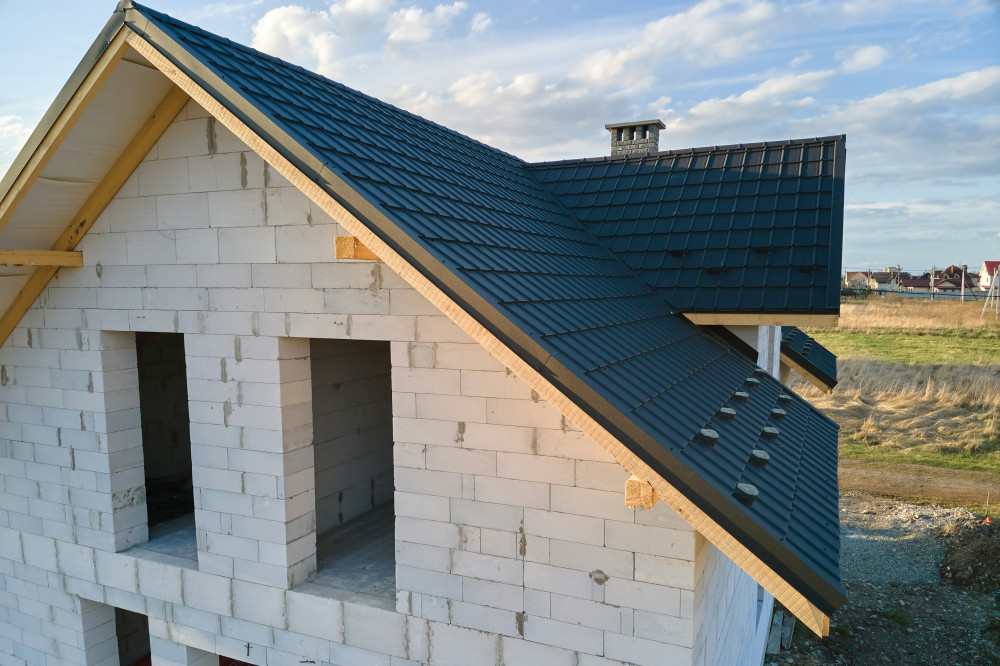
In the past, solar panels were often seen as bulky and visually intrusive. Modern solar roofs have changed that perception. Today’s designs mimic the look of traditional shingles or tiles and are available in different colors and finishes. This allows homeowners to enjoy a sleek, integrated appearance without compromising on aesthetics.
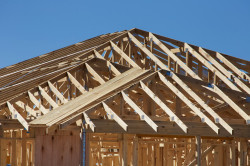
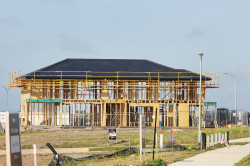
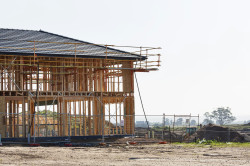
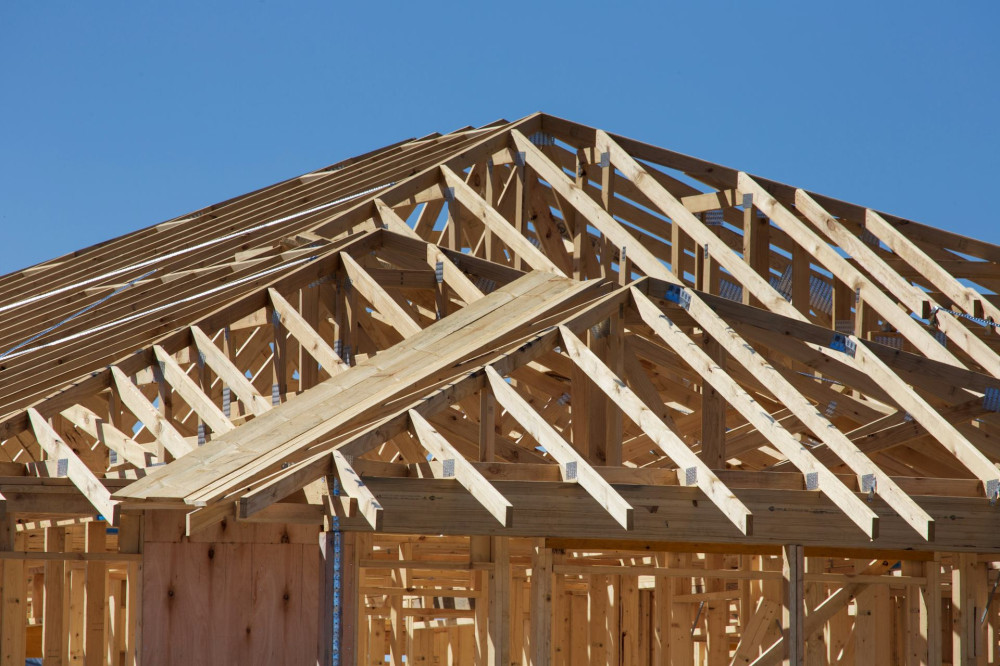
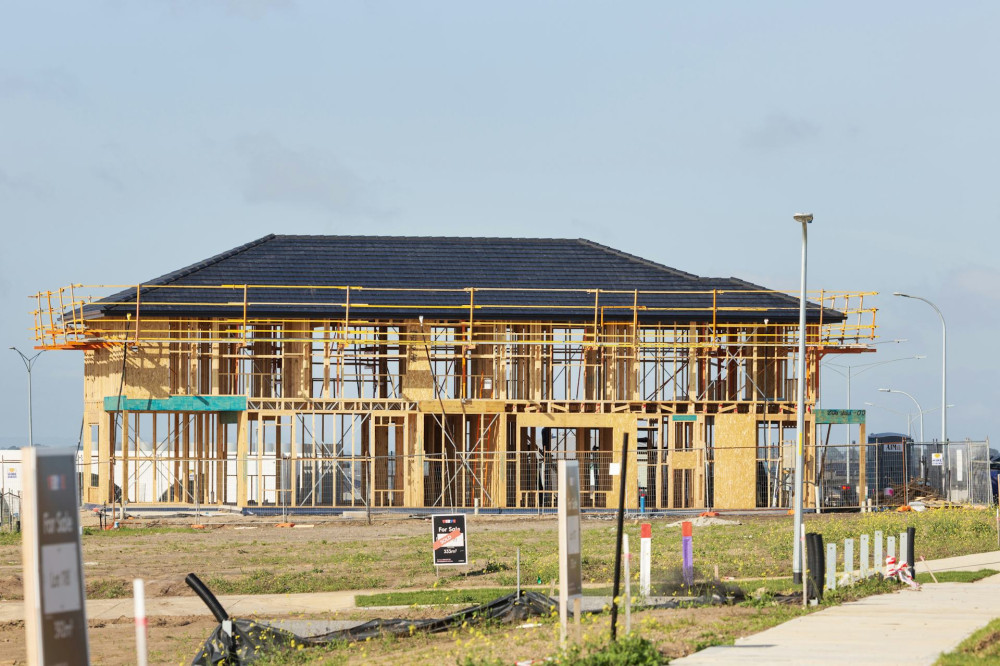
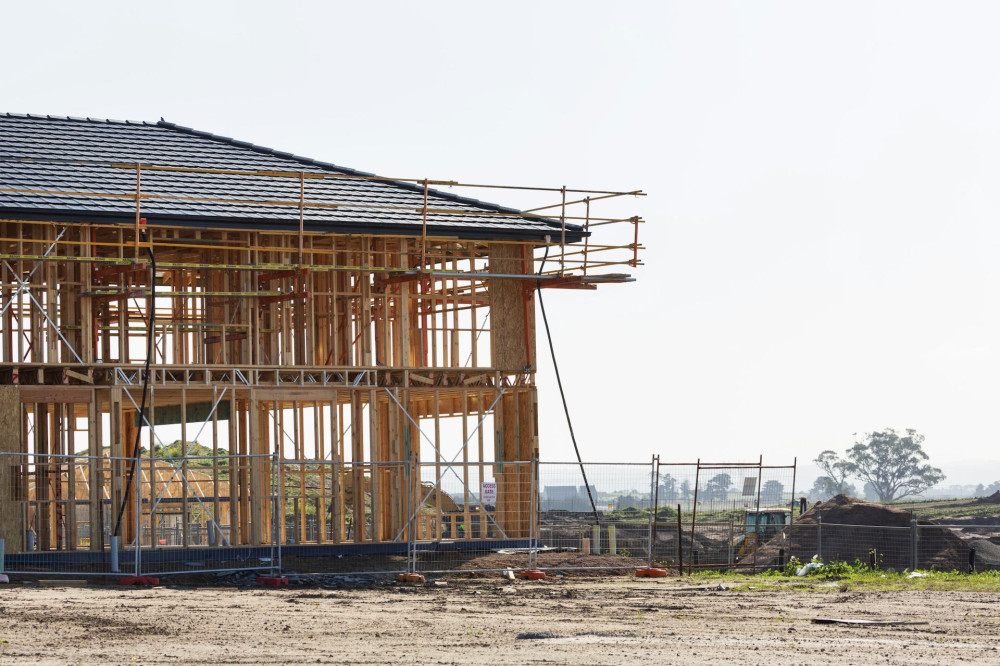
For new construction, a solar roof can be incorporated from the start, while for renovations, it can replace an aging roof — combining two projects into one. This makes it both practical and space-efficient.
Installation and Maintenance
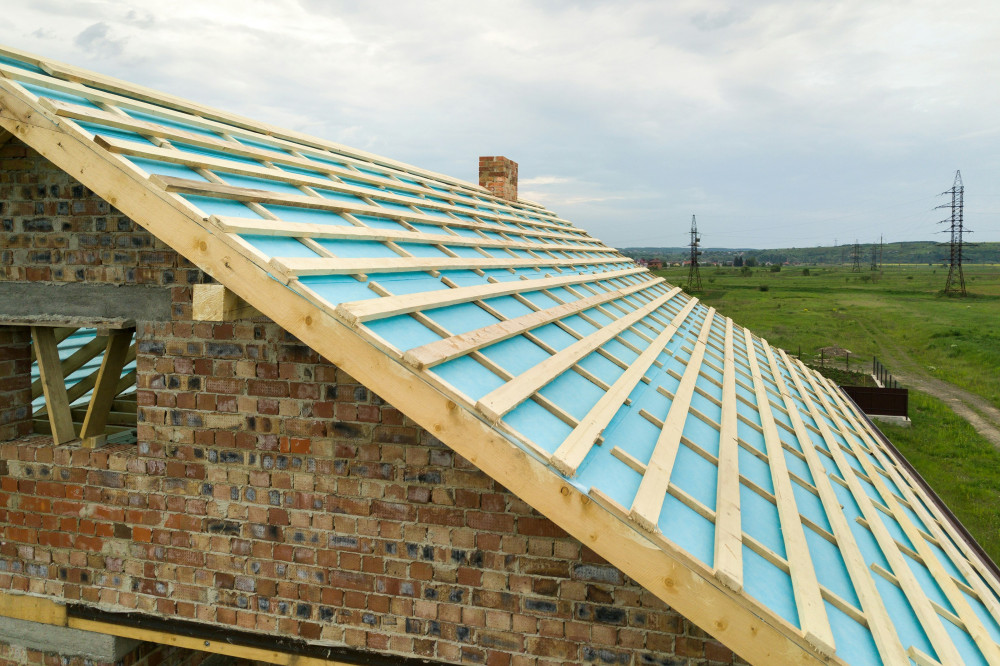
Installing a solar roof requires professional expertise, as both the roofing and electrical systems must be properly integrated to ensure safety and performance. It’s important to choose a certified installer with experience in building-integrated solar technology.
Maintenance is minimal. Solar roofs are designed to withstand harsh weather conditions, including wind, rain, and snow. Rainwater naturally helps keep the surface clean, though an annual inspection is recommended to ensure optimal performance and longevity.
Læs også:
The Future of Home Energy
Solar roofs represent a key step in the transition toward sustainable living, where homes not only consume energy but also produce it. As technology continues to advance and costs decline, solar roofs are expected to become a standard feature in future home construction across the U.S.
For homeowners seeking to lower their carbon footprint, increase property value, and gain energy independence, a solar roof offers a compelling combination of sustainability, style, and long-term savings. It’s a forward-looking investment — one that turns your rooftop into a source of clean, renewable power for years to come.
Læs også: