From Past to Present: How Historic Tile Roofs Shape Modern Architecture


From Past to Present: How Historic Tile Roofs Shape Modern Architecture
When you look across America’s historic towns and neighborhoods, the sight of clay tile roofs instantly evokes a sense of timeless craftsmanship. From the Spanish missions of California to the Mediterranean-style homes of Florida, tile roofing has long been a hallmark of durability, beauty, and cultural identity. Yet, even as architectural styles evolve, this centuries-old material continues to inspire modern design. Today, architects and builders are rediscovering the enduring qualities of tile—reinterpreting it in ways that blend tradition with innovation.
A Legacy Rooted in Craft and Culture
Tile roofing arrived in North America with early European settlers, particularly the Spanish, who brought their building traditions to the Southwest and coastal regions. The material’s ability to withstand heat, fire, and time made it ideal for the local climates. Over the centuries, clay and later concrete tiles became synonymous with architectural styles such as Mission Revival, Mediterranean, and Spanish Colonial.
In cities like Santa Barbara, St. Augustine, and San Antonio, tile roofs became more than a practical choice—they became part of the cultural landscape. Their warm, earthy tones and curved profiles gave buildings a distinctive character that still defines these regions today.
Modern Architecture with Historic Roots
While contemporary architecture often emphasizes glass, steel, and minimalist lines, tile has found a new place in modern design. Many architects now use it to create buildings that feel both rooted in history and forward-looking. The material’s texture, color variation, and natural finish bring warmth and authenticity to sleek, modern forms.
In recent residential and commercial projects, traditional tiles are being used in innovative ways—sometimes extending from roof to façade, or paired with modern materials like metal and concrete. This approach creates a visual continuity that honors the past while embracing the present.
Læs også:


Sustainability and Longevity
In an era focused on sustainability, tile roofing has gained renewed relevance. Made from natural materials such as clay or sand and cement, tiles are long-lasting, recyclable, and energy-efficient. Their thermal mass helps regulate indoor temperatures, reducing the need for heating and cooling. With lifespans that often exceed a century, tile roofs are a sustainable investment that minimizes waste over time.
Manufacturers are also developing eco-friendly production methods, including lower-temperature firing processes and the use of recycled materials. These innovations ensure that tile remains not only a symbol of tradition but also a model of responsible design.
Aesthetic Versatility
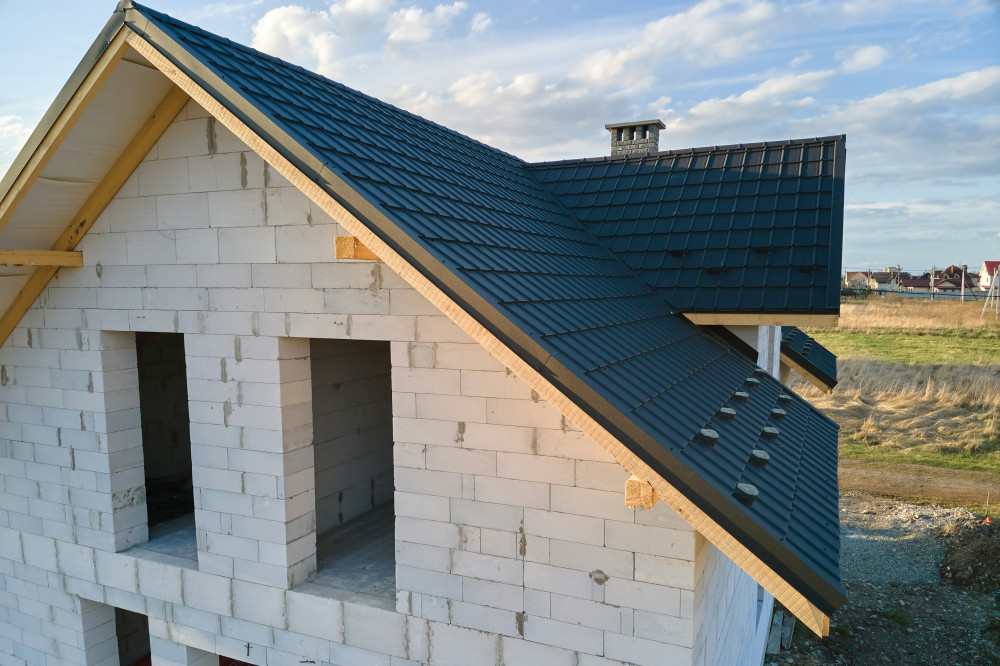
One of tile’s greatest strengths lies in its aesthetic flexibility. Beyond the classic terracotta red, modern tiles come in a wide range of colors—from deep charcoal and slate gray to soft sand and even glazed finishes. They can be shaped flat, curved, or interlocking, allowing architects to tailor the look to any style, from rustic to ultra-modern.
This versatility makes tile an ideal choice for projects that seek harmony with their surroundings. A dark, matte tile can give a contemporary home a refined, minimalist edge, while a traditional red roof can help a new building blend seamlessly into a historic neighborhood.
Where Past and Present Meet
What makes tile roofing truly special is its ability to bridge eras. It connects us to centuries of craftsmanship while continuing to evolve with modern technology and design. For American architects and homeowners alike, choosing tile is not just about aesthetics—it’s about honoring heritage, embracing sustainability, and creating structures built to last.
In this way, the tile roof stands as a powerful symbol of architectural continuity: a reminder that the best design doesn’t discard the past but builds upon it, shaping a future that is both innovative and enduring.
Læs også: