Roof Type and Energy – How Your Roof Affects Home Energy Efficiency

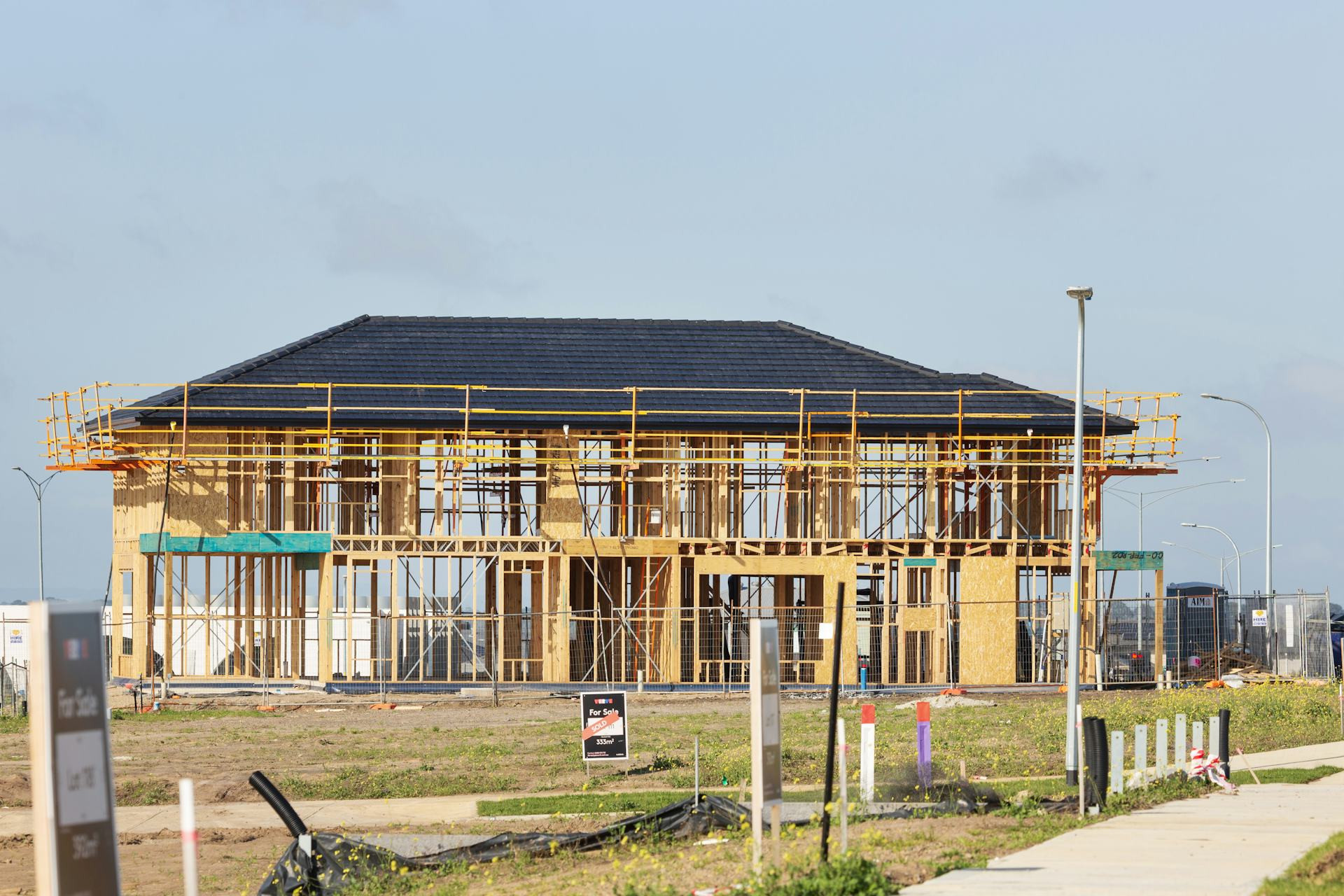
Roof Type and Energy – How Your Roof Affects Home Energy Efficiency
Your roof does more than keep out the rain—it plays a major role in how much energy your home uses and how comfortable it feels year-round. The type of roof you have, the materials it’s made from, and how well it’s insulated all influence heating and cooling costs. Here’s how your roof affects your home’s energy efficiency and what you can do to make it work better for you.
The Roof’s Role in Home Energy Balance
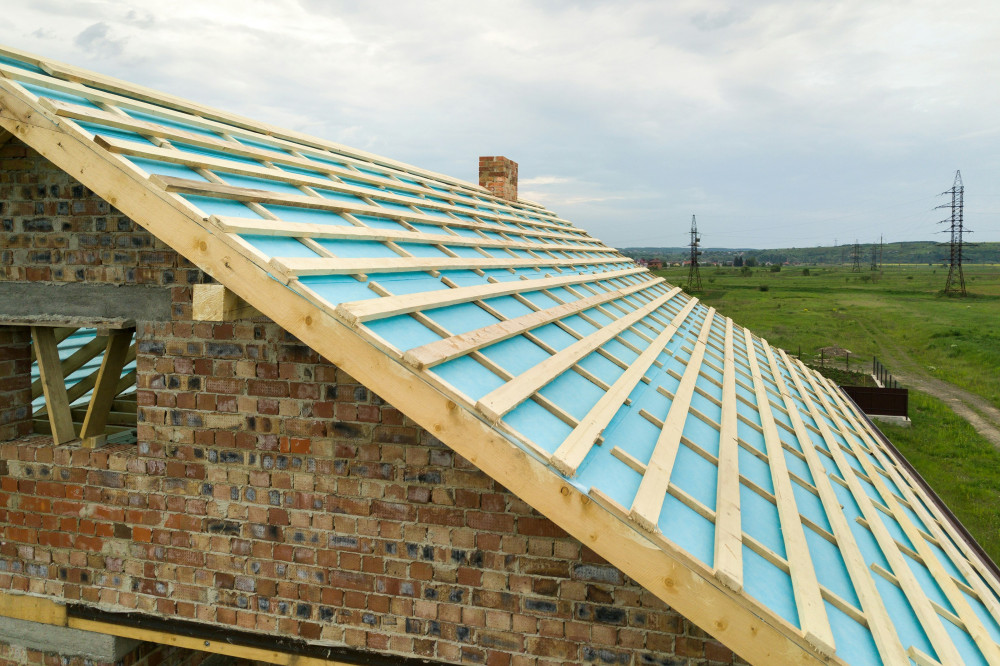
Heat naturally rises, which means a poorly insulated roof can let a significant amount of warmth escape in winter and allow unwanted heat in during summer. In many homes, up to a quarter of total energy loss can occur through the roof. Improving roof insulation and design can therefore have a big impact on your energy bills.
But insulation isn’t the only factor. The roof’s shape, slope, color, and materials all affect how it interacts with the sun and weather. A dark roof absorbs more heat, which can be beneficial in colder climates, while a light-colored or “cool” roof reflects sunlight and helps keep homes cooler in hot regions.
Common Roof Types and Their Energy Characteristics
Different roof types offer different advantages when it comes to energy performance.
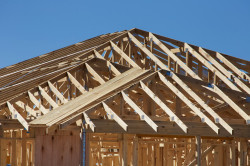
- Gable roof – One of the most common roof styles in the U.S., the gable roof has two sloping sides that meet at a ridge. It allows for good attic ventilation and easy insulation upgrades, making it a practical choice for energy efficiency.
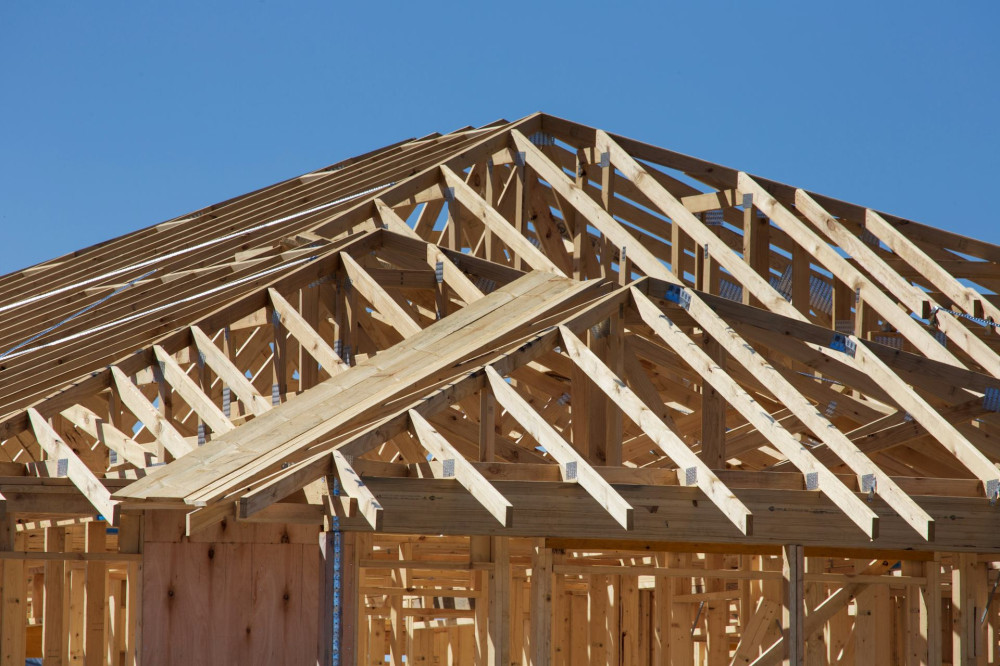
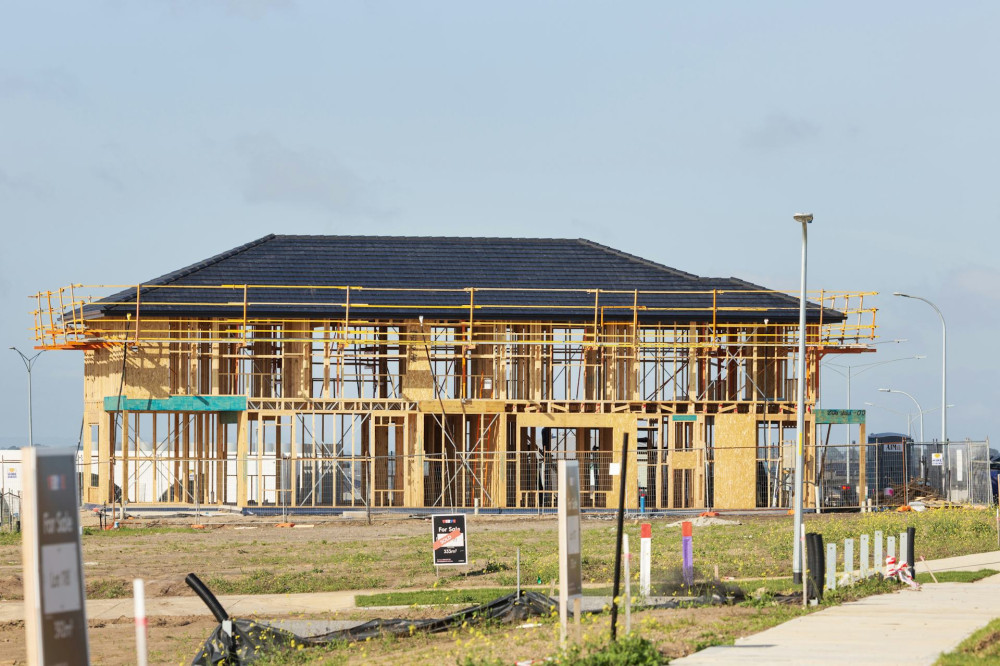
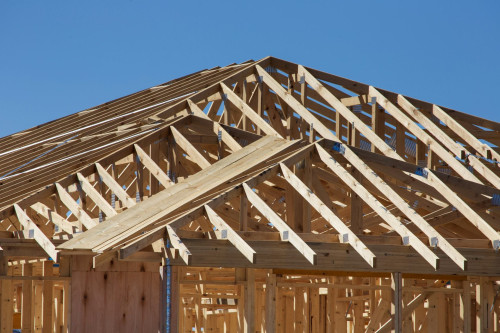
- Hip roof – With slopes on all four sides, a hip roof provides stability and even wind resistance. It can be more complex to insulate properly, but when done right, it offers consistent energy performance.
- Flat roof – Popular in modern and urban architecture, flat roofs require careful waterproofing and insulation. They can be ideal for installing solar panels or creating green roofs that improve insulation and reduce heat absorption.
- Green roof – Covered with vegetation, a green roof acts as natural insulation. It helps regulate indoor temperatures, reduces stormwater runoff, and can extend the roof’s lifespan.
Læs også:
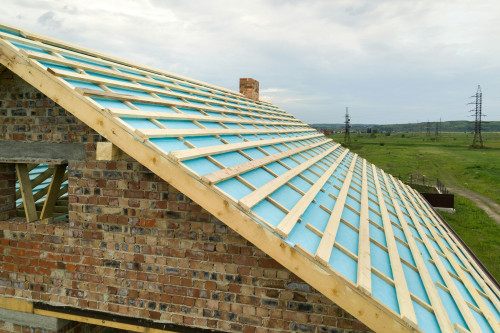
The Importance of Roofing Materials
Roofing materials vary widely in how they absorb, store, and release heat.
- Asphalt shingles – The most common roofing material in the U.S. They’re affordable and durable, but standard dark shingles can absorb a lot of heat. “Cool roof” shingles with reflective coatings are a more energy-efficient option.
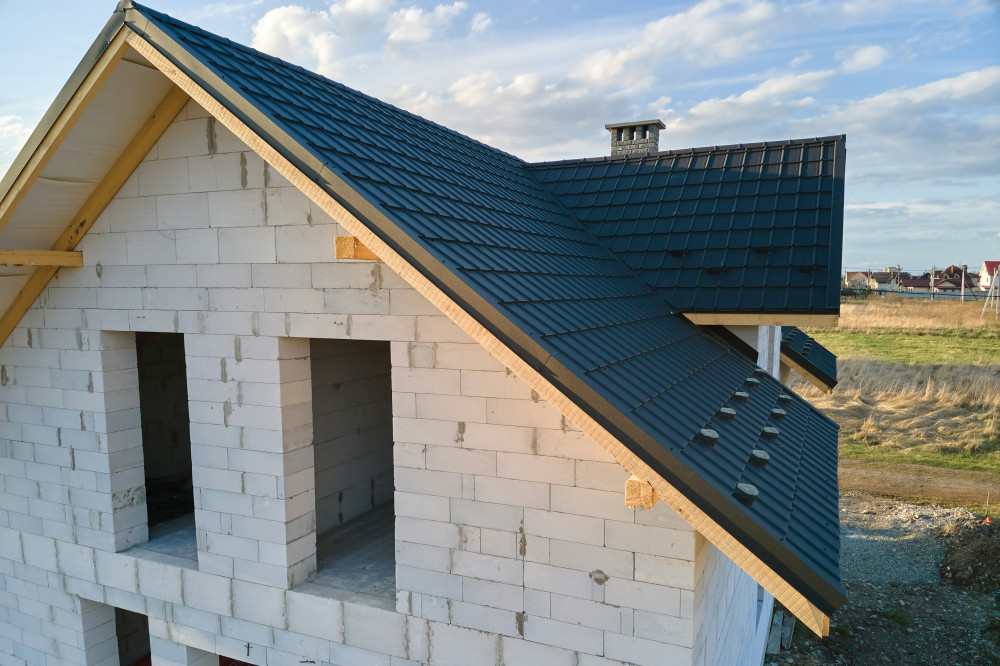
- Metal roofing – Reflects sunlight effectively and can be coated for even greater efficiency. Metal roofs also work well with solar panels and can last 40–70 years with proper maintenance.
- Clay or concrete tiles – Heavy materials that absorb and slowly release heat, helping to stabilize indoor temperatures. They’re especially effective in hot, sunny climates like the Southwest.
- Slate – A premium, long-lasting material with excellent insulating properties, though it’s more expensive and heavier than most alternatives.
When choosing materials, consider your local climate, the roof’s orientation, and your long-term energy goals.
Insulation – The Key to Lower Energy Use
No matter what type of roof you have, insulation is critical. Proper insulation keeps warm air inside during winter and blocks heat in summer. In older homes, adding or upgrading attic insulation is often one of the most cost-effective energy improvements you can make.
Common insulation materials include fiberglass, cellulose, spray foam, and natural options like wool or recycled fibers. The key is ensuring the insulation is installed correctly, with no gaps or air leaks that allow heat to escape.
Solar Energy and Roof Potential
Your roof is also the perfect platform for harnessing solar energy. Solar panels can generate electricity, while solar thermal systems can provide hot water. A south-facing roof with the right pitch can produce a significant portion of a home’s energy needs.
If you’re building a new home, consider roof orientation and slope from the start to maximize solar potential. For existing homes, solar shingles or integrated panels can combine aesthetics with energy production.
Maintenance and Longevity
An energy-efficient roof also needs regular care. Damaged shingles, leaks, or clogged gutters can lead to moisture problems and reduce insulation performance. Inspect your roof periodically, especially after severe weather, and address issues promptly to maintain efficiency and extend its lifespan.
When it’s time to replace your roof, it’s a great opportunity to upgrade insulation, choose better materials, or add solar technology—all of which can improve comfort and reduce energy costs.
A Roof That Pays Off
An energy-efficient roof benefits both your wallet and the environment. Lower utility bills, improved comfort, and increased home value are just a few of the rewards. In many states, energy-efficient upgrades and solar installations may also qualify for tax credits or rebates, making the investment even more worthwhile.
In short, your roof isn’t just a protective cover—it’s a vital part of your home’s energy system. With the right design, materials, and maintenance, you can create a home that’s comfortable, sustainable, and cost-effective for years to come.
Læs også: