Roofing for the Future – Sustainable and Energy-Efficient Solutions in One

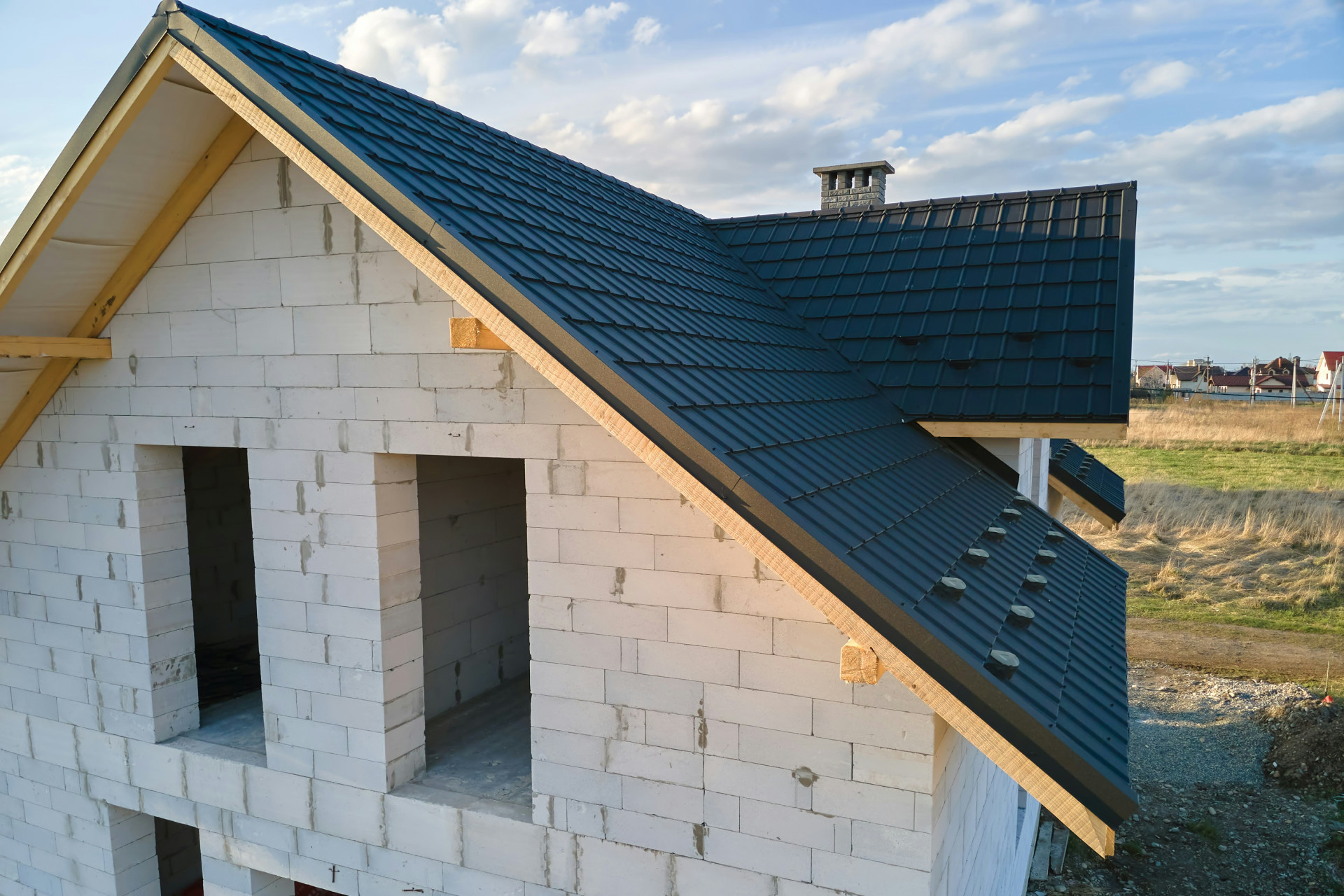
Roofing for the Future – Sustainable and Energy-Efficient Solutions in One
For decades, roofing has been about protection and durability. But as sustainability and energy efficiency become central to modern construction, roofing materials are evolving to meet new environmental and performance standards. Today’s roofing solutions are not only designed to withstand the elements but also to contribute to a building’s overall energy performance and ecological footprint. Across the United States, homeowners and businesses alike are turning to innovative roofing systems that combine strength, style, and sustainability.
A Material in Transformation
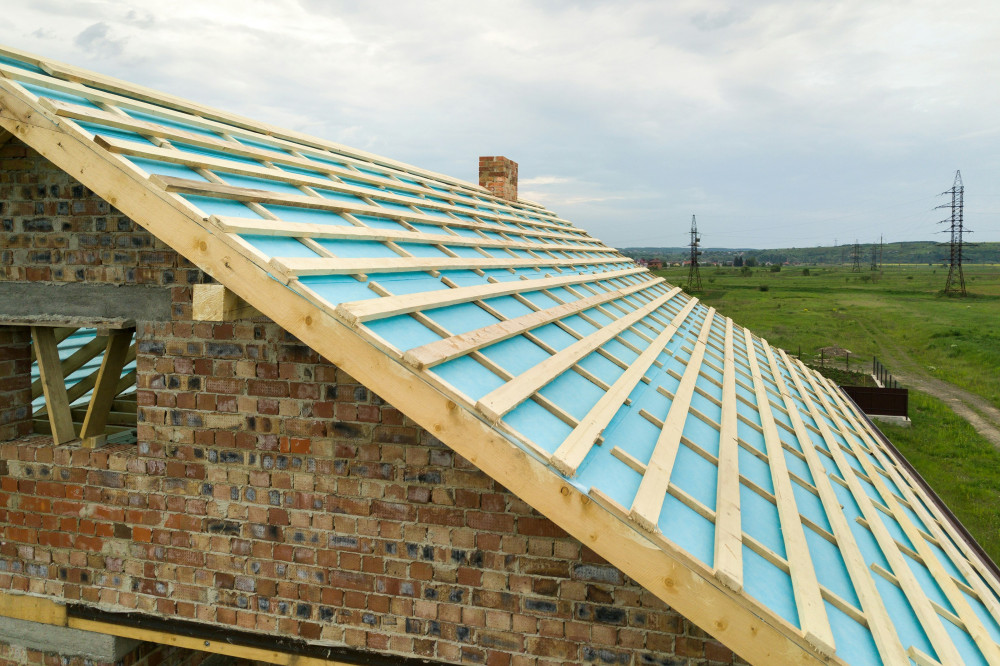
Modern roofing materials have come a long way from traditional asphalt shingles and tar-based products. Advanced membranes, polymer-modified bitumen, and cool roofing technologies now offer superior flexibility, weather resistance, and longevity. Many manufacturers are also prioritizing eco-friendly production methods—using recycled content, reducing volatile organic compounds (VOCs), and developing products that can be fully recycled at the end of their lifespan.
These innovations make roofing not just a functional necessity but a conscious environmental choice. Products that meet standards such as ENERGY STAR® or contribute to LEED certification are increasingly popular, helping builders and property owners align with green building goals.
Læs også:
Energy Efficiency and Insulation
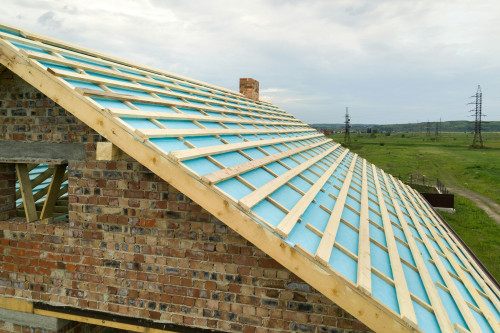
A roof plays a crucial role in a building’s energy performance. Proper insulation and reflective surfaces can significantly reduce heating and cooling costs. Cool roofs, for example, are designed to reflect more sunlight and absorb less heat, keeping buildings cooler in summer and reducing the strain on air conditioning systems—especially valuable in warmer regions like the Southwest or Southeast.
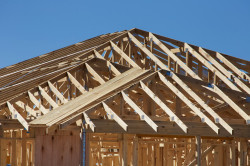
Flat and low-slope roofs also open opportunities for integrating solar panels or green roof systems. A vegetative roof can improve insulation, manage stormwater runoff, and enhance urban biodiversity, while solar installations turn unused roof space into a source of renewable energy. Together, these solutions transform the roof from a passive barrier into an active contributor to energy efficiency.
Longevity and Low Maintenance
Durability is another key factor in sustainable roofing. High-quality materials and professional installation can extend a roof’s lifespan to 30 years or more, minimizing waste and replacement costs. Many modern roofing systems require only minimal maintenance—typically an annual inspection to ensure drainage and seams remain intact.
When repairs are needed, flexible materials like modified bitumen or single-ply membranes make it easy to restore or upgrade the roof without a full replacement. This adaptability not only saves resources but also reduces the environmental impact over time.
Design Freedom and Aesthetic Appeal
Sustainability doesn’t mean compromising on design. Today’s roofing materials come in a wide range of colors, textures, and finishes, allowing architects and homeowners to match the roof to the building’s style and surroundings. From sleek, modern membranes on commercial buildings to textured, energy-efficient shingles on residential homes, the options are nearly limitless.
Green and solar roofs also add visual interest and functionality, turning rooftops into gardens, gathering spaces, or energy-generating platforms. This blend of form and function reflects a broader shift toward holistic, sustainable design.
An Investment in the Future
Choosing a sustainable, energy-efficient roof is more than a practical decision—it’s an investment in the future. It enhances property value, reduces long-term energy costs, and supports a more responsible approach to construction. As building codes and consumer expectations continue to evolve, roofing will play an even greater role in shaping the energy performance and environmental impact of our built environment.
With advanced materials, smart design, and a focus on sustainability, the roofs of tomorrow will do more than protect—they will actively contribute to a cleaner, more energy-efficient world. In that sense, roofing truly becomes a cornerstone of the future.
Læs også: