Reduce Energy Consumption with Light Dimmers

Reduce Energy Consumption with Light Dimmers
Lighting plays a major role in our daily lives — it affects both the atmosphere in our homes and the size of our electricity bills. With growing awareness of energy efficiency and sustainability, it makes sense to look at how we use our lighting. One of the simplest and most effective ways to cut energy use is by installing light dimmers. They not only let you create the right mood but can also help lower your power consumption and extend the life of your bulbs.
What Is a Light Dimmer and How Does It Work?
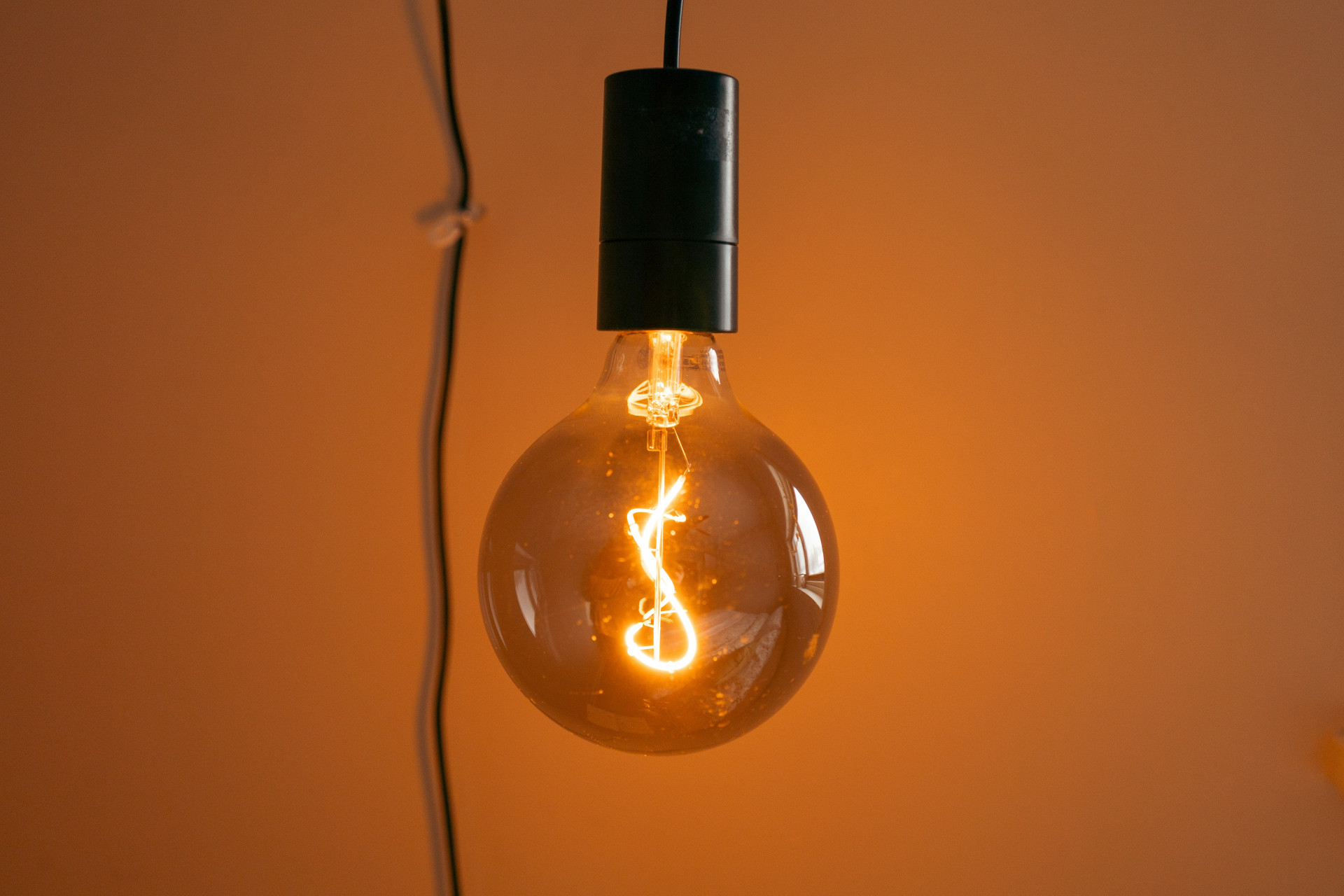
A light dimmer is a device that controls the amount of electrical current sent to a light fixture. Instead of your lights always shining at full brightness, you can adjust the level to suit your needs. That means you can turn the lights down when watching TV, having dinner, or simply relaxing in the evening.
Modern dimmers use electronic technology and are compatible with many types of bulbs — including LED, halogen, and some compact fluorescent lamps (CFLs). However, it’s important to make sure that both the bulb and the dimmer are compatible, since not all LED bulbs are dimmable.
Less Light, Less Energy
When you dim your lights, you use less electricity. Reducing brightness by 50% can often result in energy savings of up to 40%, depending on the type of bulb. The principle is simple: less light requires less power.
Dimming also reduces heat output, which can extend the lifespan of your bulbs. That means fewer replacements over time — saving you money and reducing waste.
Create the Right Atmosphere at Home
Beyond energy savings, dimmers give you the flexibility to tailor lighting to different activities. Bright light is useful for cooking or working, while softer light creates a cozy, relaxing atmosphere in living rooms and bedrooms.
You can choose from several types of dimmers:
- Rotary dimmer – the classic knob you turn to adjust brightness.
- Touch or push dimmer – adjust the light by pressing or touching the control.
- Smart dimmer – part of a smart home system, controllable via app or voice command.
With smart dimmers, you can even schedule your lights to dim automatically at certain times — for example, when it’s time for bed or when you wake up in the morning.
How to Choose the Right Dimmer
When selecting a dimmer, consider the following:
- Bulb type: Always check if your bulbs are dimmable. This information is usually printed on the packaging.
- Load capacity: Dimmers have a maximum wattage rating. Make sure it matches the total wattage of the bulbs you plan to connect.
- Compatibility: LED bulbs often require dimmers specifically designed for LED technology.
- Design and features: Decide whether you want a simple manual dimmer or one that integrates with your smart home system.
If you’re unsure, a licensed electrician can help you choose the right model and ensure safe installation.
An Investment That Pays Off
Although installing a dimmer switch involves a small upfront cost, it can quickly pay for itself through lower energy bills and longer bulb life. At the same time, you’ll enjoy a more comfortable and flexible lighting environment.
For many homeowners, dimmers also enhance the look and feel of a space — the light becomes softer, and rooms feel more inviting. It’s a small change that can make a big difference for both comfort and sustainability.
Læs også:
Make Lighting Part of Your Energy Strategy
Reducing energy consumption isn’t only about big investments like solar panels or new appliances. Small everyday changes can have a significant impact. Light dimmers are a great example of how technology and comfort can work hand in hand.
By being mindful of how you use lighting and adjusting it to your needs, you can create a more energy-efficient home — without sacrificing warmth or style.
Læs også: