Make the Lighting Highlight the Colors in Your Living Room

Make the Lighting Highlight the Colors in Your Living Room
The colors in your living room can look completely different depending on how the space is lit. A wall that appears warm and golden in daylight might seem dull or gray under the wrong artificial light. Good lighting isn’t just about brightness—it’s about making colors come alive and creating the right atmosphere. Here’s how to use lighting to bring out the best in your living room’s colors.
Understand How Light Affects Color
Light and color are inseparable. What we perceive as color is actually the reflection of light off surfaces. That’s why two bulbs with the same brightness can make your room look entirely different depending on their color temperature and color rendering.
- Color temperature (measured in kelvins): Warm light (2700–3000 K) gives a cozy, golden tone, while cooler light (4000 K and above) enhances blues and grays.
- Color Rendering Index (CRI): The higher the CRI (up to 100), the more accurately colors appear. Choose bulbs with a CRI of at least 90 if you want your furniture and wall colors to look true to life.
A balanced mix of warm and neutral light often works best—warm for comfort, neutral for clarity.
Layer Your Lighting
A living room feels more dynamic when light comes from multiple sources. Layering light adds depth and helps colors appear richer. Think in three layers:
- Ambient lighting – ceiling fixtures or recessed lights that provide general illumination.
- Task lighting – focused light for reading, working, or playing games.
- Accent lighting – smaller lamps or spotlights that highlight colors, textures, and details.
By combining these layers, you can shift the mood from bright and energetic to soft and relaxing with ease.
Match the Light to Your Room’s Colors
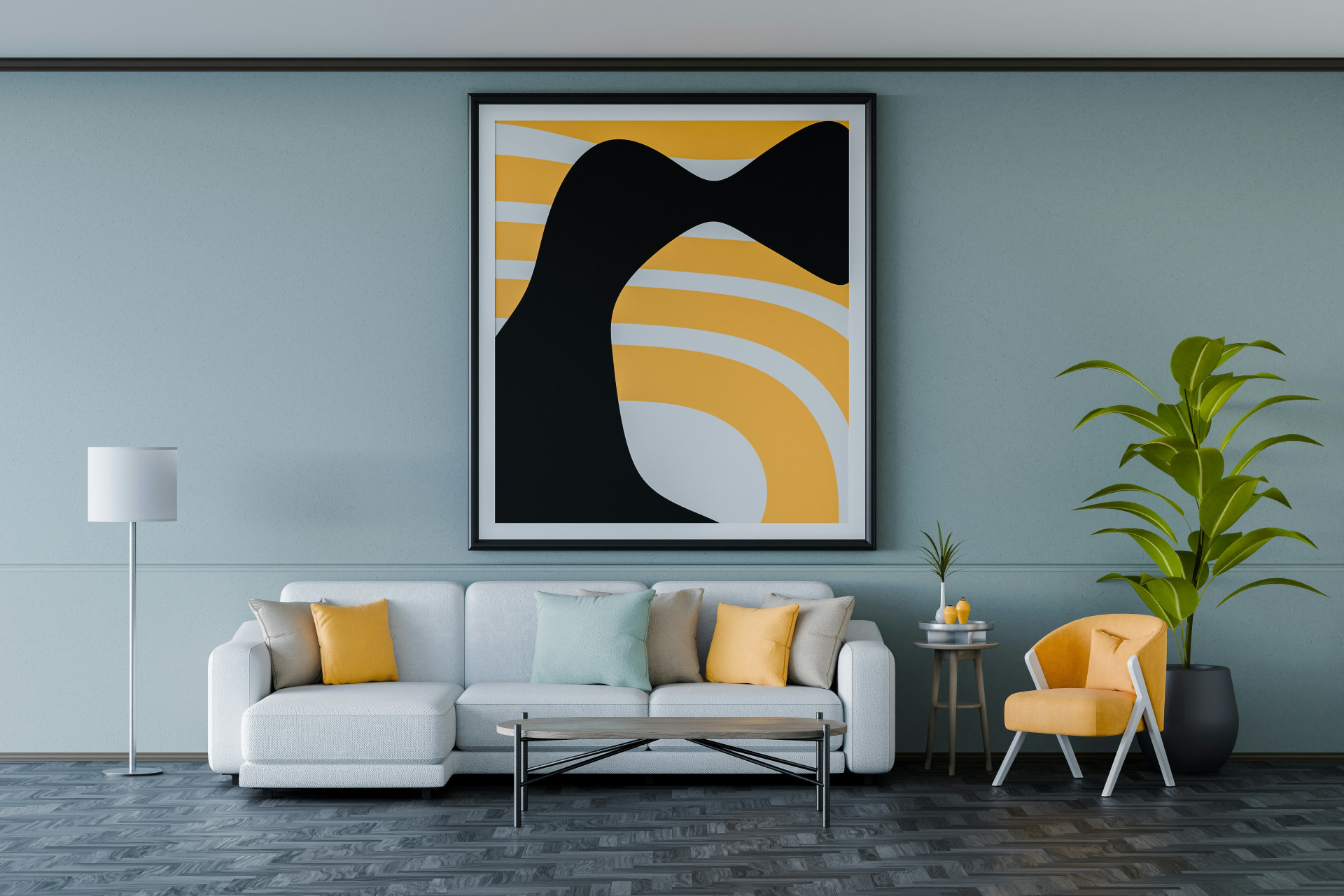
The tone of your lighting should complement your color palette. Warm white light enhances beige, terracotta, and wood tones, while cooler light brings freshness to blues, greens, and grays.
- For warm color schemes, choose warm white bulbs (around 2700 K).
- For cool color schemes, try neutral white (3000–3500 K) to prevent the space from feeling too yellow.
- If your room features a mix of colors, consider tunable LED bulbs that let you adjust the color temperature depending on the time of day or your mood.
Use Light to Emphasize Details
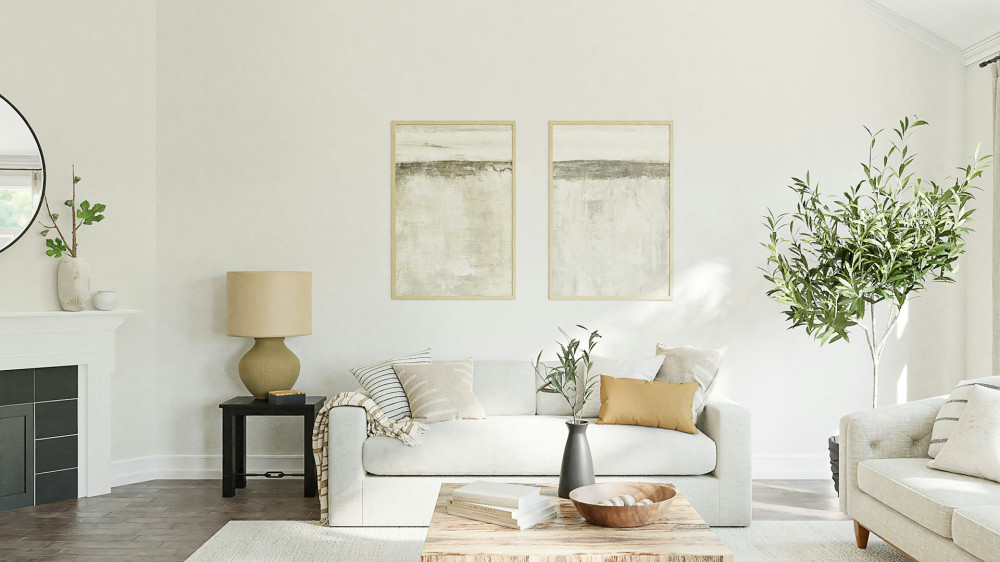
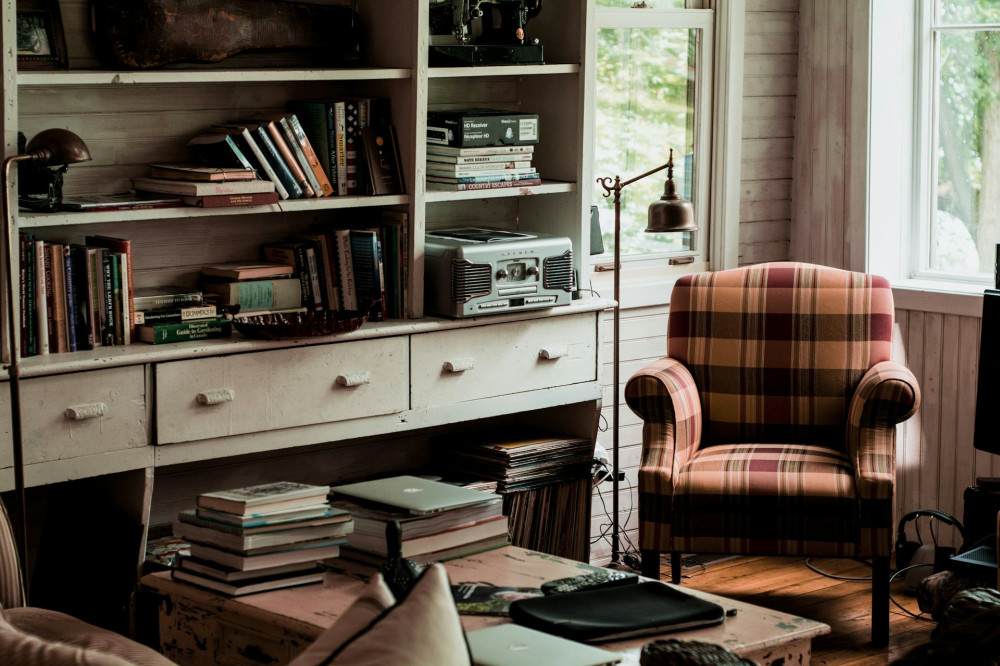
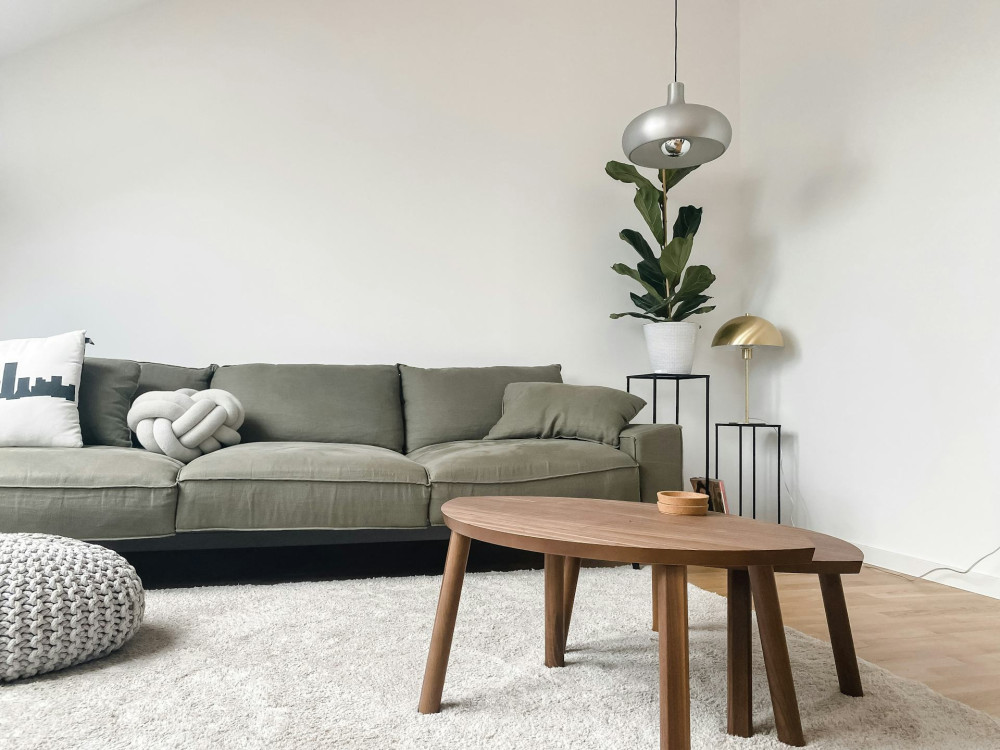
Lighting can draw attention to the features you love most. A bookshelf, a piece of art, or a plant can take on new life under the right light.
- Indirect lighting—such as behind a sofa or along a wall—creates soft transitions and makes wall colors appear deeper.
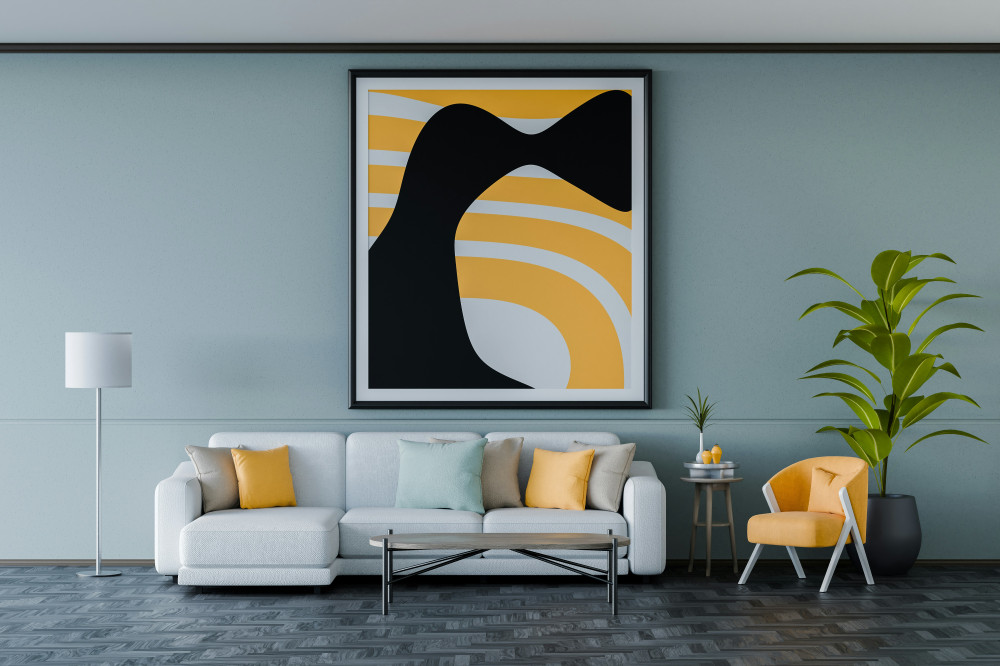
- Accent lighting—small spotlights or track lights aimed at artwork or textiles—highlights texture and color variation.
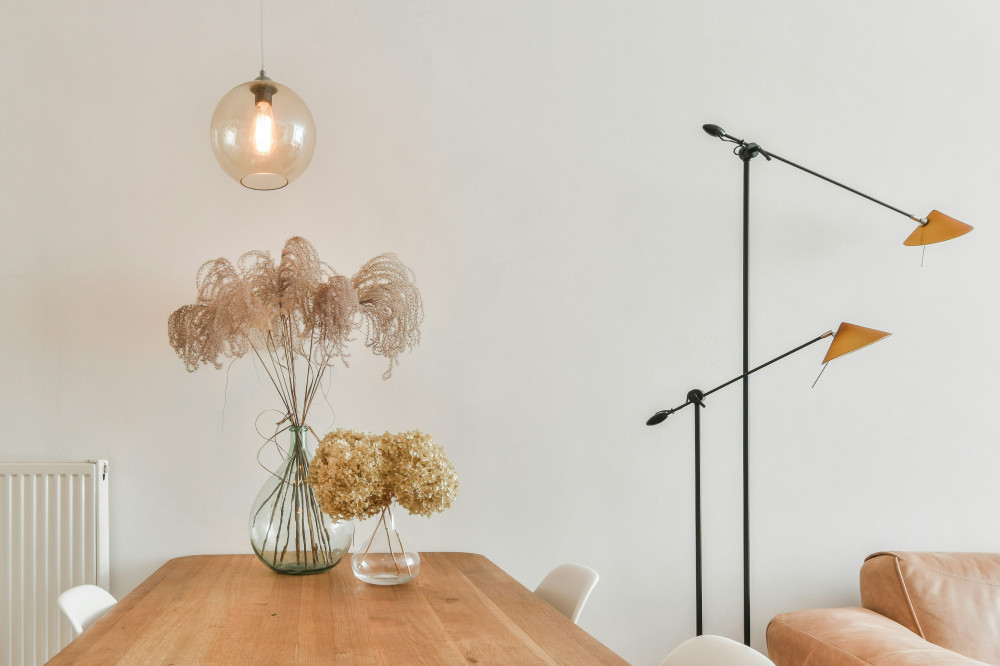
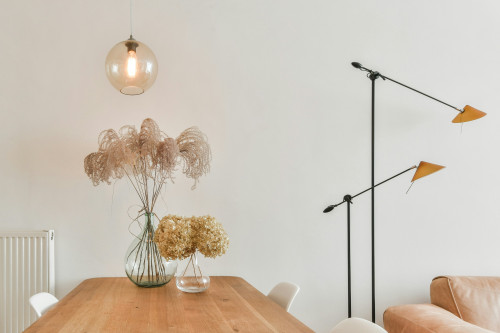
- Floor lamps with shades—cast light both upward and downward, creating beautiful shadows that add character to the room.
Læs også:

Make the Most of Natural Light
No artificial light can fully replace daylight. Natural light changes throughout the day, giving colors depth and vibrancy. Keep curtains and furniture from blocking windows, and use mirrors or light surfaces to reflect sunlight around the room.
If your living room faces north and gets cooler light, balance it with warmer artificial lighting. A south-facing room with lots of sun might benefit from more neutral light to prevent colors from appearing too yellow.
Add Flexibility with Dimmers
One of the easiest ways to make colors look their best is to control brightness. Dimmable bulbs and fixtures let you adjust the light from day to night. During the day, use brighter light to show colors clearly; in the evening, dim the lights for a softer, more inviting feel.
Smart lighting systems make this even easier—you can change brightness and color temperature with an app or voice command, experimenting with how your colors shift under different lighting conditions.
Lighting That Reflects Your Style
The best lighting setup is one that fits both your color palette and your lifestyle. Think about how you use your living room—whether it’s for relaxing, entertaining, or working—and choose fixtures that adapt to those needs. When your lighting complements your colors, your living room will feel balanced, vibrant, and uniquely yours.
Læs også: