How to Create a Bright Home in Shady Surroundings

How to Create a Bright Home in Shady Surroundings
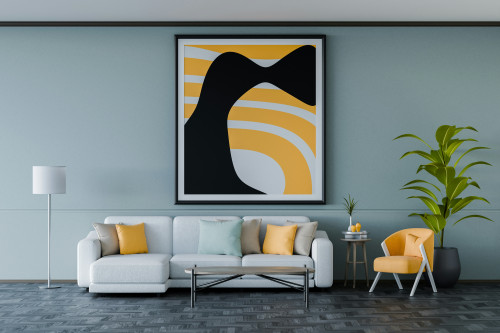
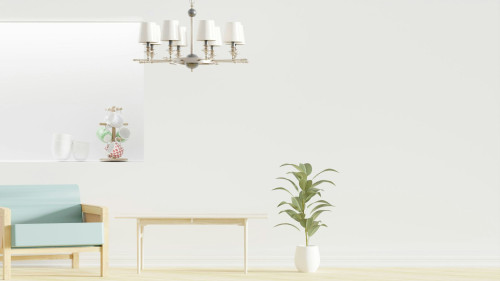
If your home is surrounded by tall trees, neighboring buildings, or faces north, it can easily feel dim and heavy—especially during the shorter days of winter. But even in shady surroundings, you can create a bright, welcoming, and harmonious home. It’s all about making the most of the light you have, choosing the right colors, and thinking creatively about your interior design. Here’s a guide to bringing more light into your everyday life—without moving.
Make the Most of Natural Light
Even if your home doesn’t get direct sunlight, you can still maximize the natural light that’s available. Start by removing unnecessary barriers:
- Keep windows spotless – even a thin layer of dust or grime can noticeably reduce light.
- Skip heavy drapes – choose light, airy fabrics like linen or sheer cotton that filter light without blocking it.
- Trim outdoor greenery – trees and shrubs close to windows can cast more shade than you realize.
You can also use mirrors strategically. A large mirror placed opposite a window can double the amount of light in a room and make it feel more spacious.
Choose Colors That Reflect Light
Color plays a huge role in how bright a room feels. In darker spaces, opt for shades that reflect light rather than absorb it.
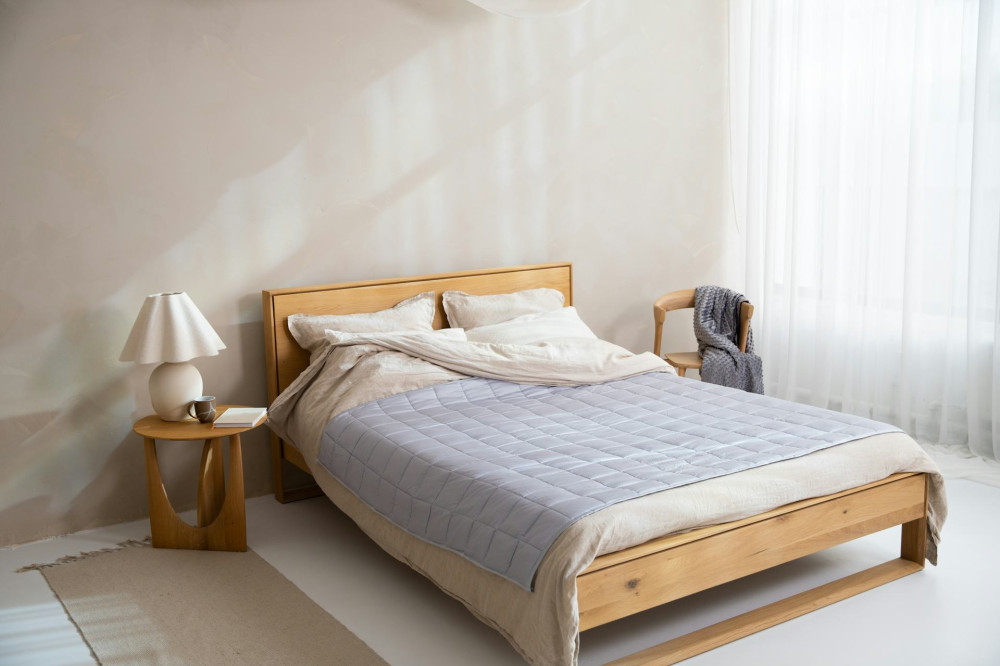
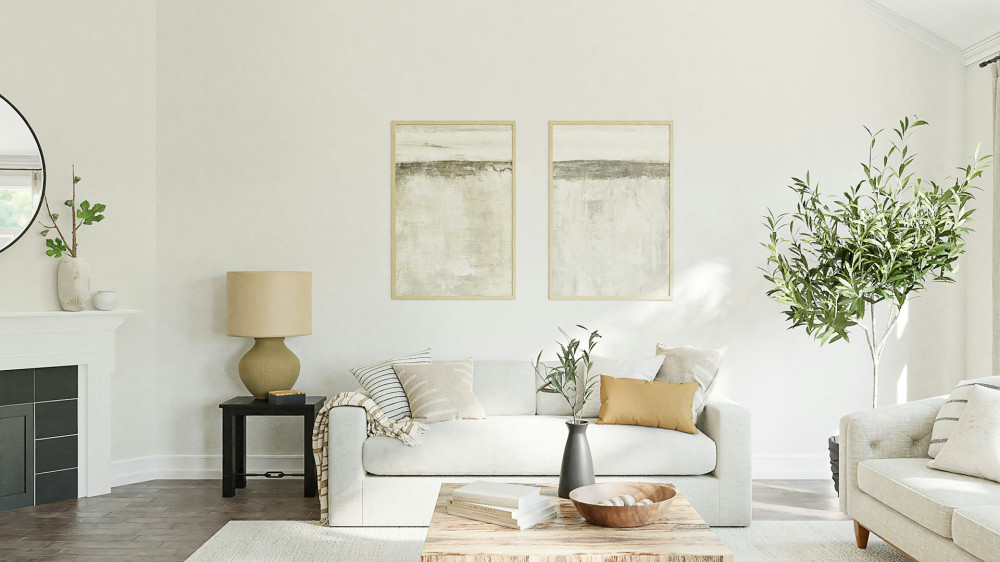
- Light walls and ceilings – classic white works well, but warm neutrals like soft beige, pearl gray, or pale blush can keep the space from feeling too stark.
- Matte finishes – glossy paint can create glare, while matte surfaces diffuse light evenly and softly.
- Light floors – pale wood or a light-colored rug can lift the entire room.
If you crave contrast, add darker accents in small doses—like picture frames, throw pillows, or lamps—to create depth without weighing down the space.
Layer Your Lighting
When daylight isn’t enough, artificial lighting becomes your best friend. A well-lit home uses multiple layers of light:
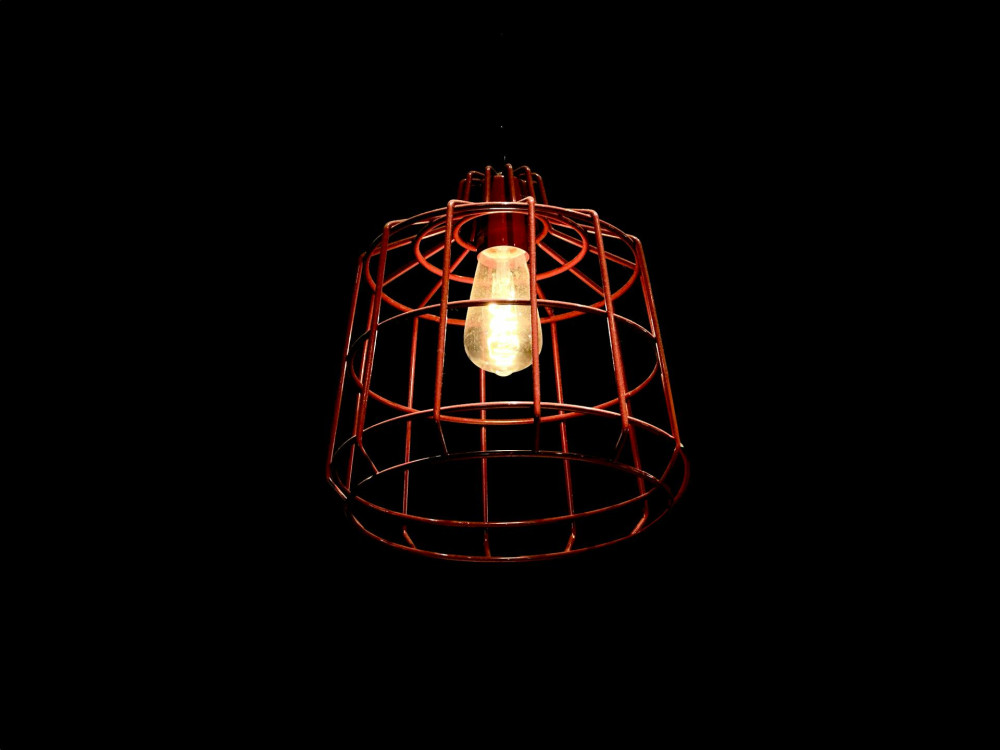
- Ambient lighting – ceiling fixtures or recessed lights that provide general illumination.
- Task lighting – focused light for specific activities like reading, cooking, or working.
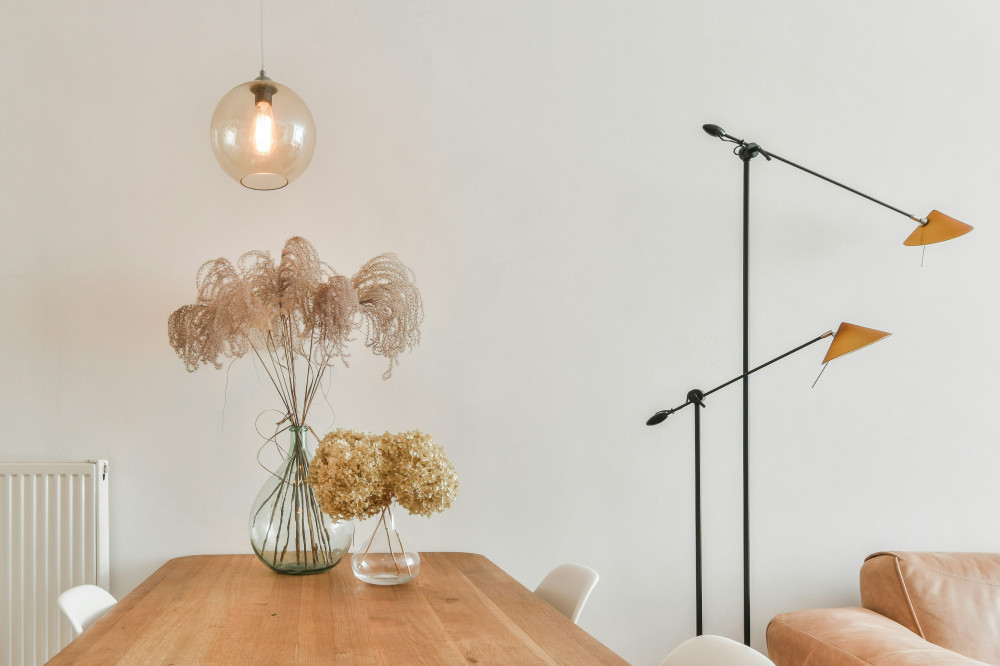
- Accent lighting – table lamps, wall sconces, or string lights that add warmth and dimension.
Choose LED bulbs with a high color rendering index (CRI above 90) and a warm white tone (around 2700–3000 Kelvin). This creates a natural, comfortable glow that mimics daylight.
Use Materials That Play With Light
Materials can dramatically affect how light moves through a room. Consider incorporating:
- Glass and mirrored surfaces – glass tables, display cabinets, or mirrored panels reflect light beautifully.
- Metallic accents – touches of brass, chrome, or copper add subtle shimmer and life.
- Soft textures – matte, textured finishes like limewash paint or linen fabrics add depth without absorbing light.
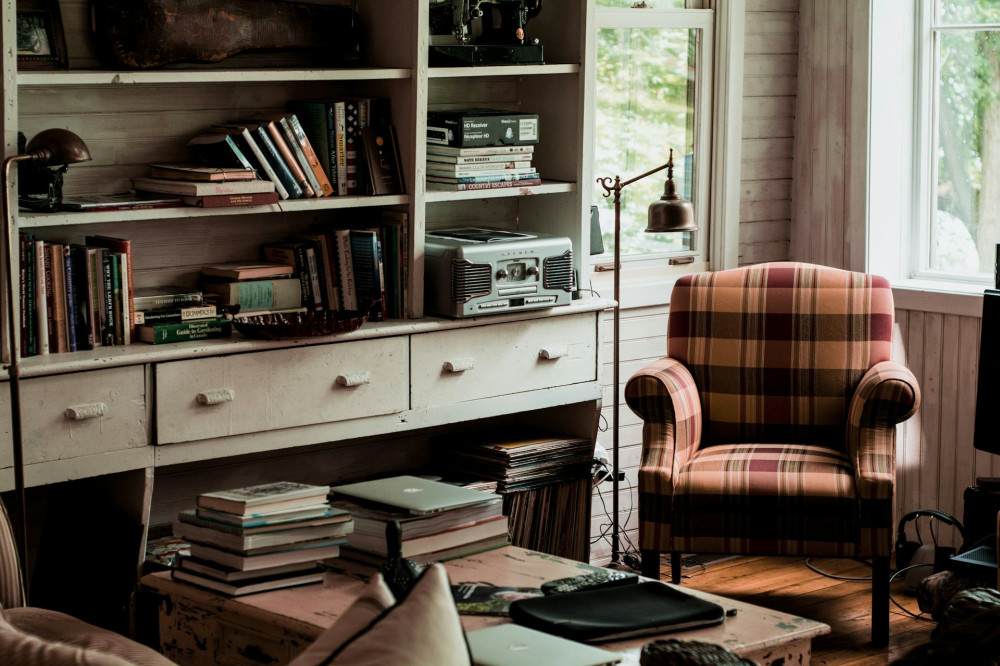
Avoid too many dark, heavy materials like deep wood tones or velvet, which can make a space feel smaller and dimmer.
Keep the Space Open and Airy
In a darker home, openness is key. Bulky furniture can dominate a room and block light. Instead, choose:
- Pieces with slim legs and open frames that let light flow around and beneath them.
- Glass or light wood tables that don’t interrupt the visual flow.
- Fewer, well-chosen items to maintain a calm, uncluttered feel.
A minimalist approach that emphasizes quality over quantity can make a shaded home feel serene and spacious.
Add Shade-Tolerant Greenery
Plants bring life and freshness—even to low-light rooms. Choose varieties that thrive in shade, such as:
- ZZ plant (Zamioculcas zamiifolia)
- Snake plant (Sansevieria)
- Cast iron plant (Aspidistra)
- Ferns and peace lilies
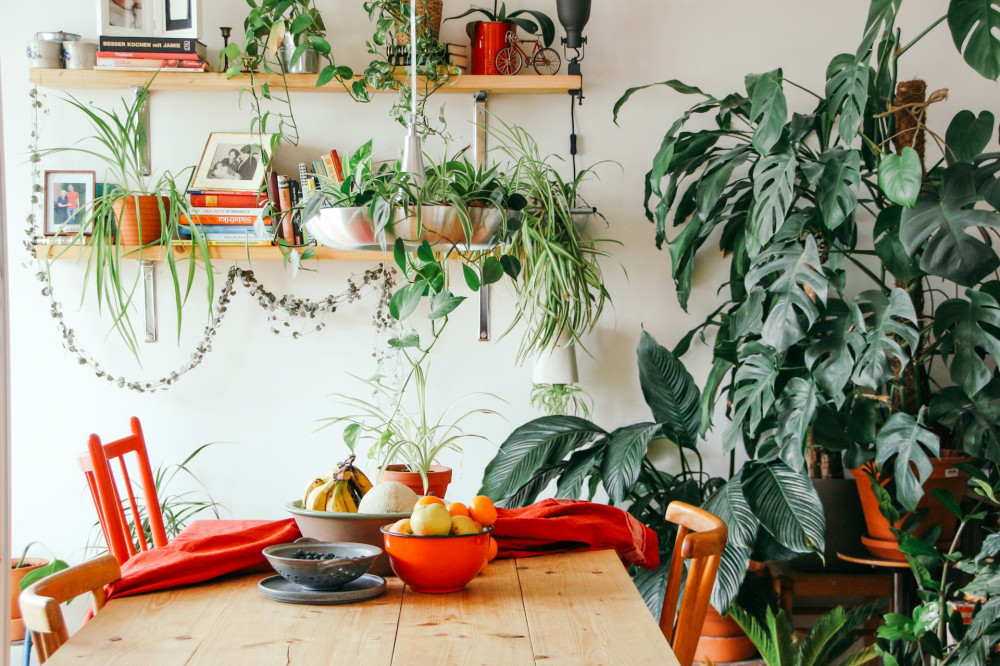
These plants tolerate low light and help purify the air. Place them near windows or under lamps to give them the best chance to flourish.
Create the Illusion of Light and Space
Even if you can’t increase the amount of natural light, you can create the illusion of more. Try these visual tricks:
- Large mirrors and light rugs make rooms appear bigger and brighter.
- Vertical lines – such as floor-to-ceiling curtains – draw the eye upward and make ceilings seem higher.
- Transparent furniture made of acrylic or glass keeps the space feeling open and airy.
Small changes can have a big impact when combined with thoughtful lighting and a cohesive color palette.
Læs også:
A Bright Home Is About Atmosphere
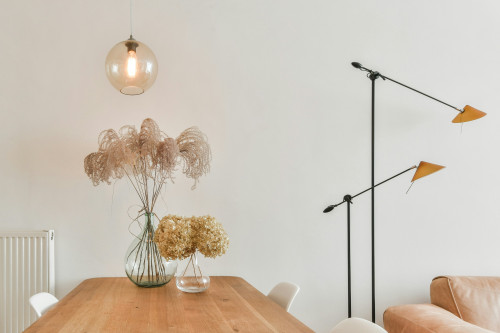
A bright home isn’t just about lumens and paint colors—it’s about atmosphere. When you create a space that feels open, warm, and inviting, it lifts your mood and energy. Even in shady surroundings, you can design a home that feels like a peaceful, light-filled retreat.
Læs også: