Better Orientation at Night with the Right Lighting

Better Orientation at Night with the Right Lighting
Finding your way around the house at night can be tricky—especially if you want to avoid turning on bright overhead lights and waking everyone up. The right lighting can make a big difference in both comfort and safety. With a thoughtful lighting plan, you can move around confidently without disturbing your sleep. Here’s how to create better nighttime orientation with the right lighting.
Why Night Lighting Matters
When your eyes adjust to darkness, they become very sensitive to light. A bright light in the middle of the night can disrupt melatonin production and make it harder to fall back asleep. On the other hand, too little light increases the risk of tripping or bumping into furniture.
The ideal night lighting strikes a balance: enough light to see where you’re going, but dim enough not to fully wake your body. This is especially important in bedrooms, hallways, and bathrooms.
Læs også:
Choosing the Right Type of Light
When planning nighttime lighting, consider both brightness and color temperature.
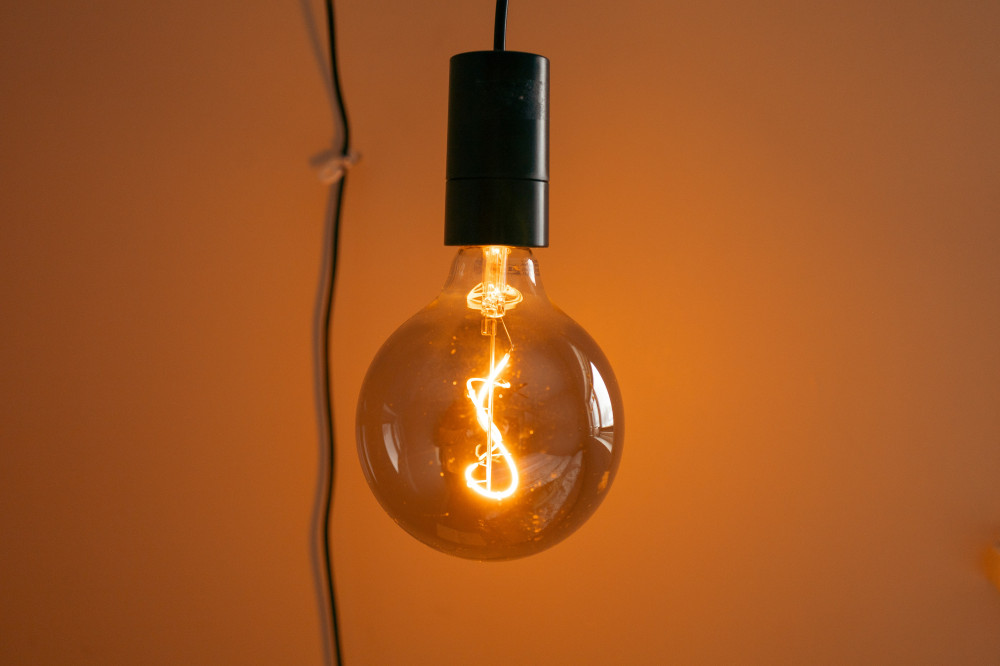
- Warm light (below 3000 Kelvin) is easiest on the eyes and least likely to interfere with sleep. It resembles candlelight and creates a calm atmosphere.
- Cool light (above 4000 Kelvin) should be avoided at night, as it mimics daylight and can confuse your body’s internal clock.
- Low brightness is key. A nightlight or LED strip using 1–5 watts is often enough for orientation lighting.
You might also want to use lamps with dimmer functions so you can adjust the brightness as needed.
Strategic Light Placement
Where you place your lights is just as important as the type of light you choose. Instead of illuminating an entire room, focus on the areas where you actually move around.
- Along the floor: LED strips under the bed, along baseboards, or under cabinets provide subtle but effective guidance without glare.
- Near stairs and thresholds: Small recessed wall lights or motion sensors can help prevent accidents.
- In the bathroom: A soft light under the vanity or behind the mirror can provide enough illumination without being harsh.
- In children’s rooms: A small nightlight with a gentle glow can offer comfort without disturbing sleep.
Think of your lighting as a pathway that naturally guides you from the bedroom to the rooms you use most at night.
Automation and Sensors
Motion sensors are a convenient way to ensure lights only turn on when needed. They can be built into outlets, lamps, or installed as separate devices. That way, you don’t have to fumble for a switch in the dark.
Smart lighting systems can also automatically dim in the evening and turn on softly if you get up at night. These can be controlled through apps, timers, or voice assistants, depending on your setup.
Energy-Efficient Solutions
Because night lighting often stays on for long periods, it’s smart to choose energy-efficient bulbs. LED lights use very little electricity and last for years. Combined with sensors or timers, they can help you minimize energy use even further.
Look for fixtures with low standby power consumption, and place them strategically so you don’t need many lights to achieve the desired effect.
Creating Comfort and Safety
The right night lighting isn’t just about function—it’s also about creating a sense of calm and security. A soft, warm glow can make it easier to relax after a nighttime trip to the bathroom, and it can help children feel safe if they wake up in the dark.
By paying attention to brightness, color, and placement, you can create a home that feels safe and comfortable—even when the rest of the world is asleep.
Læs også: