Moisture Problems in Urban and Rural Areas – Why the Challenges Differ

Moisture Problems in Urban and Rural Areas – Why the Challenges Differ
Moisture is one of the most common issues affecting American homes—whether you live in a downtown apartment or a farmhouse miles from the nearest neighbor. While the underlying problem is the same, the causes and consequences often differ depending on location, building style, and maintenance practices. Understanding these differences is key to preventing damage and maintaining a healthy indoor environment.
Moisture in Cities – Tight Spaces and Limited Ventilation
In urban areas, many buildings are older and densely packed, leaving little room for air circulation around foundations and walls. Brick and concrete structures built before modern moisture barriers were common are especially vulnerable.
A frequent city issue is condensation moisture, particularly in apartments with poor ventilation. Everyday activities—cooking, showering, and drying clothes indoors—release large amounts of water vapor. When that humid air meets cold surfaces like windows or exterior walls, condensation forms. Over time, this can lead to peeling paint, mold growth, and musty odors.
Another urban challenge is basement dampness. Many older buildings have basements with porous masonry walls and no waterproofing. During heavy rain, groundwater can seep through cracks or rise by capillary action, leaving dark stains, salt deposits, and a persistent damp smell. In cities with aging infrastructure, combined sewer systems can also back up during storms, worsening the problem.
Moisture in Rural Areas – Nature Close to the House
In rural settings, moisture problems are often tied directly to the surrounding landscape. Homes are typically exposed to open fields, wooded areas, and varying soil conditions. Surface water from rain or melting snow can accumulate around foundations if gutters, downspouts, or drainage systems are inadequate.
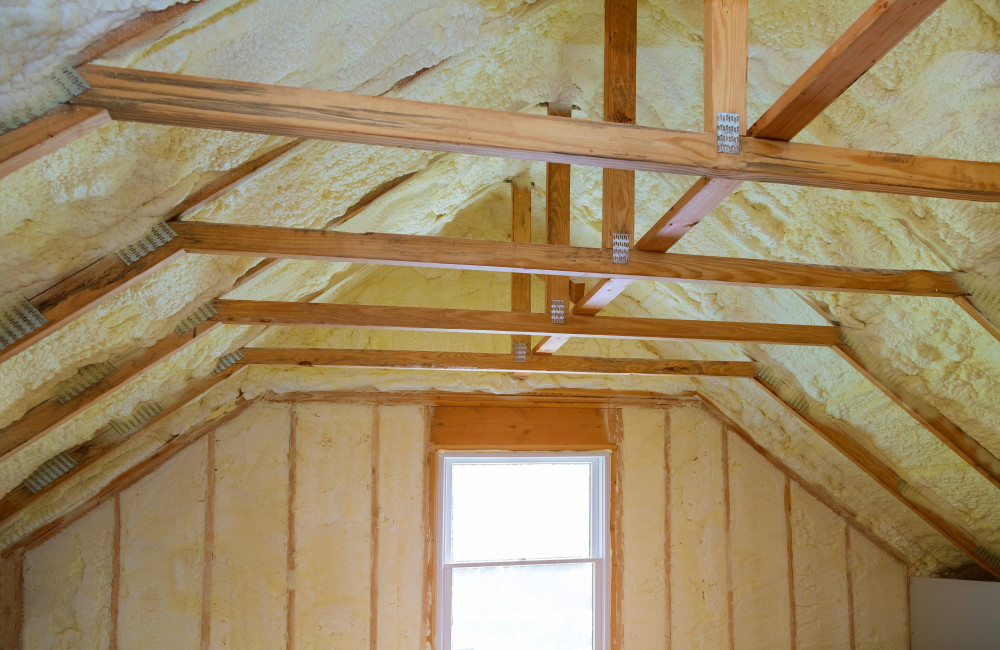
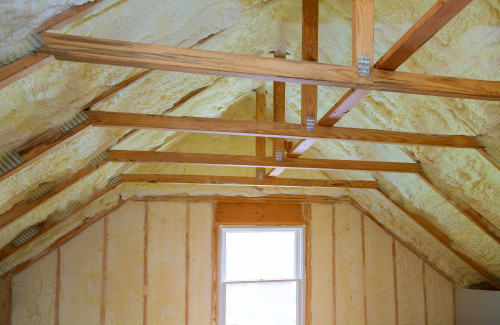
Older farmhouses and barns often have thick walls and limited insulation, making them prone to thermal bridging—areas where warm indoor air meets cold exterior surfaces, creating ideal conditions for condensation and mold. In unheated outbuildings, temperature swings can cause moisture to condense on metal or concrete surfaces, leading to corrosion and decay.
A particular rural concern is ground moisture. Many older homes lack vapor barriers or capillary breaks beneath floors, allowing moisture to rise through concrete slabs. This can result in cold, damp floors and damage to wood flooring or furniture.
Different Solutions – Same Principles
Although the sources of moisture vary, the basic principles of prevention remain the same: keep water out, direct it away, and ensure good ventilation.
In cities, the focus is often on improving indoor air quality. Regular ventilation, using exhaust fans in kitchens and bathrooms, and maintaining consistent heating can significantly reduce condensation. For basements, installing sump pumps, waterproof coatings, or interior drainage systems may be necessary.
In rural areas, the emphasis is on drainage and maintenance. Make sure gutters and downspouts channel water well away from the foundation, and that the ground slopes outward from the house. A functioning perimeter drain can prevent moisture from seeping in from below. At the same time, older rural homes should not be sealed too tightly—many were built to “breathe,” and overly airtight renovations can trap moisture inside.
Climate Change Increases the Pressure
Across the United States, changing weather patterns are intensifying moisture problems. Heavier rainfall, more frequent storms, and higher humidity levels are putting additional stress on both urban and rural buildings. In cities, flash floods can overwhelm drainage systems and flood basements, while in rural areas, prolonged wet conditions can saturate soil and slow drying during the summer.
These trends highlight the need to integrate moisture control into both renovation and new construction. Building codes, materials, and maintenance routines will all need to adapt to a wetter, more unpredictable climate.
Læs også:

Prevention Pays Off
Moisture problems rarely appear overnight, but they can become expensive if ignored. A damp basement or mold outbreak can require major repairs, while prevention often involves simple, routine actions: airing out rooms, cleaning gutters, checking drainage, and watching for cracks or discoloration.
Whether you live in a city apartment or a country home, the key is to act early. Moisture may not always be visible, but it leaves clues—and the sooner you respond, the easier it is to keep your home dry, healthy, and durable.
Læs også: