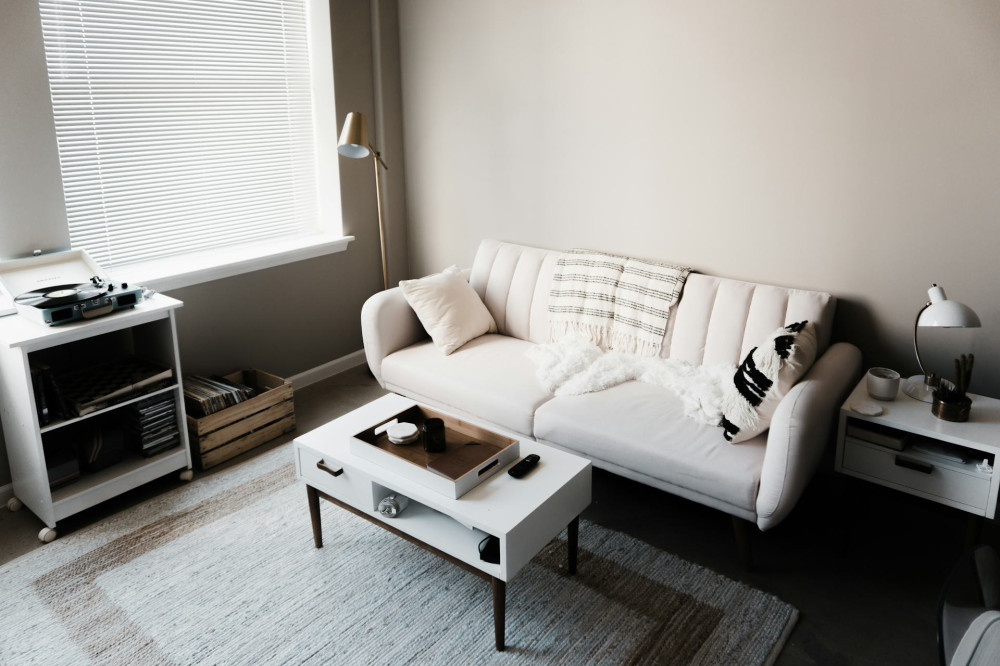
Aesthetic Insulation – When Design and Energy Efficiency Go Hand in Hand

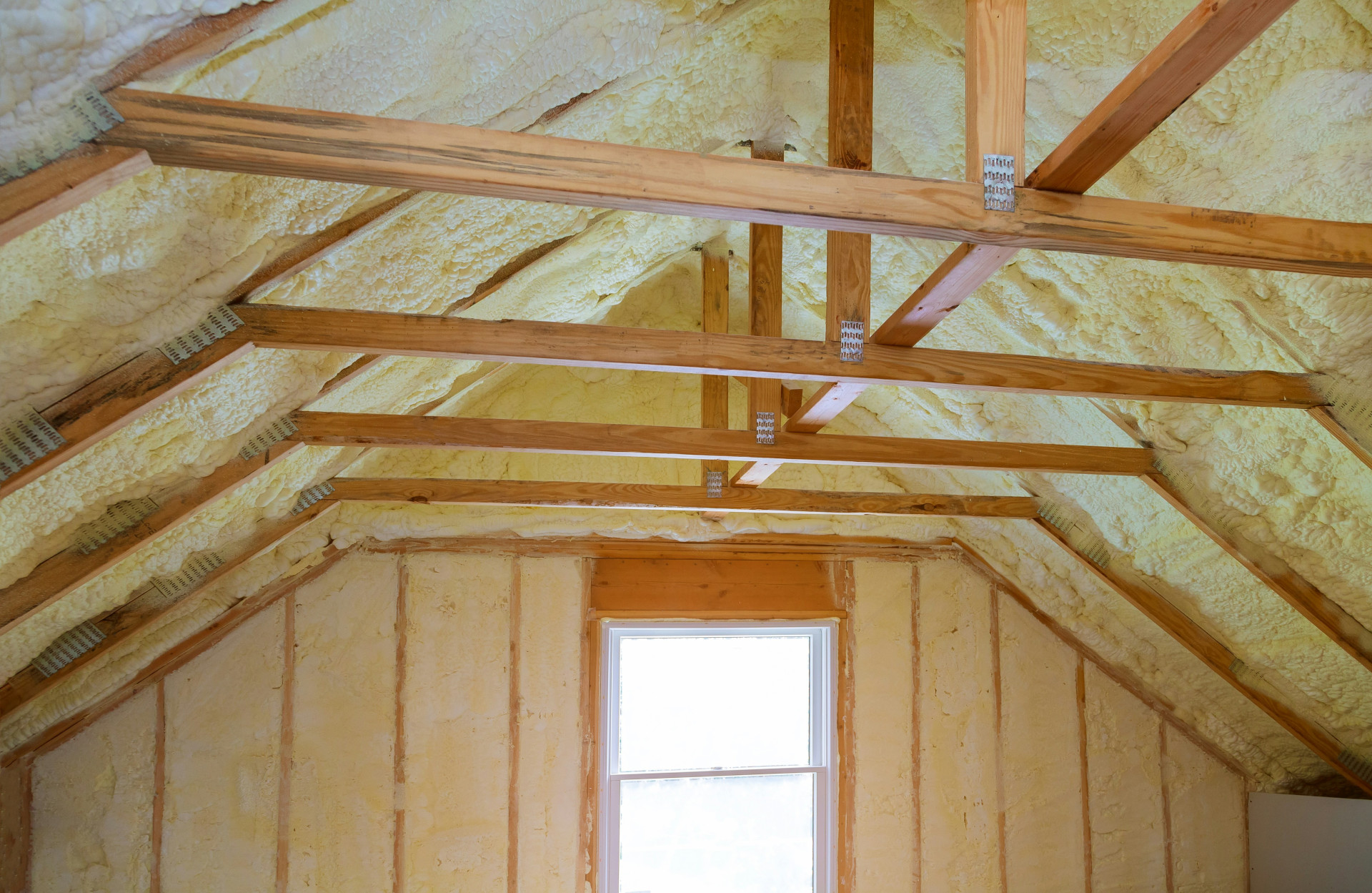
Aesthetic Insulation – When Design and Energy Efficiency Go Hand in Hand
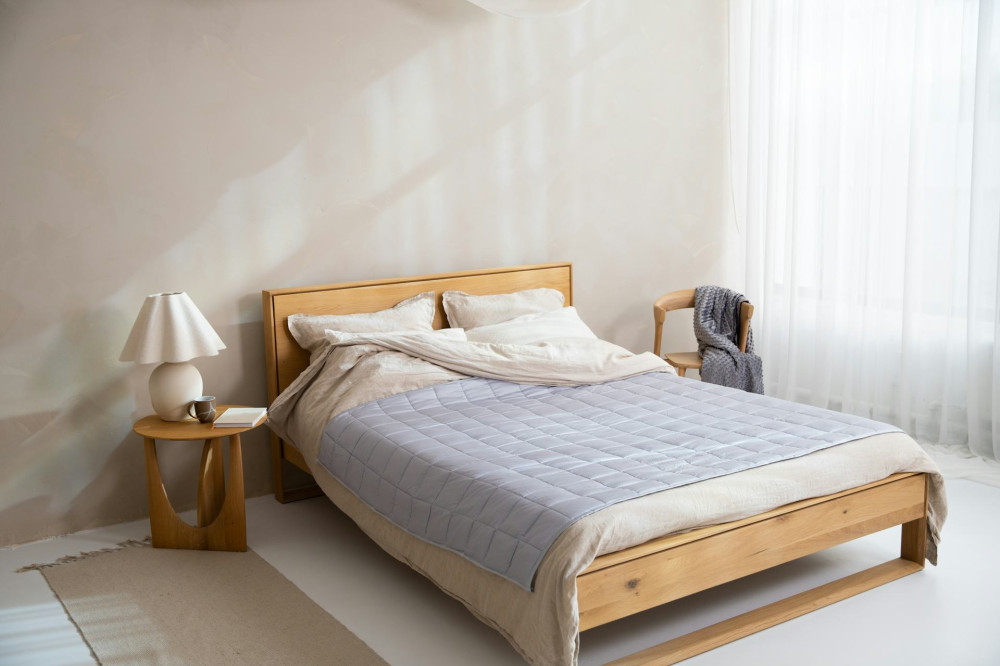
For decades, insulation was seen as a purely technical matter — something about R-values, wall thickness, and energy codes. But as architecture and home design have evolved, aesthetics and energy performance have begun to merge. Today, good insulation isn’t just about lowering utility bills; it’s about creating homes that are beautiful, functional, and sustainable.
When Function Meets Form
Modern insulation solutions are no longer hidden layers behind drywall or siding. They’ve become an integral part of a building’s visual identity. Architects and designers increasingly work with materials that both insulate effectively and contribute to the home’s overall look.
A great example is exterior insulation with stucco or wood cladding, where the insulating layer becomes part of the façade design. This approach allows for clean lines, natural textures, and a contemporary appearance — all while maintaining high energy efficiency.
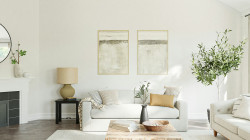
Inside the home, the same trend is visible. Acoustic insulation panels made of fabric, felt, or wood slats are now used as decorative features that improve sound quality and add warmth and character to interior spaces.
Materials with Both Intelligence and Heart
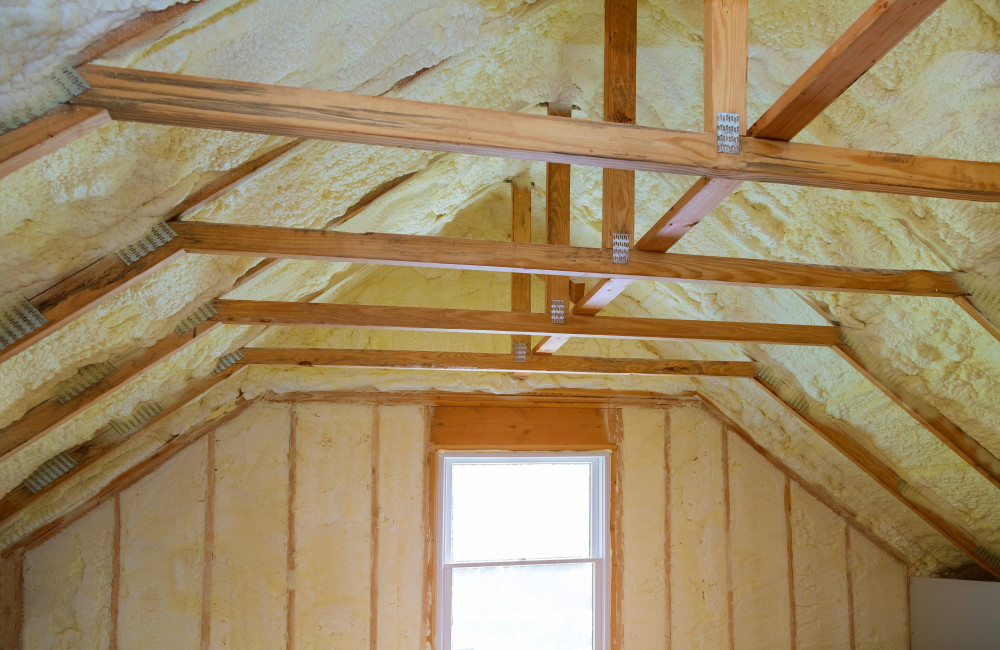
The choice of insulation material affects not only energy performance but also the home’s atmosphere and environmental footprint. While fiberglass and foam have long dominated the U.S. market, a growing number of natural and sustainable alternatives are gaining attention: hemp, wood fiber, cork, and cellulose.
These materials offer excellent thermal performance while promoting healthier indoor air and a more organic aesthetic. Many designers appreciate how natural materials age gracefully and bring a sense of warmth that complements modern American design trends emphasizing comfort and authenticity.
At the same time, there’s a growing focus on visible craftsmanship — beautiful joints, natural finishes, and colors that harmonize with the rest of the home. Insulation is no longer something to hide; it’s part of the design story.
Læs også:
Energy Retrofits with an Eye for Design
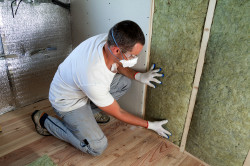
When older homes are upgraded for energy efficiency, a common challenge arises: how to improve insulation without compromising the home’s original character.
This is where aesthetic insulation plays a key role. By choosing solutions that respect the building’s architecture, homeowners can preserve its charm while achieving significant energy savings.
For example:
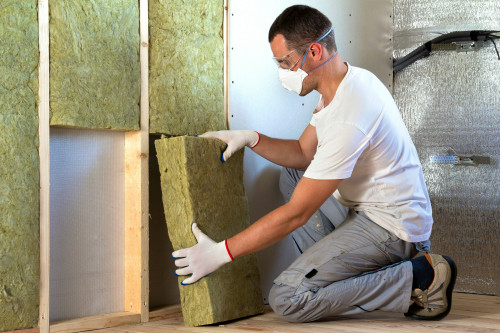
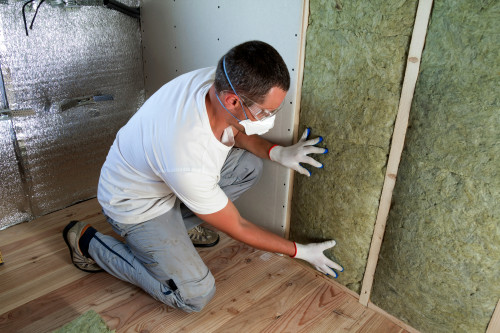
- Interior insulation can be used in historic homes where the exterior must remain unchanged.
- High-performance thin insulation panels can improve efficiency without altering proportions.
- New windows and doors can be selected to match the home’s style while enhancing thermal performance.
It takes careful planning and attention to detail, but the result is a home that looks and feels better — and uses less energy.
Smart Solutions for Modern Living
Technology is transforming the world of insulation. Vacuum insulation panels, aerogel, and smart façade systems now make it possible to achieve exceptional thermal performance in minimal space. This opens new architectural possibilities, allowing for sleek walls and expansive windows without sacrificing efficiency.
At the same time, digital design tools such as 3D modeling and energy simulation help architects and homeowners explore different design options before construction begins. This makes it easier to find the perfect balance between appearance, comfort, and performance.
The Homes of the Future – Beautiful, Healthy, and Sustainable
Aesthetic insulation is ultimately about holistic thinking. A truly sustainable home isn’t just energy-efficient — it’s also comfortable, visually appealing, and built to age gracefully.
When design and insulation go hand in hand, the result is a home that’s beautiful, healthy, and environmentally responsible. It’s a shift that benefits not only the planet but also our everyday quality of life.
The architecture of the future won’t be defined by form or function alone, but by the ability to unite the two in a seamless, harmonious whole.
Læs også: