Keep Your Home Comfortably Cool in Summer with Effective Insulation


Discover how proper insulation keeps your home cool, energy-efficient, and comfortable all summer long
Insulation
Insulation
2 min
Beat the summer heat with smart insulation solutions that help maintain a pleasant indoor temperature while reducing energy costs. Learn which areas of your home to focus on and how insulation works to keep the heat out and comfort in.
Kinsley Lee
Kinsley
Lee

Keep Your Home Comfortably Cool in Summer with Effective Insulation

Discover how proper insulation keeps your home cool, energy-efficient, and comfortable all summer long
Insulation
Insulation
2 min
Beat the summer heat with smart insulation solutions that help maintain a pleasant indoor temperature while reducing energy costs. Learn which areas of your home to focus on and how insulation works to keep the heat out and comfort in.
Kinsley Lee
Kinsley
Lee

When summer temperatures soar, keeping your home comfortably cool can be a challenge—especially if your house isn’t properly insulated. Many people associate insulation with keeping warm in winter, but good insulation is just as important for keeping heat out in the summer. Here’s how effective insulation can make your home more comfortable while saving energy and money.

Insulation Works Both Ways

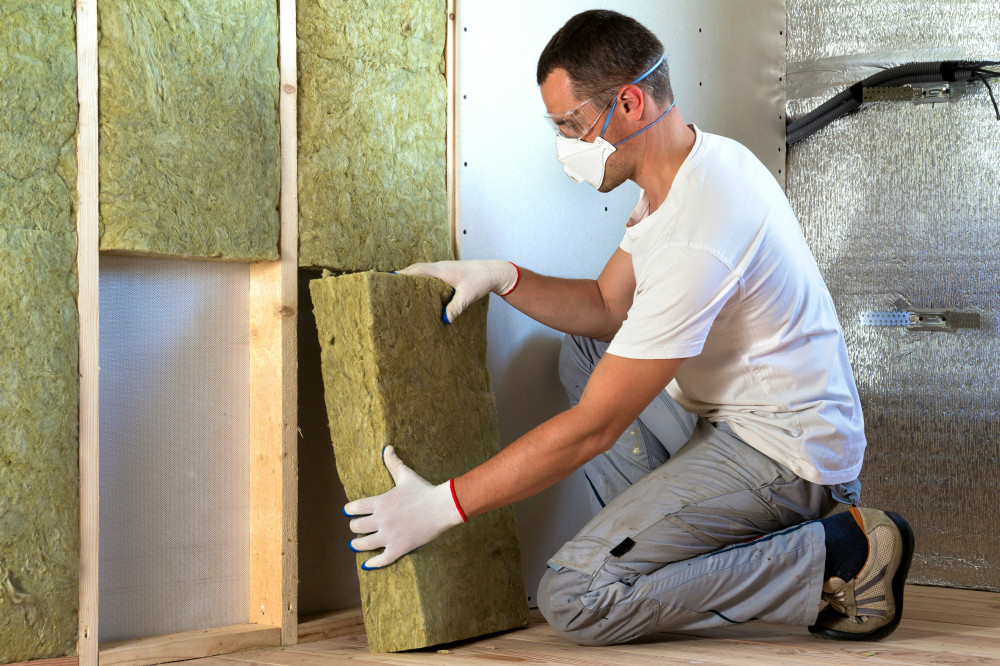
Insulation slows down the transfer of heat—both into and out of your home. In winter, it keeps warmth inside, and in summer, it prevents outdoor heat from seeping in. A well-insulated home maintains a more stable indoor temperature year-round, so your air conditioning system doesn’t have to work as hard to keep things comfortable.

If your home heats up quickly when the sun is out, it may be a sign that your attic, walls, or roof lack sufficient insulation. This is especially common in older homes built before modern energy standards were introduced.

Start with the Attic

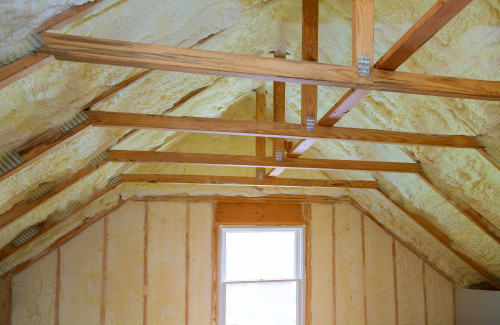
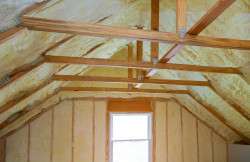
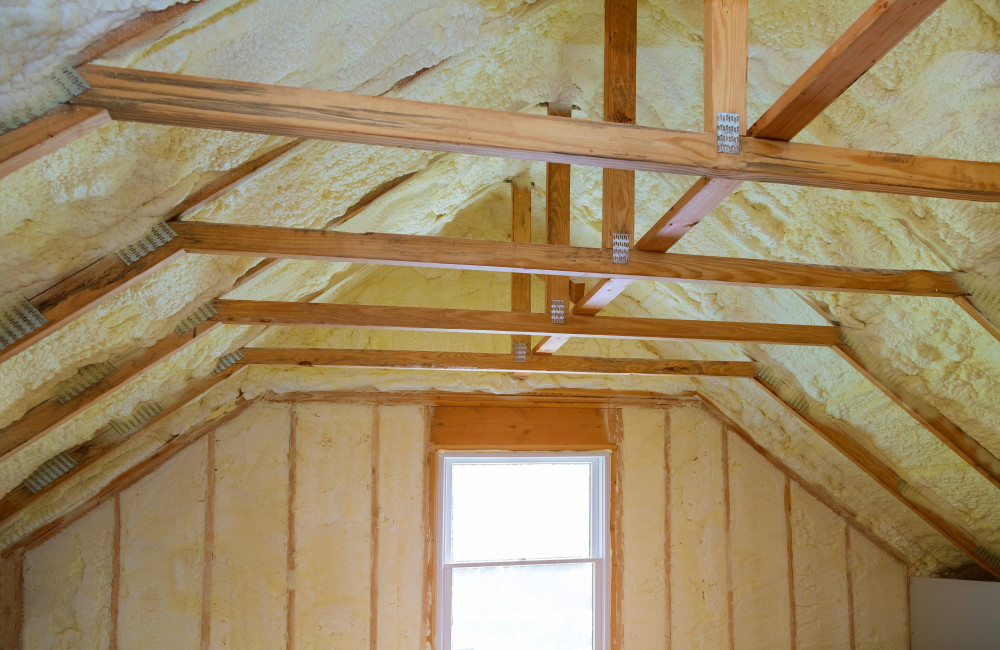
Because heat rises, the attic is the first place to check when improving your home’s ability to stay cool. A poorly insulated attic acts like a heat trap—sunlight warms the roof, and that heat radiates down into the living spaces below.

Adding or upgrading attic insulation can dramatically reduce heat gain. In most U.S. climates, the Department of Energy recommends attic insulation rated between R-38 and R-60. This is one of the most cost-effective upgrades you can make, and the difference in comfort is often noticeable right away.

Walls and Roof – Hidden Sources of Heat

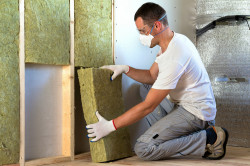
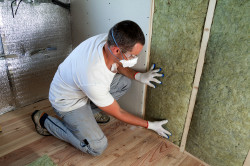
While the attic is the top priority, your walls and roof also play a major role in keeping your home cool. Sunlight can heat up exterior walls, especially those facing south and west, and if they’re not well insulated, that heat quickly transfers indoors.

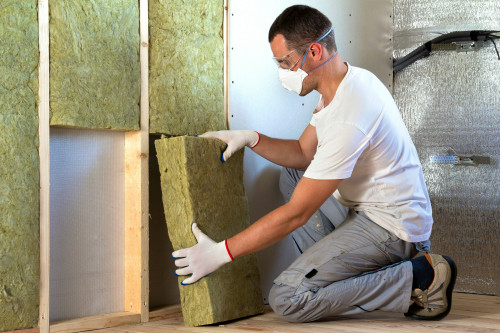
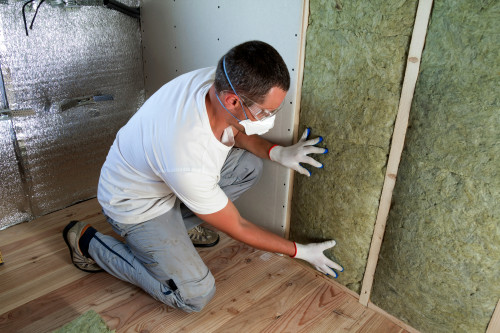
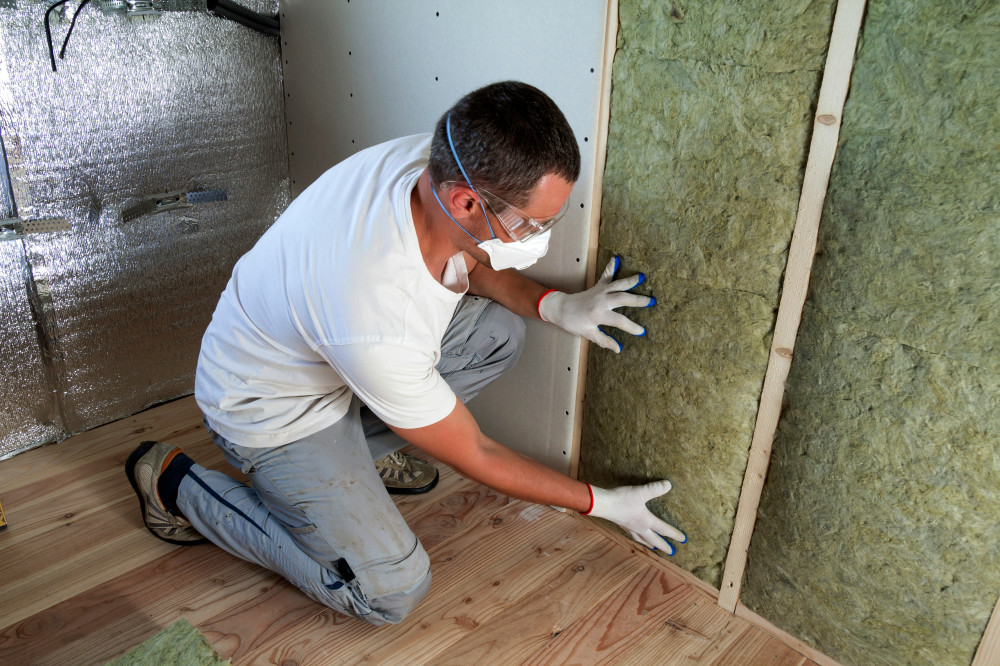
  • Exterior walls can be insulated from the inside or outside, depending on your home’s construction. Exterior insulation is generally more effective but may require a larger renovation project.
  • The roof can be insulated or upgraded with reflective “cool roof” materials that reflect more sunlight and absorb less heat, reducing the temperature of your attic and upper floors.

Windows and Doors – Small Openings, Big Impact

Even the best insulation won’t help much if your windows and doors let heat in. Older single-pane windows or poorly sealed frames can act like radiators under direct sunlight.

Consider upgrading to energy-efficient windows with low-emissivity (Low-E) coatings that reflect solar heat while letting in natural light. You can also use shading solutions such as awnings, blinds, or exterior shutters to block the sun’s rays before they reach the glass.

Ventilation and Shade – Insulation’s Best Partners

While insulation is key to maintaining a stable indoor temperature, it works best when combined with proper ventilation. Stagnant air can trap heat, even in a well-insulated home. Open windows early in the morning or late in the evening when it’s cooler, and keep them closed during the hottest part of the day.

Landscaping can also help. Planting trees or shrubs near sunny walls and windows provides natural shade, reducing the amount of heat your home absorbs. Overhangs and pergolas can further protect your home from direct sunlight.

A Smart Investment That Pays Off

Effective insulation isn’t just about comfort—it’s also a smart financial and environmental investment. A cooler home requires less air conditioning, which means lower electricity bills and reduced strain on the power grid. At the same time, your home will be better prepared for both hot summers and cold winters.

If you’re unsure where to start, consider scheduling a home energy audit. A professional can assess your current insulation levels and recommend the most cost-effective improvements for your climate and budget.

Stay Cool All Year Long

Keeping your home comfortably cool in summer isn’t just about running the air conditioner. With the right insulation, you can create a home that naturally maintains a pleasant temperature year-round. The result is greater comfort, lower energy costs, and a healthier indoor environment for you and your family.

DIY Floor Insulation: How to Plan Your Project Step by Step
Keep your home warm and energy-efficient with the right floor insulation plan
Insulation
Insulation
Floor Insulation
DIY
Home Improvement
Energy Efficiency
Renovation
2 min
Learn how to plan and carry out your own floor insulation project step by step. From assessing your current floor to choosing materials and finishing touches, this guide helps you achieve a more comfortable and cost-effective home.
Ruby Reyes
Ruby
Reyes
Basement vs. Ground Floor – Key Differences in Moisture and Heat You Should Know
Understand how temperature and moisture behave differently below and above ground
Insulation
Insulation
Home Improvement
Indoor Climate
Moisture Control
Energy Efficiency
Basement Care
2 min
Discover why basements often feel cooler and more humid than ground floors, and learn how to manage heat and moisture for a healthier, more comfortable home. This guide explains the science behind the differences and offers practical solutions for homeowners.
Braxton Robinson
Braxton
Robinson
Moisture Problems in Urban and Rural Areas – Why the Challenges Differ
Understand how location and environment shape the way moisture affects your home
Insulation
Insulation
Moisture Control
Home Maintenance
Urban Living
Rural Homes
Building Health
5 min
Moisture problems can strike anywhere, but the reasons and remedies vary between city apartments and rural houses. Learn what makes urban and rural moisture challenges different—and how to protect your home from costly damage and unhealthy indoor air.
Nolan Evans
Nolan
Evans
Light and Life: How Lighting Affects Our Mood and Perception of Space
Discover how the right lighting can transform your mood, health, and sense of space
Trend
Trend
Lighting
Interior Design
Well-Being
Mood
Home Decor
7 min
Light influences more than what we see—it shapes how we feel and interact with our surroundings. Learn how different types of lighting, from natural daylight to layered indoor solutions, can enhance well-being, boost energy, and create harmony in your home or workspace.
Christian Richardson
Christian
Richardson
Make Your Home Personal with Books, Photos, and Memories
Turn your living space into a reflection of your life and personality
Trend
Trend
Home Decor
Personal Style
Interior Design
Memories
Inspiration
7 min
Discover how books, photos, and cherished memories can transform your house into a truly personal home. Learn to balance style and sentiment to create a space that tells your story and feels uniquely yours.
Kinsley Lee
Kinsley
Lee
Home design that makes everyday life easier and more comfortable
Thoughtful design ideas for a home that supports your daily life
Trend
Trend
Home Design
Interior Inspiration
Smart Living
Comfort
Everyday Life
5 min
Discover how smart design choices can make your home more functional, relaxing, and enjoyable. From lighting and storage to natural materials and technology, learn how to create a space that truly works for you.
Ruby Reyes
Ruby
Reyes
Home Style as a Reflection of Your Personality
Discover how your home’s design choices reveal your unique character and lifestyle
Trend
Trend
Interior Design
Home Decor
Personal Style
Lifestyle
Psychology of Color
4 min
Your home is more than just a place to live—it’s a reflection of who you are. From color palettes to furniture arrangements, every detail tells a story about your personality, values, and way of life. Learn how to express yourself through your home style and create a space that truly feels like you.
Braxton Robinson
Braxton
Robinson
Balance Between Function and Aesthetics – The Key to a Harmonious Home
Discover how to create a home that is both beautiful and practical
Trend
Trend
Interior Design
Home Decor
Functionality
Aesthetics
Lifestyle
3 min
Learn how to strike the perfect balance between function and aesthetics in your home. Explore how thoughtful design choices can make your space not only visually appealing but also comfortable, efficient, and uniquely yours.
Nolan Evans
Nolan
Evans