The Ideal Children’s Chair: Balancing Durability and Aesthetics

The Ideal Children’s Chair: Balancing Durability and Aesthetics
A children’s chair is more than just a piece of furniture—it’s part of daily family life, a place where a child eats, plays, draws, and joins in at the table. The ideal children’s chair must withstand wear and tear, support a child’s growth, and still fit beautifully into the home. But how do you find the right balance between function, durability, and design?
Functionality First—But Not Only
When choosing a children’s chair, safety and comfort naturally come first. The chair should be stable, have the right seat height, and adjust to the child’s size. Many modern designs allow for adjustable seats and footrests, so the chair can grow with the child for years. That makes it an investment rather than a disposable item.
Functionality also means how well the chair fits into everyday life. Is it easy to clean after meals? Can it be moved without effort? Can the child climb in and out independently when they’re ready? Small details—rounded edges, removable covers, and smooth surfaces—can make a big difference in daily use.
Materials That Last—And Survive Family Life
Durability is key when it comes to children’s furniture. A good chair should handle spilled juice, climbing toddlers, and years of daily use. Solid wood is a classic choice, combining strength with a warm, natural look. Hardwoods like oak or maple are especially popular in the U.S. for their sturdiness and timeless appeal.
Plastic and metal options can be lighter and easier to clean, though they may lack the warmth of wood. Some manufacturers combine materials to get the best of both worlds—for example, a metal frame with a molded wooden seat.
Whatever the material, it’s worth checking for non-toxic finishes and certifications such as GREENGUARD or FSC. These ensure the chair is safe for children and environmentally responsible—a growing priority for many American families.
Læs også:
Design That Appeals to Both Kids and Adults
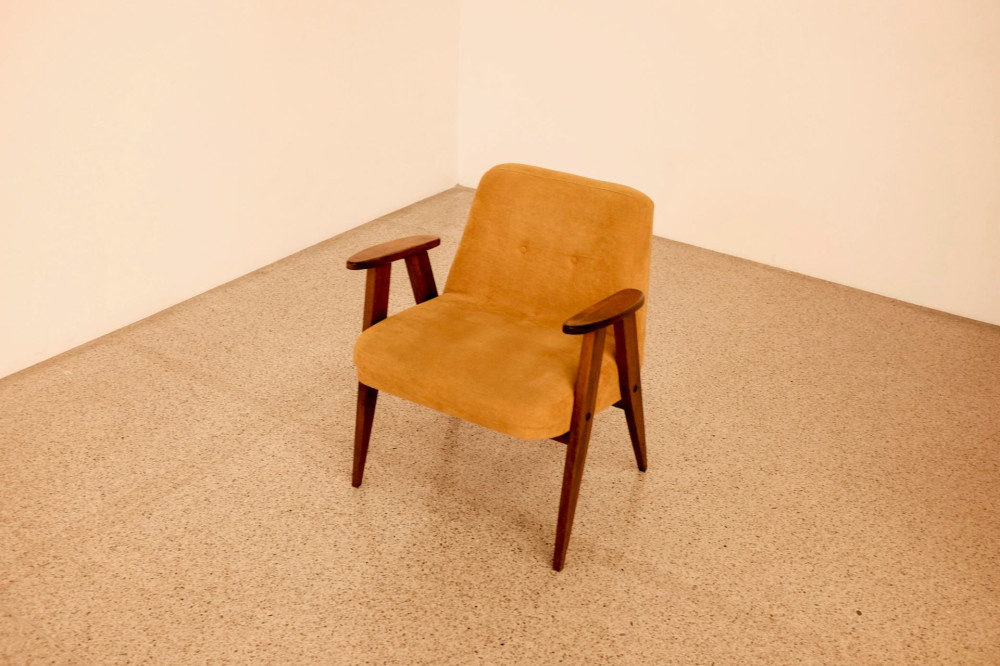
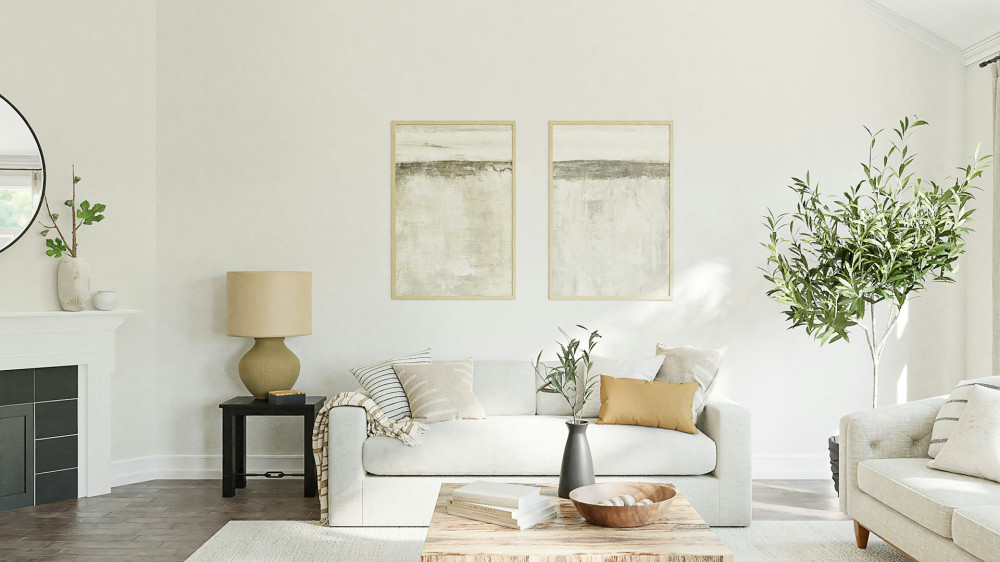
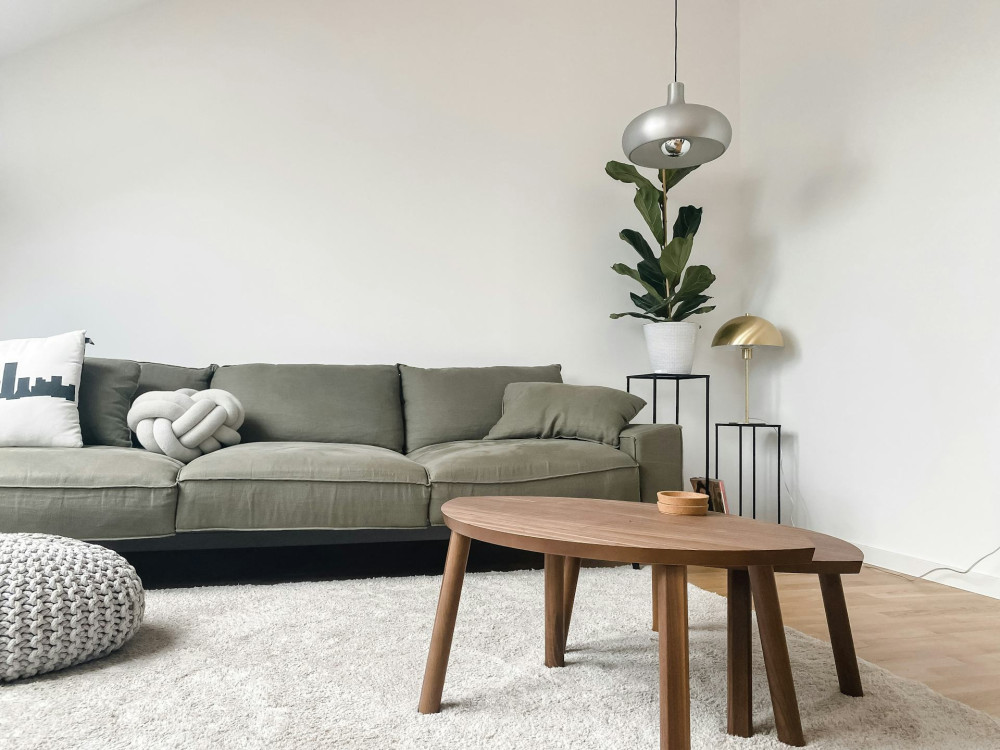
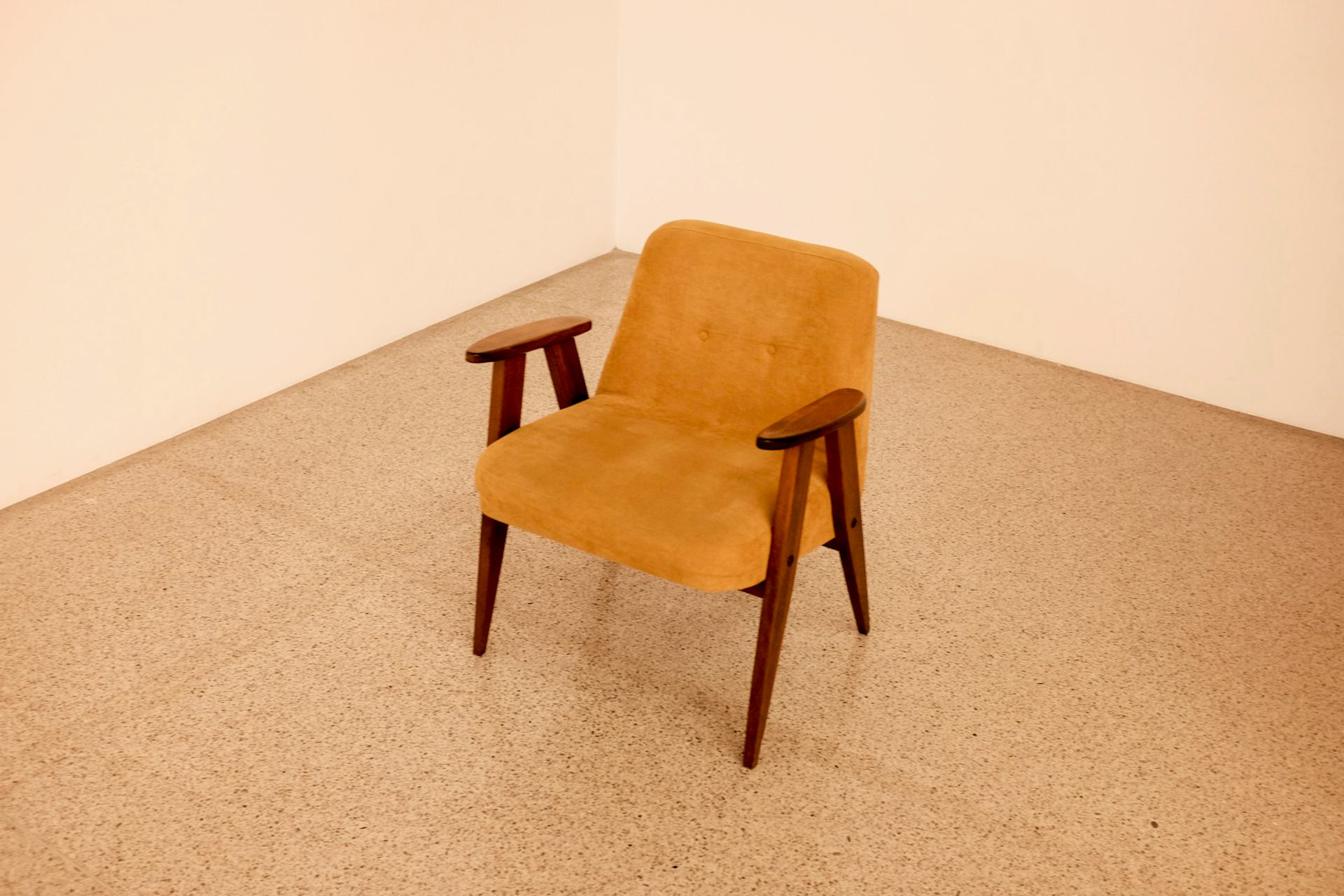
A children’s chair doesn’t have to look like it belongs in a daycare center. Today’s designs often mirror the clean lines and muted tones of modern home décor. Simple shapes, natural materials, and neutral colors help the chair blend seamlessly into dining or play areas.
At the same time, a touch of playfulness can make the chair more inviting for children—a pop of color, a soft curve, or a design that encourages independence. The goal is to create a piece that’s both practical and visually pleasing, one that feels at home in a family setting.
A Chair That Grows With the Child
One of the most sustainable and cost-effective solutions is a chair that adapts as the child grows. Some models transform from a high chair for toddlers into a regular chair for older children—or even adults. This flexibility reduces waste and makes the chair part of the family’s story over time.
When a chair can accompany a child from their first meals to their school years, it becomes more than furniture—it becomes a symbol of growth and shared moments. That’s where the balance between durability and aesthetics truly shines.
Sustainability as a Design Principle
More manufacturers are embracing sustainable practices, from responsibly sourced materials to energy-efficient production. Choosing a chair made from certified wood, with replaceable parts and a long lifespan, is not only environmentally sound but also financially wise.
Opting for quality over quantity means the chair can be passed down or resold when it’s no longer needed. It’s a mindset that aligns with a growing American interest in mindful consumption and long-term value.
The Ideal Children’s Chair—A Piece With Purpose
The ideal children’s chair brings together safety, durability, and beauty in one thoughtful design. It should be practical and comfortable, yet also pleasing to the eye. When craftsmanship and design go hand in hand, the chair becomes more than a household item—it becomes part of the family’s daily rhythm and identity.
Choosing the right children’s chair isn’t just about finding a place for a child to sit—it’s about creating a piece that supports life, play, and togetherness for years to come.
Læs også: