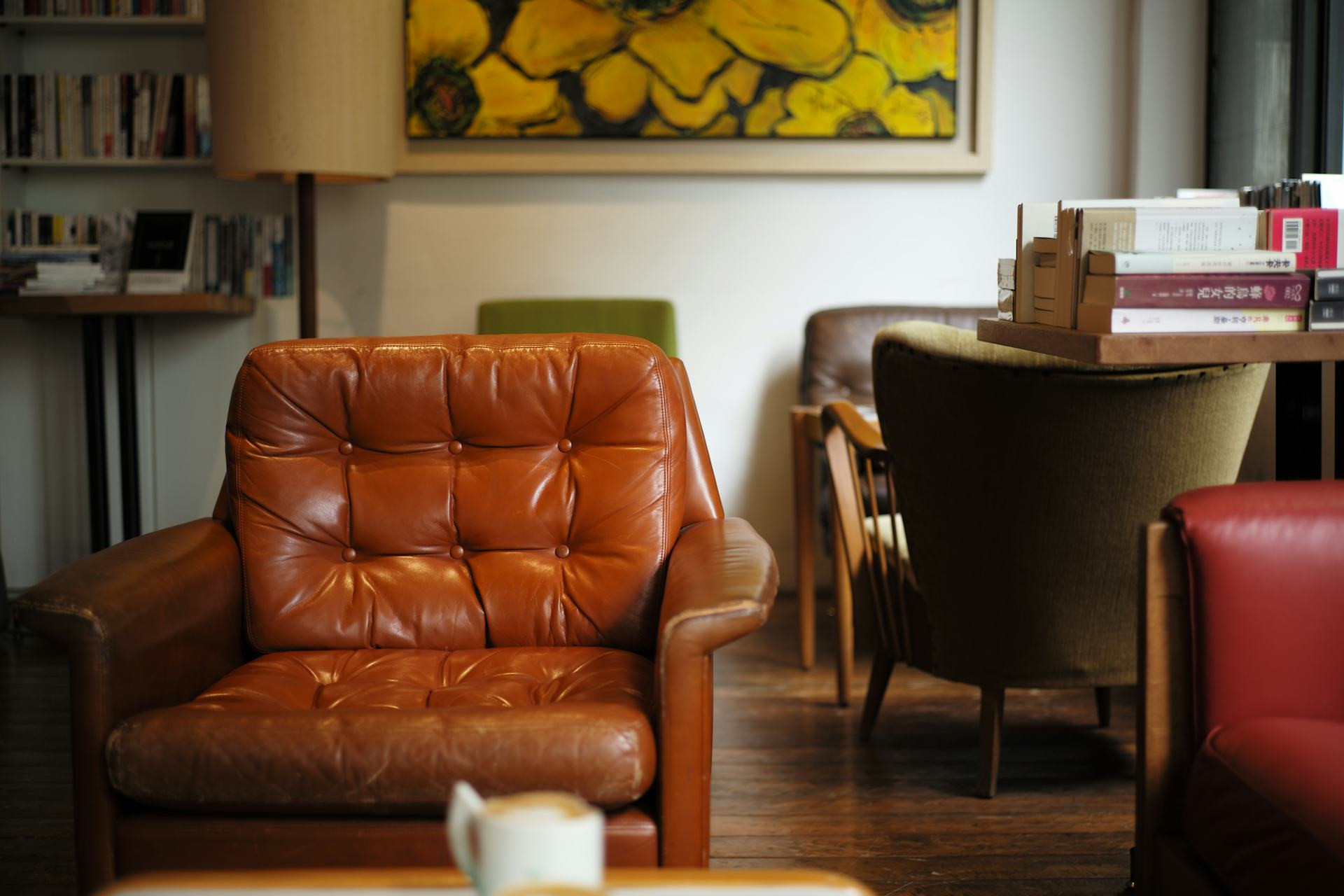
Give Your Leather Chairs New Life with Simple Care

Give Your Leather Chairs New Life with Simple Care
Leather chairs are timeless pieces that bring warmth, elegance, and comfort to any home. But even the finest leather can lose its luster over time if it’s not properly cared for. The good news? You don’t need expensive products or hours of work to keep your chairs looking their best. With a few simple habits, you can restore their natural beauty and extend their life for years to come.
Know Your Leather
Before you start cleaning or conditioning, it’s important to know what kind of leather you’re working with. Different types of leather require different care routines.
- Aniline leather is natural and untreated, giving it a rich, organic look—but it’s also more sensitive to stains and sunlight.
- Semi-aniline leather has a light protective coating that helps resist dirt while maintaining a natural feel.
- Pigmented leather (also called protected leather) has a durable finish that makes it easier to clean and maintain.
If you’re unsure which type you have, check the manufacturer’s tag or contact the retailer where you purchased the furniture.
Gentle but Effective Cleaning
Dust and dirt can settle into the pores of leather, dulling its surface over time. Regular cleaning helps prevent buildup and keeps the material supple.
- Wipe your chairs weekly with a soft, dry cloth to remove dust.
- Once a month, use a slightly damp cloth with lukewarm water to wipe down the surface.
- For tougher grime, use a mild leather cleaner—never household detergents or ammonia-based products.
- Always dry the leather with a clean, dry cloth afterward to prevent moisture from soaking in.
Avoid using baby wipes, alcohol, or harsh chemicals, as they can strip the leather’s natural oils and cause cracking.
Læs også:

Conditioning – Leather’s Lifeline
Leather is a natural material that needs moisture to stay soft and flexible. Conditioning replenishes its oils and protects it from drying out.
- Apply a leather conditioner or cream two to four times a year, depending on how often the chairs are used.
- Use a soft cloth to massage the conditioner into the leather in small circular motions.
- Let it absorb for a few hours, then buff lightly with a dry cloth for a smooth finish.
If the leather feels dry or looks dull, that’s a sign it’s time for conditioning. Regular care will keep the surface rich and resilient.
Protect from Sun and Heat
Even well-maintained leather can fade or crack if exposed to too much sunlight or heat. UV rays can bleach the color, and heat can dry out the material.
Try to position your leather chairs away from direct sunlight and heat sources like radiators, fireplaces, or heating vents. If your furniture sits near a window, consider using curtains or UV-filtering window film to reduce exposure.
Treat Stains with Care
Accidents happen—but quick, careful action can often prevent permanent damage.
- Liquid spills: Blot gently with a dry cloth and let the leather air-dry naturally.
- Grease stains: Sprinkle a little cornstarch or talcum powder to absorb the oil, then brush it off after a few hours.
- Ink or dye stains: These can be tricky—contact a professional leather cleaner to avoid worsening the mark.
The sooner you act, the better your chances of removing the stain completely.
Make Care a Habit
Leather care doesn’t have to be complicated. By incorporating small routines—like dusting regularly and conditioning a few times a year—you’ll keep your chairs looking beautiful with minimal effort.
Think of it as an investment: a few minutes of attention now can save you from costly repairs or replacements later. Plus, there’s something deeply satisfying about watching your leather regain its soft glow and rich texture.
A Piece That Ages Gracefully
When cared for properly, leather only gets better with age. The subtle patina and variations in tone tell the story of a well-loved piece that’s been part of your home for years. With simple, consistent care, your leather chairs can remain both comfortable and elegant—and perhaps even become heirlooms for the next generation.
Læs også: