Chairs for the Modern Lifestyle: Where Function Meets Flexibility

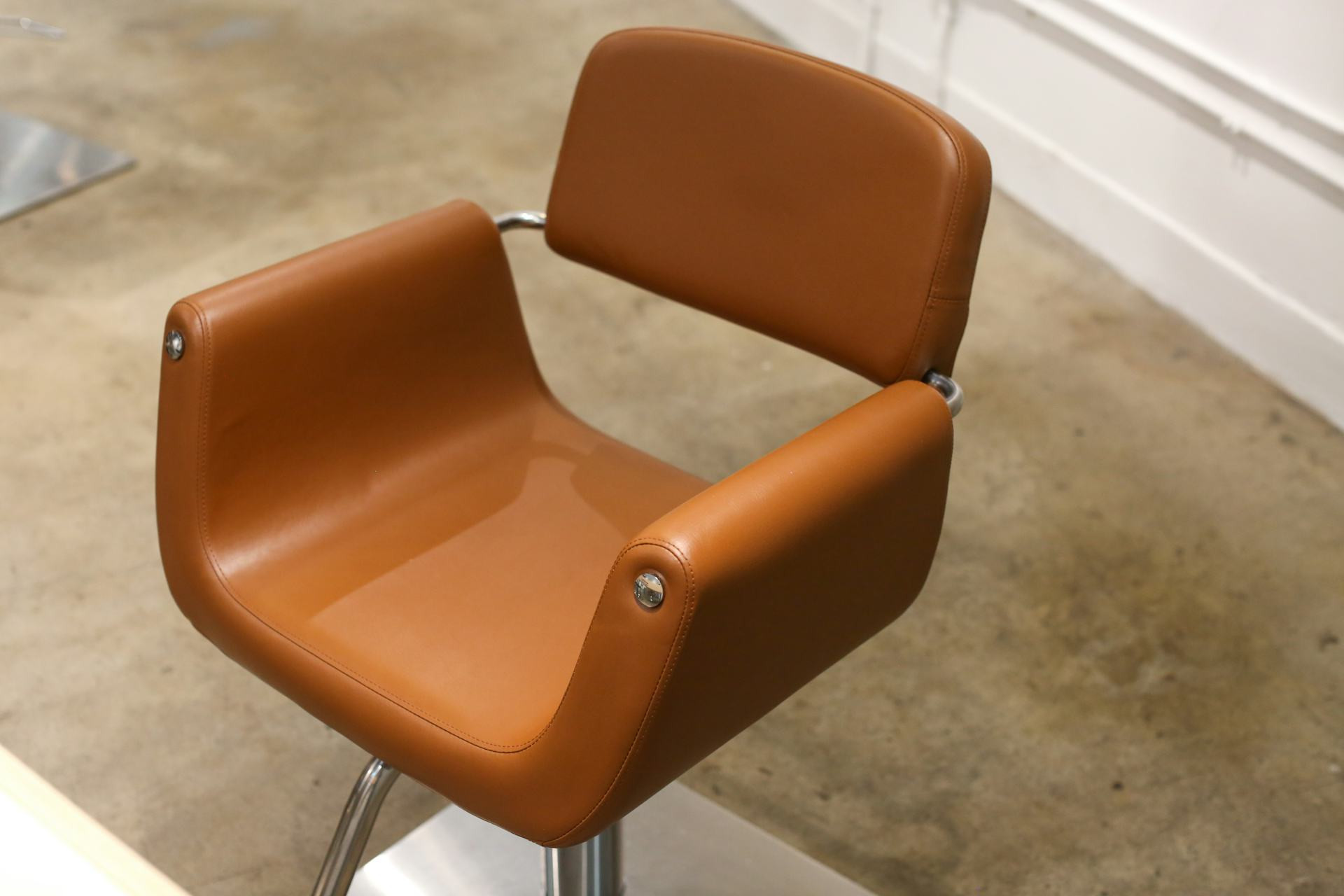
Chairs for the Modern Lifestyle: Where Function Meets Flexibility
In an era where our homes double as offices, classrooms, and sanctuaries, the furniture we choose must keep up with our ever-changing routines. The chair, once a simple place to sit, has evolved into a reflection of how we live, work, and unwind. Today’s lifestyle demands furniture that adapts to shifting needs—where function and flexibility go hand in hand.
From Fixed Form to Fluid Function
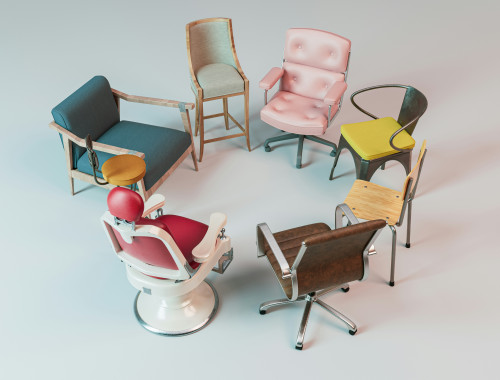
Gone are the days when a chair served a single purpose in a single room. Now, it must do much more. We eat, work, read, and gather around the same chair, making versatility a key design principle. Modern chairs often feature adjustable elements, lightweight materials, and multifunctional forms that allow them to move seamlessly from one space to another.
Think of the office chair that now fits comfortably in a living room corner, or the dining chair that doubles as a temporary workstation. The boundaries between home zones have blurred, and chair design has evolved to reflect that fluidity.
Design That Marries Aesthetics and Ergonomics
A modern chair must be more than visually appealing—it must support the body and promote well-being. Ergonomics has become central to design, whether it’s a classic wooden chair or a high-tech office model. Designers are increasingly shaping chairs that follow the body’s natural movements and using materials that balance comfort with durability.
At the same time, aesthetics remain essential. Many American designers aim to create chairs that complement a range of interior styles—from minimalist urban lofts to cozy farmhouse settings. The goal is to strike harmony between function and expression, so the chair feels both practical and personal.
Sustainability as a Form of Flexibility
Flexibility isn’t just about how a chair is used—it’s also about how long it lasts. As sustainability becomes a greater priority for U.S. consumers, there’s growing demand for furniture that endures and can be repaired, reused, or recycled. Many manufacturers now offer modular designs with replaceable parts or materials that can be disassembled and repurposed.
A chair that can adapt and be renewed becomes more than a piece of furniture—it’s an investment in a more responsible lifestyle. This approach benefits both the environment and the user, offering freedom and longevity in one thoughtful design.
Læs også:
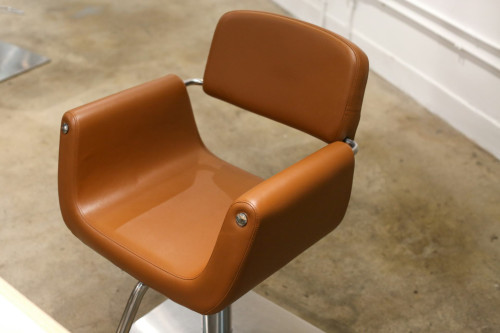
The Chair as a Statement of Identity
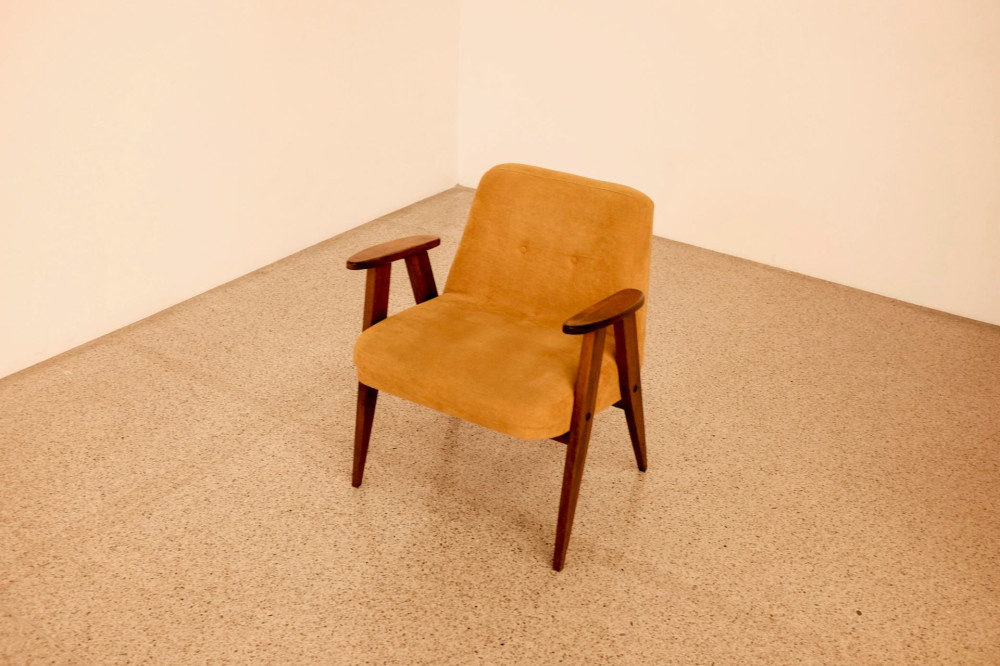
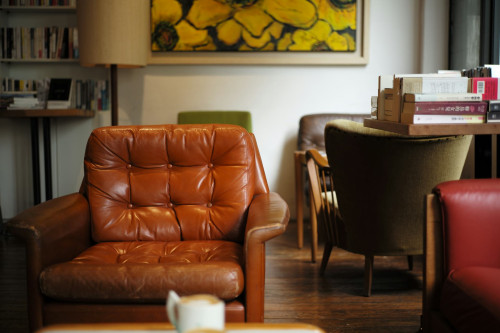
Today, people choose their chairs with the same care they give to fashion or technology. A chair can express personal values and style—whether it’s a mid-century classic that signals timeless taste or a cutting-edge ergonomic model that showcases innovation and practicality.
Whatever the choice, the chair has become more than a household object. It’s part of the story of modern living—a tool for balancing work and leisure, beauty and comfort, tradition and progress.
The Future of Seating: Movement and Technology
Looking ahead, the future of chair design points toward deeper integration of technology and movement. We’re already seeing chairs equipped with posture sensors and materials that respond to body temperature and weight. Movement is also becoming a design focus—chairs that encourage subtle shifts and micro-movements can improve focus and reduce fatigue throughout the day.
The modern chair is no longer just a place to sit—it’s an active partner in our daily lives. It supports us in living more flexibly, healthfully, and consciously, whether we’re working from home, gathering with friends, or enjoying a quiet moment alone.
Læs også: