Soft yet durable fabrics for kids’ room furniture

Soft yet durable fabrics for kids’ room furniture
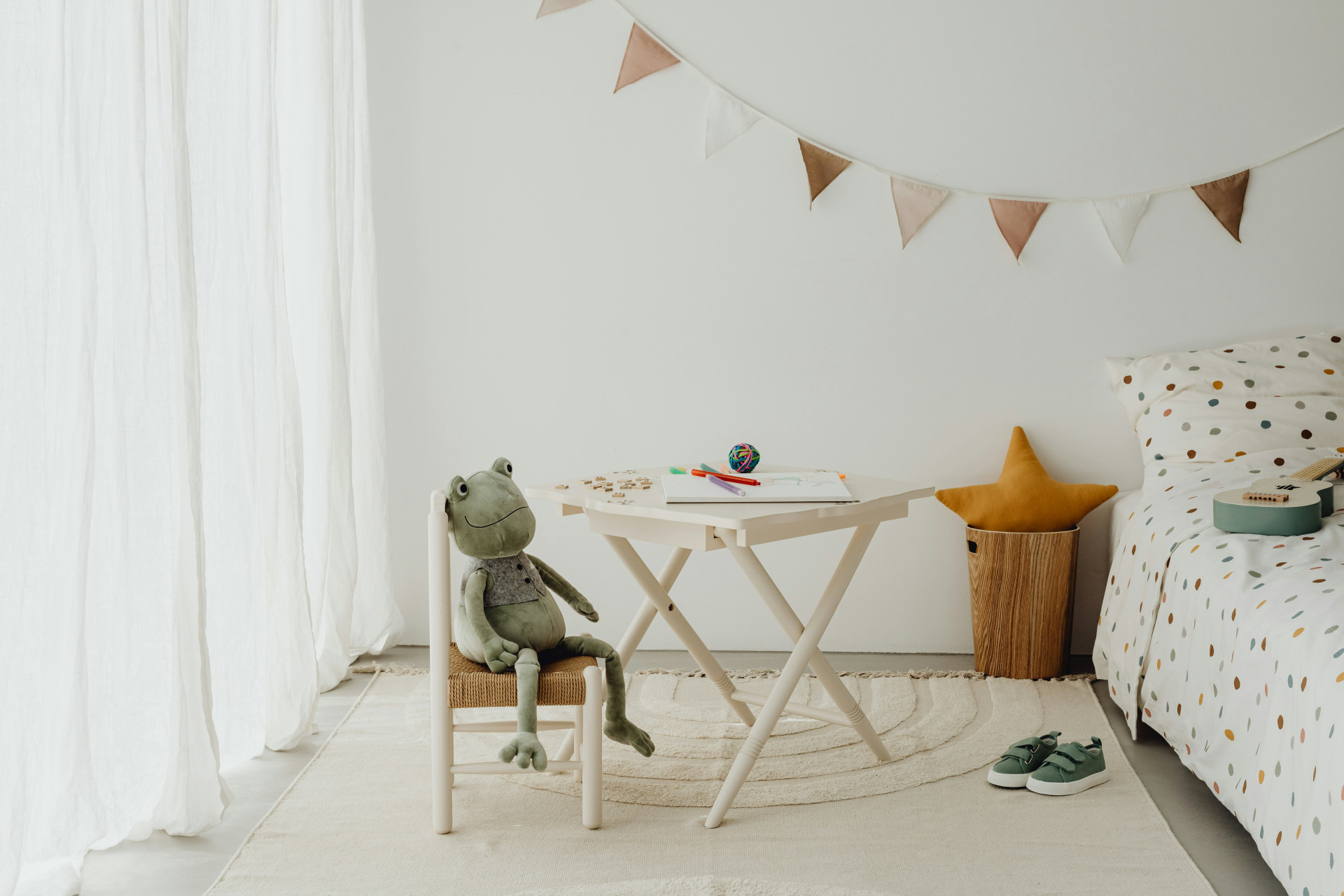
When decorating a child’s room, furniture needs to handle just about anything—playtime, art projects, cozy reading sessions, and the occasional spilled drink. That’s why fabric choice matters so much. The right materials should feel soft and comfortable while standing up to wear, stains, and frequent cleaning. Here’s a guide to choosing fabrics for kids’ room furniture that balance comfort, durability, and style.
Why fabric choice matters
A child’s room is one of the most active spaces in the home. It’s where kids jump, draw, read, and play—so furniture gets a lot more use than in other rooms. Choosing the right fabric can extend the life of your furniture and make daily life easier for both kids and parents.
Soft fabrics create a sense of comfort and security, while durable materials ensure that furniture keeps its good looks even after years of use. The goal is to find the perfect balance between coziness and practicality.
The most durable materials
When selecting fabrics for kids’ furniture, look for materials that are both tough and easy to maintain.
- Microfiber – A synthetic fabric that’s extremely durable and easy to clean. It resists spills and stains while feeling soft to the touch.
- Tightly woven cotton – Natural, breathable, and comfortable. Choose a high thread count for better durability and resistance to wear.
- Wool blends – Wool naturally repels dirt and regulates temperature. Blended with synthetic fibers, it becomes more durable and easier to care for.
- Velvet and chenille – These fabrics offer a plush, cozy feel. Opt for versions with a high abrasion rating (measured in double rubs) to ensure they can handle daily use.
A helpful tip: check the double rub count (the U.S. equivalent of the Martindale test). For kids’ furniture, look for at least 25,000 double rubs—40,000 or more is even better.
Practical considerations: cleaning, stains, and allergies
A child’s room should be a space where you don’t have to worry too much about messes. Choose fabrics that can be removed and washed, or that have protective finishes to resist stains.
- Removable covers on chairs, ottomans, and cushions make cleaning much easier.
- Stain-resistant finishes can be helpful, but opt for eco-friendly, non-toxic treatments that are safe for kids.
- Hypoallergenic materials like cotton and wool are great choices for children with sensitive skin or allergies.
Keep in mind that darker colors and patterned fabrics tend to hide small stains better than light, solid colors.
Sustainable choices for modern families
Many parents today want to make eco-conscious choices when decorating their children’s rooms. That includes fabric selection. Look for materials certified by OEKO-TEX or GOTS, which ensure the fabric is free from harmful chemicals.
Recycled textiles—such as polyester made from reclaimed plastic bottles—can also be a smart option, especially when blended with natural fibers to maintain softness and comfort.
Colors and textures that inspire calm and creativity
Beyond practicality, aesthetics play a big role in how a child’s room feels. Soft fabrics in warm, muted tones can create a soothing atmosphere, while brighter colors and playful patterns can spark creativity and energy.
Mixing textures—like pairing a chunky wool pillow with a smooth cotton throw—adds depth and visual interest. This combination makes the room feel more inviting and engaging for your child.
Læs også:
How to keep furniture soft and long-lasting
The best results come from combining quality fabrics with proper care. Vacuum upholstered furniture regularly, rotate cushions to distribute wear, and follow washing instructions carefully. This helps preserve both the color and shape of the fabric.
A child’s room should be a space for living, playing, and relaxing—and it should stand up to all of it. With the right fabrics, you can create furniture that’s durable enough for everyday adventures yet soft enough for bedtime snuggles.
Læs også: