Avoid Clutter: Create Balance in Your Child’s Play Area

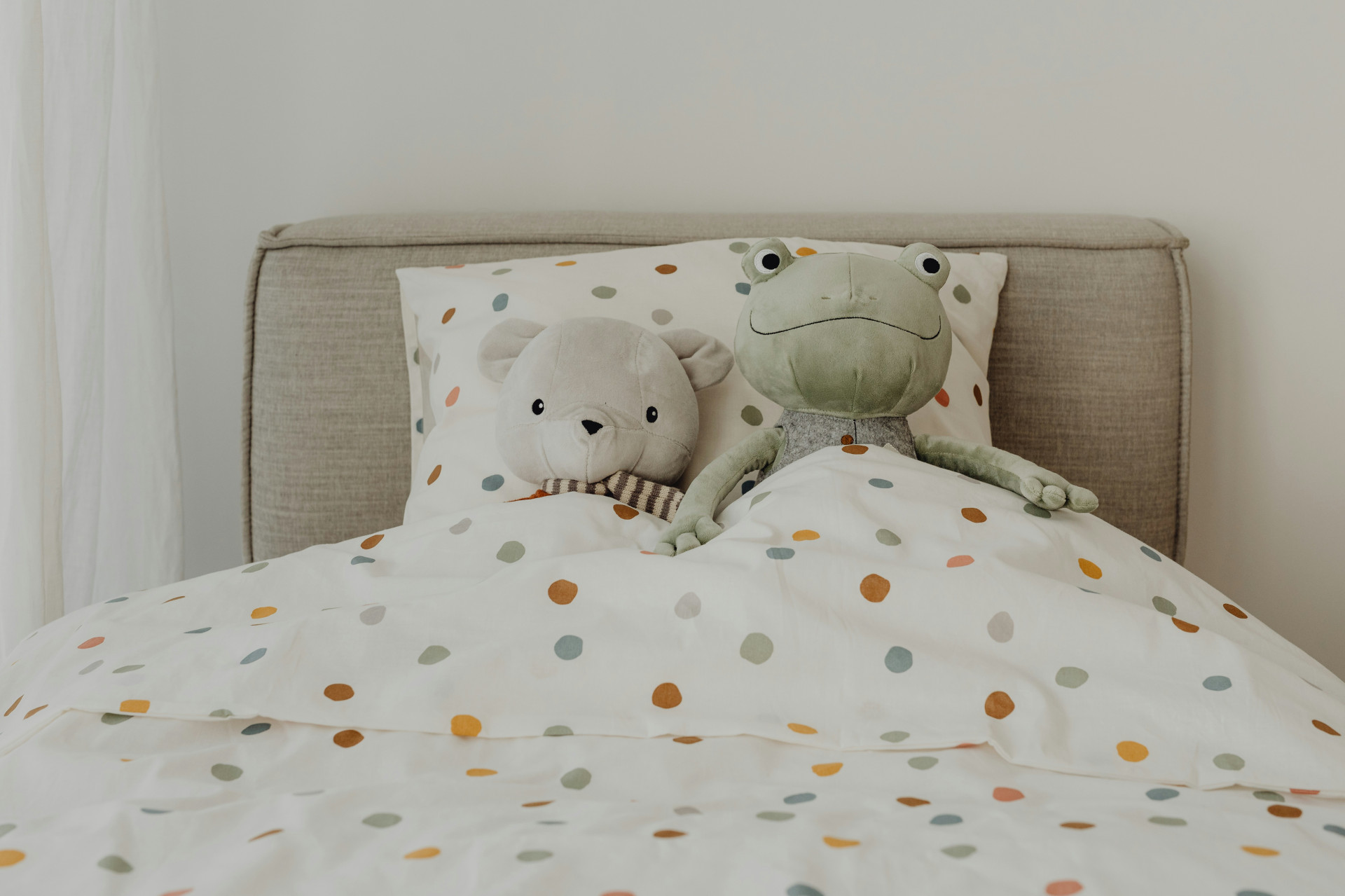
Avoid Clutter: Create Balance in Your Child’s Play Area
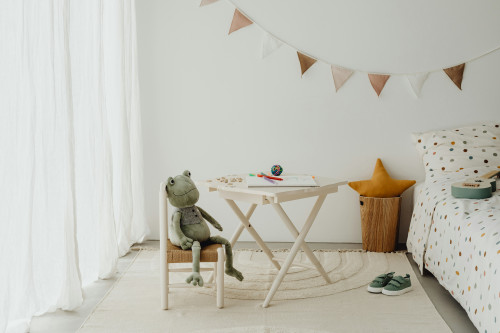
A child’s room should be a place for play, creativity, and rest — but it often turns into a jumble of toys, clothes, and art supplies. That kind of clutter can be stressful for both kids and parents. The good news is that with a few simple strategies, you can create a play area that encourages imagination while staying organized. Here’s how to bring balance to your child’s space without losing the fun.
Create Zones with Clear Purposes
One of the easiest ways to bring order to a playroom is to divide it into zones. This helps children understand where different activities belong and makes cleanup much easier.
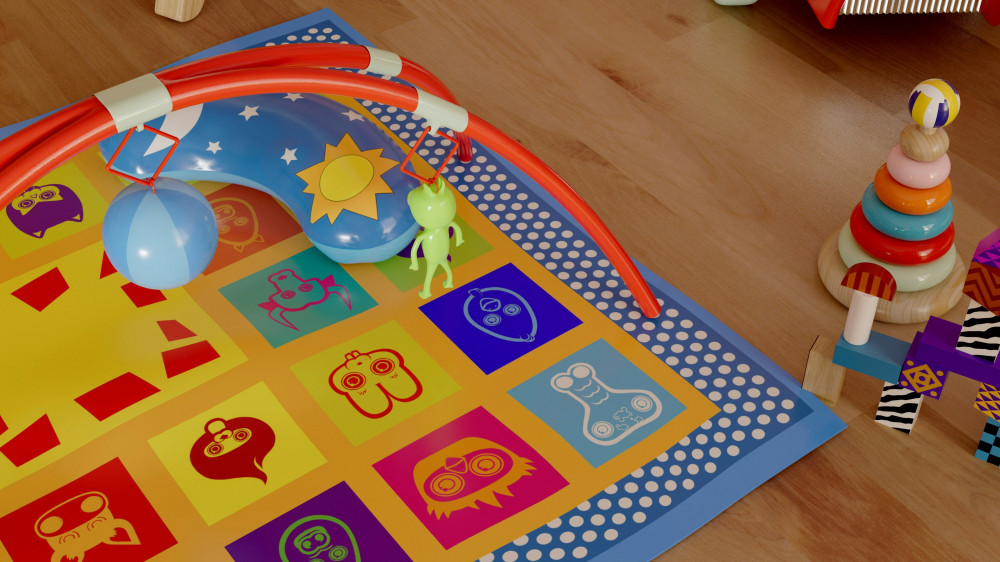
- Play Zone: A soft rug or mat can define a space for building blocks, dolls, or pretend play.
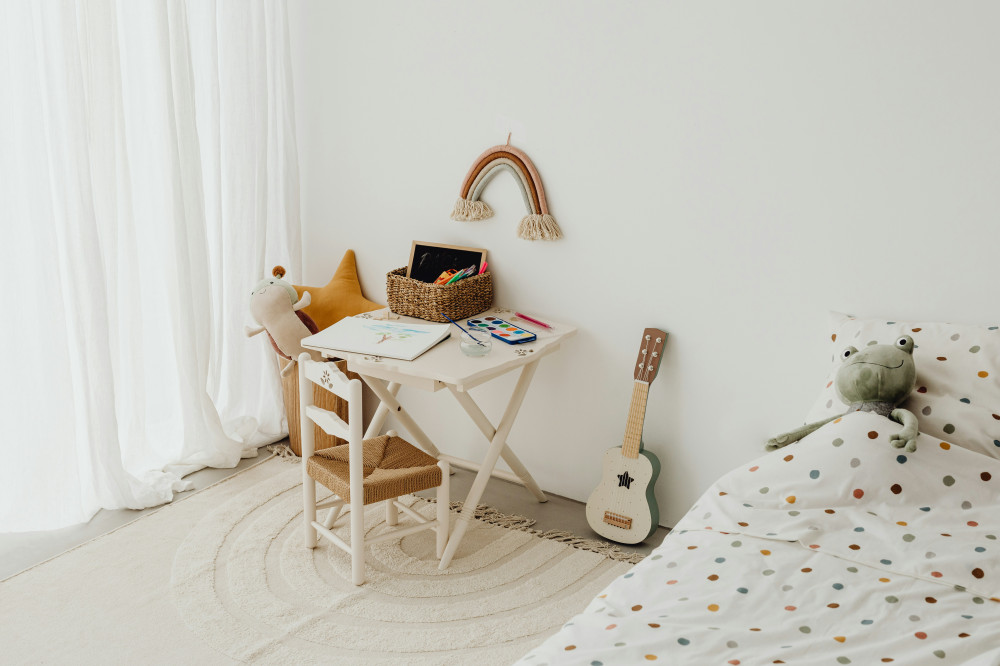
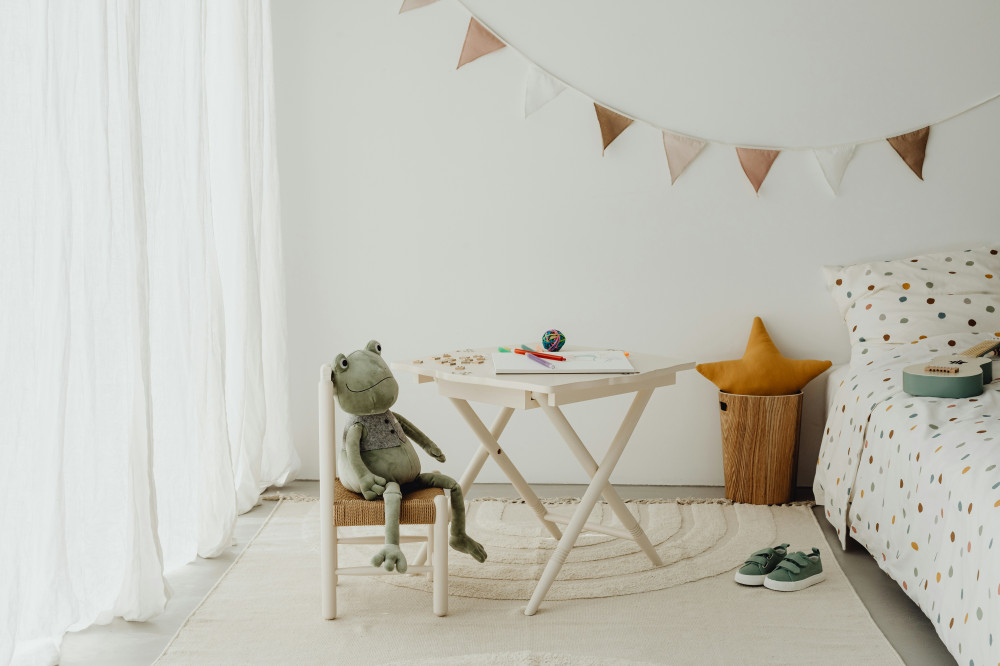
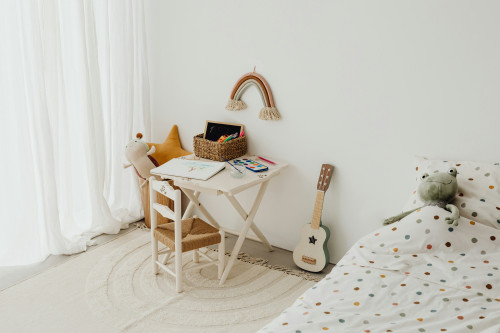
- Creative Zone: A small table with art supplies invites drawing, crafting, and building.
- Reading Nook: A cozy chair or beanbag, a lamp, and a small bookshelf create a calm corner for quiet time.
- Storage Zone: Bins, baskets, and shelves give every toy a home.
When kids know where things belong, tidying up becomes a natural part of play — and the room feels more peaceful.
Think at Kid Level
Children play best when they can easily reach and see their toys. Keep storage low and accessible. Use open bins or clear containers so kids can find what they’re looking for without pulling everything out.
Label bins with pictures or colors to help even young children know where items go — cars in the blue bin, blocks in the red one. This not only makes cleanup easier but also gives kids a sense of responsibility and ownership over their space.
Less Stuff, More Play
It may sound counterintuitive, but fewer toys often lead to more creative play. When the room isn’t overflowing, kids can focus better and use their imagination more freely. Try rotating toys: store some away and swap them out every few weeks. Each rotation feels fresh and exciting, and you’ll avoid having everything out at once.
This approach also teaches children that they don’t need endless options to have fun — a valuable lesson in a world full of excess.
Læs også:
Make Cleanup Part of the Fun
Tidying up doesn’t have to be a chore. Turn it into a game or a daily ritual. Set a five-minute timer and see how much you can clean together before it rings. Or make it playful: “Who can find all the blue toys first?” or “Can we get everything put away before the song ends?”
When cleanup becomes part of the play routine, kids learn that keeping things in order is just another way to care for their space.
Use Color and Light to Create Calm
Color and lighting have a big impact on how a room feels. Choose soft, neutral tones for walls and larger furniture, and add pops of color through pillows, artwork, or toys. This keeps the space cheerful without feeling chaotic.
Make sure each zone has the right lighting: warm light for reading, bright light for crafts, and a soft nightlight for winding down. The right lighting helps children transition smoothly between play and rest.
Involve Your Child in the Design
When children help design their play area, they feel more connected to it. Ask about their favorite colors or let them pick a few decorations. It doesn’t have to be picture-perfect — what matters is that the space feels like theirs.
Involving your child also opens up conversations about why organization matters and how a balanced space makes playtime more enjoyable.
A Room That Grows with Your Child
Kids grow quickly, and their interests change just as fast. Choose furniture and storage that can adapt over time. A low shelf for toys can later hold books, and a play table can become a homework desk. Thinking ahead saves time, money, and effort — and keeps the room functional for years to come.
By designing a flexible, organized, and inviting play area, you create a space where your child can explore, imagine, and relax — all in perfect balance.
Læs også: