How to Make the Most of Space in Your Child’s Room

How to Make the Most of Space in Your Child’s Room
A child’s room has to do it all: provide space for sleep, play, storage, and often homework too. Without a smart layout, it can quickly feel cluttered. The good news is that with a few clever ideas, even a small room can feel open, organized, and fun. Here’s how to make the most of the space in your child’s room—no matter its size or your child’s age.
Think in Zones
Start by dividing the room into zones based on function: a sleep zone, a play zone, and a storage zone. This helps your child know where things belong and makes it easier to keep the room tidy.
- Sleep zone: Keep this area calm and free of distractions. A bed with drawers underneath or a loft bed with space for a desk or play area below can free up valuable floor space.
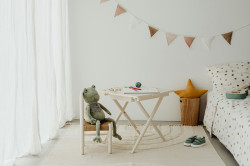
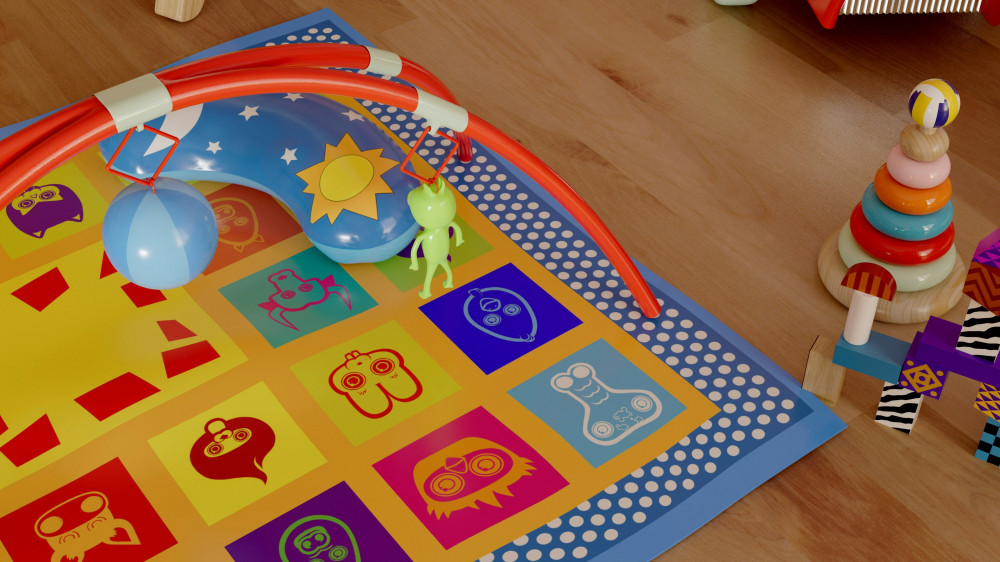
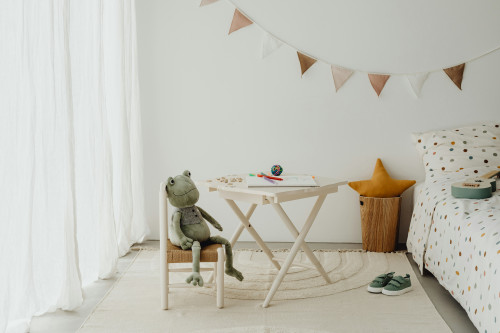
- Play zone: Make this area flexible. Use rugs, cushions, and lightweight furniture that can be moved around so your child can create new play setups.
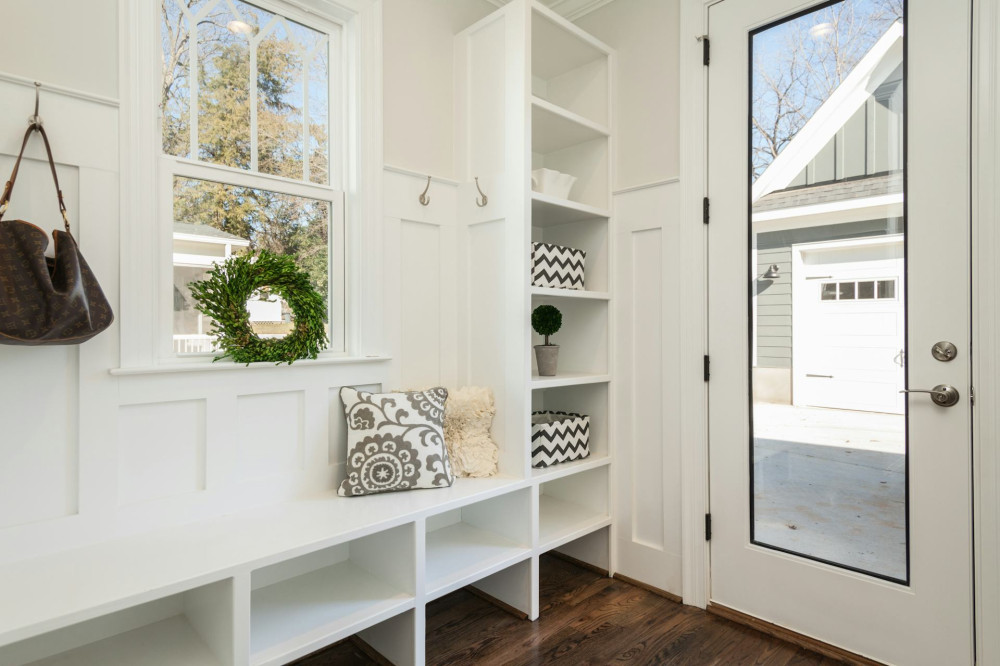
- Storage zone: Place storage along the walls to keep the floor open. Low shelves or cubbies make it easy for kids to reach and put things away themselves.
Use the Vertical Space
When floor space is limited, look up. Wall-mounted shelves, cabinets, and baskets can hold a lot without taking up room on the ground. A tall, narrow bookcase can store books, toys, and art supplies while keeping the room feeling spacious.
A loft bed is another great option, especially for school-age kids. The space underneath can become a cozy reading nook, a homework station, or extra storage. It also gives your child a sense of having their own little “hideaway.”
Choose Multifunctional Furniture
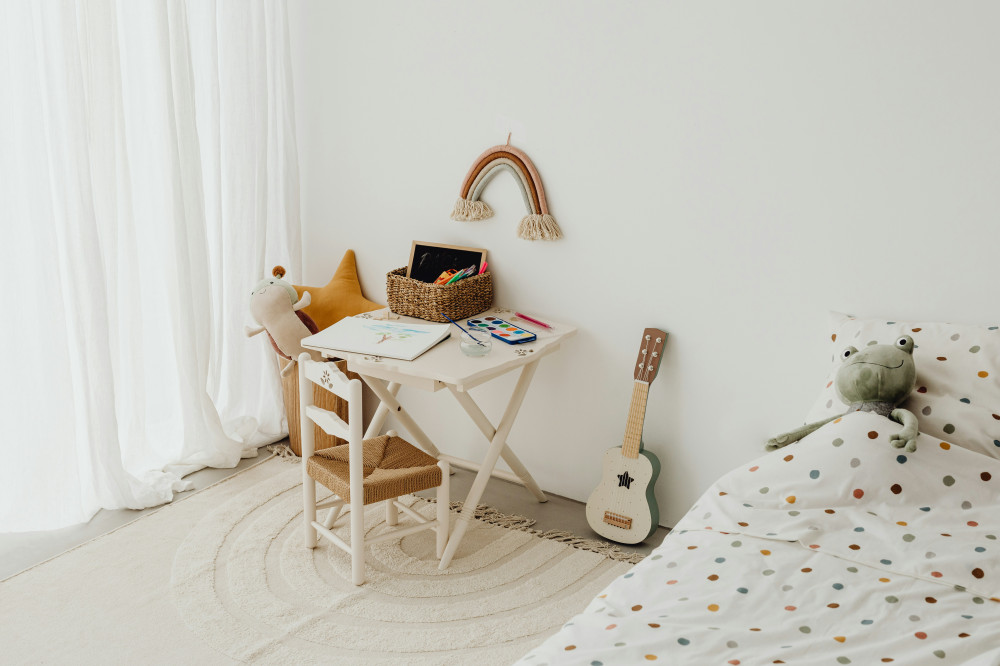
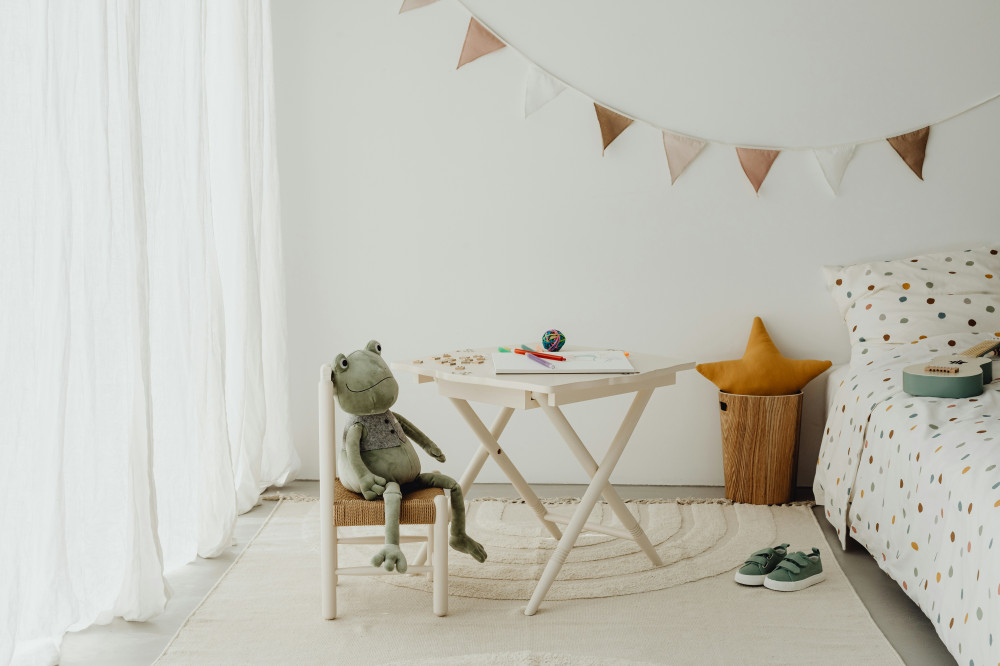
Furniture that serves more than one purpose is a lifesaver in a child’s room. A bench with storage inside, a fold-down desk, or a trundle bed for sleepovers all help maximize space and flexibility.
- Foldable furniture can be tucked away when not in use.
- Rolling storage bins make cleanup easy—kids can simply slide them under the bed.
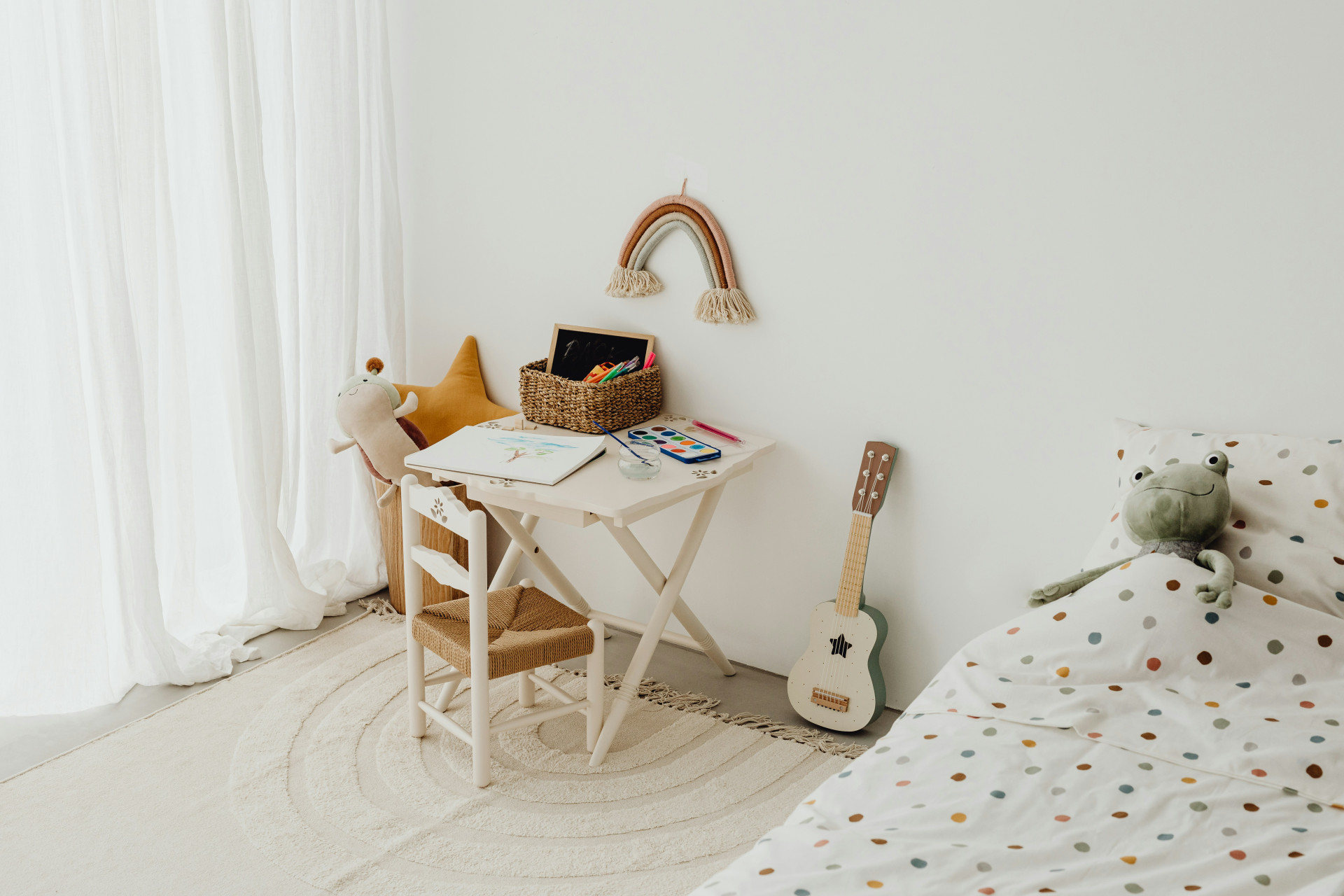
- Wall-mounted desks can fold up when it’s time to play and fold down for homework or crafts.
Keep It Organized
A tidy room always feels bigger. Make sure everything has a designated place, and teach your child where things go. Clear bins or labeled boxes make it easy to find and put away toys.
For younger children, open storage—like baskets or cubbies—keeps toys visible and accessible. For older kids, closed cabinets or drawers can create a calmer, more streamlined look.
Light and Color Matter
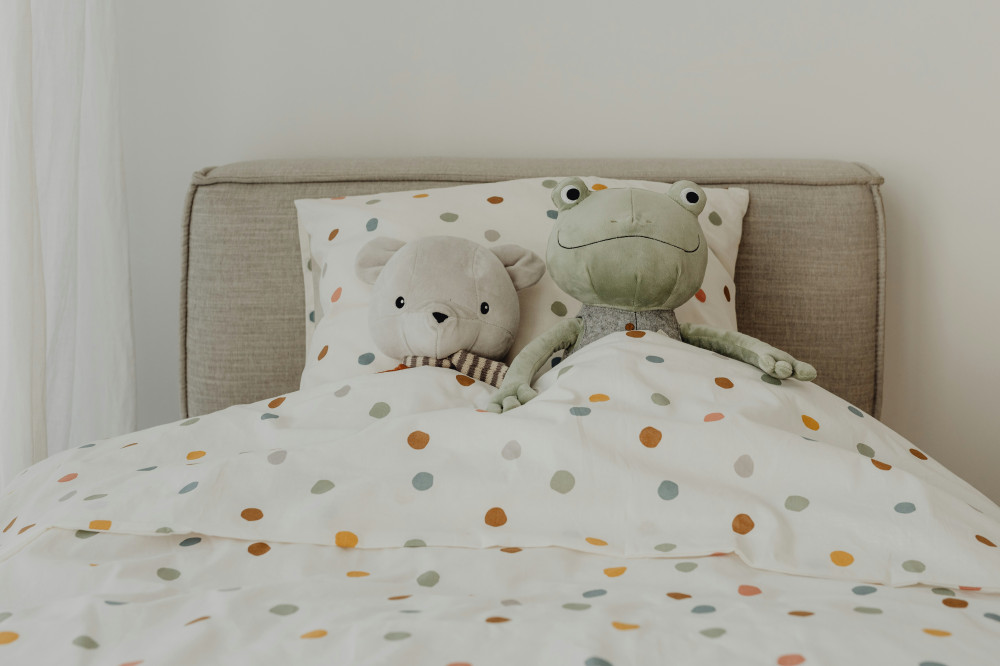
Light colors and good lighting can make a small room feel larger. Choose light walls and furniture, and add pops of color through bedding, artwork, or toys. This keeps the space cheerful without feeling overwhelming.
Layer your lighting:
- Task lighting for the desk or reading area.
- Soft lighting near the bed for bedtime routines.
- Overhead lighting for general brightness.
The right mix makes the room both functional and cozy.
Involve Your Child
When kids help design their own space, they take more pride in keeping it nice. Ask what’s important to them—maybe a spot for building with blocks, displaying artwork, or reading quietly. Let them choose a few colors or decorations so the room feels personal and fun.
Læs også:
Plan for Growth
Kids grow fast, and their needs change just as quickly. Choose furniture that can adapt—like adjustable desks or beds that can expand. Keep the layout flexible so the room can evolve from a playroom to a study space without a full redesign.
A Room for Both Play and Rest
A well-designed child’s room isn’t just about fitting everything in—it’s about creating balance. With thoughtful zones, smart storage, and the right lighting, you can make a space where your child can play freely, rest peacefully, and feel at home. That’s what truly makes the most of every inch.
Læs også: