Smarter Vacuums: The Technology Behind More Energy-Efficient Cleaning

Smarter Vacuums: The Technology Behind More Energy-Efficient Cleaning
For more than a century, the vacuum cleaner has been a staple in American homes. But in recent years, it has evolved from a simple household appliance into a smart, energy-conscious cleaning companion. Thanks to new sensors, motors, and algorithms, today’s vacuums don’t just clean better—they clean smarter. But what exactly makes these modern machines more energy-efficient, and how does that benefit both your utility bill and the environment?
From Raw Power to Intelligent Control
Not long ago, vacuums were judged by one simple metric: motor wattage. The higher the number, the better the suction—or so people thought. Today, manufacturers know that cleaning performance depends on more than brute force. Modern vacuums use advanced motors that automatically adjust suction power based on the surface being cleaned.
For example, an energy-efficient vacuum can reduce power when gliding over hardwood floors and ramp it up again on carpets where more suction is needed. The result: the same spotless floors with less energy consumption.
Sensors and Smart Navigation
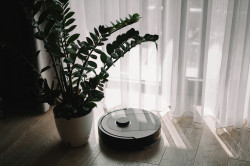
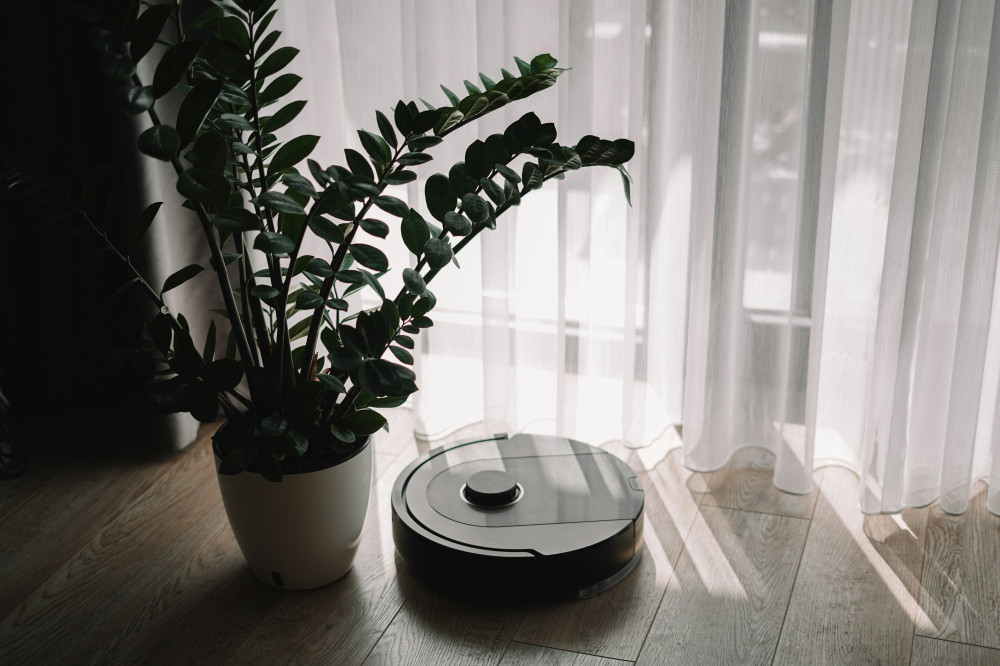
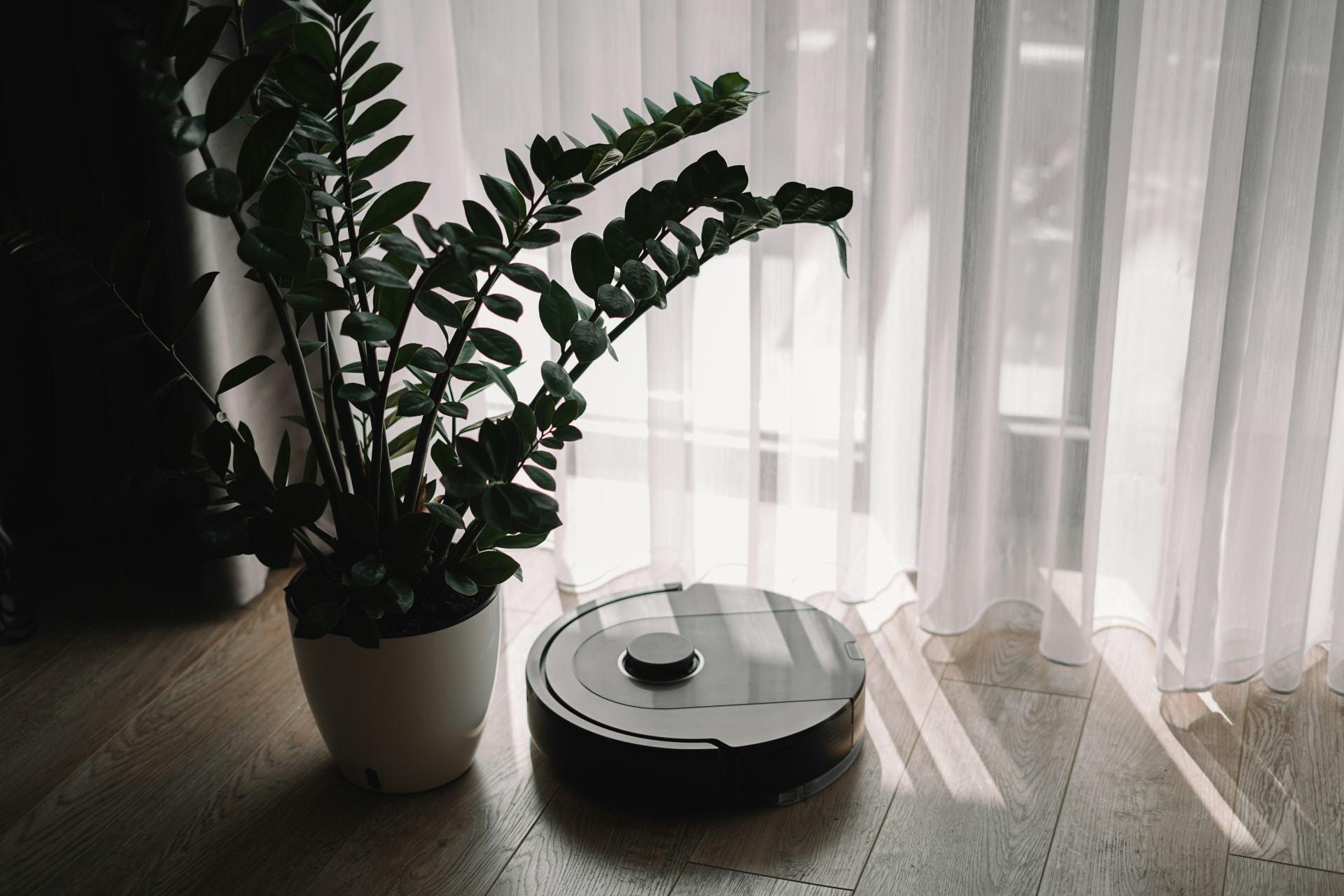
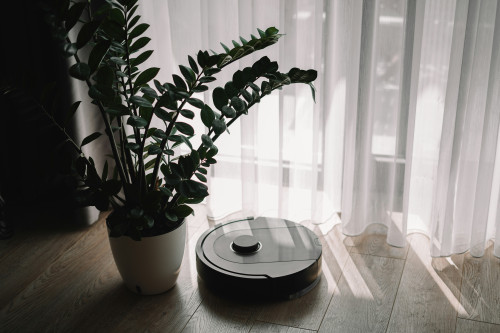
The latest robot vacuums are miniature marvels of technology. Using cameras, lidar sensors, and artificial intelligence, they map your home and plan the most efficient cleaning route. Instead of wandering randomly, they move systematically, avoiding unnecessary overlap and saving both time and electricity.
Some models can even recognize furniture, rugs, and high-traffic areas, adjusting suction and speed accordingly. This not only conserves energy but also extends battery life. Over time, the robot learns from each cleaning session, becoming more efficient with every pass.
Læs også:
Advanced Motors and Longer-Lasting Batteries
One of the biggest breakthroughs in vacuum technology is the brushless motor. With fewer moving parts, these motors reduce friction and energy loss, delivering strong suction while using less power.
Cordless vacuums have also improved dramatically thanks to modern lithium-ion batteries. They last longer, charge faster, and are managed by built-in microchips that prevent unnecessary power drain when the vacuum is idle. Together, these innovations make cleaning both more convenient and more sustainable.
Airflow and Filtration: Small Details, Big Impact
Energy efficiency isn’t just about the motor. The way air moves through a vacuum plays a crucial role. Manufacturers now design internal airflow systems that minimize resistance, ensuring that suction power is used effectively.
HEPA filters and cyclonic separation technology help trap dust and allergens without clogging the airflow. This means the vacuum can operate at lower power levels without sacrificing performance—while also improving indoor air quality, a major plus for allergy sufferers.
Smart Controls and App Integration
Many of today’s vacuums can connect to smartphone apps, allowing users to schedule cleanings, monitor energy use, and adjust settings remotely. Some even integrate with voice assistants like Amazon Alexa or Google Home.
This connectivity makes it easy to run your vacuum when electricity rates are lower or when you’re out of the house. In other words, energy savings aren’t just built into the hardware—they’re part of how you use the device.
The Future: Greener, Smarter, More Autonomous
Innovation in vacuum technology shows no signs of slowing down. Researchers and manufacturers are developing models that can identify the type of debris and automatically choose the most energy-efficient cleaning method. At the same time, lighter and more recyclable materials are making the entire product lifecycle more sustainable.
In the near future, your vacuum might even coordinate with other smart home devices—starting a cleaning cycle when windows are closed or when your solar panels are generating peak power.
Smarter Cleaning, Lower Energy Use
The modern vacuum cleaner is a perfect example of how technology can make everyday life both easier and greener. By combining intelligent sensors, efficient motors, and data-driven optimization, manufacturers are creating appliances that use less energy without compromising performance.
For American households, that means lower electricity bills, quieter operation, and cleaner living spaces—and for the planet, it’s one more step toward a more sustainable future.
Læs også: