Save Energy on Your Appliances – Without Sacrificing Comfort

Save Energy on Your Appliances – Without Sacrificing Comfort
Home appliances make everyday life easier — they wash, dry, cool, and cook for us. But they also account for a large share of household energy use. The good news is that you don’t have to give up comfort to cut your energy bill. With a few smart habits and thoughtful choices, you can reduce your energy consumption significantly — without noticing a difference in your daily routine.
Know Your Biggest Energy Users
The biggest energy consumers in most American homes are the refrigerator, freezer, washing machine, dryer, and dishwasher. Together, they can make up nearly half of your household’s electricity use. That’s why focusing on these appliances gives you the greatest savings potential.
Start by checking the ENERGY STAR® label. Appliances with this certification meet strict energy-efficiency standards set by the U.S. Environmental Protection Agency. If your appliances are more than 10 years old, replacing them with ENERGY STAR models can save you hundreds of dollars over their lifetime — and reduce your carbon footprint.
Cooling and Freezing – Small Adjustments, Big Impact
Your refrigerator runs 24/7, so even small changes can make a big difference. Set the fridge temperature to around 37–40°F and the freezer to 0°F — colder settings waste energy without keeping food fresher. Make sure there’s space around the units for air circulation, and defrost your freezer regularly if it’s not frost-free.
Keep your fridge reasonably full: a half-empty fridge uses more energy because it has to cool the air each time you open the door. And avoid putting hot food directly inside — let it cool down first.
Washing and Drying – Use Machines Wisely
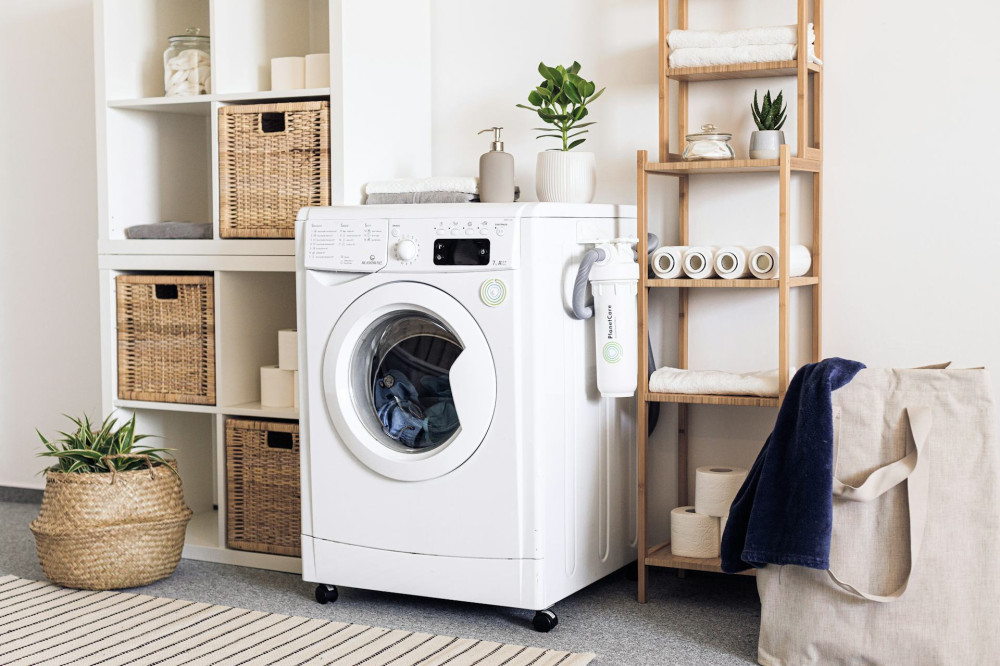
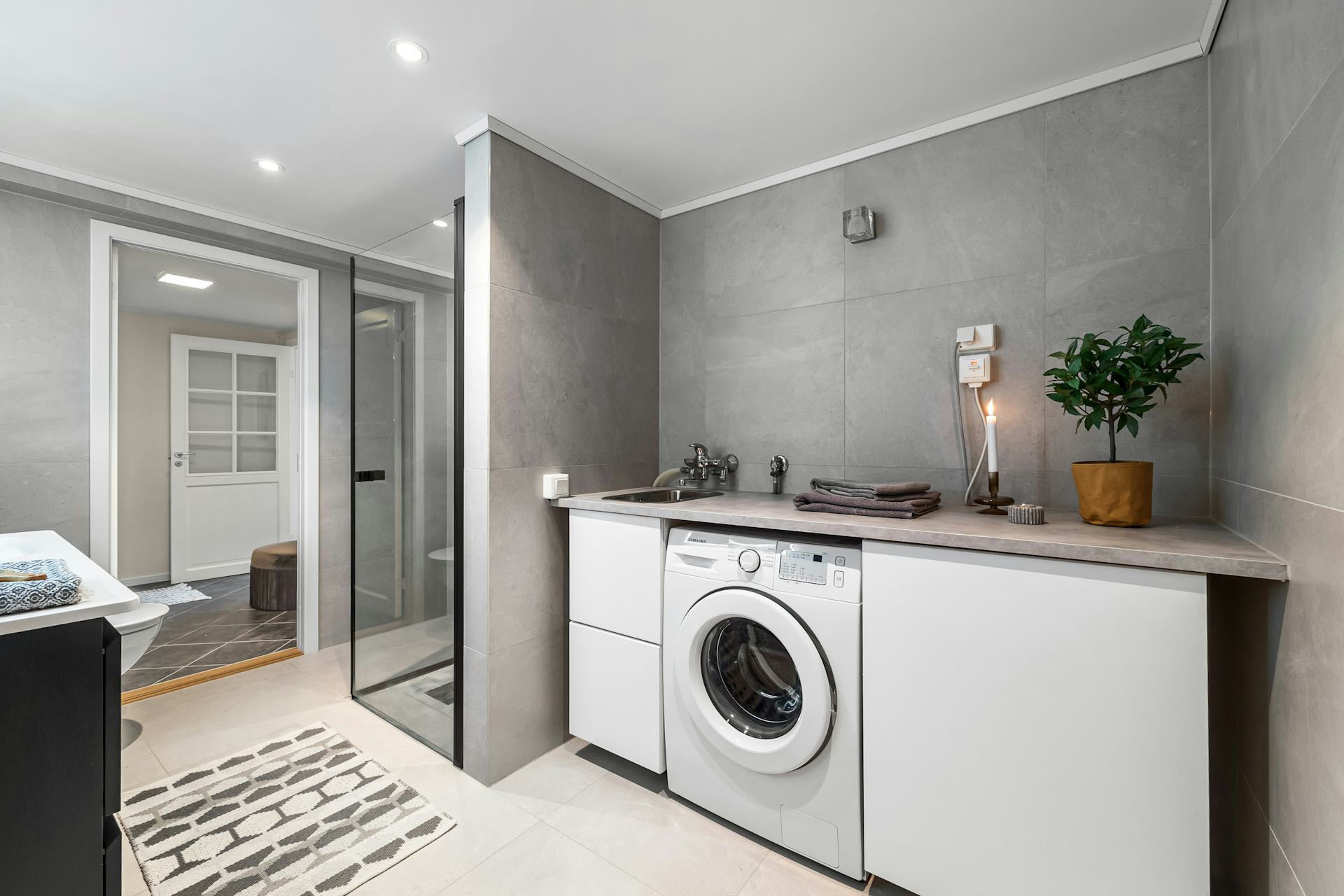
Washing machines and dryers are among the most energy-hungry appliances, but a few simple habits can make them much more efficient.
- Wash in cold water. Most detergents clean effectively in cold or warm water, saving energy and protecting fabrics.
- Run full loads. A half-full washer or dryer uses nearly the same amount of energy as a full one.
- Use eco or energy-saving cycles. They take longer but use less water and electricity.
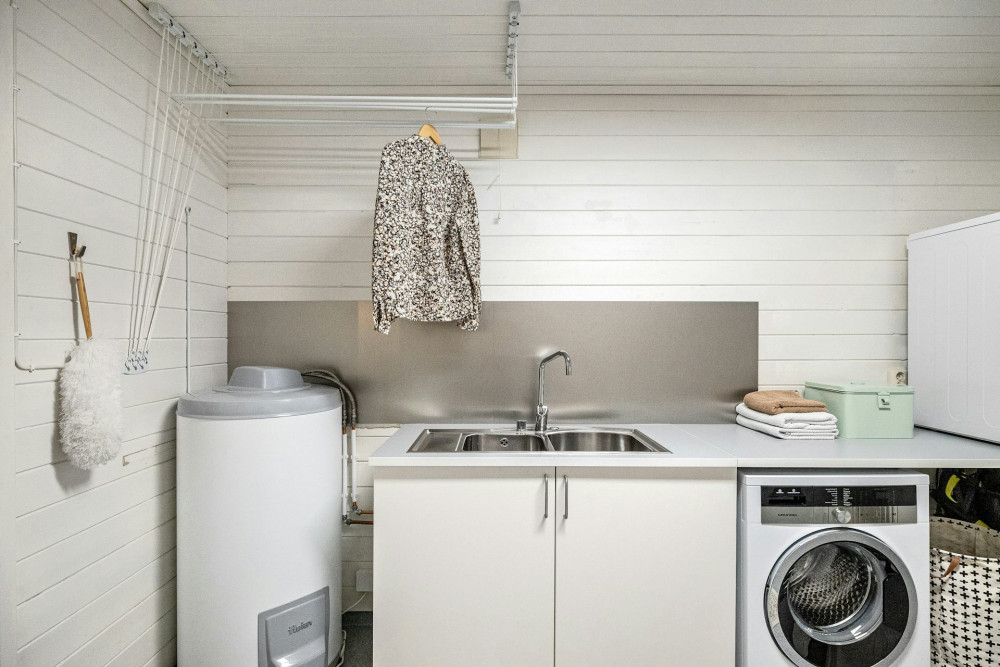
- Air-dry when possible. Hanging clothes to dry saves energy and extends their lifespan. If you use a dryer, spin clothes thoroughly first to shorten drying time.
The Dishwasher – Efficient When Used Right
A modern dishwasher can actually use less water and energy than washing by hand — if you use it correctly. Always run full loads, and choose the eco or energy-saving cycle. Skip pre-rinsing under running water; just scrape off food scraps instead.
If your utility offers time-of-use rates, run your dishwasher during off-peak hours, such as late at night, when electricity is cheaper and the grid is less strained.
Smart Everyday Habits
Beyond how you use your appliances, small daily habits can add up to big savings:
- Turn appliances off completely instead of leaving them on standby.
- Clean filters, vents, and coils regularly to maintain efficiency.
- Use smart plugs or timers to run appliances when electricity rates are lowest.
- Combine laundry or dishwashing loads so machines run fewer, fuller cycles.
These small changes require little effort but can make a noticeable difference on your energy bill over time.
Læs også:
When It’s Time to Buy New
When shopping for new appliances, look beyond the sticker price. An energy-efficient model may cost more upfront but will save you money in the long run. Check the EnergyGuide label for estimated annual energy use and operating cost — it’s a reliable way to compare models.
Also, consider size. A larger refrigerator or washer uses more energy, even if you don’t fill it. Choose an appliance that fits your household’s actual needs.
Comfort and Sustainability Can Go Hand in Hand
Saving energy doesn’t mean giving up comfort — it’s about using resources wisely. With today’s technology, efficient appliances, and a few mindful habits, you can lower your energy bills, reduce your environmental impact, and still enjoy the convenience you’re used to.
It’s an investment in your home, your wallet, and a more sustainable future — proof that comfort and conservation can work perfectly together.
Læs også: