Prevent Leaks: How to Safely Use Water-Connected Appliances at Home

Prevent Leaks: How to Safely Use Water-Connected Appliances at Home
A dripping hose, a loose fitting, or a worn-out gasket can quickly turn into a costly water disaster. Appliances like dishwashers, washing machines, and refrigerators with water dispensers make life easier—but they also require care and attention. With a few simple habits and preventive steps, you can avoid leaks and extend the life of your appliances. Here’s a practical guide to using water-connected appliances safely in your home.
Know Your Installation
Before using a new appliance, take time to understand how it connects to your home’s water supply. Most modern appliances come with a flexible hose that attaches to a shut-off valve or faucet. Make sure the connection fits properly and is rated for your home’s water pressure.
- Always read the manufacturer’s instructions—they include important details about pressure limits, hose types, and safety valves.
- Use approved components—avoid cheap, universal hoses that may not meet safety standards.
- Check for drips after installation—small leaks can worsen over time.
If you’re unsure about the installation, it’s best to hire a licensed plumber. It may seem like an extra expense, but it’s far cheaper than repairing water damage later.
Læs også:
Use Leak Protection Devices
Many newer appliances come with leak protection systems, such as an aqua stop or flood prevention valve, which automatically shut off the water supply if a leak is detected. If your appliance doesn’t have one, you can purchase an external leak shut-off valve that attaches to the water line.
Other helpful safety features include:
- Water leak alarms that sound when moisture is detected under or behind the appliance.
- Pressure regulators to protect against high water pressure.
- Automatic shut-off valves that close when the appliance isn’t in use.
These small investments can save you from major headaches and expensive repairs.
Regular Maintenance Matters
Even the best installation needs regular attention. Over time, water, minerals, and vibration can wear down hoses and seals.
- Inspect hoses and connections at least once a year for cracks, discoloration, or dampness.
- Replace hoses every 5–7 years, even if they look fine.
- Clean filters and drains regularly to keep water flowing freely.
- Check under and around the appliance for signs of moisture or staining.
A smart tip is to place appliances on a waterproof tray or pan with a raised edge. It can catch small leaks and make it easier to spot problems early.
Turn Off the Water When You’re Away
One of the most common causes of water damage is leaving the water supply on while no one is home. If a hose bursts, hundreds of gallons of water can flood your home in just a few hours.
Make it a habit to:
- Turn off the water supply to your dishwasher and washing machine before leaving for vacation or a weekend trip.
- Unplug the appliances if they won’t be used for an extended period.
- Check that shut-off valves turn easily—if they’re stiff or corroded, have them replaced.
It only takes a few seconds, but it can prevent major damage.
Placement and Environment Matter
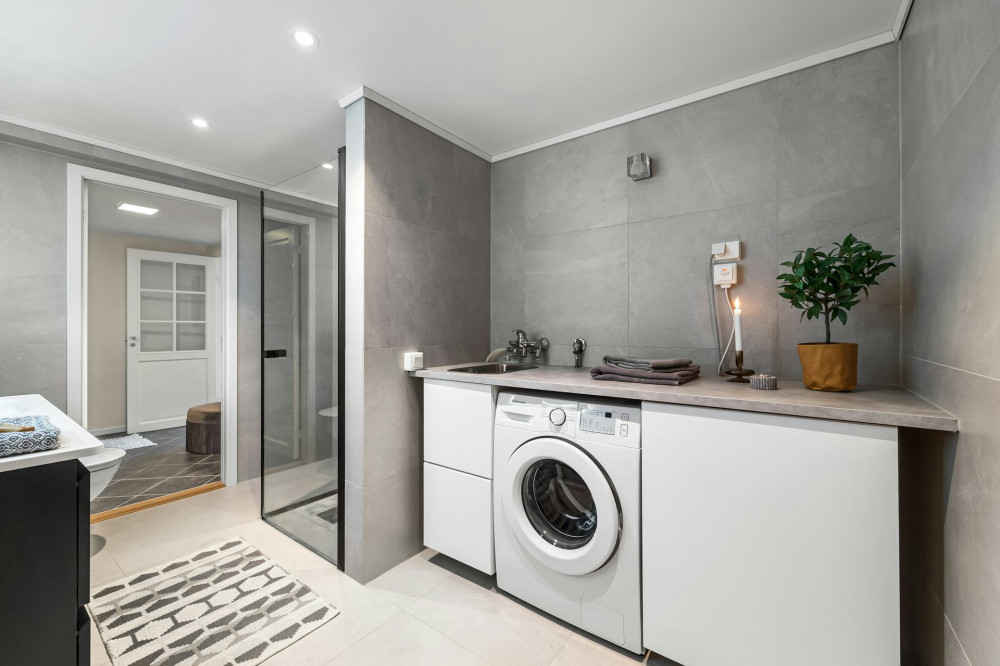
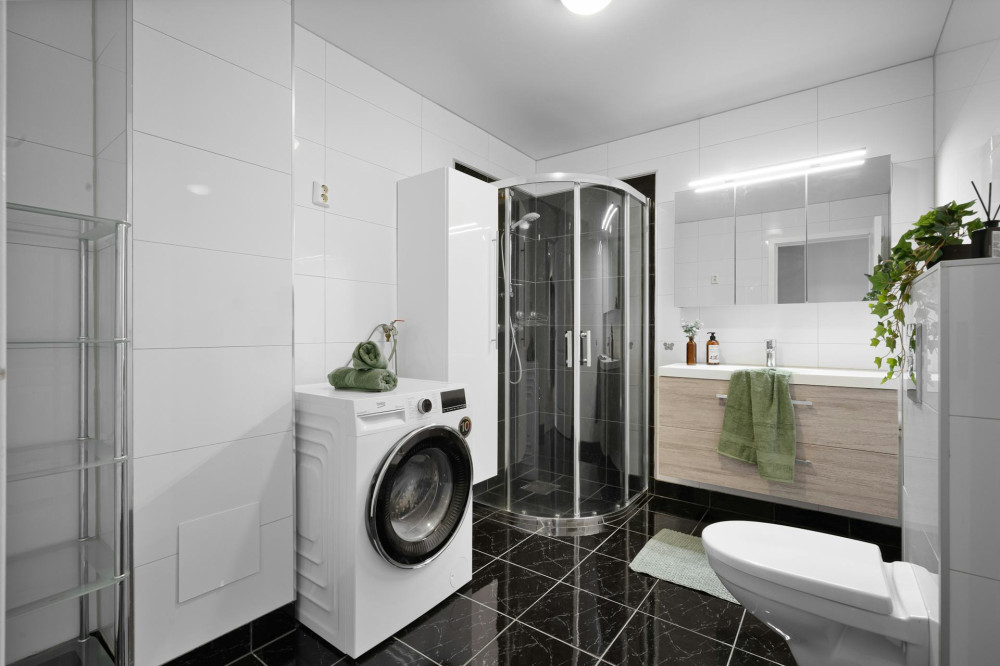
Where you place your appliance can affect the risk of leaks. Avoid pushing appliances tightly against walls where you can’t inspect behind them. Ensure there’s enough ventilation around the unit to prevent moisture buildup.
If you live in an apartment or condo, check your building’s rules for water-connected appliances. Some properties require leak trays or automatic shut-off valves to prevent damage to neighboring units.
What to Do If a Leak Happens
If you notice water on the floor, act quickly:
- Turn off the water supply immediately.
- Unplug the appliance.
- Wipe up the water and locate the source of the leak.
- Call a professional if you can’t identify or fix the problem yourself.
For larger leaks, contact your homeowner’s insurance company—they can guide you on how to document the damage and start repairs.
Safe Use Brings Peace of Mind
Water-connected appliances are essential in most homes, but they demand respect for the power of water. With proper installation, regular maintenance, and a few smart habits, you can minimize the risk of leaks and enjoy the convenience of modern living without worry.
A dry floor and a well-functioning appliance are the perfect combination for a comfortable, worry-free home.
Læs også: