Sewer Cleaning as Prevention – Detect Damage Before It Develops

Sewer Cleaning as Prevention – Detect Damage Before It Develops
Most homeowners rarely think about their sewer system—at least not until something goes wrong. But a clogged or damaged sewer line can quickly turn into an expensive and unpleasant problem, leading to backups, foul odors, and even water damage. Regular sewer cleaning isn’t just about fixing emergencies; it’s a smart way to prevent them. By cleaning and inspecting your sewer lines in time, you can detect early signs of damage before they develop into major repairs.
Why Prevention Pays Off
Your home’s sewer system is one of its most hidden yet essential components. It carries wastewater safely away from your property and protects your home from moisture and contamination. When blockages or cracks occur, however, the consequences can be serious.
Preventive sewer cleaning removes buildup of grease, soap residue, hair, and sludge that can gradually create blockages. At the same time, a professional plumber can use a video camera inspection to identify early issues such as small cracks, pipe misalignments, or tree roots growing into the lines. The earlier these problems are found, the easier and less expensive they are to fix.
Common Signs Your Sewer Needs Cleaning
Even though your sewer system is underground, there are several warning signs you can watch for:
- Slow drains – If water in your sink, shower, or toilet drains slowly, it may indicate a developing blockage.
- Unpleasant odors – Sewer smells in bathrooms, basements, or laundry rooms often point to buildup in the pipes.
- Gurgling sounds – Bubbling or gurgling noises from drains can mean air and water aren’t flowing freely.
- Frequent clogs – If you’re constantly using plungers or drain cleaners, the issue may lie deeper in the sewer line.
At the first sign of trouble, it’s wise to schedule a professional cleaning before the problem escalates.
How Sewer Cleaning Works
Professional sewer cleaning is typically done using high-pressure water jetting, which flushes out grease, sludge, and other debris from the pipes. This method is both effective and environmentally friendly, and it doesn’t require digging up your yard.
After cleaning, the technician can perform a video inspection by sending a small camera through the pipes. This provides a clear view of the pipe’s condition and reveals any hidden damage. You’ll receive documentation of the inspection, helping you decide whether repairs or maintenance are needed.
How Often Should You Clean Your Sewer?
There’s no universal rule for how often to clean your sewer line, but as a general guideline, homeowners should have it inspected every two to three years. If your property has many trees nearby or you’ve experienced recurring drainage issues, more frequent maintenance may be necessary.
For commercial properties, apartment complexes, or large facilities, setting up a maintenance contract with a licensed plumbing company can be a smart move. Regular service ensures consistent performance and quick response if problems arise.
Læs også:


Everyday Prevention Tips
While professional cleaning is important, you can also take simple steps to prevent sewer issues:
- Avoid pouring grease or oil down the drain—it solidifies inside pipes.
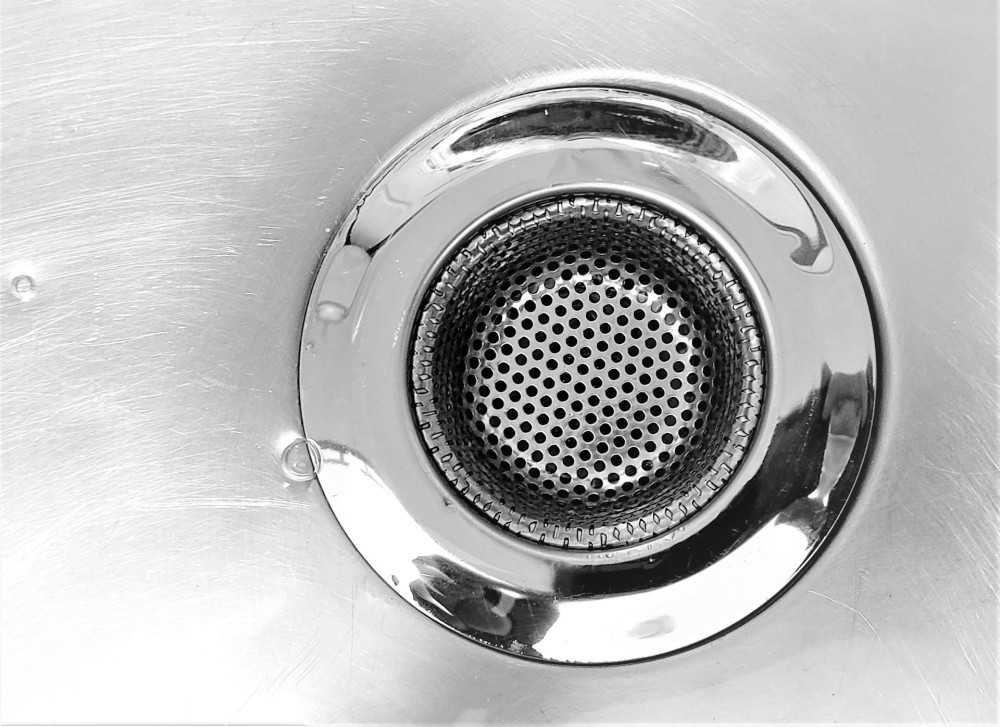
- Use drain strainers to catch hair and food particles.
- Never flush wipes, cotton swabs, or hygiene products down the toilet.
- Keep gutters and downspouts clear so rainwater drains properly away from your home.
These small habits can extend the life of your sewer system and reduce the need for emergency repairs.
An Investment in Peace of Mind
Sewer cleaning isn’t just about avoiding bad smells or slow drains—it’s about protecting your home. A well-maintained sewer system prevents water damage, mold growth, and costly repairs that can affect both your property and your health.
By taking a preventive approach and scheduling regular cleaning and inspections, you can save time, money, and stress. It’s an investment in peace of mind—and in a home that runs smoothly year after year.
Læs også: