Green Sewer Maintenance: Sustainable Materials Reduce the Risk of Sewer Problems

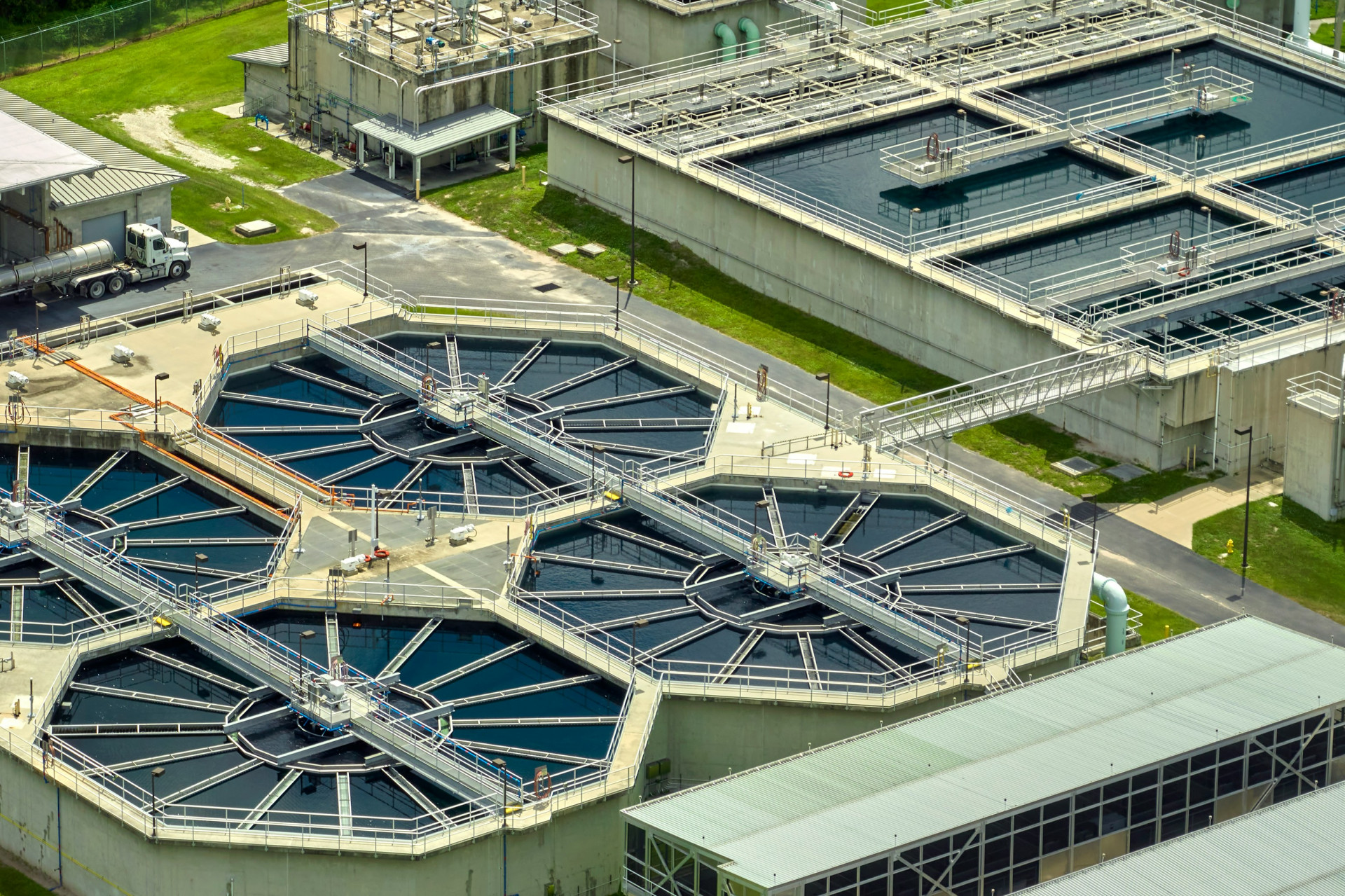
Green Sewer Maintenance: Sustainable Materials Reduce the Risk of Sewer Problems
The sewer system is one of the most overlooked parts of a home—until something goes wrong. Clogged pipes, unpleasant odors, and even pest infestations can quickly become expensive and stressful to fix. But by focusing on sustainable materials and green maintenance practices, homeowners can prevent many of these issues while also supporting a healthier environment.
Why Sustainability Matters Below Ground
When Americans think about sustainability in home construction, they often focus on insulation, energy efficiency, or renewable materials above ground. Yet the infrastructure beneath our feet plays an equally important role. Traditional materials like PVC and concrete can have a high environmental impact and may degrade over time.
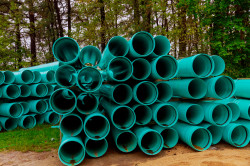
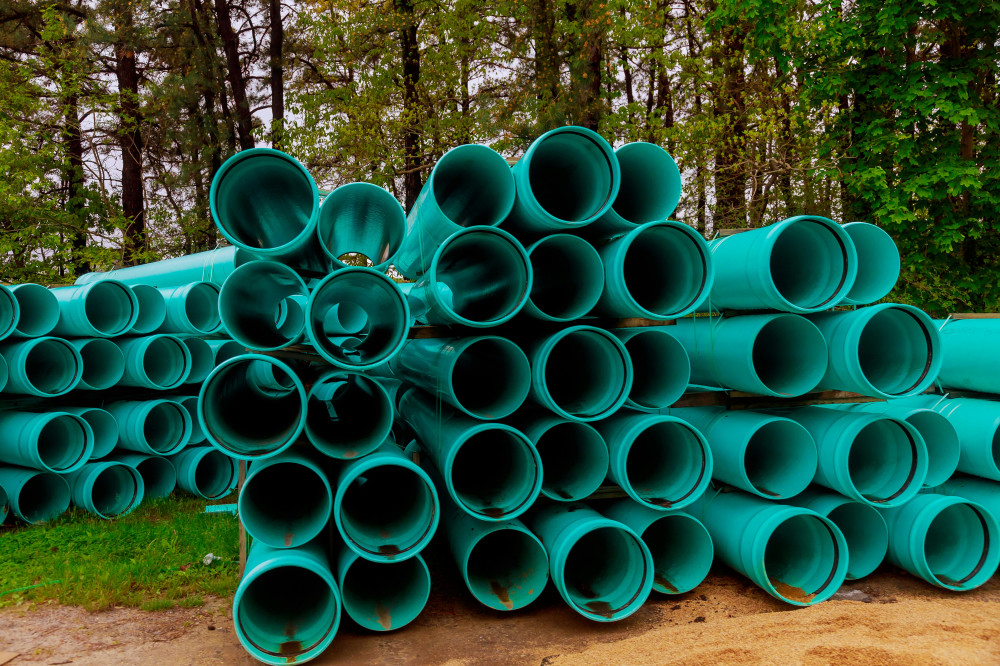
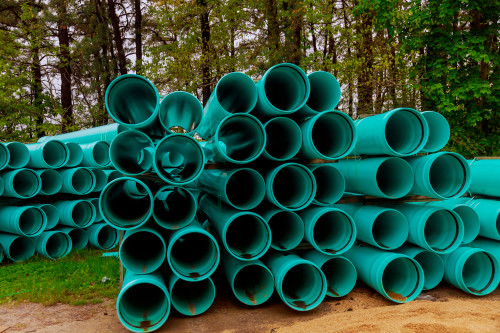
By choosing eco-friendly alternatives—such as recycled plastic piping, long-lasting polyethylene (PE) pipes, or resin-based composite liners—homeowners and municipalities can reduce both their carbon footprint and the risk of future damage. These materials are more flexible, corrosion-resistant, and require less frequent replacement, making them a smart long-term investment.
Stormwater and System Overload: A Growing Challenge
Across the United States, climate change is bringing heavier rainfall and more frequent storms. This puts aging sewer systems under increasing pressure, especially in older neighborhoods where pipes were not designed to handle today’s precipitation levels.
Green sewer maintenance also means managing stormwater more sustainably. Installing rain gardens, permeable pavements, and dry wells allows rainwater to soak into the ground instead of overwhelming the sewer system. These solutions reduce the risk of flooding, protect local waterways from pollution, and lessen the need for costly repairs.
Læs også:


Maintenance with the Environment in Mind
Even the most advanced sewer system needs regular maintenance. However, traditional cleaning products often contain harsh chemicals that can damage pipes and harm the environment.
A greener approach involves using biological cleaners that rely on natural microorganisms to break down grease and organic matter without corroding pipes. Routine flushing with clean water and periodic camera inspections can also help detect early signs of trouble before they escalate.
Simple habits make a big difference: avoid pouring grease, paint, or chemicals down the drain. These substances can clog pipes, disrupt wastewater treatment, and pollute groundwater.
Recycling and Circular Thinking in Sewer Work
More plumbing and sewer professionals are adopting circular practices, reusing old materials and recycling components from replaced systems. This reduces waste and conserves valuable resources.
Innovative trenchless repair methods—where damaged pipes are reinforced or relined without extensive digging—are also gaining popularity. These techniques save time, money, and carbon emissions, while minimizing disruption to yards, driveways, and streets.
An Investment in the Future
Green sewer maintenance isn’t just about protecting the environment—it’s also about safeguarding property and saving money. A well-maintained, sustainable sewer system lasts longer, requires fewer repairs, and reduces the risk of costly damage from backups or flooding.
For homeowners, small changes in materials and maintenance habits can make a big difference. And for communities, sustainable sewer practices mean less strain on public infrastructure and fewer resources spent on emergency repairs.
Thinking green below ground isn’t just a trend—it’s common sense for a cleaner, more resilient future.
Læs også: