Rats and Maintenance – How to Secure Your Property Effectively

Rats and Maintenance – How to Secure Your Property Effectively
Rats are more than just unpleasant visitors—they can cause serious damage to buildings, wiring, and even your health. A single rat can chew through pipes, insulation, and electrical cables, and where there’s one, there are usually more. Effective rat control isn’t just about reacting when you see them; it’s about preventing infestations through proper maintenance. Here’s a guide to help you protect your property—inside and out.
Recognize the Signs of Rats
The first step in effective control is knowing what to look for. The sooner you spot the signs, the easier it is to act.
- Noises – scratching or scurrying sounds in walls, ceilings, or under floors, especially at night.
- Droppings – small, dark pellets about half an inch long, often found along walls or in corners.
- Gnaw marks – on wood, plastic, wires, or food packaging.
- Odor – a strong, musky smell, particularly in enclosed spaces.
- Burrows or holes – in soil near foundations, garbage areas, or under decks.
If you notice any of these signs, contact a licensed pest control professional right away. Rats reproduce quickly, and a small problem can turn into a major infestation within weeks.
Læs også:



Prevention Starts with the Sewer and Plumbing
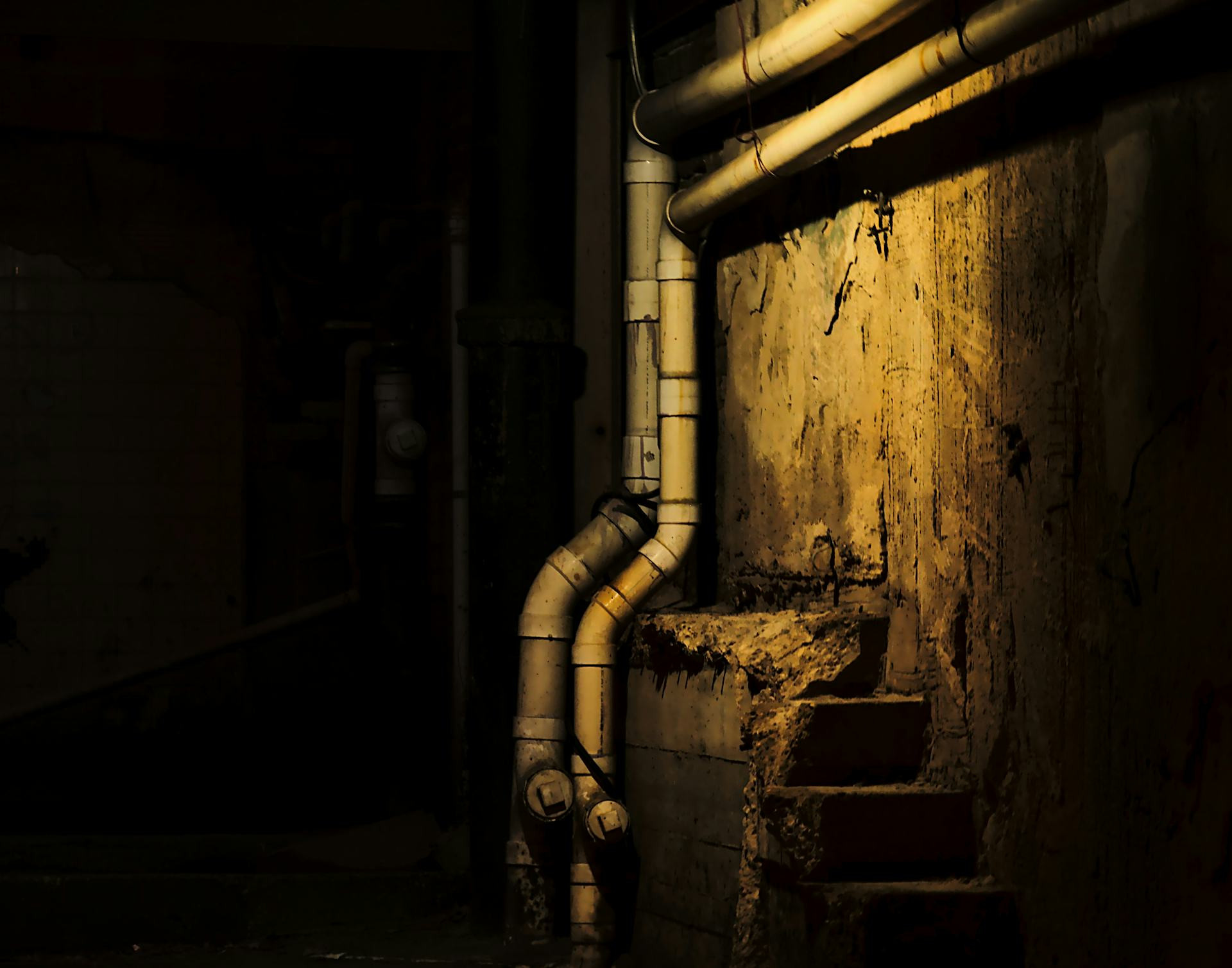
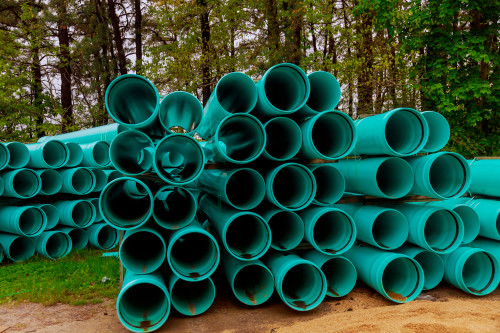
Many rat problems begin underground. Rats use sewer lines as highways and can enter through broken pipes or loose connections.
- Inspect your plumbing – a camera inspection can reveal cracks or leaks that rats might exploit.
- Install a backflow or rodent prevention valve – these devices stop rats from climbing up through drainpipes.
- Maintain cleanouts and covers – make sure lids fit tightly and there are no gaps.
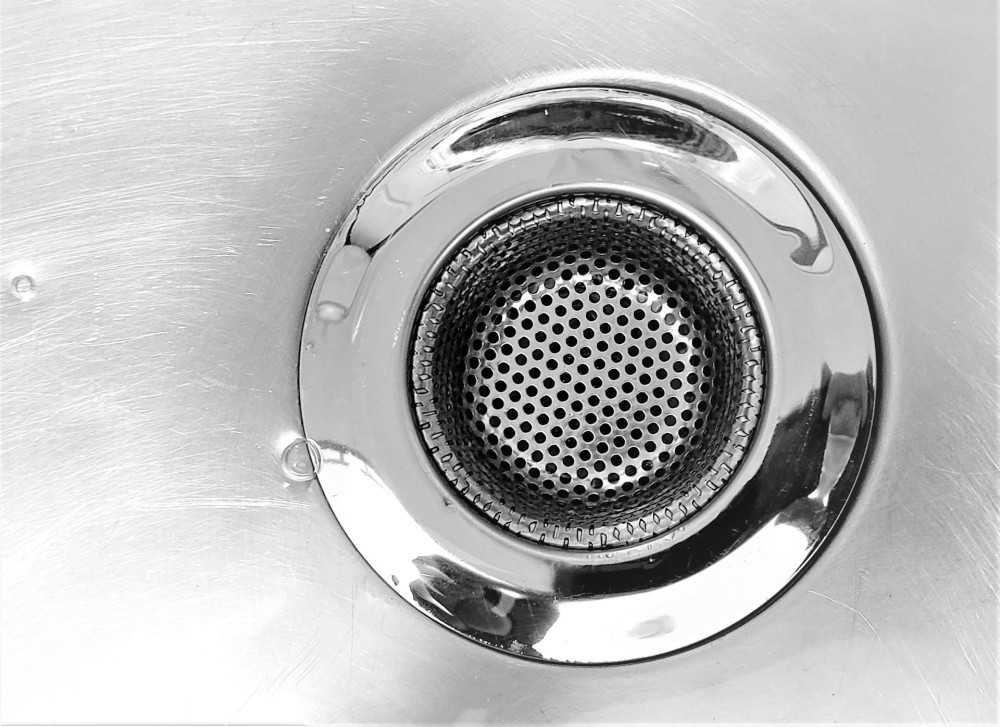
- Avoid pouring grease or food waste down drains – it attracts rats and can create blockages where they nest.
A well-maintained plumbing system is one of the most effective barriers against rats—and it also protects your property from water damage.
Keep Outdoor Areas Clean and Clear
Rats thrive where they can find food and shelter. Keeping your yard tidy is key to keeping them away.
- Remove clutter and debris – piles of wood, bricks, or dense vegetation provide perfect hiding spots.
- Store trash properly – use bins with tight-fitting lids and avoid leaving bags directly on the ground.
- Trim grass and shrubs – low vegetation makes it harder for rats to move unnoticed.
- Avoid feeding birds or pets outdoors – spilled seed or food is an open invitation for rodents.
A clean yard not only discourages rats but also makes it easier to spot early signs of activity.
Check the Building’s Weak Points
Rats can squeeze through openings as small as a quarter. Regular inspections can help you find and seal these entry points.
- Inspect foundations, doors, and windows – seal cracks with cement, metal mesh, or steel wool.
- Seal pipe and cable openings – especially in kitchens, basements, and bathrooms.
- Cover vents with metal screens – use fine mesh that rats can’t chew through.
- Monitor attics and crawl spaces – rats can climb walls and enter from above or below.
A yearly inspection—ideally combined with other maintenance tasks—can prevent many infestations before they start.
Know Your Responsibilities
In most U.S. states, property owners are responsible for maintaining their buildings in a way that prevents pest infestations. Landlords must ensure rental properties are habitable, and tenants should report any signs of rats promptly.
This means you should:
- Keep plumbing and structures in good repair.
- Store garbage securely.
- Avoid leaving pet food or birdseed where rats can access it.
Ignoring a rat problem can lead to property damage, health risks, and even code violations in some municipalities.
Make Rat Prevention Part of Your Maintenance Plan
Rat prevention should be a regular part of your property maintenance routine. Combine it with other seasonal checks—like cleaning gutters or inspecting roofs.
Create a simple checklist:
- Inspect plumbing and rodent barriers once a year.
- Check foundations, doors, and vents for gaps.
- Keep outdoor areas tidy and trash containers sealed.
- Record inspections and any signs of activity.
A systematic approach helps you catch problems early and avoid costly repairs later.
A Healthy Home Without Unwanted Guests
Rats are often a symptom of maintenance issues. By combining prevention, regular inspections, and quick action, you can protect both your property and your health. It takes a bit of attention, but the reward is a safe, clean, and comfortable home—free from unwelcome guests.
Læs også: